


House Speaker Mike Johnson Rules Out Another Leadership Bid Despite Vowing Republicans Will 'Keep Fighting' After Midterm Losses

His announcement followed Republican losses that handed Democrats control of the House and Senate.
Nov. 4 2026, Published 4:05 p.m. ET


House Speaker Mike Johnson will not seek to become House minority leader in the next Congress after Republicans lost control of both chambers in the November 3 midterm elections, clearing the way for a leadership battle between two prominent GOP lawmakers.
Johnson informed staff members of his decision during a call Wednesday, November 4, according to people familiar with the conversation.
The Louisiana Republican is expected to keep his House seat after winning reelection, but he will leave the party's leadership ranks when Democrats take control of the chamber in January.
The decision comes just weeks after Johnson publicly said he expected Republicans to ask him to continue leading the conference even if they lost their House majority.
His withdrawal now leaves House Majority Leader Steve Scalise and Judiciary Committee Chairman Jim Jordan competing for the top Republican position.

Johnson Steps Aside After Predicting Republicans Would Keep Control
Johnson's departure closes a chapter that began in October 2023
Johnson had been confident about the GOP's chances heading into the midterms, repeatedly arguing that Republicans would retain their narrow House majority.
During an October 12 interview with CBS News' Robert Costa, Johnson said he expected his colleagues to call on him to lead the conference if Democrats took control of the chamber.
"My intention is to stay and serve," he said at the time, adding that he intended to remain in leadership.
However, Democrats' sweeping victories changed the political landscape. The party secured control of both the House and Senate, dealing a major setback to President Donald Trump's Republican allies.
Johnson acknowledged the defeat in a statement, saying, "While the outcome of this midterm is not what we'd hoped and fought for, a new battle is just beginning."
He also insisted Republicans would continue defending their priorities, declaring that the party would "never stop fighting." Johnson previously pledged to work toward winning back the House in 2028.
Jim Jordan Launches Leadership Bid
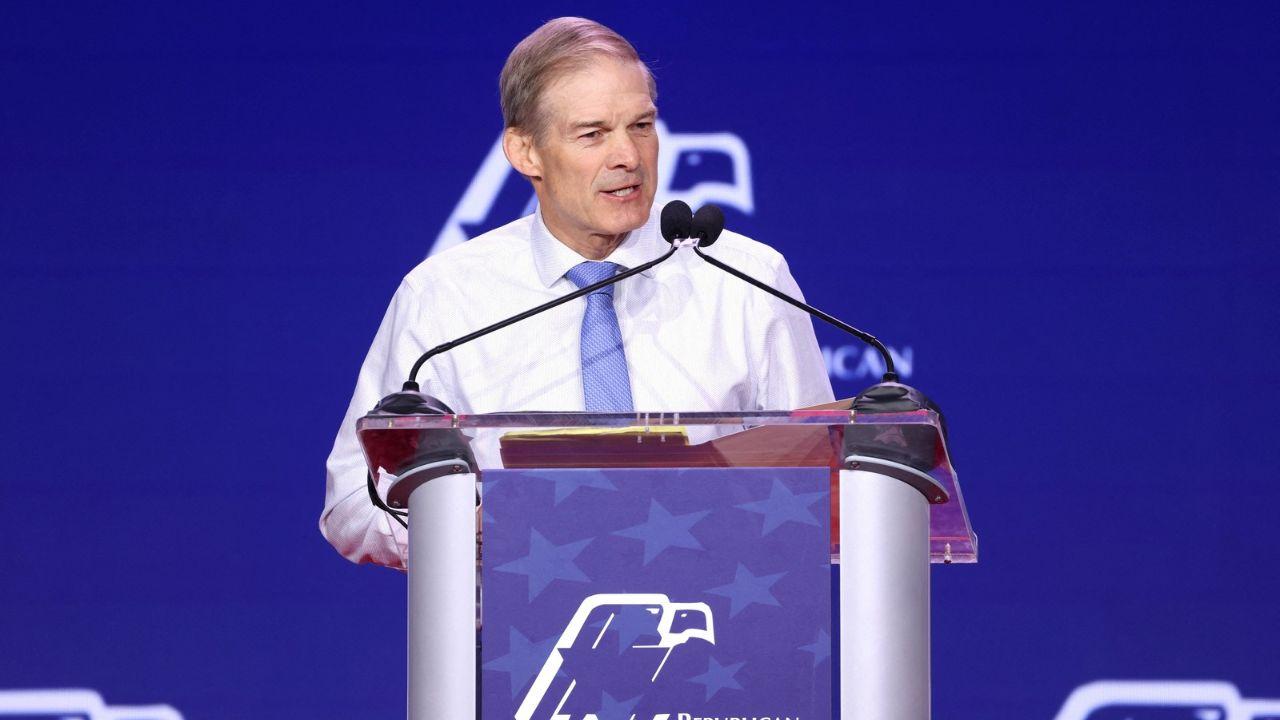
Johnson had indicated in October that he planned to stay on as GOP leader if Republicans lost.
Jordan, R-Ohio, formally announced his campaign for minority leader in a letter to Republican colleagues Wednesday. He argued that the party must rebuild voters' confidence and focus on priorities including law and order, lower taxes and traditional values.
The Judiciary Committee chairman previously pursued the speakership in 2023 after Kevin McCarthy was removed from the position. His campaign now puts him in direct competition with Scalise.
Scalise, R-La., also announced his intention to seek the leadership post. Johnson's close ally currently serves as House majority leader and has spent more than a decade in the party's leadership.
In a letter to colleagues, Scalise acknowledged the scale of the Republican defeat.
"Last night's election was far worse than any of us expected," he wrote, calling for the party to examine its shortcomings and emerge stronger and more united.
The two lawmakers previously competed for the speaker nomination in 2023, following McCarthy's removal.
Scalise initially won the Republican conference vote but withdrew after failing to secure enough support on the House floor. Johnson eventually emerged as the replacement.
Republicans Set November 10 Leadership Vote

Never Miss an

Daily updates from the heart of Hollywood, right to your inbox
By entering your email and clicking Sign Up, you’re agreeing to let us send you customized marketing messages about us and our advertising partners. You are also agreeing to our Terms of Service and Privacy Policy.

Jordan said he was prepared to coordinate opposition to the Democratic majority.
House Republicans are scheduled to hold their internal leadership elections Tuesday, November 10, with candidates required to declare their intentions by Friday, November 6.
The incoming minority leader will face the challenge of uniting a party dealing with a major electoral setback while preparing to oppose a Democratic-controlled House.
Johnson's departure also closes a chapter that began in October 2023, when he became speaker following McCarthy's ouster.
He now faces a transition from leading the Republican majority to serving as an ordinary House member when the new Congress convenes in January.
For Republicans, the immediate priority is choosing who will lead the conference through the final two years of Trump's presidency.
