


When Will 2026 Election Results Start Coming In? Poll Closing Times and What to Expect Tonight

All 435 U.S. House seats are on the ballot in 2026.
Nov. 3 2026, Published 12:40 p.m. ET


The first 2026 U.S. midterm election results could begin arriving shortly after 6 p.m. Eastern on Tuesday, November 3, when polling places in the Eastern time zones of Indiana and Kentucky close.
Additional results are expected throughout the evening as voting ends across the country.
However, tight races, mail-in ballots and state-specific counting procedures could mean Americans will have to wait days before knowing which party will control Congress.
More than 57 million Americans have already cast early ballots, according to CBS News. Voters are choosing all 435 members of the House of Representatives, 35 senators and 36 governors, alongside deciding numerous state and local ballot measures.
What's At Stake In The 2026 Midterms

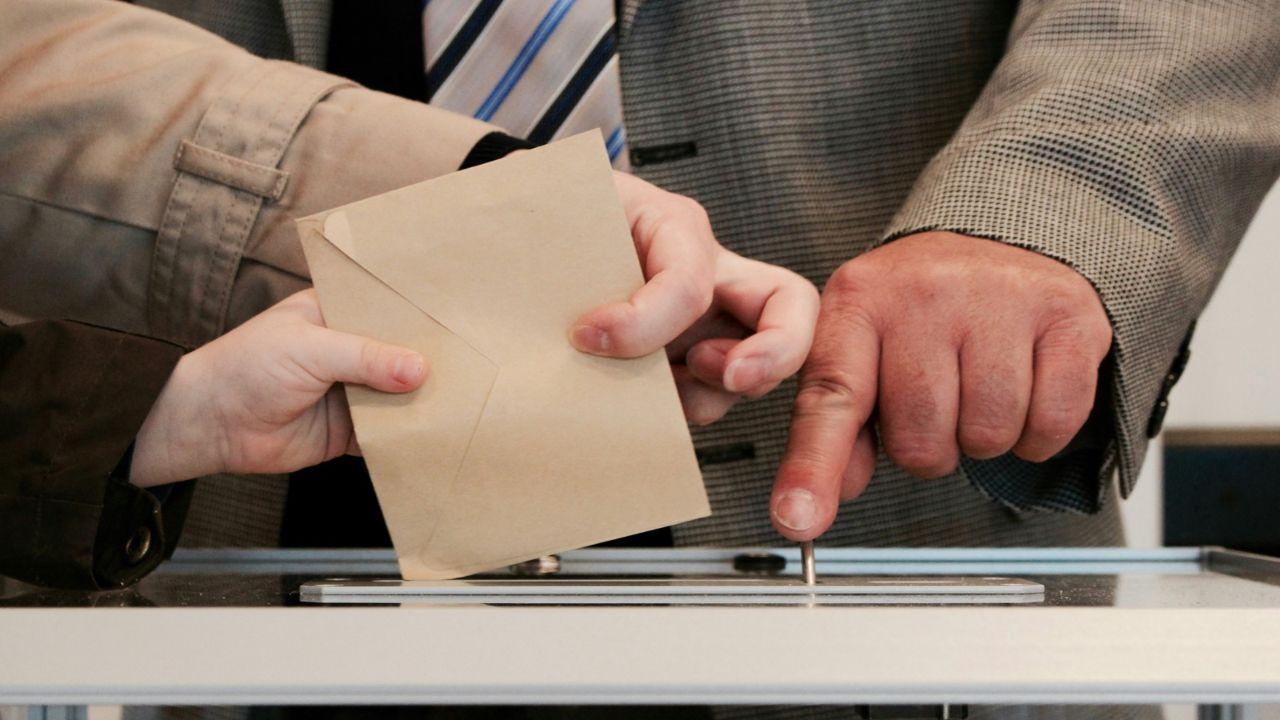
California’s House contests could help determine control of Congress.
Democrats are hoping to take back control of Congress, while Republicans are fighting to preserve their majorities in both chambers.
All 435 House seats are up for election, with 218 needed for a majority. Republicans currently hold a 218-212 advantage, with several seats vacant, making the outcome of competitive districts particularly important.
The Senate presents another challenge for Democrats. Republicans currently hold 53 seats, compared with 47 seats held by Democrats and independents who caucus with them.
Democrats would need a net gain of three seats to reach a 50-50 split and potentially control the chamber with the vice president's tie-breaking vote. Four additional seats would give them a 51-seat majority.
Poll Closing Times Across The Country
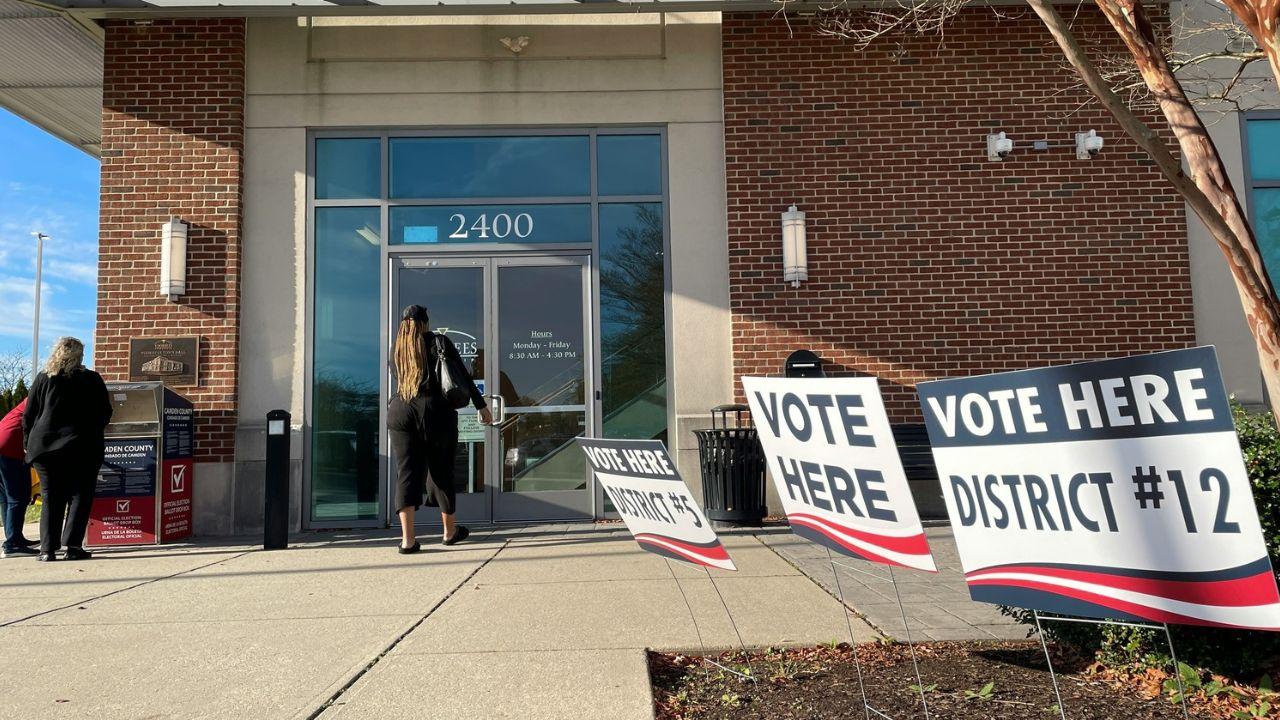
Vote-counting rules and close races could delay final results for days.
The first polling places will close at 6 p.m. ET, with voting ending in waves throughout the night. The following schedule uses Eastern time and reflects the latest closing times in different parts of each state.
6 p.m. ET: Polls close in the Eastern time zone portions of Indiana and Kentucky. Their Central time zone locations remain open until 7 p.m. ET.
7 p.m. ET: Georgia, South Carolina, Vermont and Virginia close, along with the remaining portions of Indiana and Kentucky. Most of Florida also finishes voting at this time.
7:30 p.m. ET: North Carolina, Ohio and West Virginia close.
8 p.m. ET: Polls close in Pennsylvania, New Jersey, Maine, Maryland, Massachusetts, Alabama, Connecticut, Delaware, Illinois, Mississippi, Missouri, Oklahoma and Rhode Island. The Florida Panhandle and parts of New Hampshire also fall into this closing window.
8:30 p.m. ET: Arkansas polling places close.
9 p.m. ET: Arizona, Michigan, New York, Wisconsin, Colorado, Kansas, Louisiana, Minnesota, New Mexico, South Dakota, Tennessee, Texas and Wyoming reach their latest closing times.
10 p.m. ET: Iowa, Nevada, Montana, Nebraska, North Dakota and Utah close.
11 p.m. ET: California, Washington, Oregon and Idaho reach their latest closing times.
Midnight ET: Hawaii closes its polling places.
1 a.m. ET: The final Alaska polling places close.
Key Races To Watch On Election Night
Polls began opening early this morning on the East Coast and have rolled westward across the country.
Several closely watched Senate contests could determine which party controls the upper chamber.
In Georgia, Democratic Sen. Jon Ossoff faces Republican Mike Collins. North Carolina's open Senate seat features former Democratic Gov. Roy Cooper against Republican Michael Whatley.
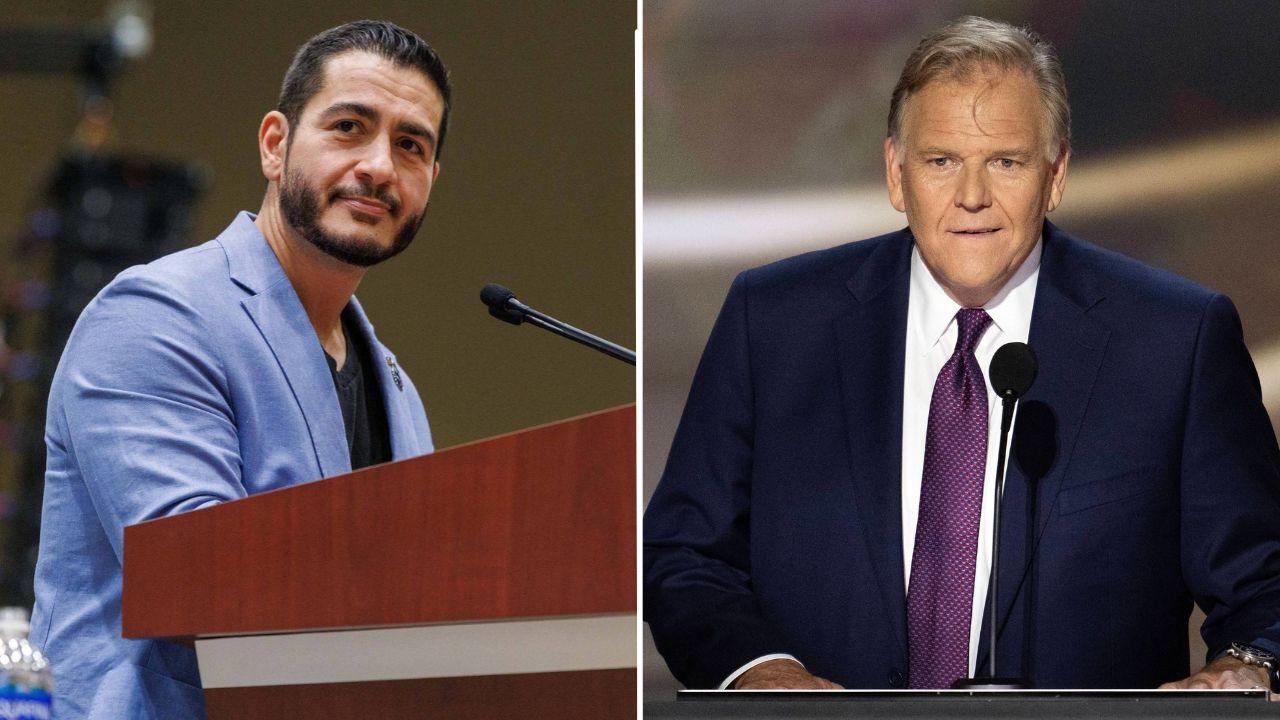
Ohio voters are choosing between Republican Sen. Jon Husted and former Democratic Sen. Sherrod Brown in a special election. Michigan's open seat features Democrat Abdul El-Sayed and Republican Mike Rogers.
Maine's Senate contest pits Republican Sen. Susan Collins against Democrat Troy Jackson, while Texas voters are deciding between Democrat James Talarico and Republican Ken Paxton.
Iowa also has an open Senate seat, with Republican Ashley Hinson facing Democrat Josh Turek. Nevada's gubernatorial race features incumbent Republican Joe Lombardo and Democratic Attorney General Aaron Ford.

Why Election Results May Take Time

Never Miss an

Daily updates from the heart of Hollywood, right to your inbox
By entering your email and clicking Sign Up, you’re agreeing to let us send you customized marketing messages about us and our advertising partners. You are also agreeing to our Terms of Service and Privacy Policy.

Democrats need at least 218 House seats to regain control.
Poll closings do not mean all ballots have been counted. States follow different procedures for processing early votes, mail-in ballots and provisional ballots, which can affect how quickly results become available.
Some states report large portions of their totals on election night, while others take considerably longer. California and Washington, for example, had substantial numbers of ballots left to count after Election Day in 2024.
Early vote totals can also change the apparent balance of a race as additional ballots are processed. A candidate leading in the first reported results is not necessarily the eventual winner.
Close contests could remain undecided for several days, particularly where the margins are narrow or additional counting and verification are required.
