


EXCLUSIVE: House Dems Move to Block Trump's Saudi Nuclear Deal — Sound Alarm Over Uranium Enrichment and Secret Side Letters

President Donald Trump's Saudi nuclear agreement is facing a fresh challenge from House Democrats.
Sept. 17 2026, Published 8:00 p.m. ET


House Democrats are moving to block President Donald Trump's nuclear agreement with Saudi Arabia, warning the deal lacks key safeguards on uranium enrichment and comes with two classified side letters, RadarOnline.com can reveal.
According to documents obtained by Radar, Reps. Gregory Meeks, Brad Sherman, John Garamendi and Don Beyer announced Thursday they had introduced a Joint Resolution of Disapproval aimed at preventing the U.S.-Saudi civilian nuclear cooperation agreement from entering into force.
Trump's Saudi Nuclear Deal Faces New Fight

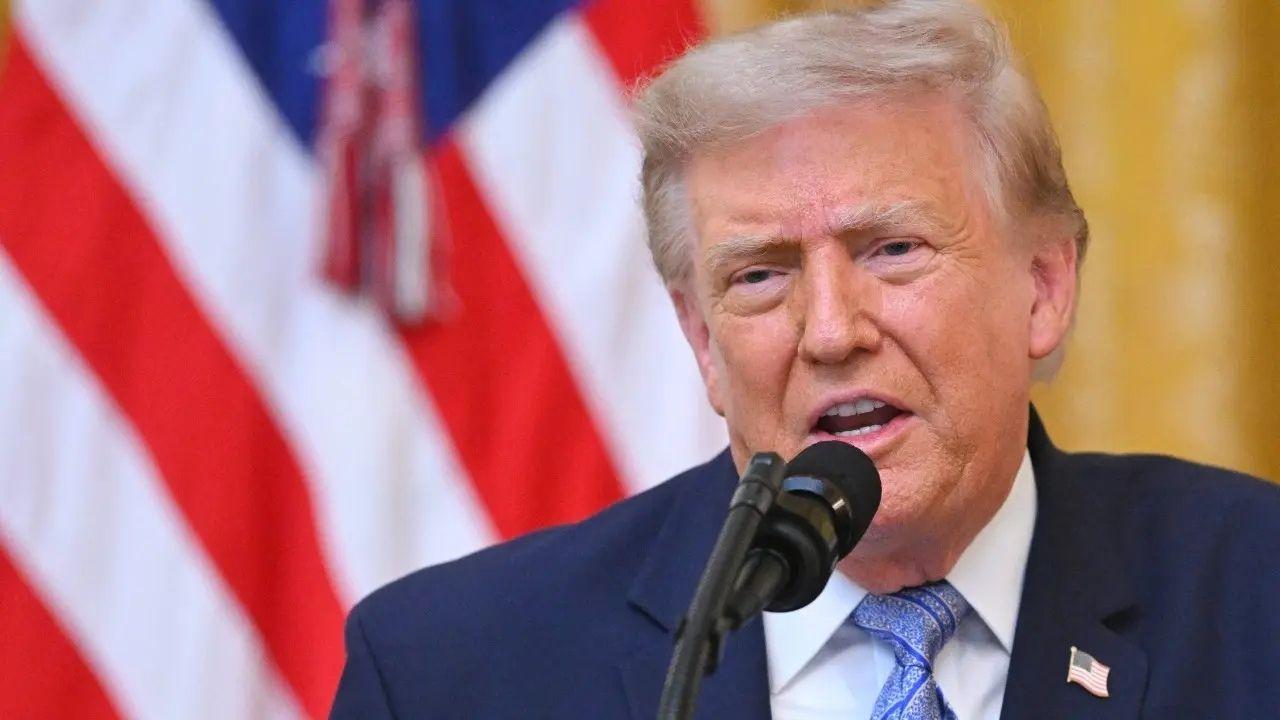
House Democrats are moving to block Trump's U.S.-Saudi nuclear agreement.
The proposed agreement was formally transmitted to Congress on August 27 as House Document 119-191 and referred to the House Foreign Affairs Committee. The pact establishes a framework for peaceful nuclear cooperation between Washington and Riyadh.
But the Democratic lawmakers argue the agreement lacks two protections they consider critical: a commitment barring Saudi Arabia from enriching uranium or reprocessing spent nuclear fuel, and an expanded inspection agreement with the International Atomic Energy Agency.
In their announcement, the lawmakers said the pact "dangerously departs from decades of nonproliferation standards," arguing tougher safeguards are needed to prevent nuclear-weapons development.
The lawmakers also pointed to Saudi Crown Prince Mohammed bin Salman's 2023 statement that the kingdom would seek a nuclear weapon if Iran obtained one.
Nuclear Safeguards Under Fire

Saudi Crown Prince Mohammed bin Salman previously said the kingdom would seek a nuclear weapon if Iran obtained one.
Radar previously reported in July that Trump's Saudi nuclear agreement had already reignited concerns over nuclear proliferation, including criticism that Riyadh had not accepted the same restrictions imposed under Washington's nuclear arrangement with the United Arab Emirates.
The new congressional action now puts those concerns directly before lawmakers as Democrats seek to stop the agreement from taking effect.
The fight intensified Wednesday when a bipartisan group of senators demanded the Trump administration release two classified side letters accompanying the proposed agreement.
Classified Side Letters Spark Questions
A bipartisan group of senators is demanding the release of two classified side letters tied to the nuclear agreement.
Sens. Edward Markey and Jeff Merkley led the group in asking Secretary of State Marco Rubio and Energy Secretary Chris Wright to declassify and publicly release the documents. Republican Senators John N. Kennedy and Rand Paul were among those joining the request.
According to the senators, the agreement references the two letters, but they remain classified at the lowest possible level.
The senators said the classification is unprecedented for side letters connected to a Section 123 nuclear agreement and argued the documents affect the "obligations and operation" of the underlying pact.


Saudi Ties Face Renewed Scrutiny

Never Miss an

Daily updates from the heart of Hollywood, right to your inbox
By entering your email and clicking Sign Up, you’re agreeing to let us send you customized marketing messages about us and our advertising partners. You are also agreeing to our Terms of Service and Privacy Policy.

The nuclear fight comes as Saudi Arabia faces separate scrutiny in Washington over records sought by families of 9/11 victims.
Trump issued a presidential determination regarding the proposed Saudi cooperation agreement on July 16, before the pact was later formally submitted to Congress. The dispute comes as Saudi Arabia is already facing renewed scrutiny in Washington.
As Radar previously reported Wednesday, September 16, Trump is separately considering a request from families of 9/11 victims to declassify records they believe could provide additional information about alleged Saudi connections to the attacks. Saudi Arabia has long denied any official involvement.
For the nuclear agreement, however, House Democrats are now seeking to stop the pact outright. Meeks, Sherman, Garamendi and Beyer warned: "A region already gripped by conflict and escalation does not need another nuclear power."
