


EXCLUSIVE: Donald Trump Sparks Fresh World War 3 Fears Over Plan That Will 'Give Saudis Green Light to Secretly Develop Nukes'

Donald Trump's Saudi nuclear plan has sparked fresh World War III fears.
July 22 2026, Published 1:28 p.m. ET


Donald Trump has triggered fresh fears of global conflict after unveiling a landmark nuclear agreement with Saudi Arabia – with critics warning it could pave the way for the kingdom to secretly develop nuclear weapons under the guise of a civilian energy program.
RadarOnline.com can reveal the 80-year-old US president is expected to formally announce the agreement with Saudi Arabia today, marking a dramatic shift in Washington's approach to nuclear cooperation.
Nuclear Deal Sparks Fears

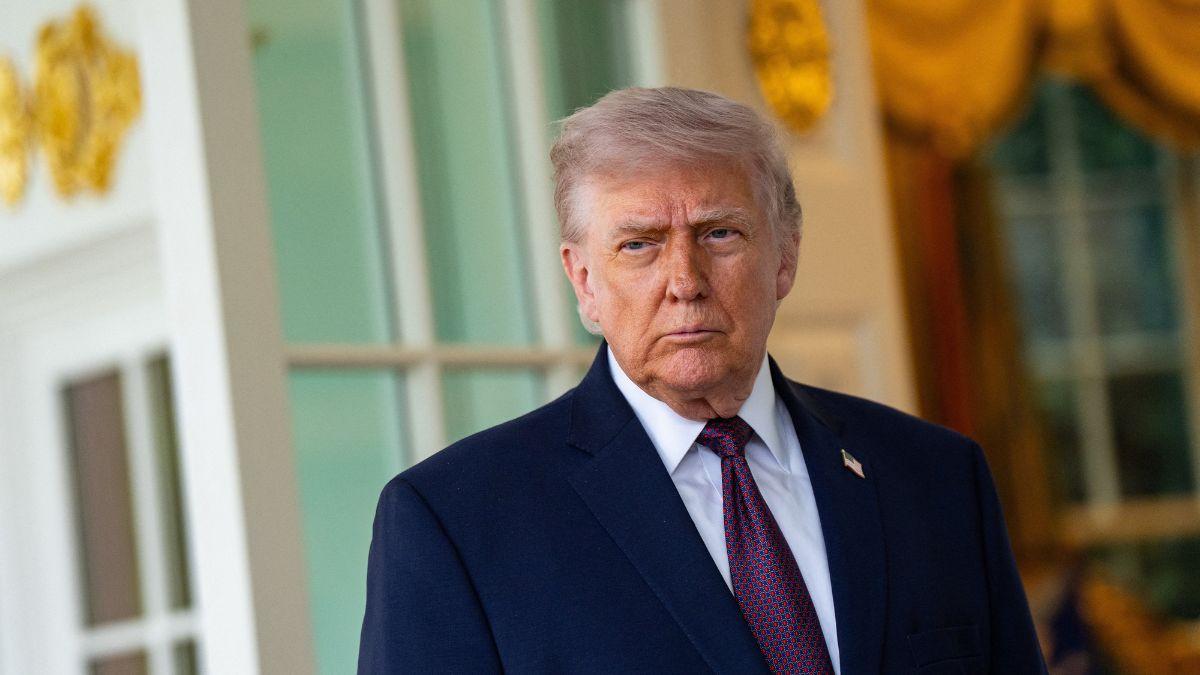
Donald Trump unveiled a landmark civil nuclear agreement with Saudi Arabia.
The deal would allow the kingdom to pursue uranium enrichment for civilian reactors while strengthening US-Saudi ties after months of regional tensions linked to Iran.
The proposal must still be reviewed by Congress, although it is widely expected to survive any attempt to block it.
One US official familiar with the negotiations said: "Many lawmakers believe this risks opening a door that previous administrations worked hard to keep firmly shut. Critics fear it could give Saudi Arabia the capability to move much closer to producing nuclear weapons if the political situation changes. It could essentially give them the green light for such a move.
"Supporters argue the agreement strengthens America's influence, but opponents believe it weakens long-standing safeguards designed to prevent nuclear proliferation, and there is a real fear Trump is pushing the globe closer and closer to World War 3."
Saudi Nuclear Plan
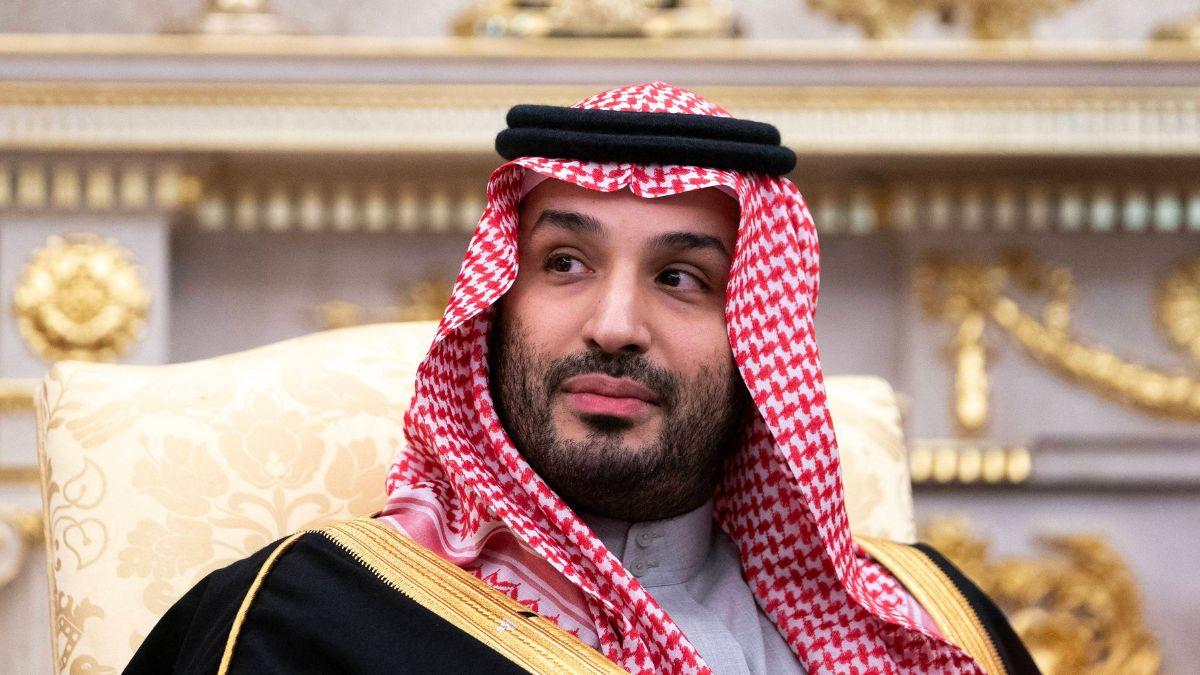
Prince Mohammed bin Salman vowed to obtain nuclear weapons if Iran succeeded.
The agreement has been under discussion for years, with previous efforts under President Joe Biden linking civilian nuclear cooperation to Saudi recognition of Israel.
That broader diplomatic package stalled following Hamas' October 7, 2023, attacks on Israel, prompting Trump to separate the nuclear proposal from normalization talks.
According to US officials, the agreement is expected to generate billions of dollars for the American nuclear industry, with reactor manufacturer Westinghouse expected to be among the first beneficiaries if projects move ahead.
The proposal would reportedly permit Saudi Arabia to enrich uranium or reprocess plutonium following joint economic studies with the United States. Critics argue those capabilities could provide the infrastructure needed to produce nuclear weapons, even if the stated purpose remains civilian energy production.
Prince Mohammed bin Salman, Saudi Arabia's de facto ruler, has previously made clear how the kingdom would respond if Iran obtained nuclear weapons.
He declared "without a doubt" when asked whether Saudi Arabia would also build nuclear weapons.
Iran insists its nuclear program is for peaceful purposes, although it has enriched uranium to levels approaching weapons-grade after Trump withdrew the United States from the 2015 nuclear agreement during his first presidency.
Earlier this year, US forces joined Israeli strikes against Iranian nuclear facilities during escalating regional hostilities.
Congress Faces Pressure
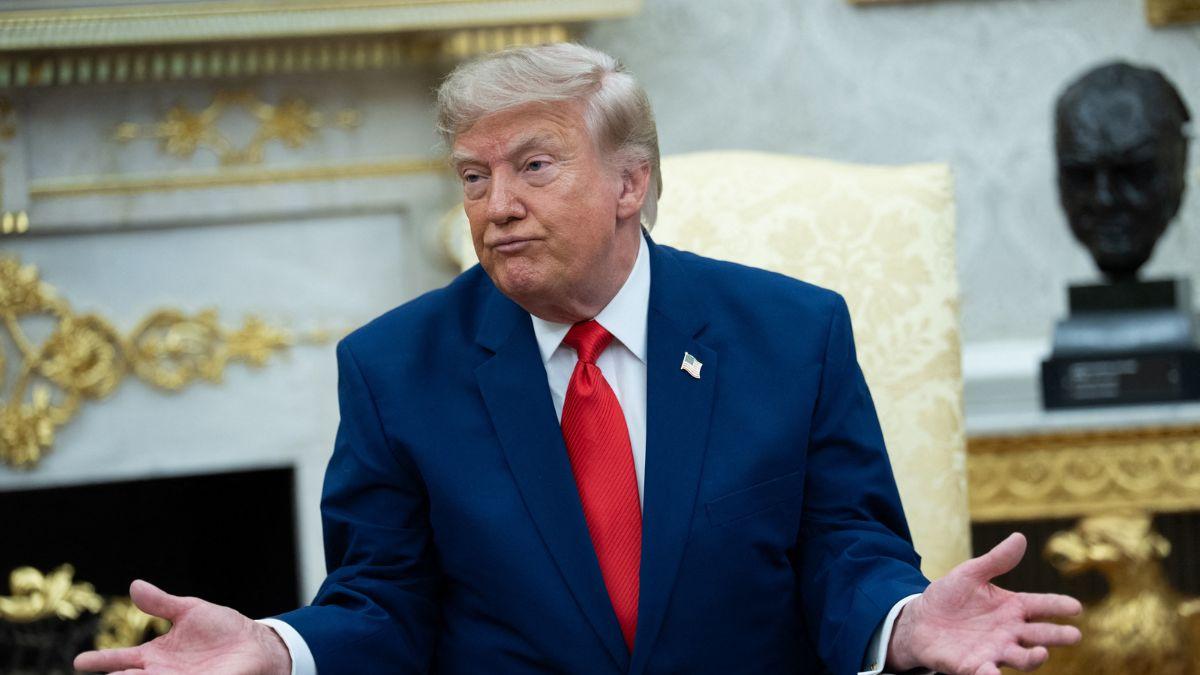
Trump withdrew the United States from the 2015 Iran nuclear deal.
The agreement reportedly includes two confidential side letters that the administration says contain commercially sensitive information and national security provisions.
Some members of Congress are expected to demand their publication before backing the proposal.
Unlike the United Arab Emirates' 2009 nuclear agreement with Washington, often described as the "gold standard" for non-proliferation because it prohibited domestic fuel production and required extensive international inspections, Trump's deal is expected to contain less restrictive conditions.
Supporters argue continued US involvement offers greater oversight than allowing rival powers such as China or Russia to deepen nuclear cooperation with Riyadh.
Opponents counter that relaxing decades-old restrictions could fuel an increasingly dangerous regional arms race as tensions with Iran continue to simmer.
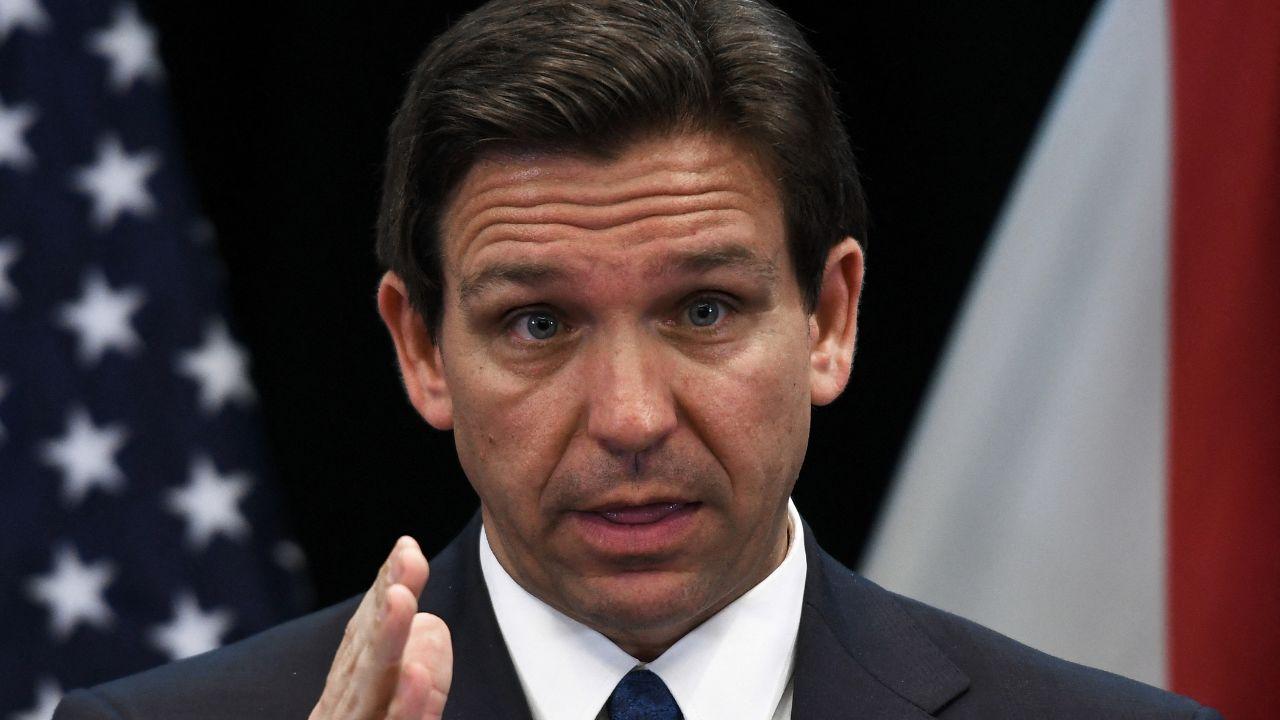
War Threats Escalate

Never Miss an

Daily updates from the heart of Hollywood, right to your inbox
By entering your email and clicking Sign Up, you’re agreeing to let us send you customized marketing messages about us and our advertising partners. You are also agreeing to our Terms of Service and Privacy Policy.
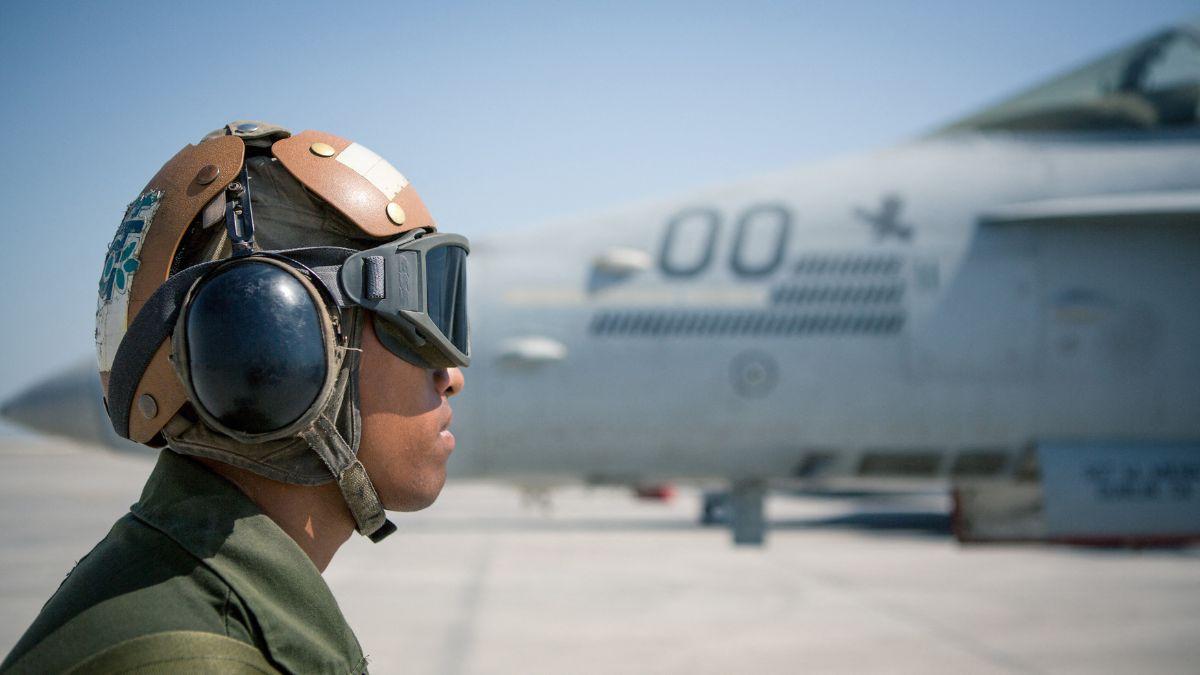
CENTCOM targeted Iranian command centers and missile launch sites.
Meanwhile, the United States and Iran are embroiled in escalating warfare.
Following the collapse of a brief June ceasefire, Trump ordered 11 consecutive nights of intensive U.S. airstrikes against Iranian military infrastructure.
Iran has retaliated with regional missile strikes and an aggressive maritime blockade of the Strait of Hormuz, causing a global spike in crude oil prices.
Under Trump's direction, U.S. Central Command (CENTCOM) has systematically struck Iranian command centres, drone warehouses, air defence systems, and missile launch sites.
Trump announced the U.S. will soon "very heavily" strike 'Pickaxe Mountain' – Mount Kolang Gaz La – a fortified underground area near a primary Iranian nuclear enrichment facility.
Tehran warned this would trigger a catastrophic escalation.
Enraged by ongoing maritime disruption, Trump explicitly threatened on Truth Social to bomb and destroy one Iranian bridge or power plant for every single ship Iran targets.
Critics warn targeting civilian assets could constitute a war crime.
