


EXCLUSIVE: Donald Trump Accused of Fueling J.F.K.'s Biggest Nukes Fears With 'Disastrous' Saudi Nuclear Deal

Donald Trump's Saudi nuclear deal has reignited comparisons to JFK-era nuclear fears.
July 23 2026, Published 1:49 p.m. ET


Donald Trump is being accused of pushing the Middle East closer to a new nuclear arms race after striking a controversial civilian nuclear agreement with Saudi Arabia – which critics warn RadarOnline.com could revive one of John F. Kennedy's darkest predictions about the spread of atomic weapons.
The agreement, unveiled this week by 80-year-old Trump, allows Saudi Arabia to move ahead with plans for a civilian nuclear energy program using American technology.
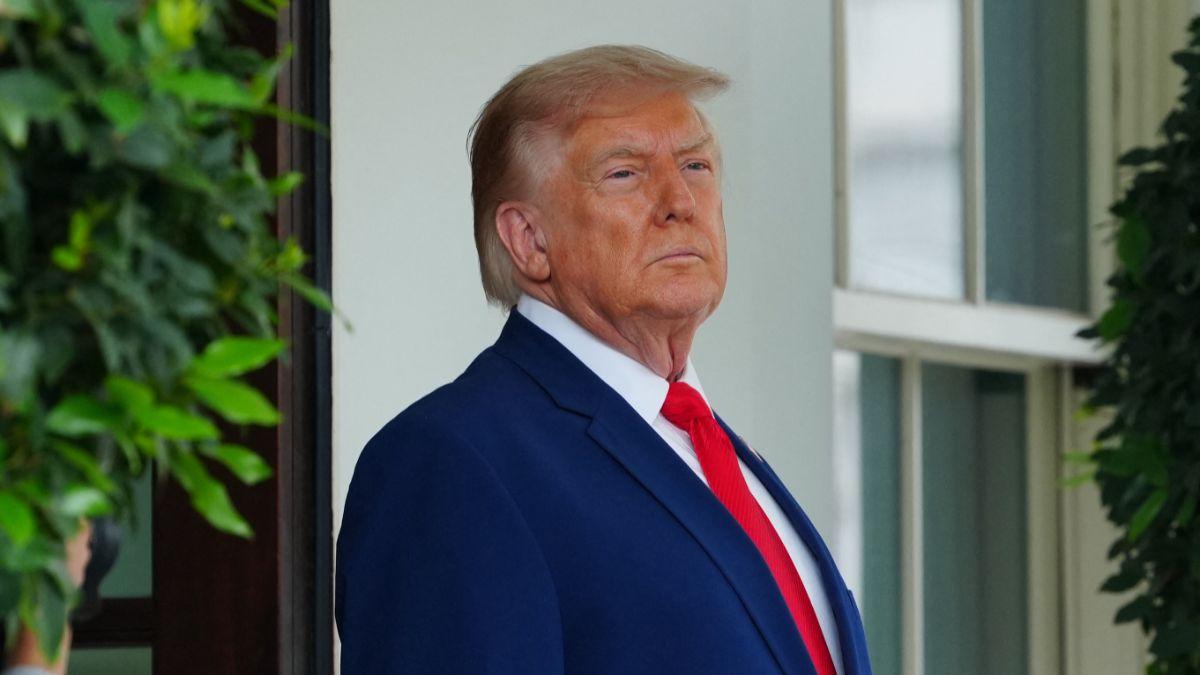
Donald Trump unveiled a controversial nuclear agreement with Saudi Arabia.

Unlike previous U.S. nuclear agreements in the region, however, the deal reportedly does not require Riyadh to accept the same far-reaching international inspections or permanently rule out enriching uranium on its own soil.
Nonproliferation specialists argue those omissions could weaken decades of efforts to prevent the spread of nuclear weapons across the Middle East while strengthening Washington's strategic and commercial ties with Crown Prince Mohammed bin Salman.
One expert familiar with nuclear policy told us: "The huge concern isn't that Saudi Arabia suddenly builds a bomb tomorrow. The concern is that the safeguards are being lowered in ways that future governments may come to regret. Once those standards slip, they're incredibly difficult to restore."
Strategic Commercial Mandate
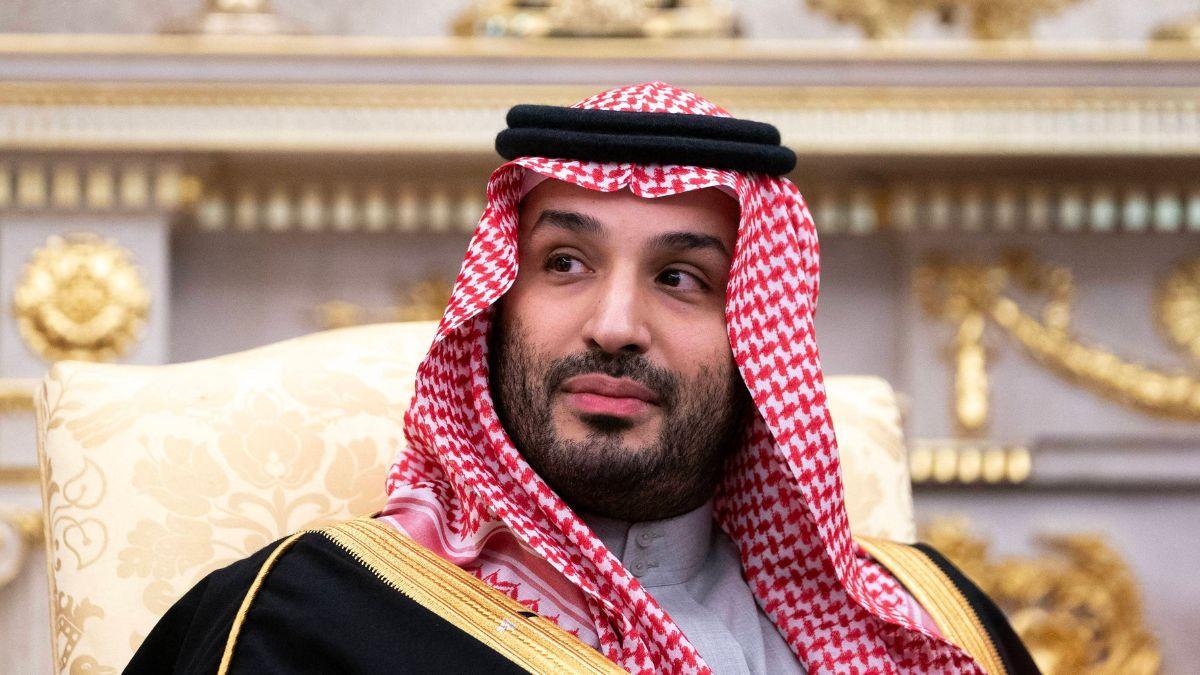
Mohammed bin Salman threatened to build nuclear weapons if Iran succeeded.
Negotiations over Saudi Arabia's nuclear ambitions began during Trump's first administration and continued under President Joe Biden as part of broader discussions that linked civilian nuclear cooperation to the kingdom recognizing Israel.
Trump ultimately separated the nuclear agreement from those diplomatic efforts after Saudi leaders made clear recognition of Israel was not currently under consideration.
The new deal also represents a significant commercial opportunity for the United States because Saudi Arabia is expected to rely on American nuclear technology and expertise as it develops its civilian energy program.
Supporters argue the arrangement reinforces the longstanding strategic alliance between Washington and Riyadh while helping counter growing Chinese and Russian influence in the Gulf.
Departing Gold Standard
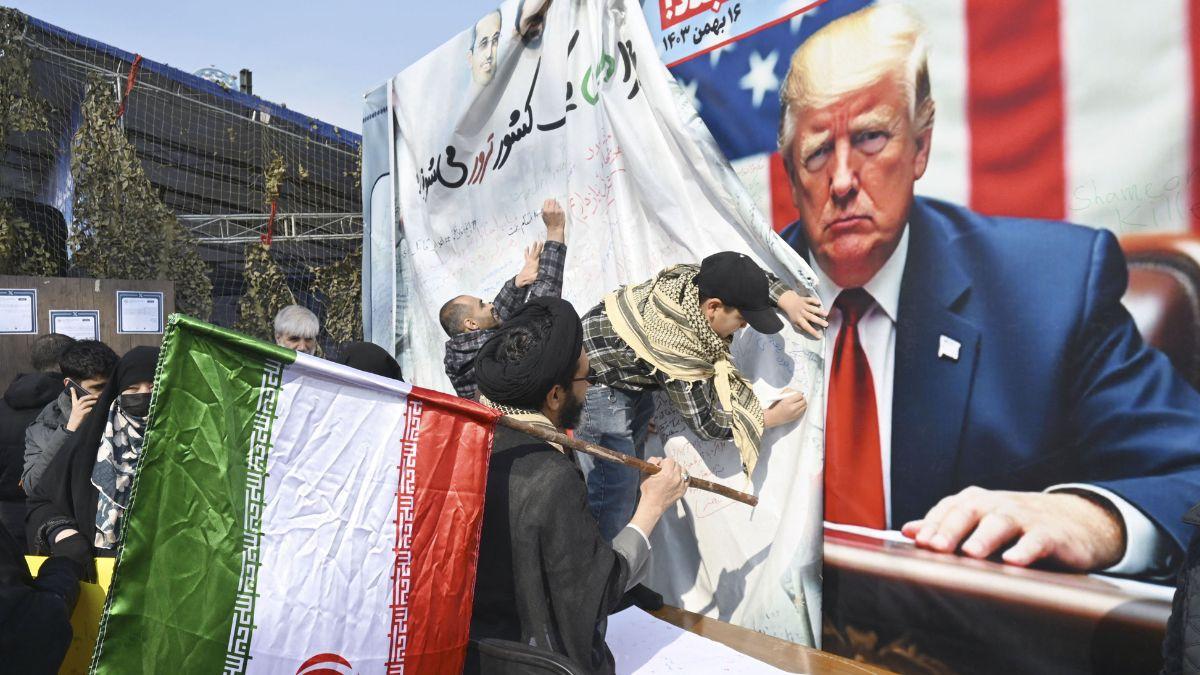
Tehran viewed the American deal as a regional double standard.
But critics point to key differences between the Saudi agreement and the landmark 2009 U.S. nuclear deal with the United Arab Emirates.
Under that accord, Abu Dhabi accepted sweeping inspection powers for the International Atomic Energy Agency and agreed not to enrich uranium or reprocess plutonium domestically, removing the most direct pathway toward producing material suitable for nuclear weapons.
Saudi Arabia has not accepted those same restrictions.
Instead, both governments have agreed to examine whether enriching uranium domestically would make economic sense, leaving the option open rather than ruling it out entirely.
A source following the negotiations said: "The language creates ambiguity where previous agreements created certainty. That's what has so many arms-control experts worried because uncertainty leaves room for future political decisions that could dramatically change the regional security picture."


Escalating Regional Friction

Never Miss an

Daily updates from the heart of Hollywood, right to your inbox
By entering your email and clicking Sign Up, you’re agreeing to let us send you customized marketing messages about us and our advertising partners. You are also agreeing to our Terms of Service and Privacy Policy.
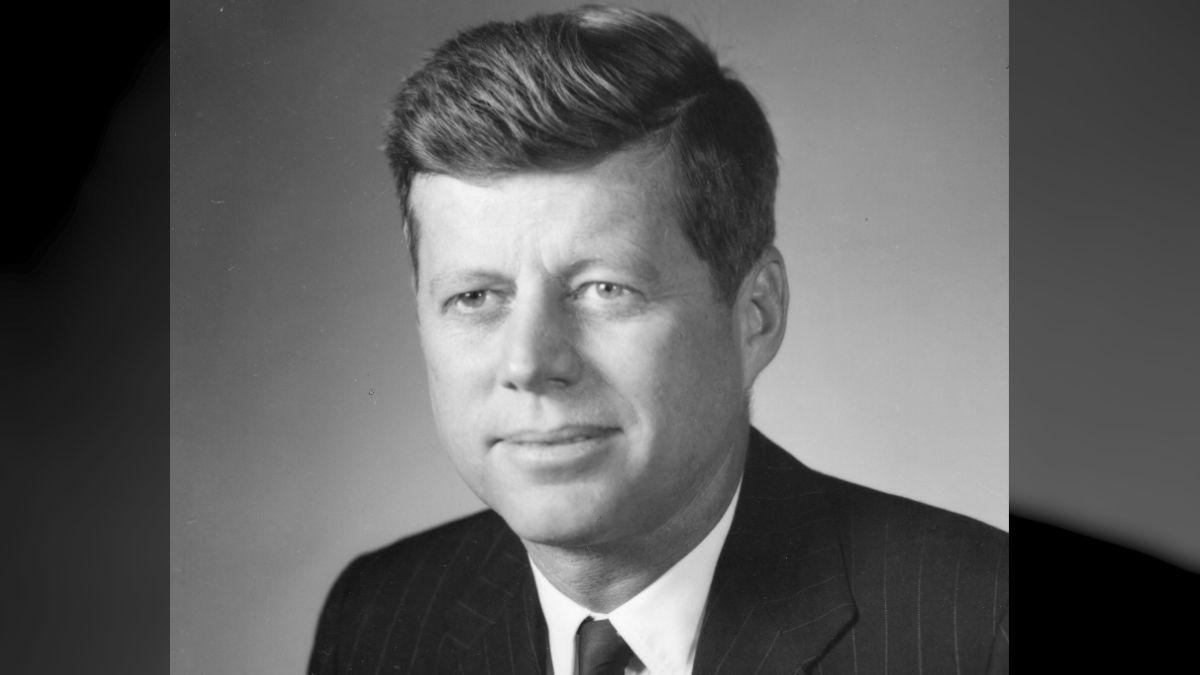
John F. Kennedy predicted the rapid spread of nuclear-armed states.
The agreement could also complicate U.S. relations with Iran, whose nuclear program has been subject to years of sanctions, military pressure and demands for intrusive international inspections.
Analysts argue Tehran is likely to view the Saudi deal as evidence that Washington applies different standards to different regional allies.
Mohammed bin Salman has previously said Saudi Arabia would seek nuclear weapons if Iran successfully developed one of its own, a warning which has fueled concerns about a regional proliferation race.
Experts also fear the agreement may encourage other American allies to demand similar treatment.
The United Arab Emirates could seek to revisit its own commitments, arguing it accepted stricter conditions than those now offered to Saudi Arabia.
Some analysts have also drawn parallels with warnings made by President John F. Kennedy, who predicted before his assassination in 1963 the world could eventually see more than 20 nuclear-armed states.
While the horrifying outcome never materialized, experts increasingly believe the international system that restrained proliferation for decades is under growing strain, raising fears Kennedy's prediction may yet prove closer to reality than many once believed.
Other experts have told us Trump's foreign affairs approach is driving the planet towards the brink of World War Three, as he continues to bombard Iran with bombs.
