


EXCLUSIVE: Why Prince Harry and Meghan Markle's Latest 'Faux Royal' Trip Shows They Are Exactly What The Firm Needs

Meghan Markle and Prince Harry's Jordan trip is causing a stir... for the best reason.
March 8 2026, Published 1:00 p.m. ET


Prince Harry and Meghan Markle have just finished stepping back onto a quasi-royal stage with a World Health Organization-arranged visit to Jordan – prompting renewed debate over whether the exiled couple are, paradoxically, exactly what the monarchy needs.
As RadarOnline.com reported, the Duke of Sussex, 41, and Duchess of Sussex, 44, traveled to Jordan to meet refugees and visit a rehabilitation center for addicts in a trip coordinated with the WHO.

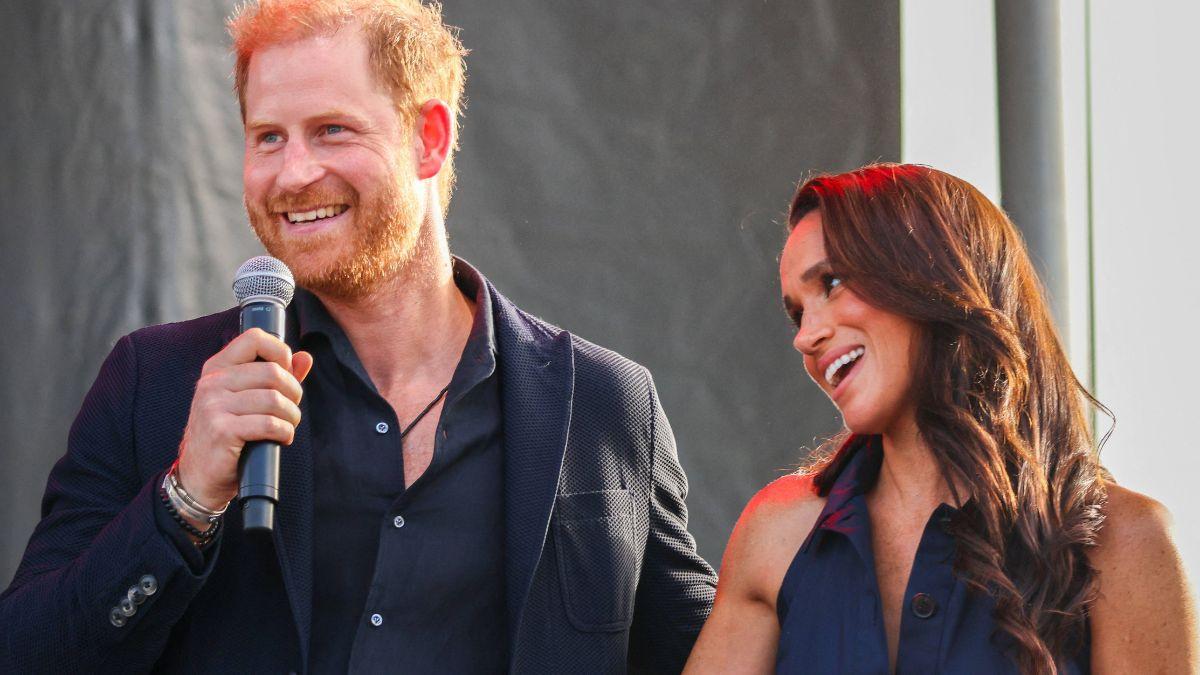
Prince Harry and Markle visited a rehabilitation center for addicts in Jordan.
Though no longer working royals after their 2020 departure from the U.K. – widely dubbed "Megxit" – the couple's itinerary echoed the kind of overseas tours once undertaken on behalf of the crown.
Their appearance comes at a hugely sensitive moment for the Royal family, as King Charles III, 77, continues cancer treatment and Prince William, 43, balances public duties with family pressures – all amid Andrew Windsor's ongoing Jeffrey Epstein scandal.
During the visit, Harry left a handwritten Post-it note for recovering addicts that read: "It's OK not to be OK… now share your courage and experience." The message, simple and direct, drew praise from supporters who say it reflects his long-standing advocacy for mental health.
A source involved in the Jordan trip said: "What stands out when Harry and Meghan are on the ground is how quickly they dissolve the usual barriers."
'There Is No visible Hierarchy in the Way'
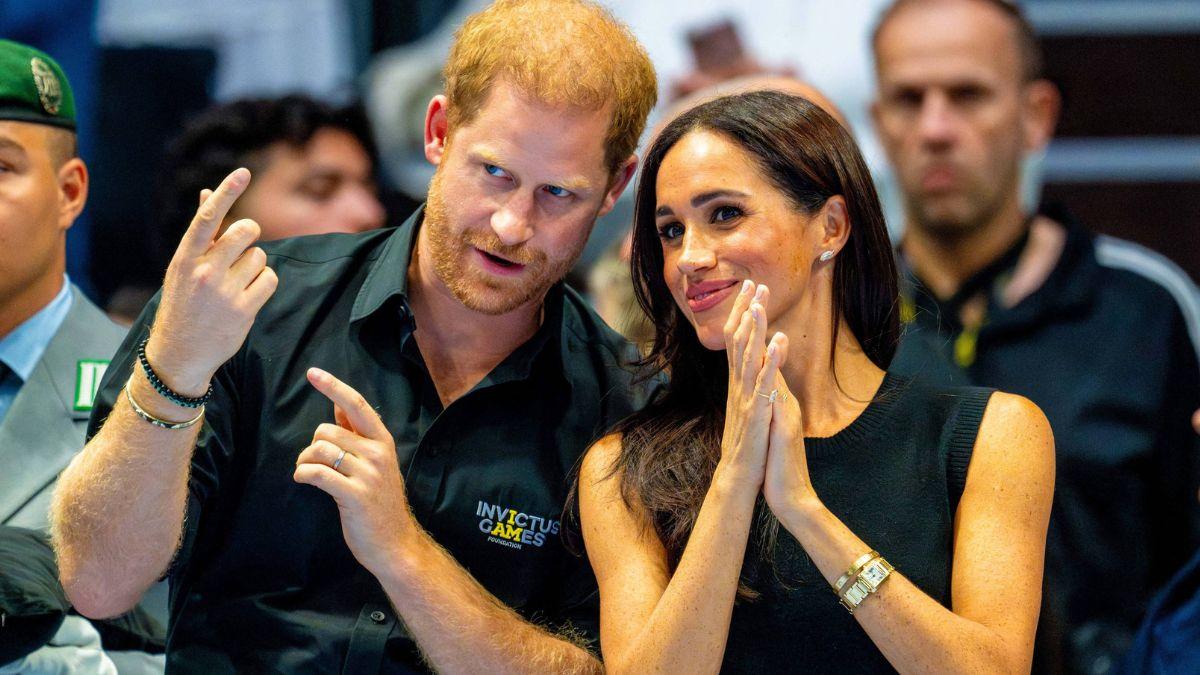
Prince Harry left a supportive handwritten note for individuals in recovery.
"There is no stiff choreography or visible hierarchy in the way they move through a room," the insider continued. "They tend to sit close, ask direct questions, and listen for longer than expected. In environments where people are coping with displacement or addiction, that informality can feel disarming, positively. It creates a sense that the exchange is human first and ceremonial second."
The source noted: "Although this tour was not conducted under palace auspices, the structure mirrors traditional royal engagements – meetings with community leaders, walk-throughs of facilities, time set aside for private conversations, and public visibility for local initiatives.
"The distinction is that they are no longer bound by layers of institutional oversight. Without those constraints, they can adapt the tone and pacing of a visit, spending more time on issues like recovery services, refugee integration, and support for wounded veterans. It gives their advocacy a more conversational, less scripted quality, which many participants find easier to relate to."
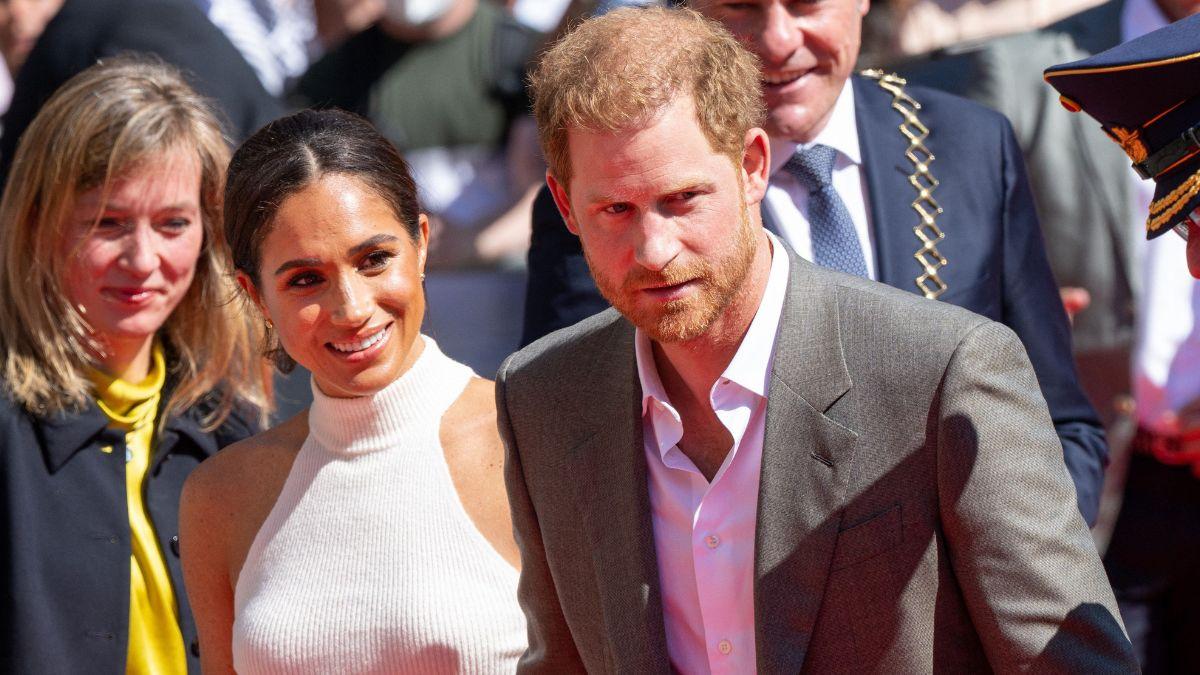
Prince Harry and Markle have engaged younger demographics through their focus on social justice.
Within royal circles, the optics have not gone unnoticed.
One royal commentator said: "The institution is navigating a period of introspection – questions about cost, transparency, and purpose are surfacing more openly than they have in decades. In that climate, Harry and Meghan occupy an unusual space. They have credibility with demographics that are often indifferent or openly critical of the monarchy, especially younger generations and those wary of inherited status."
The commentator continued: "Their global celebrity, combined with a willingness to speak the language of mental health, identity, and social justice, allows them to penetrate audiences that traditional royal messaging does not always reach. That does not automatically translate into institutional benefit, but it complicates the picture. It raises the question of whether the monarchy can afford to sideline figures who demonstrably command attention in spaces where the crown struggles to resonate."
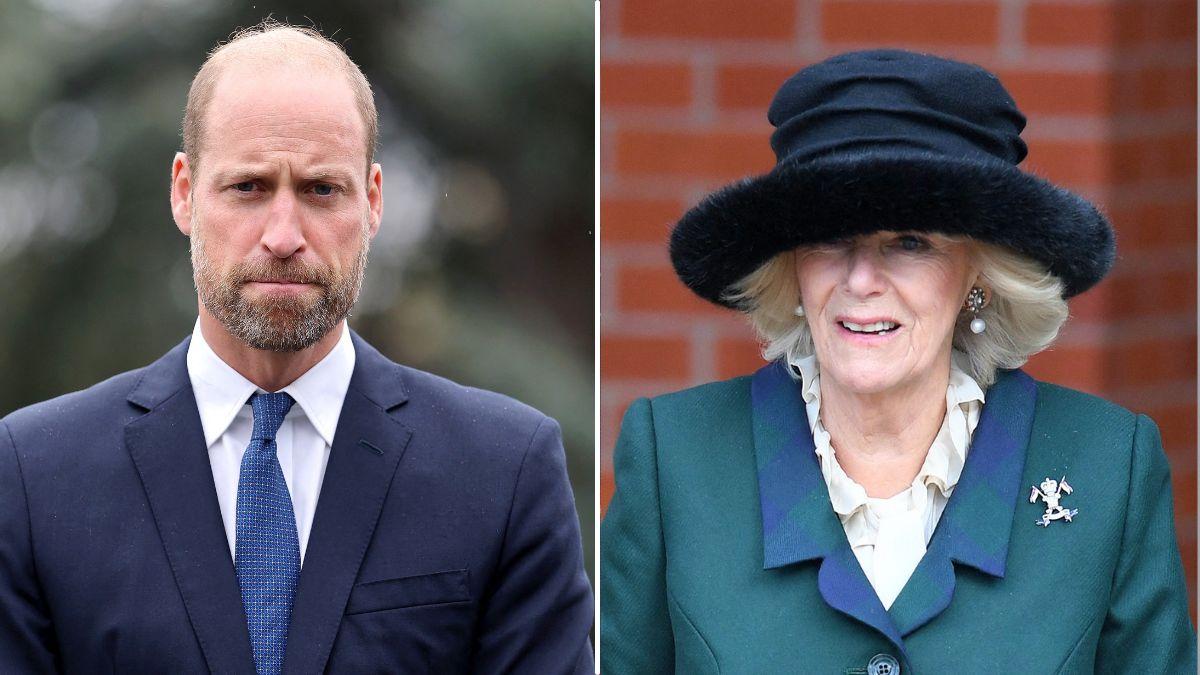
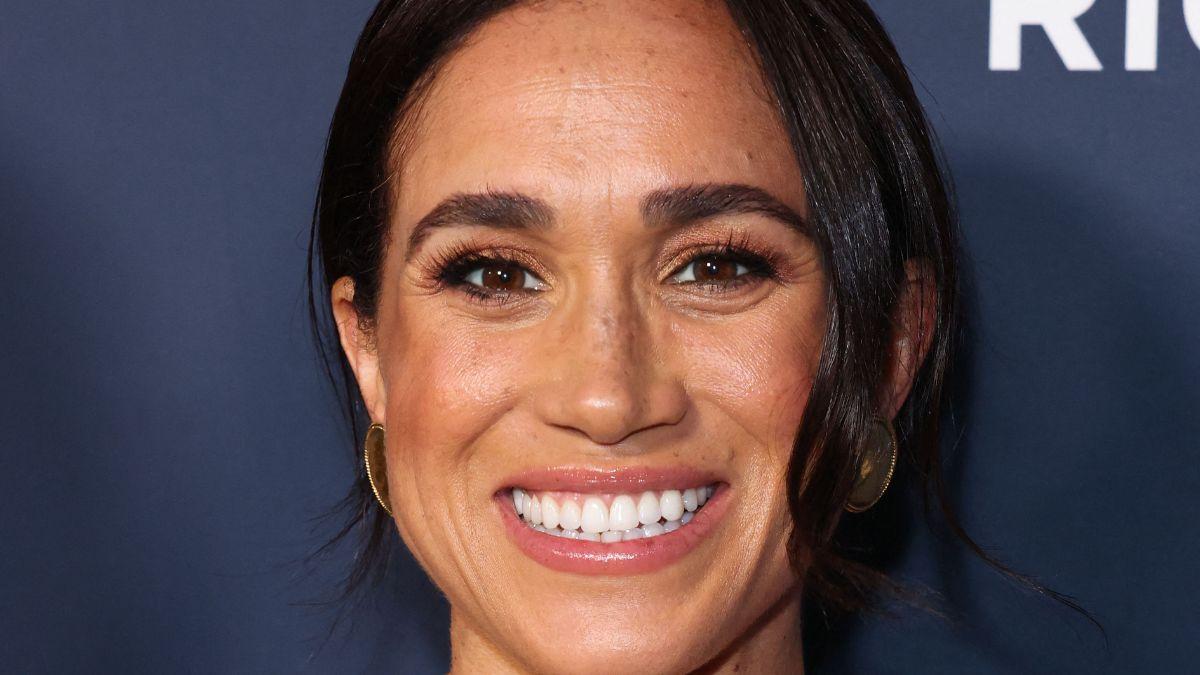
The Future of the Monarchy – 'It is Not Static

Never Miss an

Daily updates from the heart of Hollywood, right to your inbox
By entering your email and clicking Sign Up, you’re agreeing to let us send you customized marketing messages about us and our advertising partners. You are also agreeing to our Terms of Service and Privacy Policy.
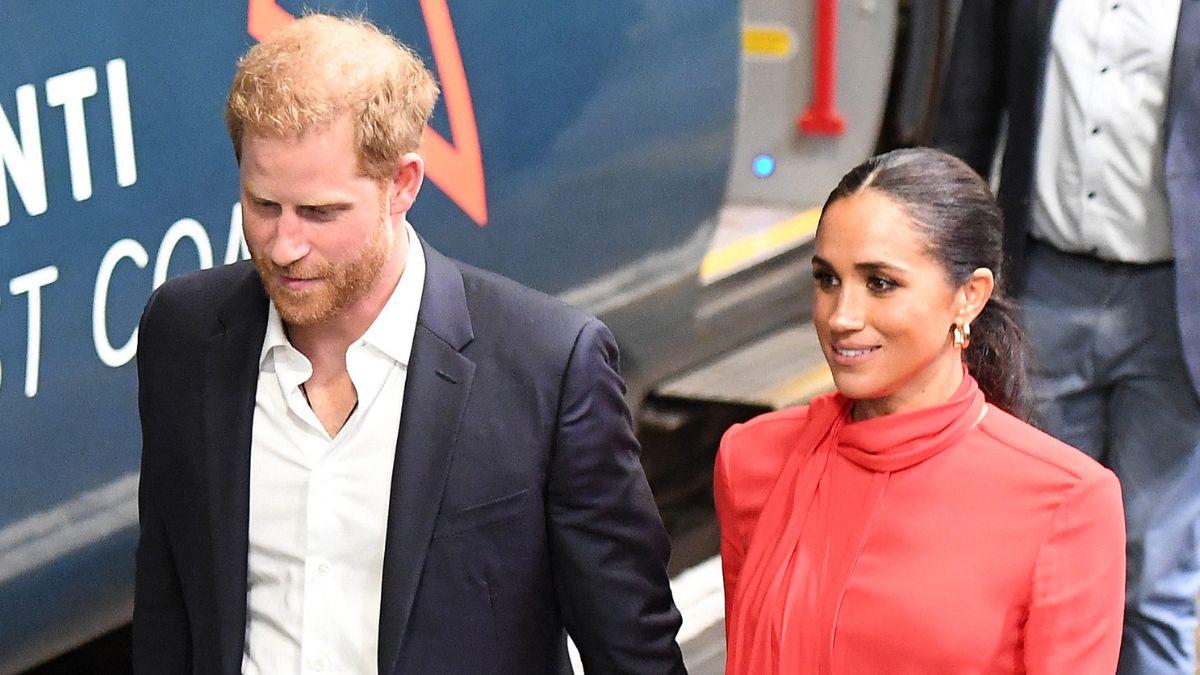
The Sussexes have dissolved traditional barriers through informal and direct conversations.
The tension is heightened by lingering fallout from Harry's memoir Spare and his and Meghan's televised interview with Oprah Winfrey in 2021, both of which aired grievances about royal life.
Yet one palace source insisted: "Even some of Harry and Meghan's detractors admit that when they are out meeting the public, there is a fluency to it. They appear comfortable improvising, laughing, crouching down to speak to children, or lingering in conversations rather than moving briskly along a line. That blend of star power and approachability gives their appearances a distinctly modern texture – less pageantry, more personality.
"And people need to remember the monarchy is not static – it has always adapted, albeit slowly."
The source noted: "The unresolved question is whether that adaptation can accommodate figures like Harry and Meghan who function outside traditional palace frameworks yet still command international headlines for charitable causes. If evolution is the goal, then the debate becomes whether difference is a liability or an asset in shaping the institution's next chapter."
