


$750K Epstein Payout Fraud Exposed: Woman Admits Doctoring Victim Fund Letter — Then Lying to FBI

More victims of Jeffery Epstein come out.
Sept. 17 2026, Published 6:20 p.m. ET


A woman has admitted to doctoring a rejection letter from the Jeffrey Epstein Victims' Compensation Program – a fund created by the late financier's estate in 2020 to compensate people who said they had been sexually abused by him – to make it appear she had been approved for a payout, before using the fake document to obtain roughly $750,000 from a separate victims' fund, RadarOnline.com can reveal.
According to court documents obtained by Radar, Jennifer Pollack Percival pleaded guilty to one count of wire fraud during a September 14 hearing in Manhattan federal court, where she detailed the scheme under oath.
Epstein Fund Rejected Her Claim

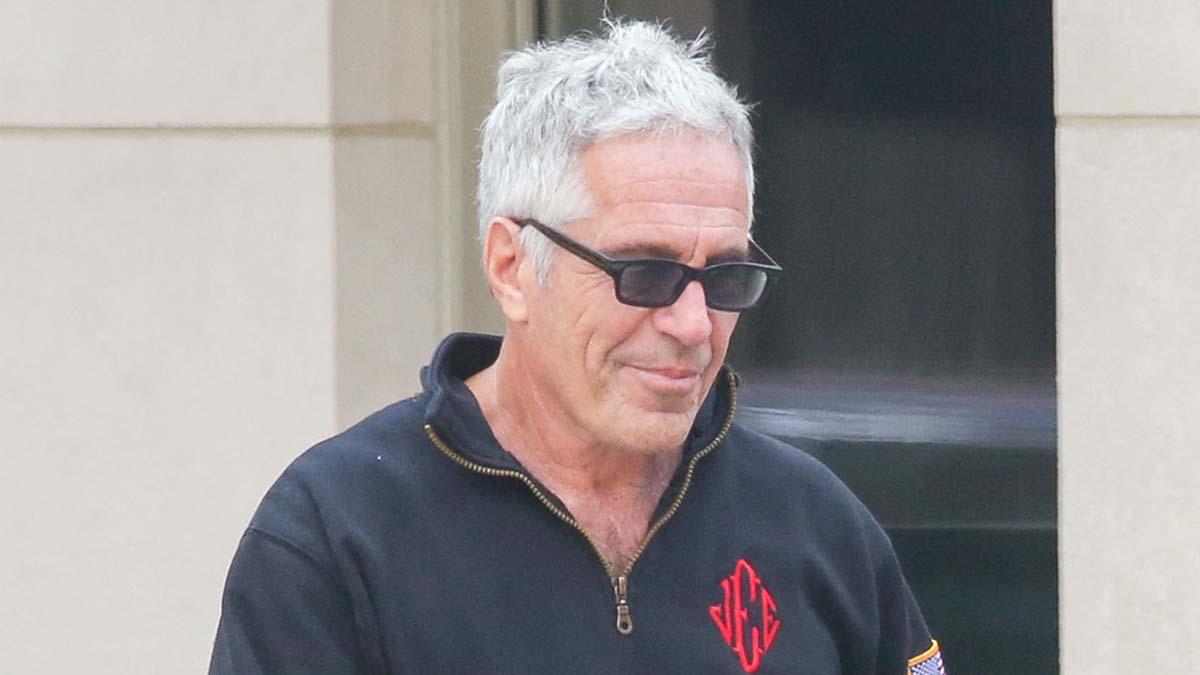
Epstein is believed to have abused hundreds of minor girls.
Percival told Magistrate Judge Ona T. Wang she began applying to the Epstein Victims' Compensation Program in December 2020. But following a review and interview, the program informed her in March 2021 that she was not eligible to receive any payment.
Percival admitted that when she later sought compensation from a fund arising from Jane Doe v. JPMorgan Chase Bank, she submitted an altered version of that rejection letter.
The doctored document falsely stated that the Epstein compensation program had found her eligible for money. Percival also admitted telling the JPMorgan victims' fund that the Epstein program had already paid her approximately $500,000. She told the court: "The purpose of these actions was to obtain money, which gave me a sense of validation."
FBI Confronted Her With Real Letter
Percival admitted FBI agents voluntarily interviewed her in November 2025.
Based on those misrepresentations, Percival said the JPMorgan fund wired her approximately $750,000 on May 20, 2024. The scheme did not end with the payout.
Percival admitted FBI agents voluntarily interviewed her in November 2025, during which she again claimed the Epstein fund had approved her and paid her $500,000.
When investigators confronted her with the genuine letter showing she had actually been rejected, Percival admitted she falsely claimed she had successfully appealed the decision and later become eligible for compensation.
'Altered and Fabricated Emails'
Percival admitted fabricated emails were later submitted to prosecutors.
She further acknowledged that while seeking to persuade federal prosecutors to defer prosecution over the JPMorgan fraud, she caused her then-attorney to submit "altered and fabricated emails."
Percival told the judge: "I know that my actions were wrongful, and I accept full responsibility."
Prosecutors said evidence they could have presented at trial included Percival's bank records, search-warrant returns from her email account, and testimony from the administrator of the two settlement funds.

Decades Behind Bars?

Never Miss an

Daily updates from the heart of Hollywood, right to your inbox
By entering your email and clicking Sign Up, you’re agreeing to let us send you customized marketing messages about us and our advertising partners. You are also agreeing to our Terms of Service and Privacy Policy.

Two women accused Epstein of having disturbing content of them as children.
Percival's plea agreement calculates an anticipated federal sentencing-guidelines range of 37 to 46 months behind bars, although the sentencing judge is not bound by that calculation. She faces a statutory maximum of 20 years in prison.
The judge found Percival competent, concluded her plea was voluntary and supported by a factual basis, and recommended that District Judge Mary Kay Vyskocil accept it. No sentencing date had been set at the hearing.
Percival was released under conditions including a $50,000 bond, restricted travel, and surrender of her passport.
