


EXCLUSIVE INVESTIGATION: Deadly Hantavirus Lockdown is Here — As 3.3 Million Are Infected in Outbreak More Contagious Than Covid

The global hantavirus outbreak could be deadlier than COVID-19

May 22 2026, Published 5:20 p.m. ET


The deadly hantavirus outbreak continues to race across the globe, RadarOnline.com can reveal, even after killing three cruise ship travelers.
Now experts fear a new pandemic is on the verge of exploding and thrusting the world into another hellish lockdown, just six years after COVID-19 threatened the human race.
Worldwide Deadly Disease

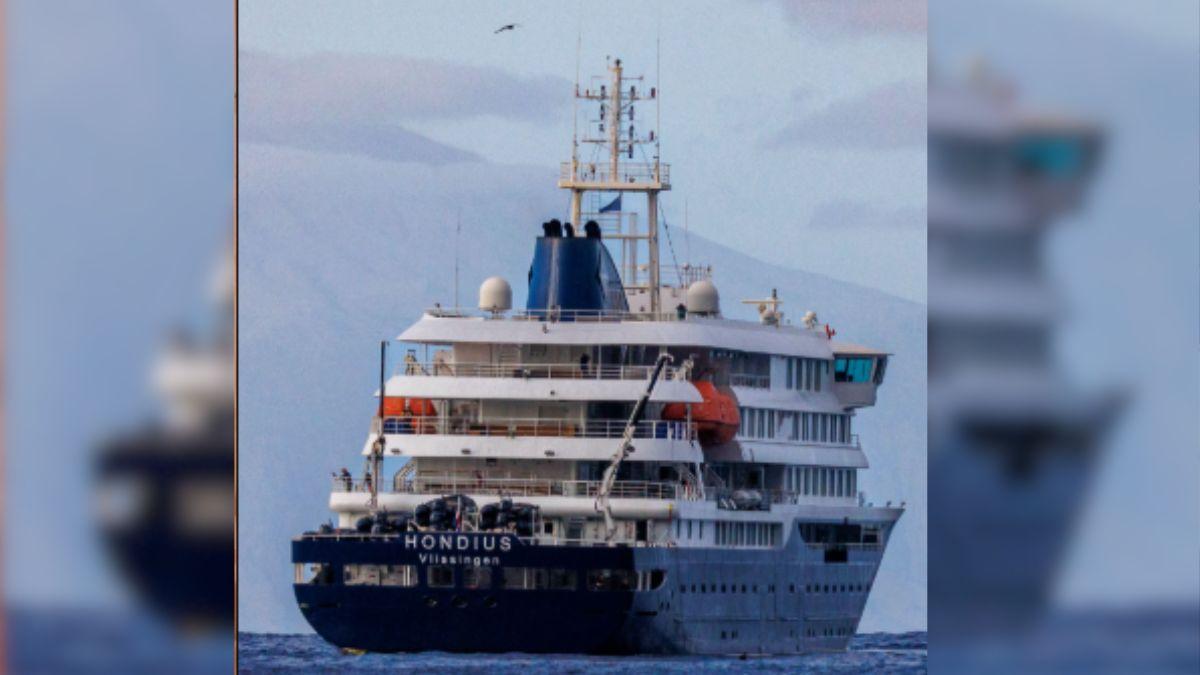
At least three people have died after the hantavirus spread on the The MV Hondius.
Nations remain on high alert after multiple passengers from homes around the world became infected with the incurable bug aboard the MV Hondius, which carried nearly 150 passengers. Three of them died, while others have been quarantined as a precaution.
"There's no obvious treatment other than letting the human body fight it off – and we don’t know how effective that can be on an individual basis," cautions New York–based internist Dr. Stuart Fischer. "It’s like a volcano. It erupts suddenly and dramatically – and can be frightening."
The deadly disease has infected roughly 3.3 million people since 1993, and could be more contagious than COVID-19.
The bug typically kills humans by causing severe respiratory failure. Symptoms like fatigue, fever, vomiting, diarrhea, muscle and joint pain, and shortness of breath can develop up to eight weeks after contact with contaminated rodents or their urine, feces, and saliva.
Even worse, authorities say, the virus can become deadly long before the infected realize they're sick.
More Cases Could Be Coming
It is still not clear where this strand of hantavirus originated.
While it does not transfer easily between humans, an official with the Netherlands' National Institute for Public Health and the Environment, which is assisting with the cruise ship outbreak, said this source remains unclear.
"You could imagine, for example, that rats on board the ship transmitted the virus," he said. "But another possibility is that during a stop somewhere in South America, people were infected, for instance via mice, and became ill that way."
Tedros Adhanom Ghebreyesus, director general of WHO, admits, "Given the long incubation period of the virus, it's possible we might see more cases in the coming weeks."
Health officials recommend cleaning and disinfecting your home.
Officials with the Centers for Disease Control and Prevention say there are steps everyone can take to protect themselves from contamination.
Keep food in rodent-proof containers to avoid attracting pests – and prevent contamination – and seal any gaps or holes inside and outside of your home. If you detect rats in your residence, use traps or poison baits to eradicate them.
Clean up urine, droppings, and nesting material while wearing protective gear to prevent inhaling dried organic material, and disinfect any areas where rodents were located.
Fischer, who points out many members of the public no longer trust federal and local agencies about infectious diseases after the horrors of COVID, advises, "The primary thing to do is prevent spread." Chillingly, Fischer predicts, "This could be the next plague."


First-Hand Account of the Disease

Never Miss an

Daily updates from the heart of Hollywood, right to your inbox
By entering your email and clicking Sign Up, you’re agreeing to let us send you customized marketing messages about us and our advertising partners. You are also agreeing to our Terms of Service and Privacy Policy.
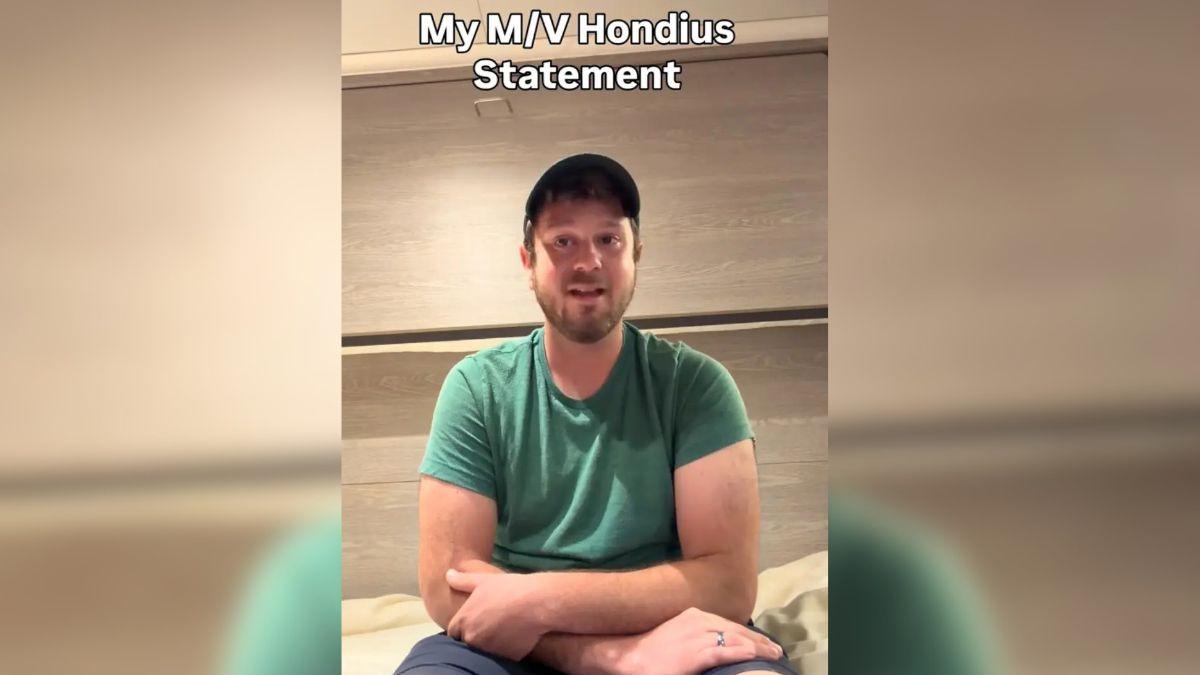
Travel Vlogger Jake Rosmarin provided updates from the ship.
The World Health Organization has emphasized the risk to the wider public is low and has stressed there is no need for panic or travel restrictions, but try telling that to the people on board the cruise ship.
One of the Americans on board, travel blogger Jake Rosmarin, posted a scary first-hand account of the chaos from inside his quarantined stateroom.
"I didn't think anything was wrong until we found out that it was hantavirus, and that's when I was scared."
Rosmarin, who is in the middle of a proposed 42-day quarantine, added during the ordeal: "We're not just headlines: we're people with families, with lives, with people waiting for us at home. There is a lot of uncertainty, and that is the hardest part."
