


Cruise From Hell: Deadly Hantavirus Spreads to Europe as MV Hondius Passenger Tests Positive After Leaving Ship

At least three people have died after the hantavirus spread on the The MV Hondius.

May 6 2026, Published 1:51 p.m. ET


A deadly cruise ship outbreak of the hantavirus has gone global, RadarOnline.com can report, after a European man who was on the MV Hondius tested positive for a rare strain of the disease.
The Swiss traveler sought medical care after developing symptoms and was immediately placed in isolation, though officials maintain the threat to the general public remains low.
Another Illness Reported


Passengers have been quarantined and cannot visit the dining hall.
The Hondius remains stranded at sea with nearly 150 people on board, after the luxury line was refused permission to dock in the West African island nation of Cape Verde.
The Swiss man, who had voyaged on the ship with his wife last month, became ill after returning home. Hantavirus can lie dormant for up to eight weeks.
The man tested positive back home for the Andes strain, a rare form of hantavirus that can spread between humans through close contact. His wife has self-isolated as a precaution.
Typically, hantavirus is linked to exposure to rodent droppings, as was the fatal case with Gene Hackman's wife, Betsy Arakawa.
Ship Stranded at Sea

The ship has been stranded in West African waters.
The MV Hondius is carrying passengers from 23 different countries, including 17 Americans, and was on a 35-day polar cruise from Argentina to Antarctica when the sickness spread.
Three people have died, and at least five others have become sick from the virus.
Spain has stepped up and agreed to house the vessel in the Canary Islands, but that area's regional leader, Fernando Clavijo, was incensed by that order.
"I cannot allow it to enter the Canary Islands," he told a local media outlet. "Neither the populace nor the government of the Canary Islands can rest assured because it is clear that the danger to the population is real."
How Hantavirus Is Spread
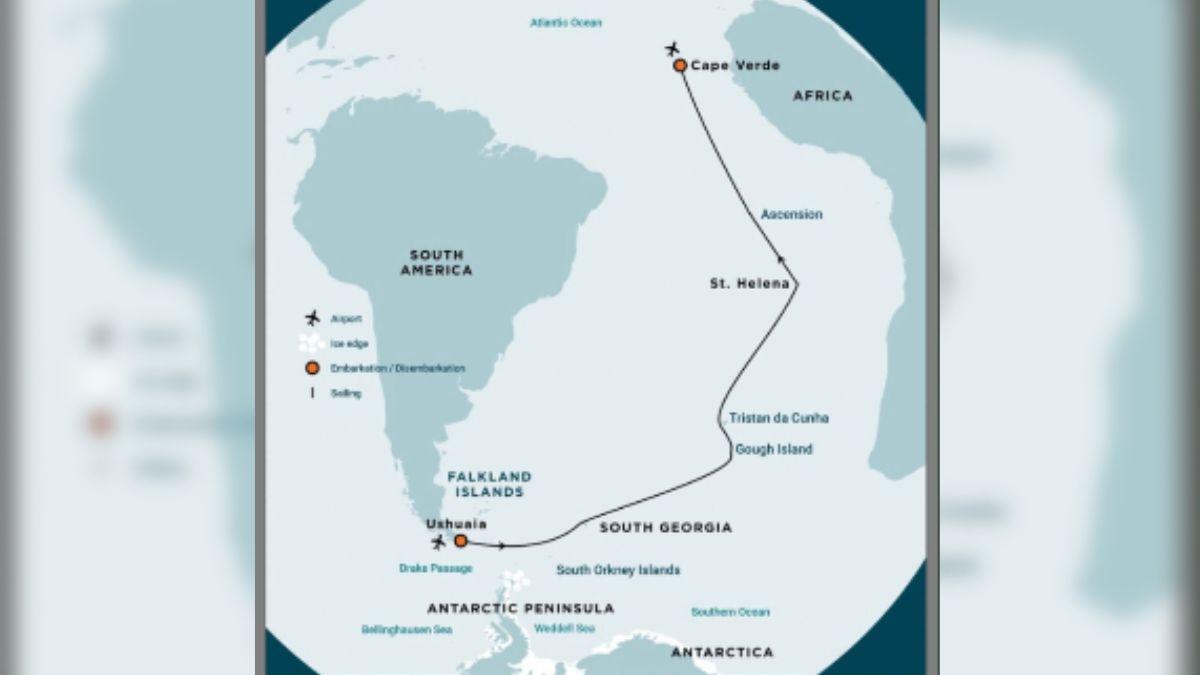
It was nearing the end of its 35-day journey.
Hantavirus, which can cause fatal respiratory illness, can be spread when particles from rodent droppings or urine become airborne. It does not transfer easily between humans.
The virus usually begins with flu-like symptoms, such as fatigue and fever, but an official with the Netherlands' National Institute for Public Health and the Environment, which is assisting with the outbreak, said its source was unclear.
"You could imagine, for example, that rats on board the ship transmitted the virus," he said. "But another possibility is that during a stop somewhere in South America, people were infected, for instance via mice, and became ill that way."


First-Hand Fear

Never Miss an

Daily updates from the heart of Hollywood, right to your inbox
By entering your email and clicking Sign Up, you’re agreeing to let us send you customized marketing messages about us and our advertising partners. You are also agreeing to our Terms of Service and Privacy Policy.

Travel Vlogger Jake Rosmarin provided updates from the ship.
There are no specific drugs to cure the illness, so treatment focuses on supportive care, including putting patients on ventilators in severe cases.
The World Health Organization said the risk to the wider public was low, and there was no need for panic or travel restrictions, but Cape Verde authorities said they are not allowing the ship to dock as a "precaution."
One of the Americans on board, travel blogger Jake Rosmarin, posted a scary first-hand account of the chaos from inside his quarantined stateroom.
"We're not just headlines: we're people with families, with lives, with people waiting for us at home," he said in a tearful social media message. "There is a lot of uncertainty, and that is the hardest part."
