


EXCLUSIVE: Here Come the Bridesmaids! Radar Reveals Secrets of Now-Iconic Wedding Comedy Smash As It Turns 15

'Bridesmaids' has marked 15 years as new secrets emerge about the iconic comedy smash hit.

May 25 2026, Published 12:00 p.m. ET


Never mind the bride – Bridesmaids proved it was the bridesmaids themselves who could steal the spotlight, acting like full-blown "bridezillas" and unleashing a wave of outrageous, laugh-out-loud chaos in the 2011 comedy hit, RadarOnline.com can reveal.
Written by longtime friends Annie Mumolo and Kristen Wiig and directed by Paul Feig, the film follows Annie (Wiig), a down-on-her-luck single woman whose bakery has failed and who now works a dead-end job at a jewelry store.
Bridesmaids Changed Comedy Forever


Paul Feig said directing 'Bridesmaids' revived his Hollywood career after a series of failed film projects.
When her best friend Lillian (Maya Rudolph) gets engaged, Annie is asked to serve as maid of honor – a role that quickly spirals into stress, rivalry and comic disaster.
The bridal party is packed with unforgettable personalities: Lillian's blunt cousin Rita (Wendi McLendon-Covey), sweet but naive Becca (Ellie Kemper), free-spirited Megan (Melissa McCarthy), and the seemingly perfect, competitive Helen (Rose Byrne).
Supporting players include Chris O'Dowd, Jon Hamm, Rebel Wilson and Terry Crews, among others, adding to the film's rich comedic ensemble.
Behind the scenes, Bridesmaids marked a turning point for director Paul Feig. After a string of failed film projects, he found himself at a career low. He later admitted he feared this movie might be his last shot in Hollywood. Instead, it became a massive success and revived his career in a major way.
Even the film's title was a challenge. Wiig has joked that finding the right name wasn't easy, with several ideas tossed around before settling on Bridesmaids. The process reflected the uncertainty surrounding the project at the time, which ultimately paid off in a big way.
Food Poisoning Scene Became Iconic
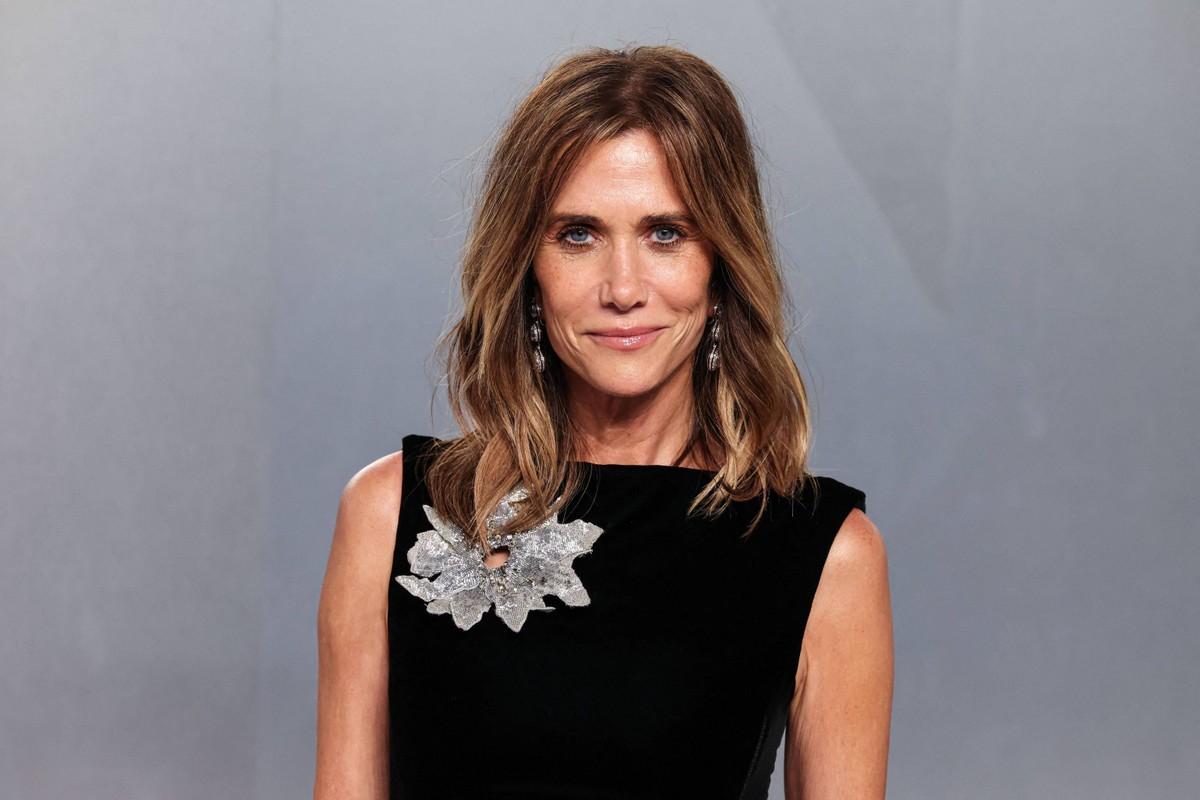
Kristen Wiig revealed the infamous food poisoning scene in 'Bridesmaids' was added despite her initial hesitation.
One of the film's most infamous scenes – the food poisoning disaster involving explosive vomiting and diarrhea – wasn't originally part of the script.
Wiig herself admitted she wasn't a fan of the idea, but it was strongly encouraged during development. Despite her hesitation, the scene became one of the movie's most talked-about and memorable moments.
McCarthy's scene-stealing performance as Megan was inspired in an unexpected way.
She revealed she initially based aspects of the character on celebrity chef Guy Fieri, even pitching costume and hairstyle ideas before being gently steered away from going too far. Her bold, eccentric portrayal ultimately earned her an Academy Award nomination.
The film also carries a bittersweet note. It was the final movie appearance of actress Jill Clayburgh, who passed away before the film's release.
Cast and crew members spoke warmly of her kindness and professionalism, noting how much her presence meant to the production.
'Bridesmaids' Redefined Female Comedy Films


Never Miss an

Daily updates from the heart of Hollywood, right to your inbox
By entering your email and clicking Sign Up, you’re agreeing to let us send you customized marketing messages about us and our advertising partners. You are also agreeing to our Terms of Service and Privacy Policy.
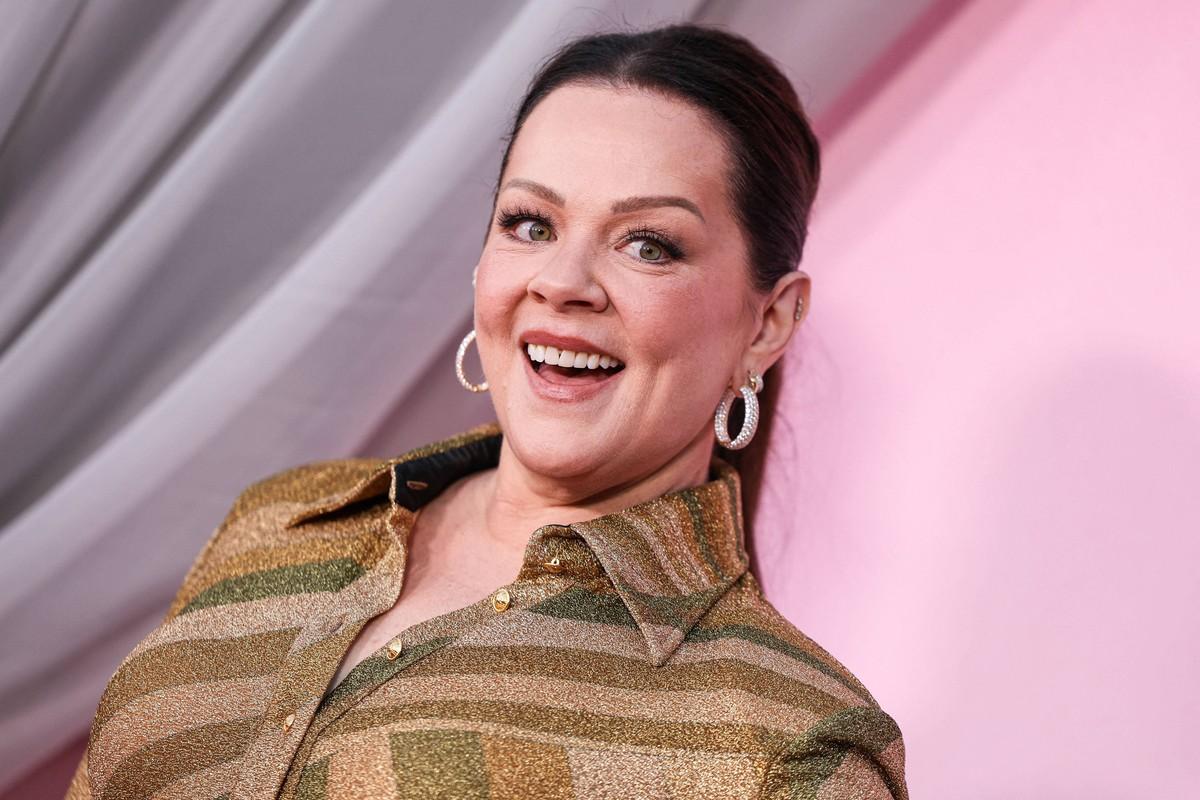
Melissa McCarthy said her Oscar-nominated 'Bridesmaids' character Megan, was partly inspired by Guy Fieri.
Improvisation played a major role in shaping the film's humor.
Much of the dialogue evolved organically on set, with actors encouraged to experiment and build on the script. This freedom helped create the natural, chaotic energy that defines the movie.
Originally, the bachelorette party was set to take place in Las Vegas, but the idea was dropped to avoid comparisons to The Hangover. Instead, the filmmakers carved out their own comedic identity – one that focused on female friendships and messy, relatable life struggles.
With a budget of $32.5million, Bridesmaids became a box office smash, earning nearly $300 million worldwide. It also scored two Oscar nominations, including Best Supporting Actress for McCarthy and Best Original Screenplay for Wiig and Mumolo.
In the end, Bridesmaids wasn't just a comedy – it was a game-changing film that redefined what female-led comedies could achieve, both critically and commercially.
