


Alex Murdaugh's Attorneys Demand New DNA and Ballistics Evidence Ahead of 2027 Murder Retrial

Alex Murdaugh is preparing for a 2027 retrial as his attorneys seek additional DNA and ballistics evidence.

Sept. 19 2026, Published 5:55 p.m. ET


Alex Murdaugh's attorneys are demanding additional DNA and ballistics evidence as they prepare to retry him for the 2021 killings of his wife, Maggie Murdaugh, and son, Paul Murdaugh, RadarOnline.com can reveal.
The defense is also seeking raw data from a 3D scan of the crime scene, arguing the materials could be important as the case heads toward a second trial in April 2027.
Defense Seeks More DNA Testing

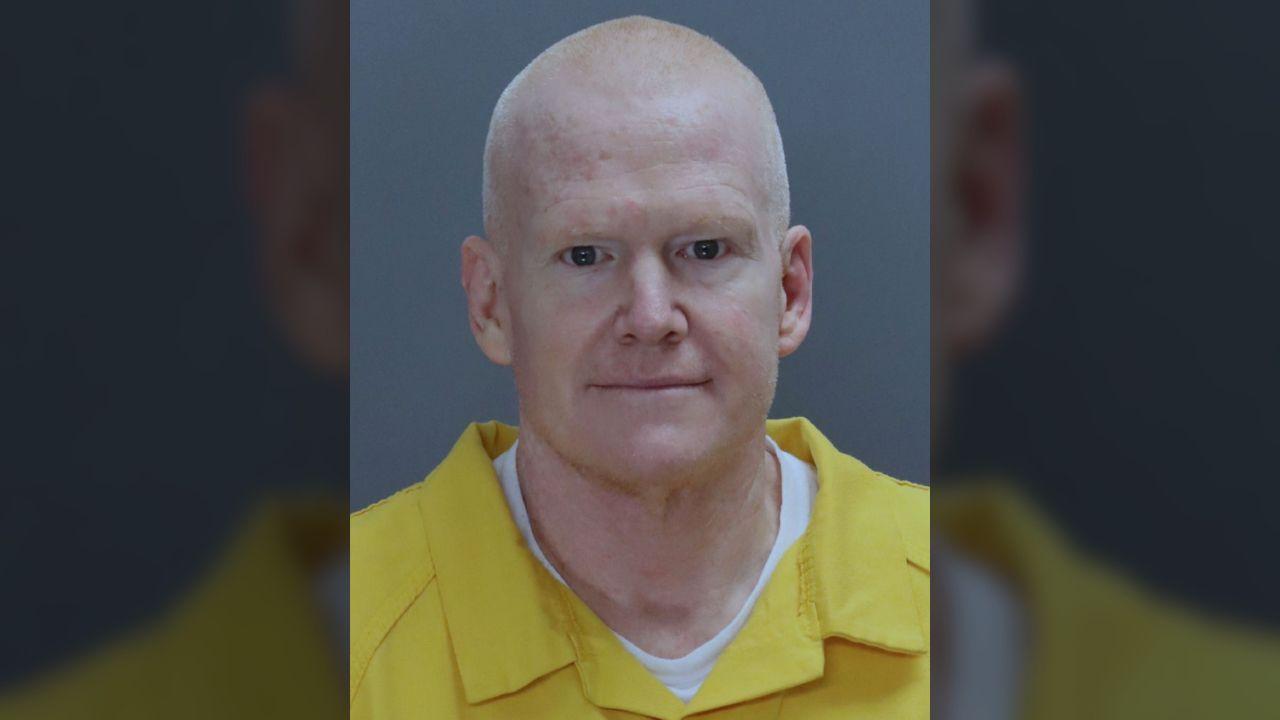
Alex Murdaugh's defense team wants additional testing of DNA recovered from Maggie Murdaugh's fingernail clippings.
Alex's attorneys filed a motion on September 18 asking Judge Debra McCaslin to compel prosecutors to provide additional forensic evidence, according to FITSNews.
The filing focuses in part on DNA recovered from Maggie's fingernail clippings and swabs taken from her cellphone.
The defense previously obtained permission to send the fingernail evidence to independent laboratory Othram for an initial assessment.
According to the motion, Othram examined four samples and detected small amounts of Y-chromosome material in extracts previously analyzed by the South Carolina Law Enforcement Division [SLED].
The defense argues SLED's underlying 2021 worksheet raises questions about how the results were interpreted.
Attorneys pointed to differences between samples from Maggie's left and right hands and are asking to continue testing before the remaining biological material is exhausted.
Prosecutors have pushed back on additional testing.
In a September 17 letter attached to the motion, senior assistant deputy attorney general Creighton Waters said Othram found "extremely low" levels of male DNA in the previously tested extracts and none detectable in the reserve samples.
Creighton also referenced an Othram scientist's warning that additional testing would be "high risk" and might not produce usable results.
Lawyers Challenge .300 Blackout Evidence
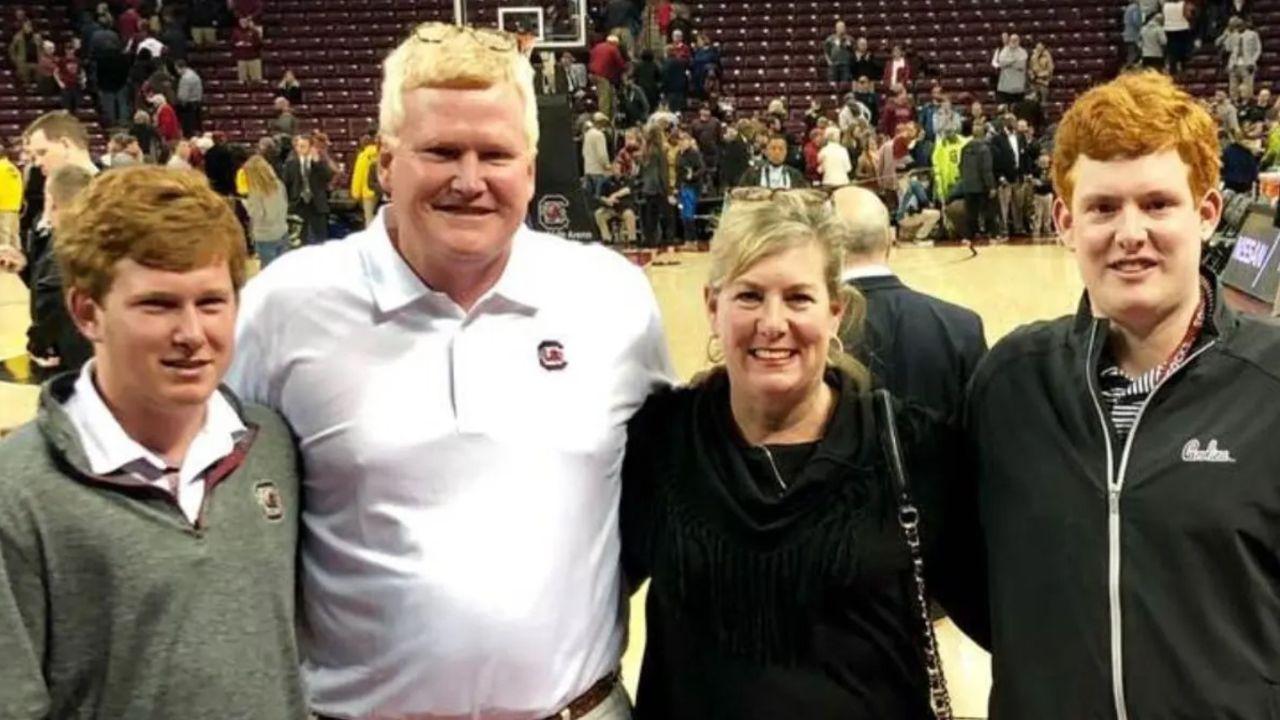
Attorneys for Alex Murdaugh are also seeking additional records involving .300 Blackout ammunition.
The defense is also seeking additional records involving .300 Blackout ammunition.
Investigators recovered six .300 Blackout cartridge cases near Maggie's body, while the firearm believed by prosecutors to have been used in the killings has never been recovered.
During Alex's first trial, SLED agent Jeff Croft testified that .300 Blackout weapons were "just not that common" and that he had never handled a murder investigation involving one.
But Creighton's letter said SLED's ballistic imaging system has recorded 720 .300 Blackout cartridge cases since January 2021, including evidence from the Murdaugh investigation.
Creighton wrote that SLED receives such cartridge cases "weekly, if not daily."
Alex's attorneys want records showing what SLED knew about the ammunition when Jeff gave his testimony.
Defense Wants Evidence From Other Shootings
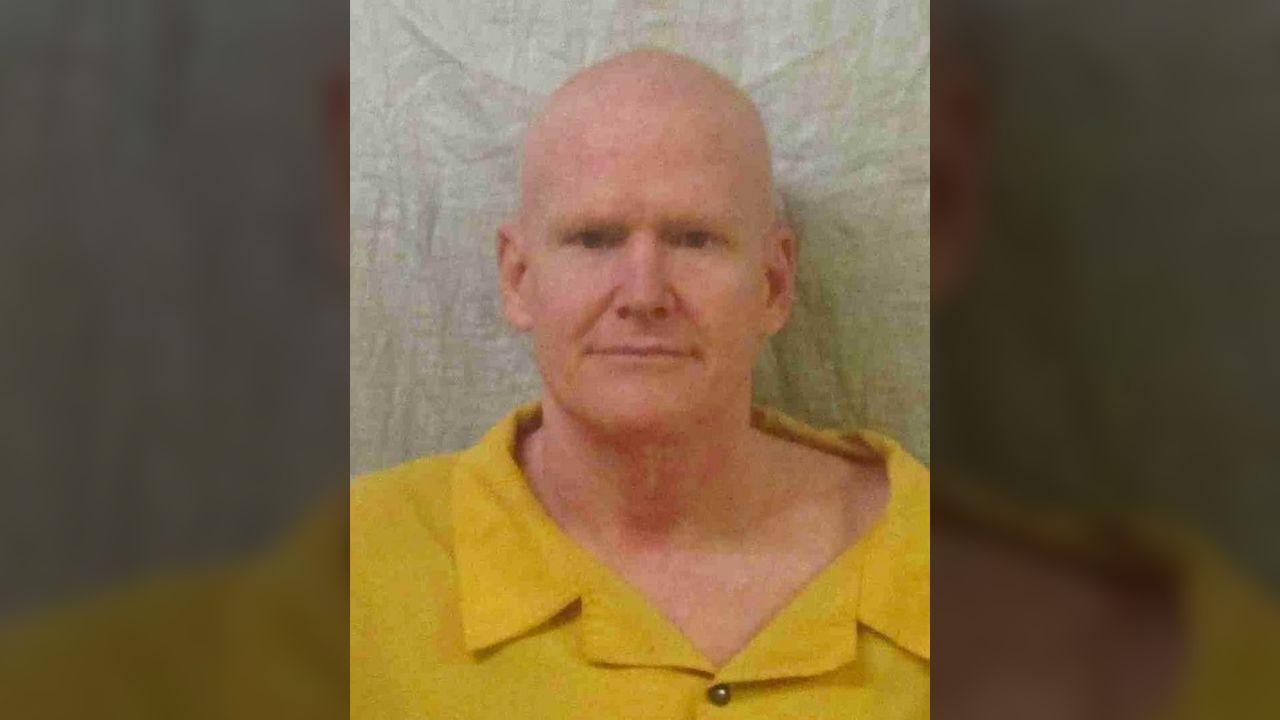
Alex Murdaugh's defense wants access to evidence from other shootings to compare with cartridge cases recovered at Moselle.
The defense is also asking for access to cartridge cases connected to the April 2026 killing of Frank Alexander Brown III in Allendale County, as well as evidence from two other Allendale shootings.
Attorneys want their firearms examiner to compare the evidence with the cartridge cases recovered at the Moselle estate.
Prosecutors, however, oppose releasing evidence from the ongoing investigations, citing chain-of-custody concerns and the lack of a database connection to the Murdaugh case.
Creighton said SLED's database has not produced a lead connecting the other evidence to the Moselle killings.
No ballistic connection between Frank's death, the other Allendale shootings, and the Murdaugh murders has been established.
Lawyers Demand Raw Crime Scene Scan

Never Miss an

Daily updates from the heart of Hollywood, right to your inbox
By entering your email and clicking Sign Up, you’re agreeing to let us send you customized marketing messages about us and our advertising partners. You are also agreeing to our Terms of Service and Privacy Policy.
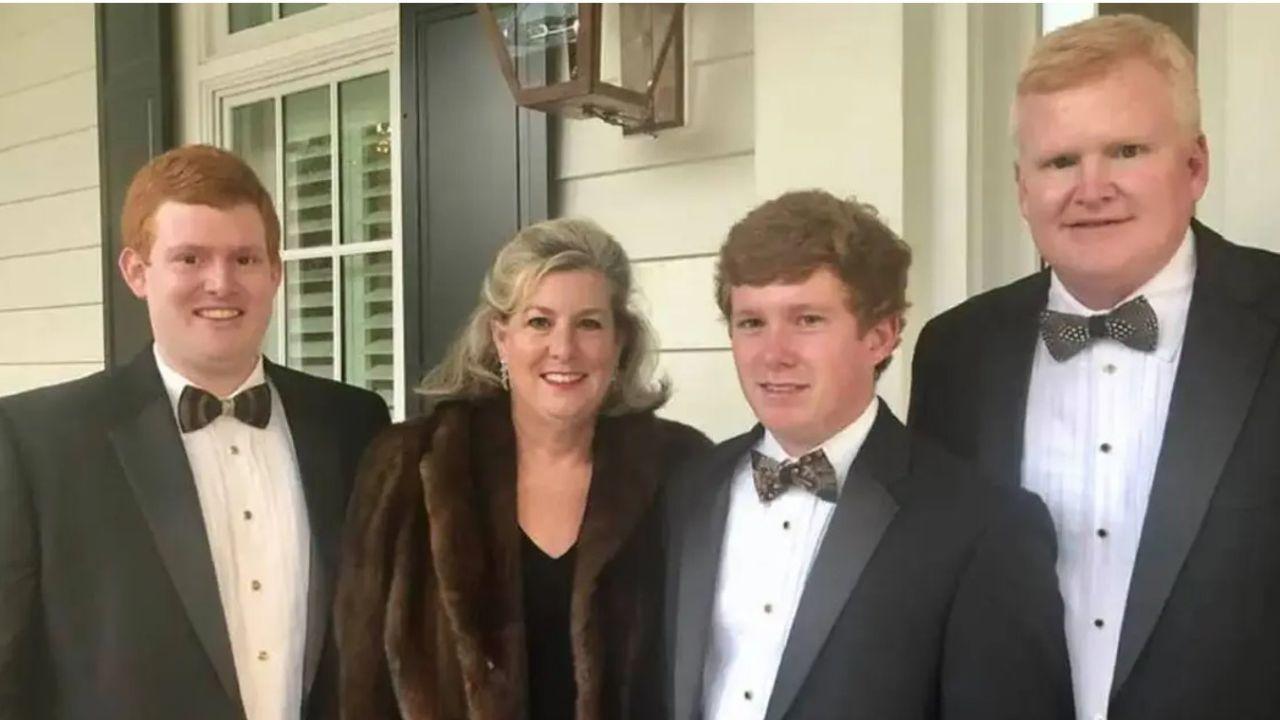
Alex Murdaugh's lawyers are demanding the original files from a 3D scan of the crime scene near the family dog kennels.
Alex's team is additionally seeking the original files from a FARO 3D scan of the crime scene near the family's dog kennels.
The attorneys say they received a version they can view, but not the underlying files their reconstruction experts need to analyze and measure the scene independently.
The defense said it asked Creighton on September 15 whether the native files still exist but had not received an answer when the motion was filed.
Because the kennel area has since been demolished, Alex's attorneys argued the original scan data cannot simply be recreated.
They are asking Debra to order prosecutors to provide the native files or explain in writing if they were lost or destroyed.
The defense has requested that the evidence be produced within 10 days of the judge's ruling.
