


Wall Street Giants 'Let Epstein Move $1.1Billion Through 4,725 Wire Transfers' Without a Red Flag — Senate Report Names Billionaire Who Allegedly Bankrolled Predator

A Senate investigation raised fresh questions about how Wall Street banks handled Jeffrey Epstein's billions in financial transactions.

Aug. 10 2026, Published 12:54 p.m. ET


Wall Street's biggest banks allegedly allowed Jeffrey Epstein to move vast sums of money through their systems for years, RadarOnline.com can reveal.
A new Senate Finance Committee investigation is now putting Deutsche Bank, JPMorgan Chase, and Bank of America under the microscope over what investigators say were major failures to identify and report suspicious transactions linked to the disgraced financier.
Banks Allegedly Flagged Transactions Too Late


A Senate report claimed three major banks waited until after Jeffrey Epstein's 2019 arrest to flag thousands of questionable transactions.
Senator Ron Wyden and investigators with the Senate Finance Committee spent years examining financial transactions they say helped fund Epstein's s-- trafficking operation.
According to the report, Deutsche Bank, JPMorgan, and Bank of America did not "retroactively" flag "thousands of questionable transactions" until 2019 — after Epstein had been arrested on federal s-- trafficking charges.
The transactions involved more than $1.4billion moving into and out of Epstein's accounts over nearly two decades, according to investigators.
The findings have raised questions about why the activity was not identified and reported sooner.
Deutsche Bank later flagged approximately $250million in suspicious wire transfers, including payments to women in Russia and other parts of Eastern Europe, according to the report.
Billionaire Leon Black Was Jeffrey Epstein's Biggest Contributer
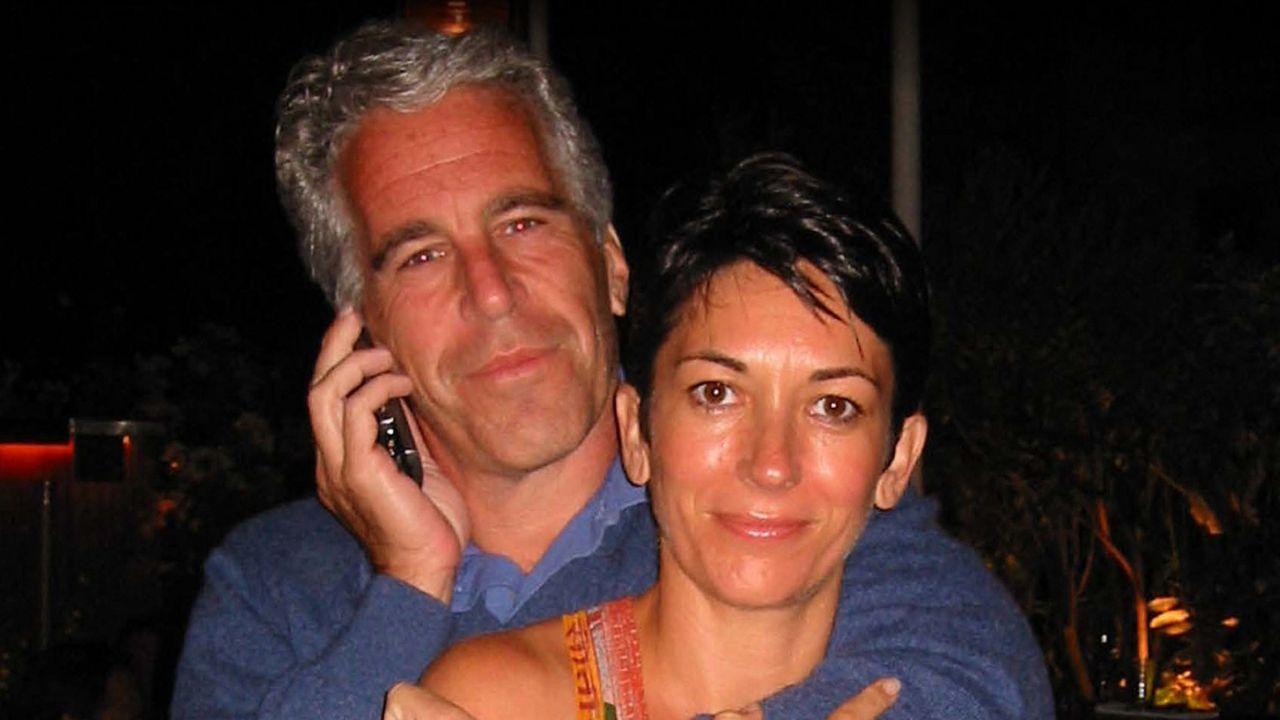
Leon Black was identified as Jeffrey Epstein's largest source of funding.
The Senate investigation also zeroed in on billionaire Leon Black, the former Apollo Global Management CEO whose financial relationship with Epstein has previously faced scrutiny.
According to Wyden's report, Bank of America did not screen and report approximately $170million in payments from Black to Epstein until 2020.
"Black was Epstein's single largest source of funding," the report stated.
Wyden's investigators calculated that approximately 90% of Epstein's income over five years came from Black.
Black's attorney, Susan Estrich, fiercely disputed the findings.
"Senator Wyden's assertions are outrageous and false," Estrich said, calling the report's findings "completely baseless."
JPMorgan Accused Of Helping Jeffrey Epstein Conceal Cash

JPMorgan Chase retroactively flagged 4,725 wire transfers totaling nearly $1.1billion after closing Jeffrey Epstein's accounts.
The Senate investigation also takes aim at JPMorgan Chase, alleging the bank failed to properly identify and report Epstein's financial activity even after maintaining a relationship with him for years.
On September 26, 2019 — six years after JPMorgan had closed Epstein's accounts — the bank retroactively flagged 4,725 wire transfers totaling nearly $1.1billion that had flowed in and out of his accounts, according to the report.
Wyden's report further claims JPMorgan "likely violated" federal anti-money laundering laws by under-reporting Epstein's activity.
Investigators also accused bank executives of coaching "Epstein on how to withdraw cash through shell companies instead of his personal accounts" and helping "conceal information."
JPMorgan has strongly denied the allegations.
A spokesperson said the bank "strongly disagree[s] with the report's conclusions, which are based on many false claims contradicted by easily-found public information," per Axios.
The spokesperson added that JPMorgan "began flagging suspicious transactions for the government as early as 2002" and "acted appropriately on what we knew, when we knew it, as the law requires."
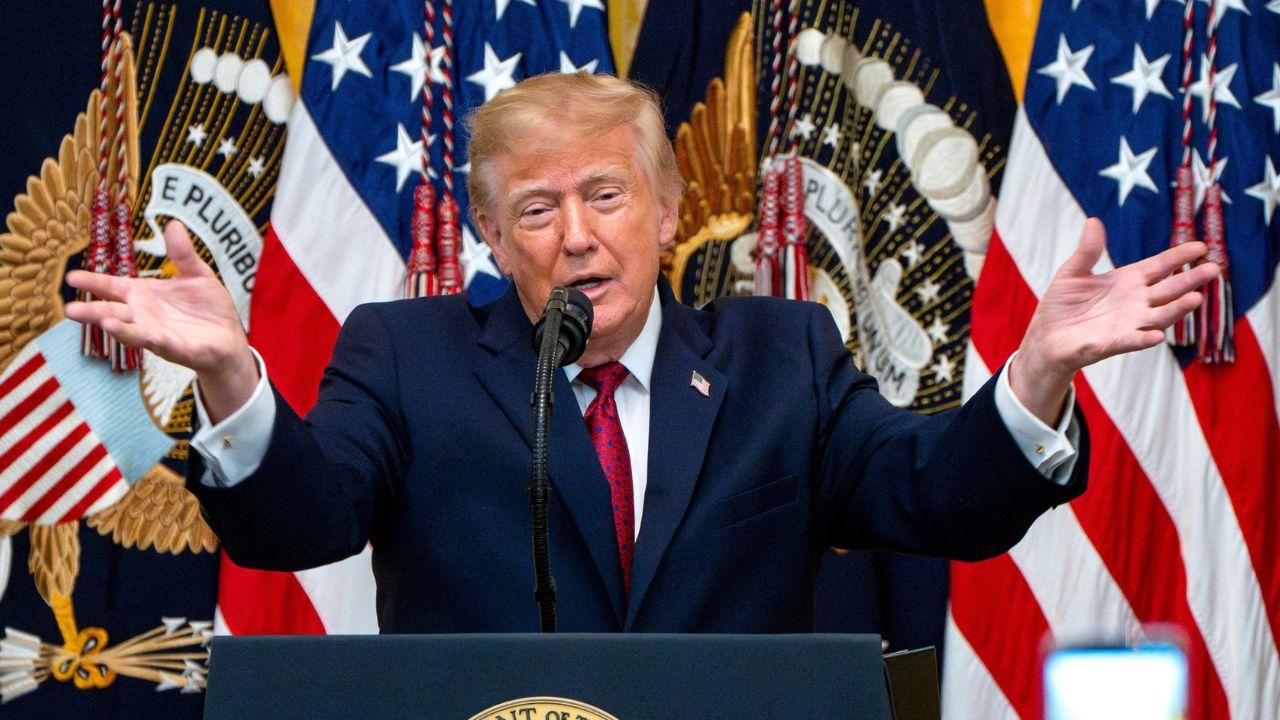
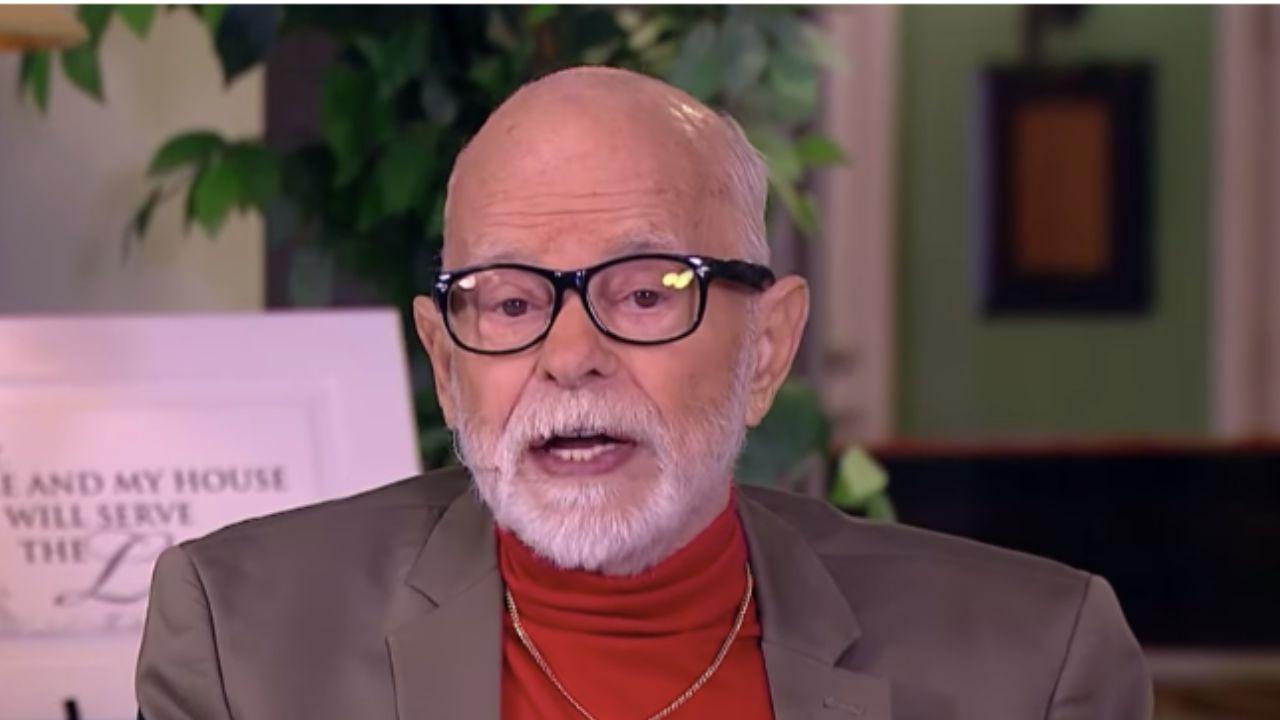
Banks Deny Facilitating Epstein's Crimes

Never Miss an

Daily updates from the heart of Hollywood, right to your inbox
By entering your email and clicking Sign Up, you’re agreeing to let us send you customized marketing messages about us and our advertising partners. You are also agreeing to our Terms of Service and Privacy Policy.

Deutsche Bank and Bank of America also pushed back against allegations.
Bank of America also pushed back against the Senate investigation, with a spokesperson stating: "We take our legal and regulatory obligations seriously and, as we have previously said, the bank did not facilitate wrongdoing."
Deutsche Bank acknowledged its troubled history with Epstein while pointing to changes made since then.
In a statement, the bank said it "regrets its past with Epstein" and has "been transparent in addressing deficiencies and investing in strengthening our control environment in parallel."
