


EXCLUSIVE: Virginia Giuffre Sex Shock — How Trafficking Victim 'Dressed Like Britney Spears and Christina Aguilera' to Please Her Abusers

Virginia Giuffre claimed her pop-star looks were chosen to please her abusers during alleged trafficking.
Dec. 30 2025, Updated 7:32 p.m. ET


Virginia Giuffre dressed like pop stars to please her pimps Jeffrey Epstein and Ghislaine Maxwell's "clients," RadarOnline.com can reveal.
The sex trafficking survivor, who took her life earlier this year aged 41 and whose allegations helped bring down one of the British monarchy's most powerful figures, the former Prince Andrew, laid out in her memoir how she became pedophile Epstein's "perfect victim."
A Posthumous Account of Trauma


Andrew Windsor agreed to pay Giuffre $16million in 2022 settlement, three years before she passed away.
Passages from her posthumously published memoir Nobody's Girl, completed shortly before Giuffre's suicide in April, set out her life story in her own words, from a troubled childhood in Florida to sexual abuse by the financier Jeffrey Epstein and his associate Ghislaine Maxwell and her alleged encounters with Prince Andrew when she was aged only 17.
The memoir was released in October and draws on diaries and personal recollections written over several years.
RadarOnline.com can now reveal one of its most disturbing passages, which shows Giuffre describing a night out in London with Andrew, then 41, focusing not on the setting but on what she wore.
She recalled choosing a pink sleeveless crop top and sparkly jeans over a more conservative dress suggested by now-jailed Maxwell.
"I idolized Britney Spears and Christina Aguilera, and the outfit was something I imagined the two of them might wear," Giuffre wrote. "I told Maxwell it felt more like me."
The 'Perfect Victim' Narrative

Virginia Giuffre dressed like pop stars before meeting Andrew in London.
A photograph from that evening, showing Andrew with his arm around her waist, later became emblematic of the scandal.
Andrew has always denied the allegations and has claimed the image was fabricated.
Giuffre writes about how she grew up in Loxahatchee, Florida, as the only daughter of Lynn Roberts and Sky Roberts, in circumstances marred by poverty and instability.
She alleged her father abused her, a claim he has denied in a statement included in the book.
By her early teens Giuffre had come to see her value only in sexual terms. Reflecting on that period, she wrote the abuse she suffered made her the "perfect victim" for Epstein.
After repeatedly running away from home, Giuffre says she was exploited by an older man before being rescued by the F.B.I. – and by the age of 16, she was working as a locker-room attendant at Donald Trump's Mar-a-Lago club when Maxwell, then in her 30s, approached her with an offer to earn money massaging a wealthy friend.
Recruitment and Exploitation
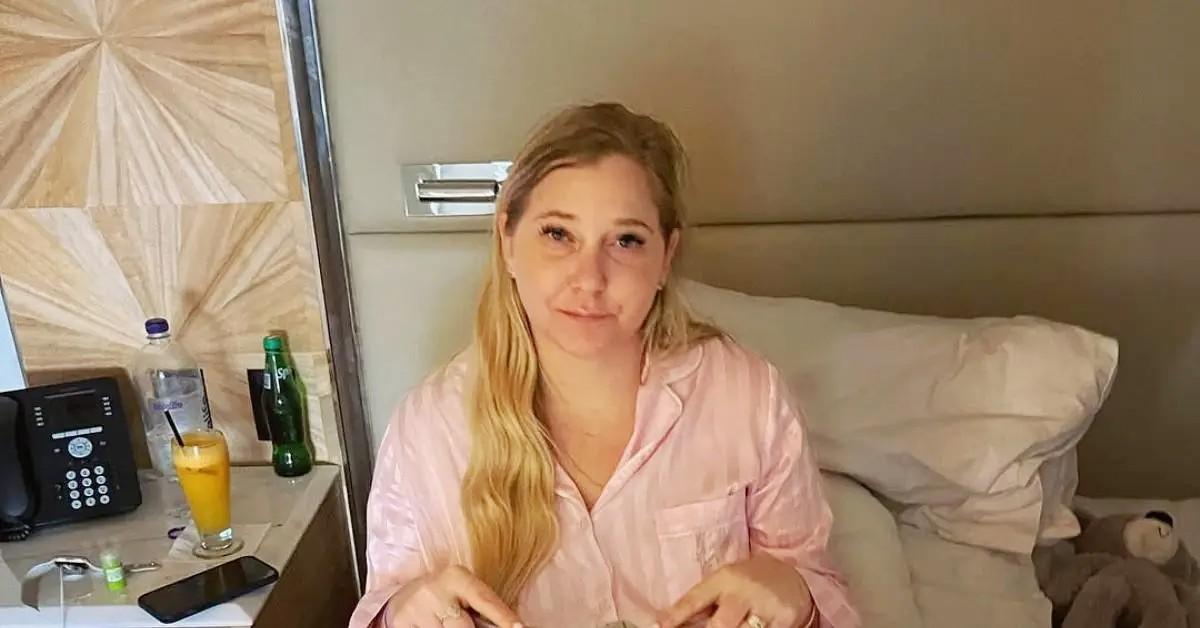
Giuffre wrote that Epstein made her feel like the 'perfect victim'.
That friend, Giuffre writes, was Epstein.
The memoir gives a graphic account of her first encounter at Epstein's Palm Beach mansion and alleges Maxwell orchestrated her abuse.
Giuffre says she was paid $200 and told she had done a "great job," beginning what she describes as 25 months of sexual exploitation.
Epstein, she alleges, told her his behavior was justified and threatened her family to ensure her silence.
As Epstein's control grew, Giuffre says she was flown around the world and presented to powerful men.
She alleged Andrew abused her on three occasions.
"You are to do for him what you do for Jeffrey," she recalls Maxwell instructing her when she met the then-prince.
Andrew settled a civil case with Giuffre in 2022 without admitting liability.
A Legacy of Advocacy

Never Miss an

Daily updates from the heart of Hollywood, right to your inbox
By entering your email and clicking Sign Up, you’re agreeing to let us send you customized marketing messages about us and our advertising partners. You are also agreeing to our Terms of Service and Privacy Policy.

Giuffre was a vocal accuser of the Andrew, Epstein and Ghislaine Maxwell before her death.
Giuffre eventually escaped Epstein's clutches, marrying Robert Giuffre at 19 and moving to Australia, but years later went public with her allegations, saying motherhood compelled her to act.
She became a prominent advocate for other survivors, even as she faced intense public scrutiny.
The trauma, she wrote, never left her.
In one of her final messages, she insisted on the publication of her memoir, writing it was "imperative that the truth is understood" about sex trafficking and its lasting damage on victims.
