


EXCLUSIVE: Trump's Renovation Projects Threaten Historic Standards Nationwide, Preservation Leader Warns — After Prez's Reflecting Pool Update Flops

President Trump's projects aren't exactly getting praised these days.
July 24 2026, Published 4:20 p.m. ET


The legal battle over changes to Donald Trump's takeover of the Lincoln Memorial Reflecting Pool is about far more than one historic landmark, according to The Cultural Landscape Foundation founder and CEO Charles Birnbaum, who warned the dispute reflects what he sees as a broader erosion of longstanding federal preservation standards.
During an exclusive interview with RadarOnline.com, Birnbaum said the Foundation's lawsuit challenging the Reflecting Pool project represents a much larger fight over how historic sites across the country are reviewed before significant changes are approved.
'We're Talking About America's Front Yard'

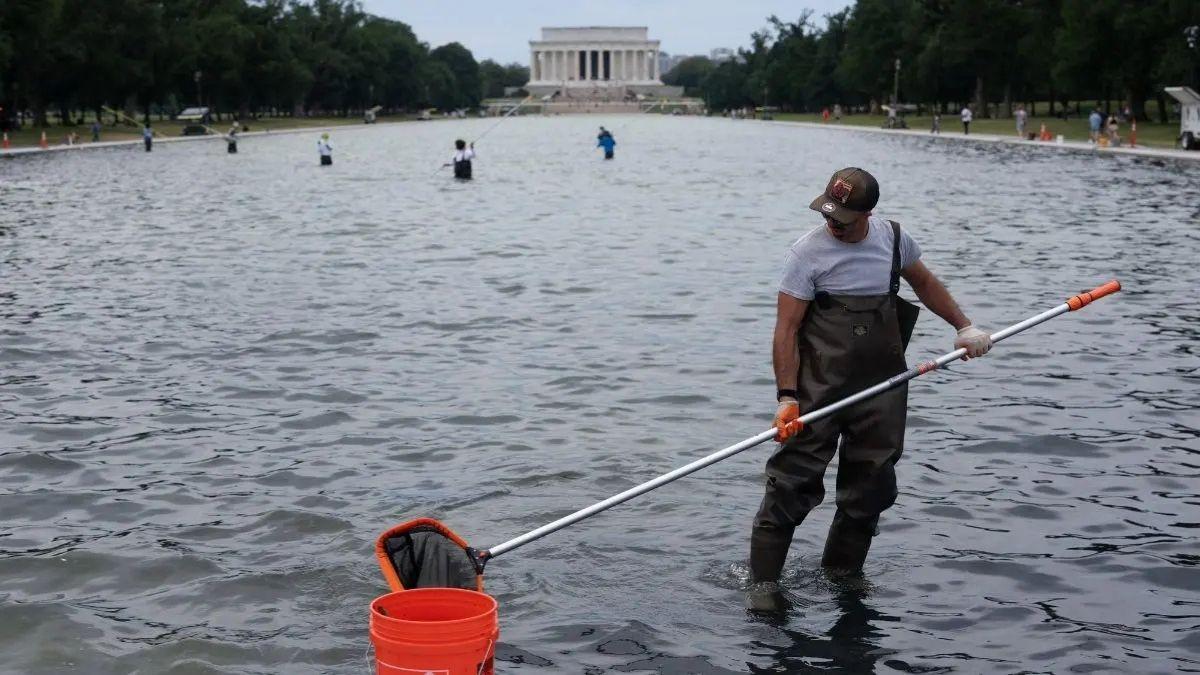
'We're talking about America's front yard,' Cultural Landscape Foundation founder and CEO Charles Birnbaum said
"We're talking about America's front yard," Birnbaum said of the National Mall, arguing the issue extends well beyond a single construction project.
Radar previously reported on the Foundation's lawsuit alleging federal officials failed to follow required historic preservation and environmental review procedures before resurfacing the Reflecting Pool, one of the nation's most recognizable landmarks.
Birnbaum said the Reflecting Pool's significance goes beyond its appearance, describing it as a carefully designed space intended to connect visitors with both the Lincoln Memorial and the Washington Monument.
The Reflecting Pool Goes Beyond

Birnbaum said, 'it represents a test of whether longstanding preservation practices designed to protect America's historic places will continue to be followed.'
He argued the original design was never meant to function as an ordinary decorative pool, but rather as a symbolic landscape that has served as the backdrop for some of the nation’s most defining historical moments.
According to Birnbaum, the Foundation's concerns extend beyond the Reflecting Pool itself. He said he believes established federal review procedures intended to protect historic places are increasingly being bypassed, preventing preservation experts and the public from providing meaningful input before projects move forward.
Birnbaum pointed to several recent proposals, including plans involving a White House ballroom and work affecting Lafayette Park, as examples of what he described as a troubling pattern. While declining to speculate about why certain decisions were made, Birnbaum told Radar he believes the proper review process should be followed regardless of the project.
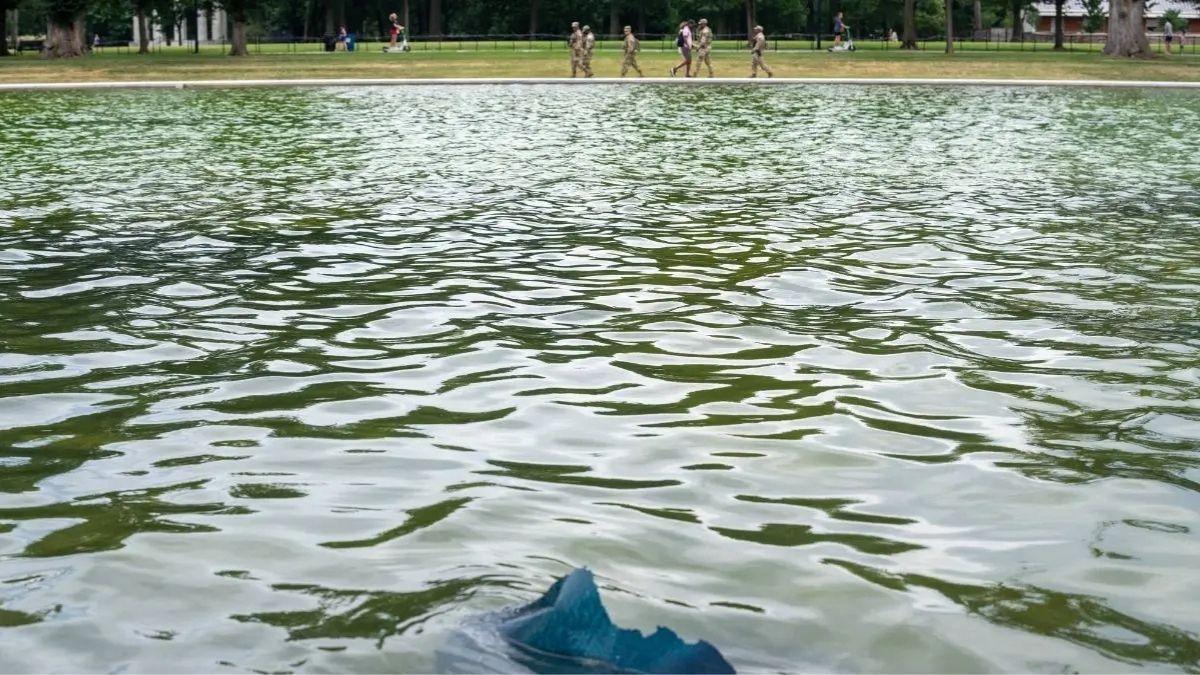
He warned that limiting public involvement could have lasting consequences for communities and nationally significant landmarks alike.
Birnbaum also expressed concern about proposed revisions to the federal historic preservation review process that, he said, could reduce opportunities for public participation.
"The views of the public are essential to informed federal decision-making in the Section 106 process," Birnbaum said, referencing language he believes should remain central to preserving the nation's historic resources.
He warned that limiting public involvement could have lasting consequences for communities and nationally significant landmarks alike.


A Critical Moment in Time

Never Miss an

Daily updates from the heart of Hollywood, right to your inbox
By entering your email and clicking Sign Up, you’re agreeing to let us send you customized marketing messages about us and our advertising partners. You are also agreeing to our Terms of Service and Privacy Policy.
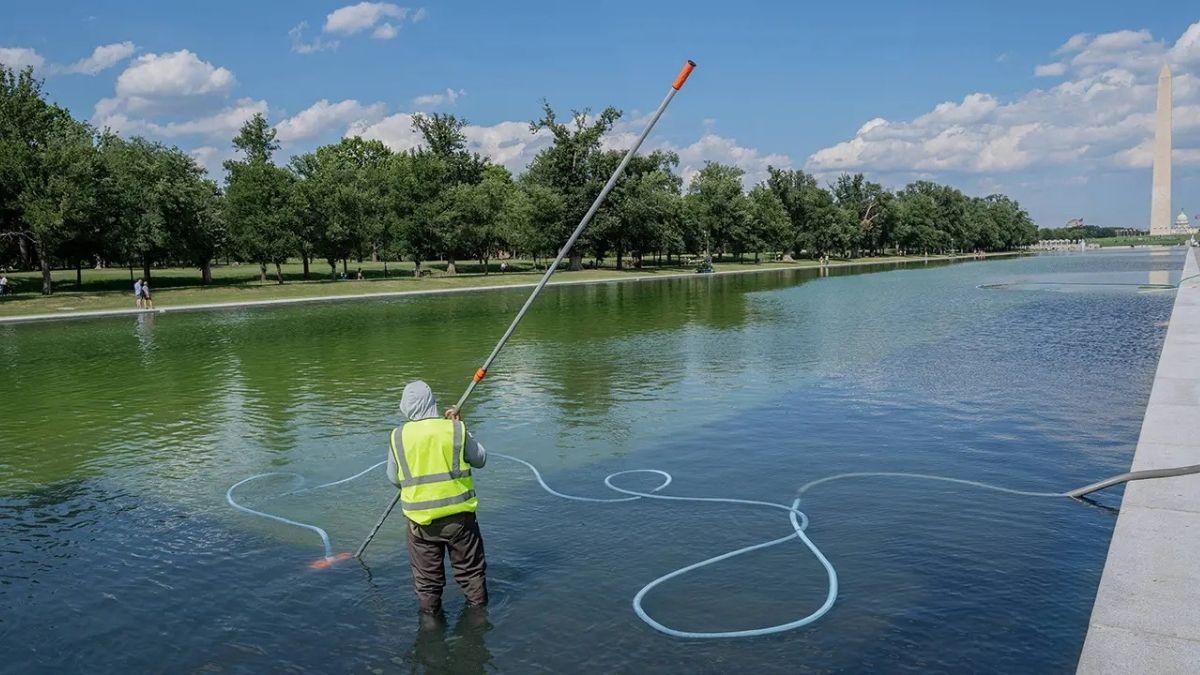
As litigation continues, Birnbaum said the outcome could have implications extending well beyond Washington, D.C.
For Birnbaum, the Foundation's lawsuit is not simply about the future of the Reflecting Pool. Instead, he said, "it represents a test of whether longstanding preservation practices designed to protect America's historic places will continue to be followed".
The Justice Department has disputed the Foundation's claims in court, arguing the organization lacks legal standing to pursue the lawsuit and maintaining the National Park Service properly relied on a streamlined review process when carrying out the Reflecting Pool project.
As litigation continues, Birnbaum said the outcome could have implications extending well beyond Washington, D.C., influencing how future preservation decisions are made at historic sites across the country.
