


EXCLUSIVE DETAILS: Trump Demands Supreme Court Grant Him Special 'Presidential Immunity' in Desperate Attempt to Avoid Paying Author E. Jean Carroll $83Million for Defamation

Donald Trump wants the Supreme Court to review his defamation verdict against E. Jean Carroll.

Nov. 2 2026, Published 7:27 p.m. ET


Donald Trump's legal team is making another attempt to convince the Supreme Court to vacate the $83.3million he owes author E. Jean Carroll after being found guilty of defamation, RadarOnline.com can report, arguing that as president, he is "immune" to prosecution.
The Supreme Court justices have already rejected an earlier appeal from the president, and Carroll's lawyers are urging them to do the same with this request.
Donald Trump Doesn't Want to Pay E. Jean Carroll

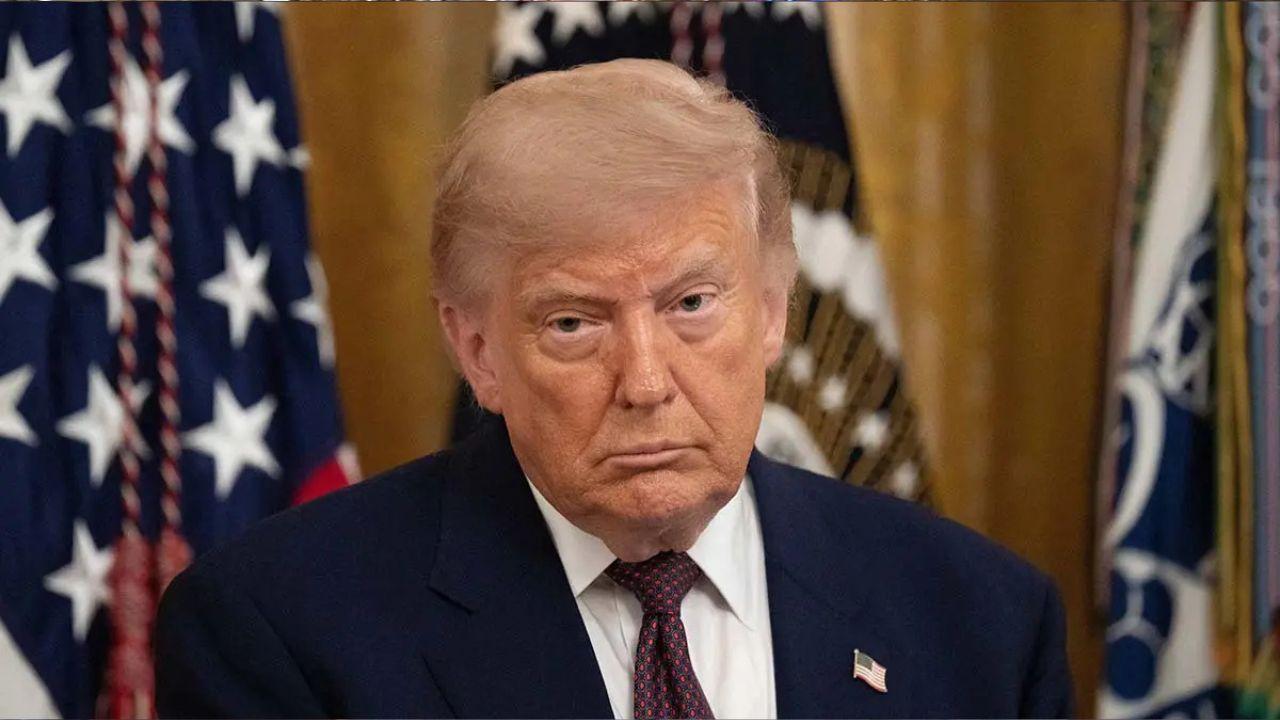
Trump was found guilty of defaming the author in 2019.
As Radar previously reported, Carroll alleged Trump sexually abused her in a department store in the mid-1990s in her memoir, What Do We Need Men For?: A Modest Proposal.
The 80-year-old subsequently slammed her and the tome, and accused her of lying about the alleged assault to "get publicity" and try to "sell" her book. That led to a federal defamation lawsuit that ended with Carroll winning more than $80million, a verdict Trump has spent years appealing.
In their latest appeal, Trump's lawyers argued that because he made his comments while serving his first term in office, he should get "presidential immunity."
His petition says the ruling against him is "the first case in our Nation’s history in which a court has imposed damages liability on a President for his conduct in office."
Donald Trump Insists He Has 'Presidential Immunity'

Carroll was awarded $83.3million.
However, in a response filed Friday, Carroll's lawyers argued that Trump can't demand immunity because the "petitioner chose to renounce that defense at the outset of this case."
Her attorneys contend Trump did not dispute Carroll's claims but wanted her to wait before suing him.
"In a letter to the court, petitioner disclaimed absolute immunity, insisting that Ms. Carroll was 'free to pursue this action when the President is no longer in office' and that he was not seeking to 'escape accountability,'" Carroll's lawyers argue.
"Over the ensuing years, petitioner repeatedly affirmed his waiver of immunity by actively litigating this case. Even when he eventually raised presidential immunity – three years into this litigation – he did not raise the question the petition presents that there is some sort of heightened standard for waiving presidential immunity," the statement continues. "That argument didn’t come until another two years later, at which point the Second Circuit held it was too late."
E. Jean Carroll's Lawyers Dispute 'Presidential Immunity' Argument
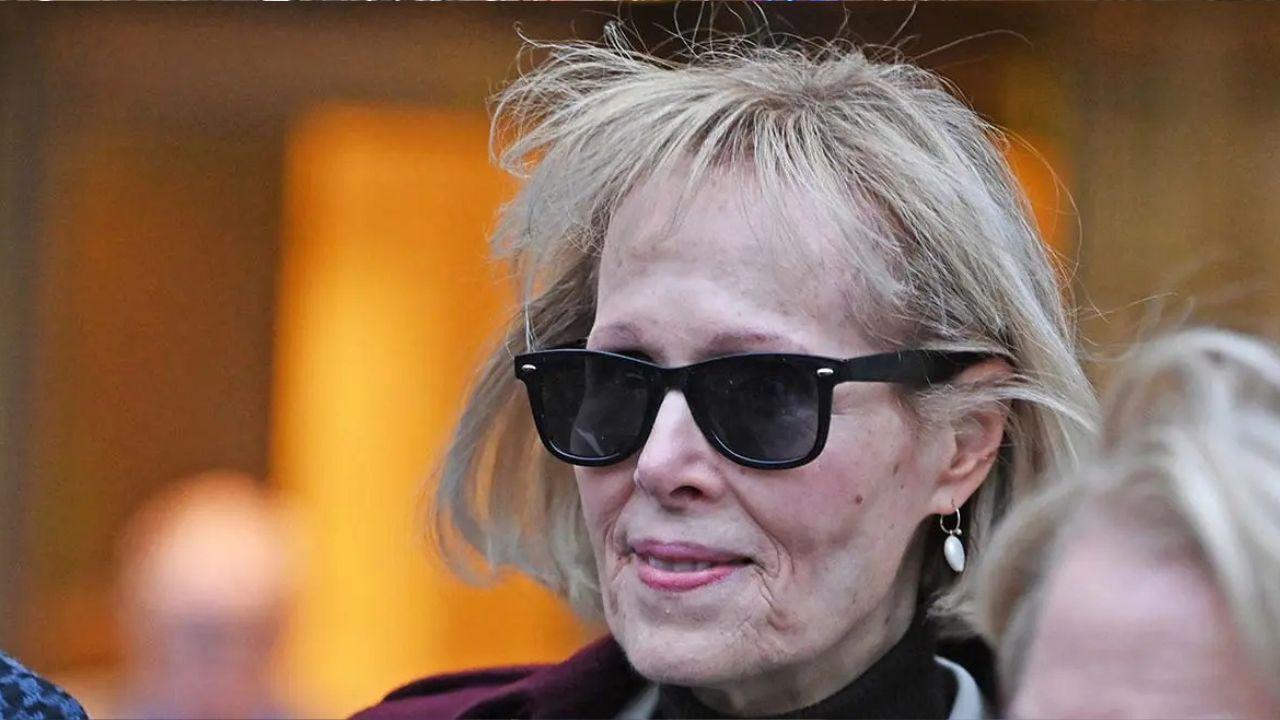
She has been fighting to collect the payout ever since.
Carroll's lawyers insist their case has nothing to do with presidential immunity, which has never been used as an excuse before.
"For a half century at least, every President who has wanted to raise presidential immunity has done so at the outset of litigation," their objection states. "Indeed, this President has raised absolute immunity in the first pleading in other cases against him."
"So the question of exactly how explicit a President must be to waive immunity does not warrant certiorari."
Donald Trump Warns the Decision Could Affect Future Presidents

Never Miss an

Daily updates from the heart of Hollywood, right to your inbox
By entering your email and clicking Sign Up, you’re agreeing to let us send you customized marketing messages about us and our advertising partners. You are also agreeing to our Terms of Service and Privacy Policy.
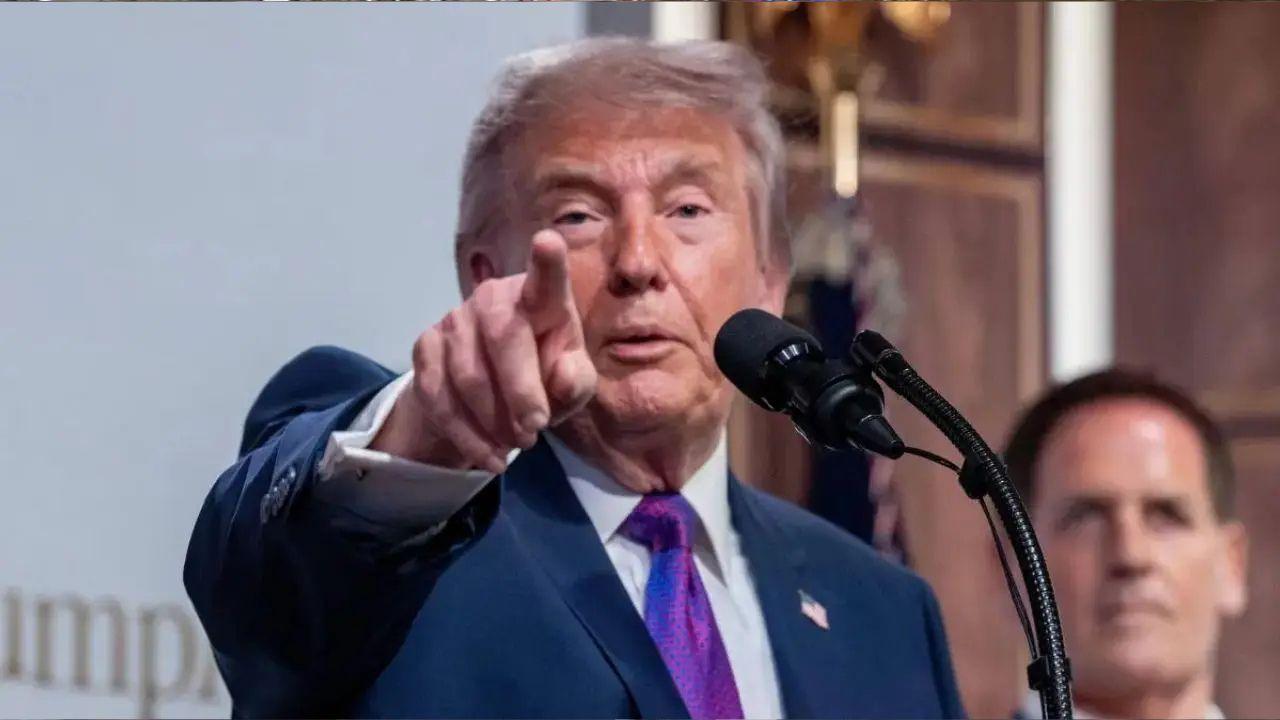
Trump argues he has presidential immunity from lawsuits.
In July, Trump's attorneys argued the case is about far more than the massive payout. Calling the dispute unprecedented, the petition claimed this was the first time in U.S. history that a court has imposed damages liability on a president for conduct they argue occurred while he was carrying out the duties of his office.
The filing warned that allowing the judgment to stand could fundamentally alter the presidency by exposing future presidents to personal civil lawsuits over official communications made while serving in the White House.
Carroll's lawyers countered, "This Court should deny review. There is no good reason for this Court to overlook the many procedural obstacles presented by this case."
