


EXCLUSIVE: Trump Warns Supreme Court E. Jean Carroll's $83.3M Defamation Judgment Threatens Future Presidents

President Trump and E. Jean Carroll are not done duking it out.
July 29 2026, Published 7:30 p.m. ET


President Donald Trump is asking the U.S. Supreme Court to step into his legal battle with E. Jean Carroll, arguing the blockbuster defamation judgment against him could reshape the presidency itself and leave future commanders in chief vulnerable to personal lawsuits over statements made while in office, RadarOnline.com can reveal.
In a newly filed petition for a writ of certiorari obtained by Radar, Trump's legal team urges the nation's highest court to overturn the Second Circuit's decision affirming the $83.3 million defamation award in Carroll's favor, warning the judgment is now approaching $100million as post-judgment interest continues to accrue.
Trump Wants $83.3Million Defamation Judgment Overturn

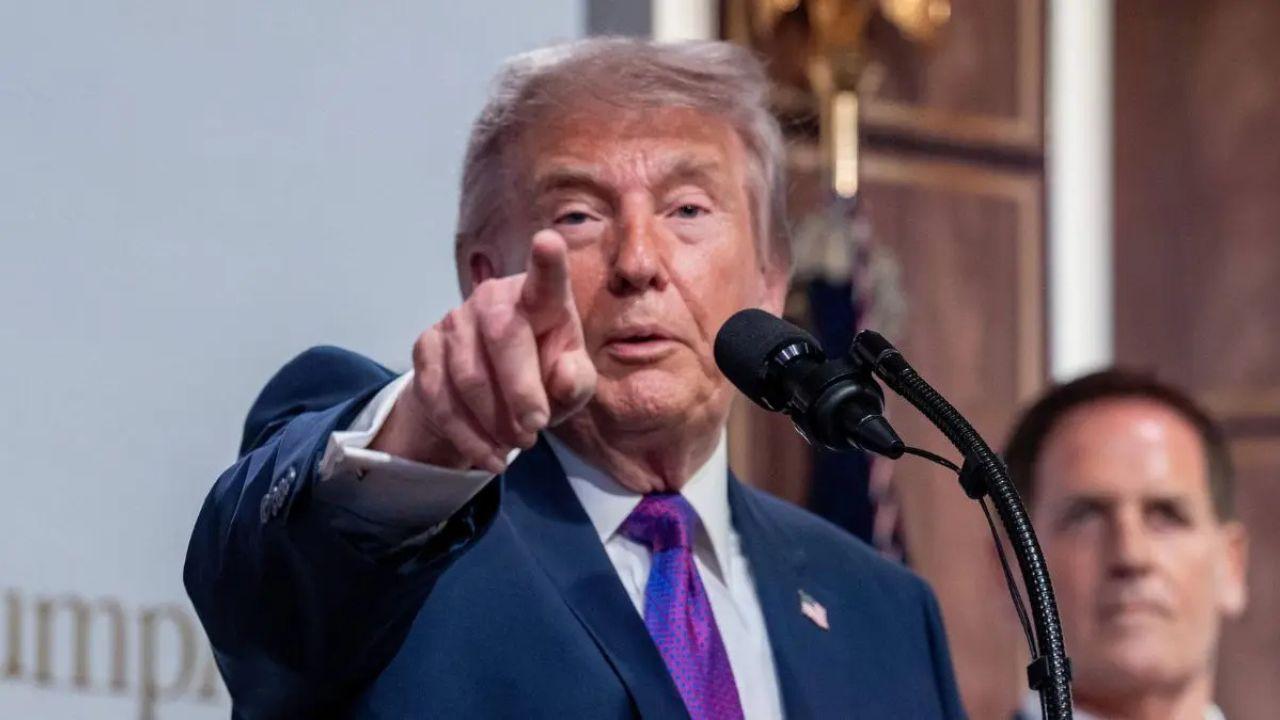
Trump's attorneys argue the case is about far more than the growing price tag.
But Trump's attorneys argue the case is about far more than the growing price tag. Calling the dispute unprecedented, the petition claims this is the first time in U.S. history that a court has imposed damages liability on a president for conduct they argue occurred while he was carrying out the duties of his office.
The filing warns that allowing the judgment to stand could fundamentally alter the presidency by exposing future presidents to personal civil lawsuits over official communications made while serving in the White House.
Rather than revisiting Carroll's allegations, the petition focuses on what Trump's lawyers describe as a constitutional question with nationwide implications: whether a president can be personally sued for statements made from the White House while responding to reporters about accusations bearing on his fitness for office.
Trump Protected By Supreme Court's 2024 Ruling?
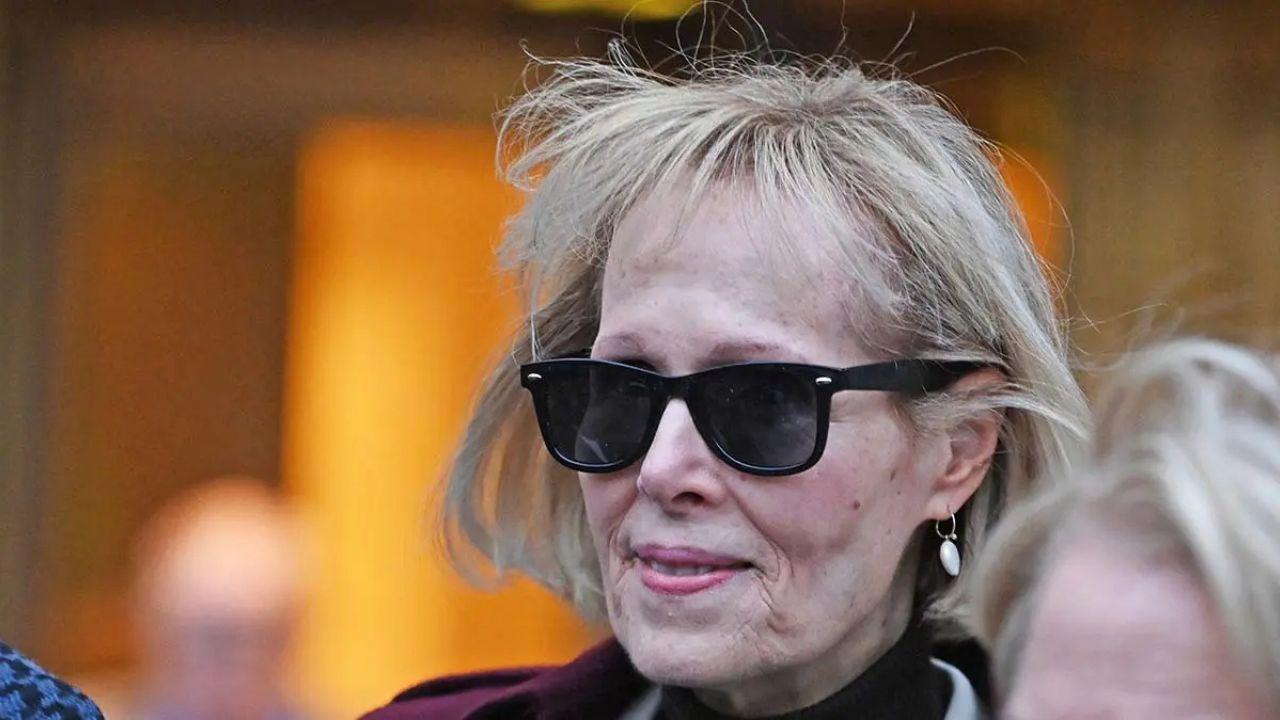
Carroll won an $83.3million defamation judgment against Trump.
According to the filing, Trump's comments denying Carroll's allegations were delivered while he was president, from the White House, and in response to questions from members of the press.
His attorneys argue those statements constituted official presidential acts and therefore should be protected by presidential immunity under the Supreme Court's 2024 ruling in Trump v. United States.
The petition also takes direct aim at the Second Circuit, accusing the appellate court of creating what Trump's lawyers characterize as a dangerous new precedent.
Westfall Act Argument
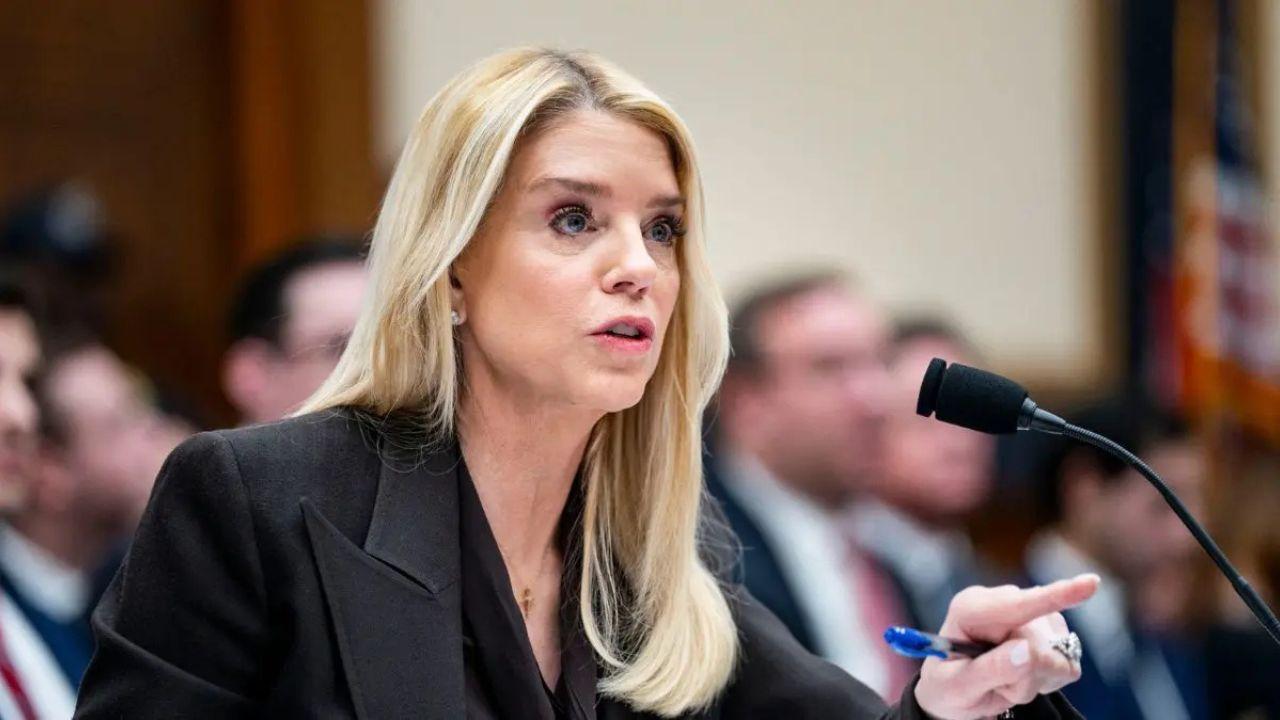
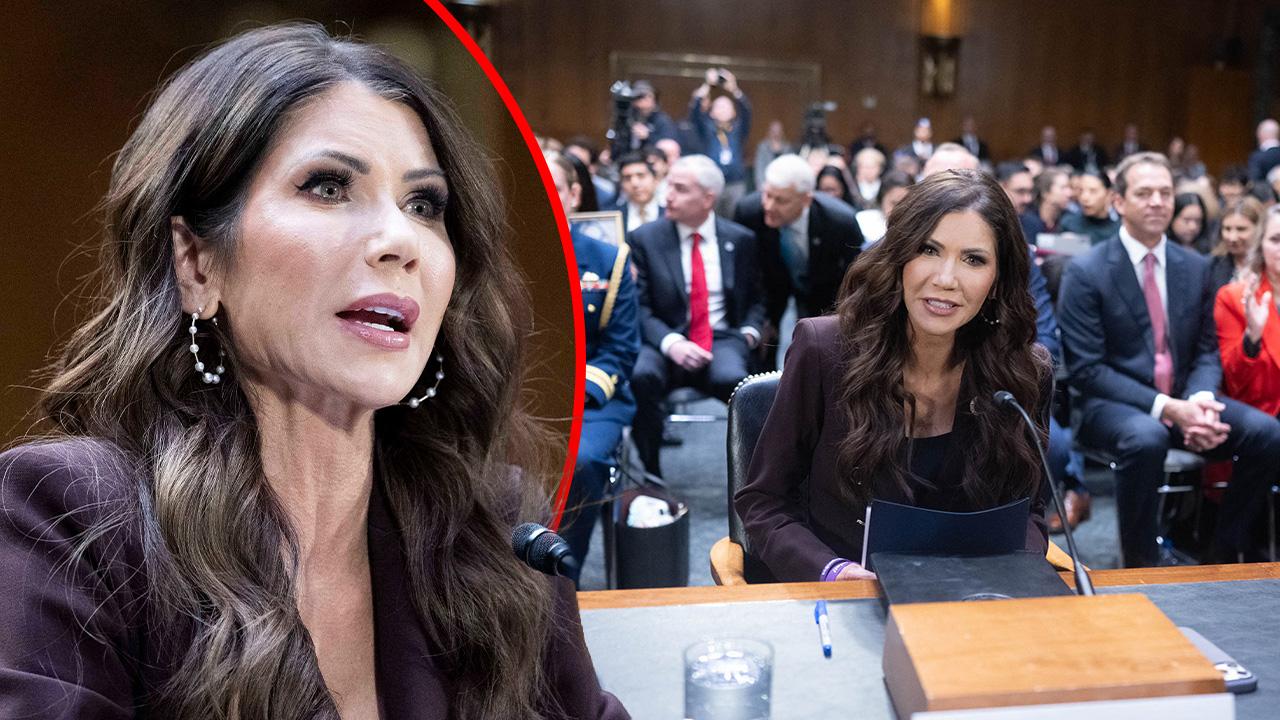
Then-Attorney General Pam Bondi certified Trump acted within the scope of his office.
The court wrongly concluded Trump forfeited his presidential immunity defense because his original legal response referenced constitutional immunities generally but did not specifically include the phrase "presidential immunity," according to the filing.
Trump's attorneys argue the decision improperly elevates pleading formalities over constitutional protections and conflicts with longstanding Supreme Court precedent governing immunity defenses.
The filing further contends the United States, not Trump personally, should have been substituted as the defendant under the Westfall Act after then-Attorney General Pam Bondi certified Trump was acting within the scope of his office when he made the challenged remarks.
Appeal Heads to Supreme Court

Never Miss an

Daily updates from the heart of Hollywood, right to your inbox
By entering your email and clicking Sign Up, you’re agreeing to let us send you customized marketing messages about us and our advertising partners. You are also agreeing to our Terms of Service and Privacy Policy.
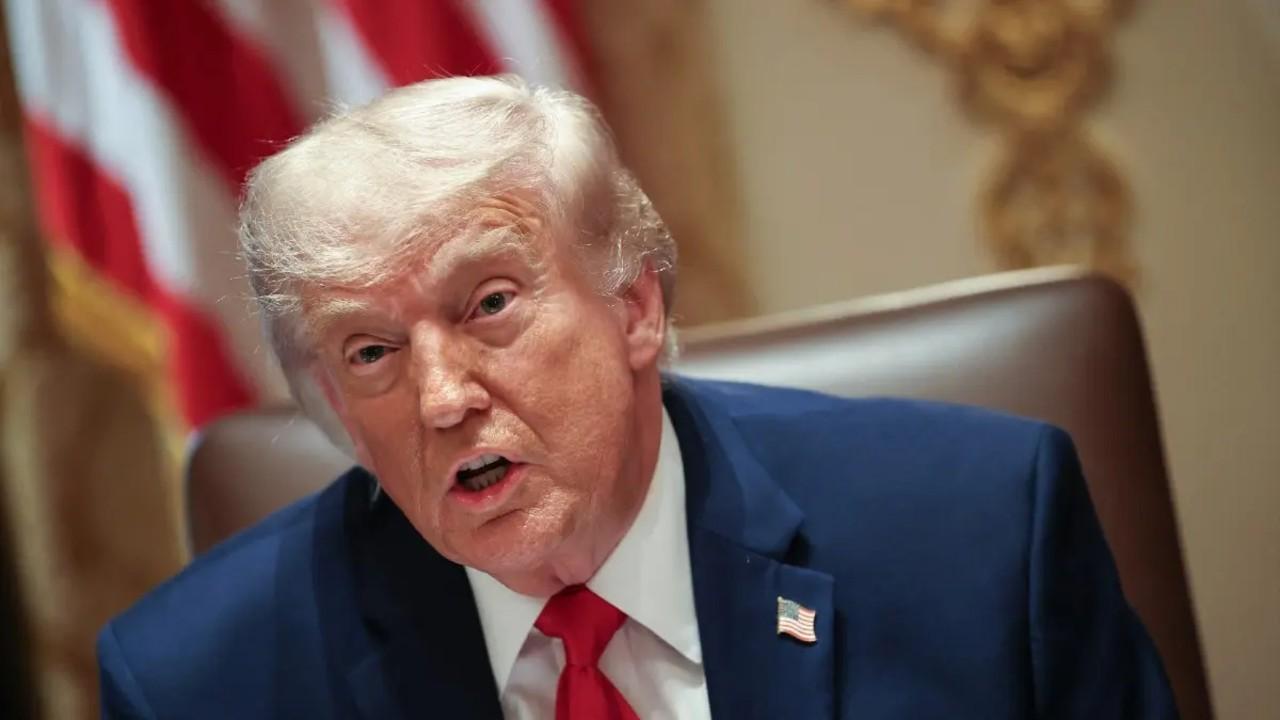
Trump says the ruling could affect future presidents.
His legal team argues that, had the federal government been substituted, the case would have proceeded under a different legal framework.
Trump's attorneys also repeatedly point to the Supreme Court's own recent presidential immunity decision, arguing the justices should apply the same constitutional principles here and resolve what they describe as significant questions affecting not only Trump but every future president.
With interest continuing to mount on the multimillion-dollar judgment, Trump's legal team argues the Supreme Court should take the case promptly, warning the financial stakes continue to increase while what they describe as landmark constitutional questions remain unresolved.
