


Trump Suffers Another Court Setback as Judge Declares 'The President Cannot' Make New Exceptions to Birthright Citizenship

A federal judge has now blocked Donald Trump's second executive order
Nov. 26 2026, Published 12:06 p.m. ET


President Donald Trump has suffered another legal defeat in his effort to restrict birthright citizenship after a federal judge blocked his second executive order targeting children born in the United States to noncitizen parents.
The ruling prevents the administration from enforcing the policy against children covered by a class action lawsuit.
RadarOnline.com reports U.S. District Judge Christopher Cooper issued a preliminary injunction Wednesday, November 25, in Nathan v. Trump, a case brought by the American Civil Liberties Union (ACLU) and partner organizations.
The decision also certifies a class of children whose citizenship could be denied under the August directive.
Second Judge Blocks August Directive

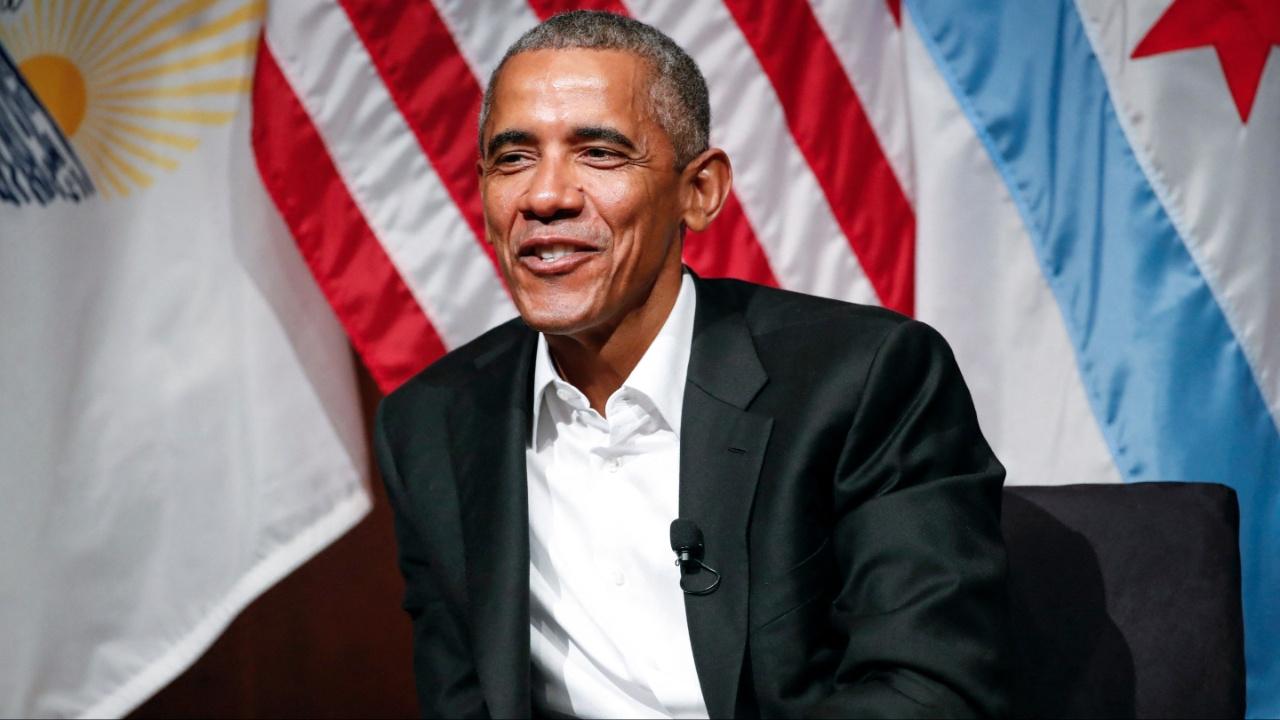
Lauren Bis called Judge Christopher Cooper an activist judge appointed by former President Barack Obama
Cooper barred the Department of State, Department of Homeland Security, and Social Security Administration from enforcing the order against members of the certified class.
The decision follows an earlier injunction in Maryland that also restricted enforcement of the August directive, although that ruling covered an overlapping group of children affected by Trump's first citizenship order.
The White House criticized Cooper's decision. Spokeswoman Lauren Bis accused the judge, an appointee of former President Barack Obama, of judicial activism and attempting to obstruct Trump's agenda, according to Reuters.
Judge Declares The President Cannot Make New Exceptions
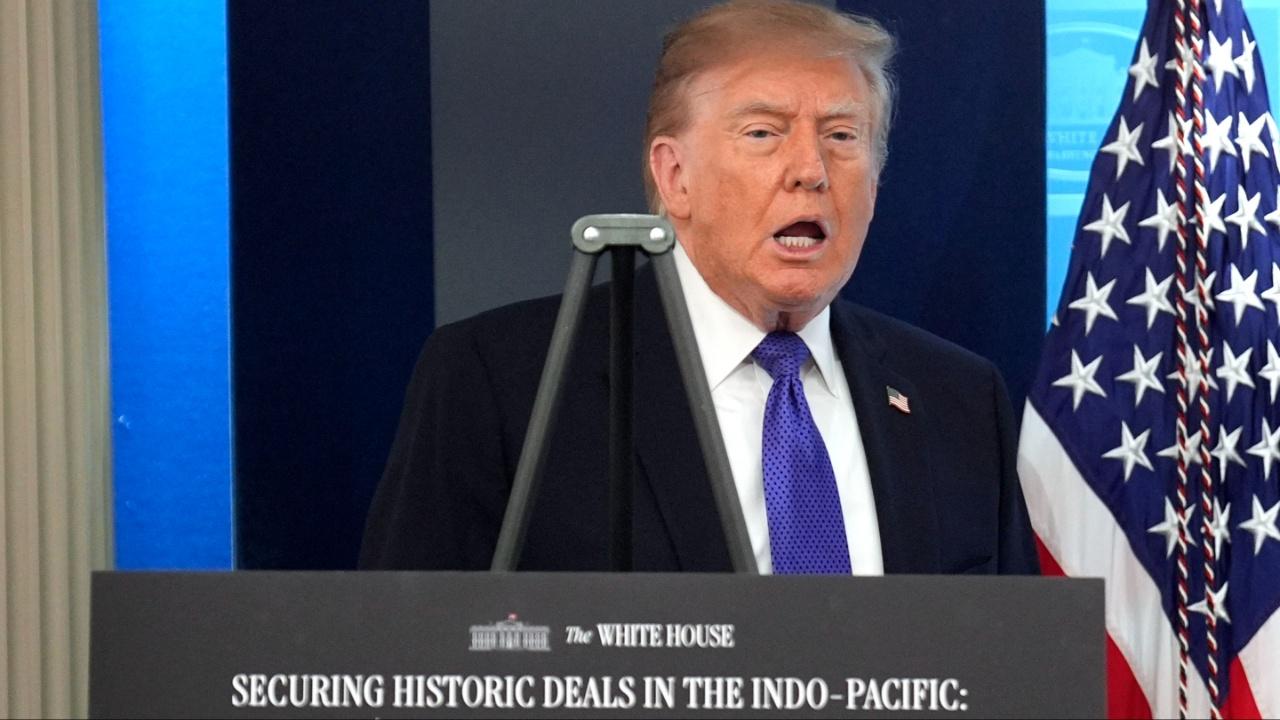
Cooper said that Trump cannot crave new exceptions to birthright citizenship for children botn within the US
Cooper argued that existing Supreme Court precedent leaves little room for the administration's interpretation of birthright citizenship.
"The merits in this case are clear-cut," he wrote, noting that the Supreme Court had twice confirmed citizenship protections for children born in the country, apart from narrow historical exceptions.
He also emphasized the limits of presidential authority, stating, "The President cannot carve out new exceptions to birthright citizenship for children born within the United States and subject to its laws."
The judge referred to the Supreme Court's June decision in Trump v. Barbara, which struck down Trump's first executive order seeking to deny citizenship to children of parents who were unlawfully or temporarily present in the country.
Roots In 14th Amendment And 1898 Precedent
The Supreme Court discovered that Trump's first order from 2025 violated the 14th Amendment
The dispute centers on the 14th Amendment's Citizenship Clause, which guarantees citizenship to people born in the United States and subject to its jurisdiction.
In 1898, the Supreme Court established an important precedent in United States v. Wong Kim Ark, recognizing citizenship for a child born in the country to Chinese parents who were not U.S. citizens.
The administration's second executive order, signed August 6, attempted to extend restrictions to additional groups.
These included children whose parents were foreign government employees without full diplomatic immunity, children born through commercial surrogacy arrangements, and those with parents suspected of belonging to designated terrorist organizations or other groups.
What The Ruling Means Going Forward

Never Miss an

Daily updates from the heart of Hollywood, right to your inbox
By entering your email and clicking Sign Up, you’re agreeing to let us send you customized marketing messages about us and our advertising partners. You are also agreeing to our Terms of Service and Privacy Policy.
ACLU Deputy Director claimed that Supreme Court has twice rejected efforts to gut birthright citizenship
Cooper rejected the administration's attempt to expand the historical exceptions to birthright citizenship.
He explained that the enemy-forces exception applies to children born to hostile forces occupying U.S. territory, not children whose parents are merely suspected of belonging to designated organizations.
He also ruled that the diplomatic exception applies only to children of foreign officials with full diplomatic immunity, not everyone employed by a foreign government or international organization.
The injunction does not cover every child affected by the executive order. It excludes children born to accredited foreign diplomats and those born outside U.S. territory.
The ruling is preliminary, meaning the legal battle is not over. However, the administration cannot enforce the August order against the certified class while the case proceeds.
