


EXCLUSIVE: Trump's Ballot Crackdown BLOCKED — as Judges Warn DOJ's Demands Could Trigger 'Catastrophic' Election Chaos

Trump's DOJ suffered a major setback after judges blocked its emergency California ballot crackdown.
Oct. 30 2026, Published 7:50 p.m. ET


President Donald Trump's administration has suffered a major courtroom setback just days before the midterm elections, after federal appeals judges rejected an emergency attempt to intervene in California's mail-in voting process, RadarOnline.com can reveal.
According to court documents obtained by Radar, the Ninth Circuit Court of Appeals ruled Friday, October 30, that the Department of Justice failed to justify its demand to segregate approximately 20,000 ballots belonging to voters federal officials identified as likely noncitizens.
Judges Sound Alarm Over Election Chaos

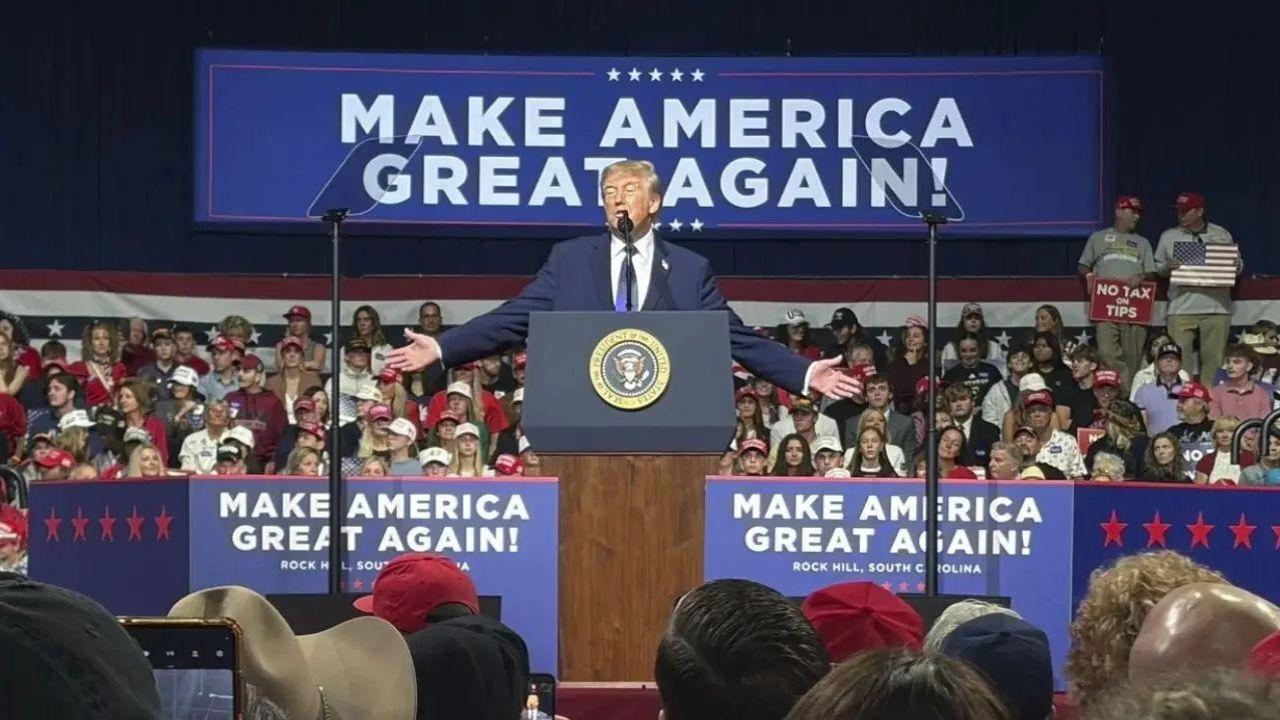
Judges warned Trump's ballot demands could trigger 'catastrophic' disruptions to California's election system.
The ruling comes just four days before the November 3 election, delivering another obstacle to the administration's efforts to impose additional citizenship verification procedures.
In the 39-page ruling, judges warned that implementing the DOJ's demands could jeopardize California's election operations and potentially prevent eligible Americans from having their votes counted.
The majority cited a lower court's finding that granting the government's request would provoke "catastrophic change, upending the administration of the election."
Officials also warned that the technological changes necessary to identify and separate disputed ballots could threaten Los Angeles County's central election management system. Such disruptions could jeopardize California's December 11 election certification deadline, according to the ruling.
The court concluded that the government had failed to establish sufficient grounds for emergency intervention.
DOJ's Voter Data Comes Under Fire

Federal judges questioned the reliability of the DOJ's voter data after officials failed to provide error rates.
The controversy began after federal immigration authorities obtained California voter registration records and compiled a list of individuals they believed were noncitizens registered to vote.
On October 12, federal officials provided the list to California authorities, requesting that the identified voters' ballots be separated until their citizenship could be verified. California refused, questioning the reliability of the information.
The appeals court highlighted serious concerns about the government's methodology, noting that federal officials had provided "no error rates" or "validation against a reliable benchmark" demonstrating the accuracy of their findings.
Judges also questioned how LexisNexis-linked information had been used to identify potentially ineligible voters. The majority determined that the government's evidence did not justify overriding California's established election procedures.
Court Raises Alarm Over Voter Disenfranchisement
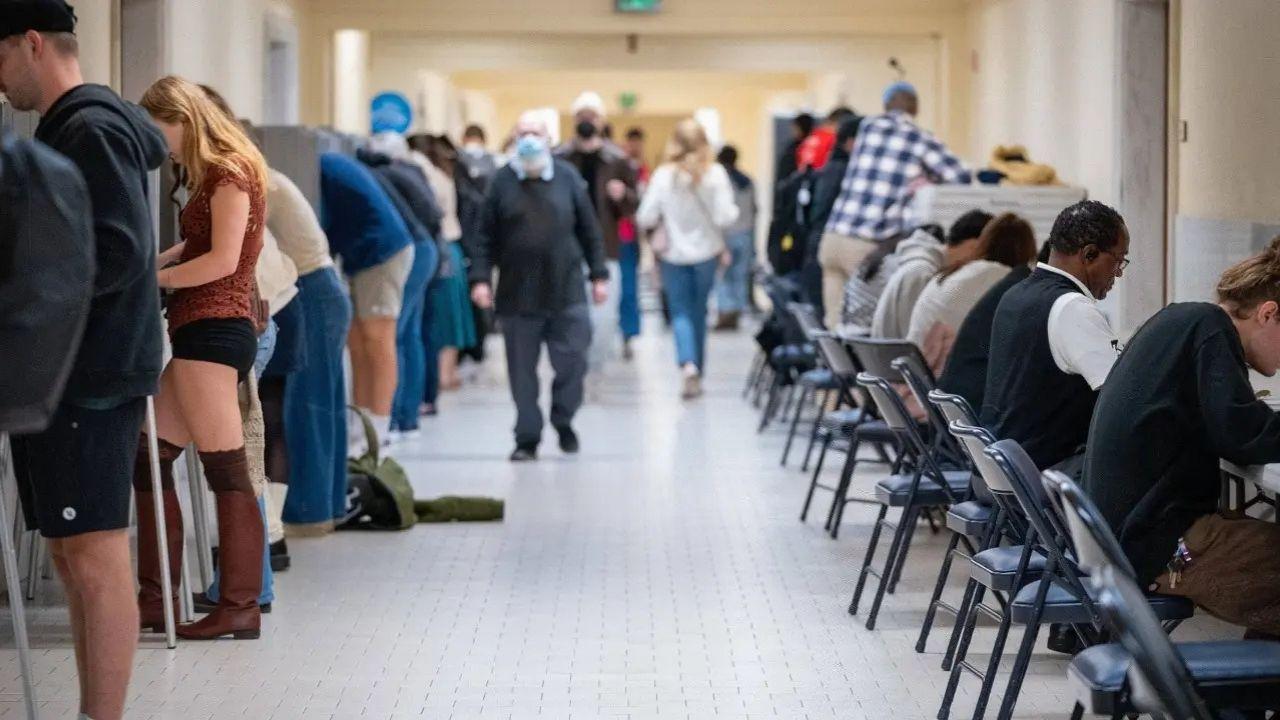
The court warned that the DOJ's proposed changes risked disenfranchising eligible California voters.
The judges also raised concerns that the administration's proposed intervention could violate federal protections against systematic voter removals shortly before an election.
Under the National Voter Registration Act, states generally cannot conduct systematic voter purges within 90 days of a federal election. The majority warned that the DOJ's demands could ultimately result in eligible voters losing their ballots or registration.
However, Judge Patrick Bumatay dissented, arguing that separating disputed ballots would protect election integrity while allowing officials to verify citizenship. He maintained that the federal government had demonstrated sufficient grounds for intervention.

Trump Administration Denied Emergency Relief

Never Miss an

Daily updates from the heart of Hollywood, right to your inbox
By entering your email and clicking Sign Up, you’re agreeing to let us send you customized marketing messages about us and our advertising partners. You are also agreeing to our Terms of Service and Privacy Policy.
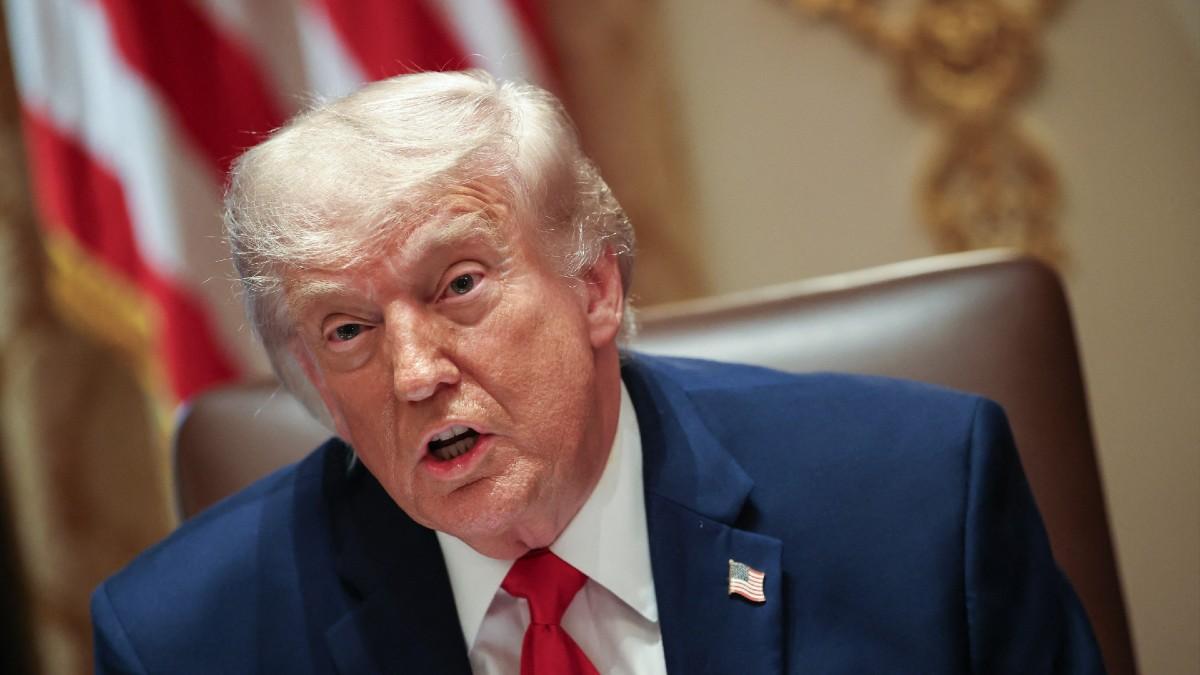
The Ninth Circuit rejected the DOJ's emergency request just four days before the November 3 midterms.
The majority ultimately rejected the DOJ's emergency request, concluding that California's established election procedures should remain in place.
The decision does not resolve the entire underlying lawsuit but prevents the requested emergency changes ahead of Election Day.
The ruling leaves California's existing ballot-processing procedures intact as voters prepare for Tuesday's election.
