


Trump Aides 'Requested Voting Machines to Hack,' According to Report — as GOP Looks to Avoid Midterms Nightmare

Trump's aides reportedly requested voting machines to hack.
Oct. 20 2026, Published 2:05 p.m. ET


In its latest effort to investigate whether voting systems could be compromised, Department of Homeland Security (DHS) political appointees reportedly asked the Cybersecurity and Infrastructure Security Agency (CISA) to secretly acquire a voting machine, hack it, and report its findings to the White House, RadarOnline has learned.
CISA is responsible for protecting critical infrastructure against cyberattacks, but the agency could not carry out the request, raising concerns about potential political interference.
Secret DHS Hacking Request Denied?

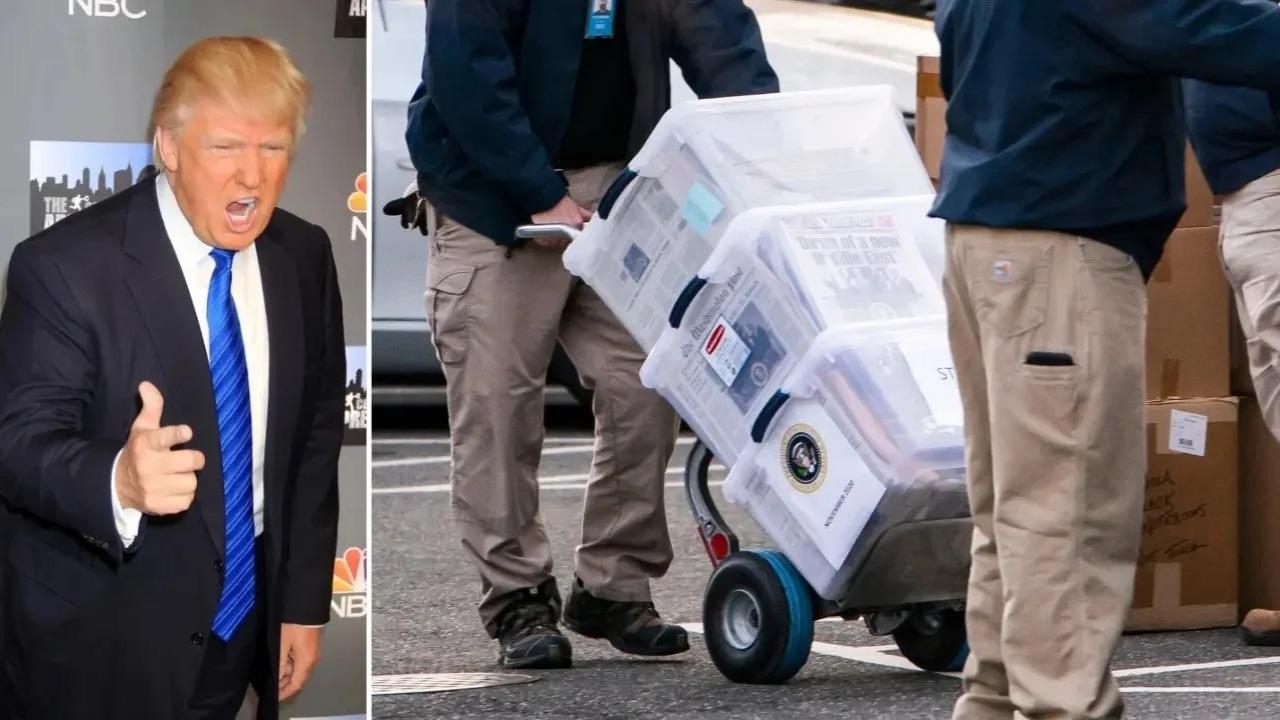
Trump's DHS political appointees reportedly asked CISA to secretly acquire a voting machine.
"My thought was they could keep it in their back pocket to invalidate any [election] results they don't like," one former official told a publication. "This goes against everything CISA represents."
Melanie D'Arrigo, a former Democratic congressional candidate, claimed, "The Trump administration, who lied about the 2020 election being rigged, lies about voter fraud, and incited a violent riot to retain power – requested voting machines to hack. Don't overthink this one. It’s not that complicated."
The operation was also deemed unfeasible since Elon Musk's Department of Government Efficiency (DOGE) initiative had overseen significant cuts to CISA, leaving the agency without the personnel needed to carry out the proposed operation.
Elon Musk's DOGE Impact on Voting

Elon Musk's DOGE made significant cuts to CISA.
More than 1,000 CISA employees have been laid off or pushed out during 's second term, largely as a result of cuts under Musk's DOGE, reducing the agency's workforce by roughly one-third.
Further cuts could follow under Trump's proposed 2027 budget, which would reduce CISA's funding by another $700million and potentially require approximately 900 additional layoffs.
CISA has also cut funding for technology used to monitor election networks and lost personnel who had built relationships with state election officials – reductions that have weakened the agency’s ability to help states secure election infrastructure through penetration testing, cybersecurity sensors, classified intelligence briefings, emergency preparedness exercises and information-sharing with voting machine manufacturers.
CISA provided little or no assistance during preparations for the 2026 midterm elections. Election cybersecurity expert Ryan Macias said the agency was effectively absent during the critical preparation period in 2025 and through mid-September 2026.
States have spent their own money to fill some gaps, but they cannot independently replicate every federal intelligence capability, particularly information about foreign threats.
Trump’s 2020 Election Obsession Undermined Trust With State Election Officials
Trump revived claims about vulnerabilities and alleged problems with the 2020 election.
CISA spent years building relationships with state election officials under an understanding that sensitive information shared with the agency would remain confidential.
During a July 16 speech on election security, Trump revived claims about vulnerabilities and alleged problems with the 2020 election that experts said had already been debunked.
His administration subsequently released records containing sensitive information states had shared with CISA, including logs of communications and activity monitored on Election Day 2020. Former CISA officials said the disclosures undermined the trust necessary for states to share sensitive cybersecurity information with the federal government.
One former high-ranking federal cybersecurity official who now advises state governments said some officials were unlikely to share information with CISA again.
Arizona Secretary of State Adrian Fontes said the administration had effectively cut states off from federal assistance, leaving them to manage election security on their own.
The White House defended the disclosures as an effort to promote transparency and denied violating any agreements.


Late Election-Security Plan

Never Miss an

Daily updates from the heart of Hollywood, right to your inbox
By entering your email and clicking Sign Up, you’re agreeing to let us send you customized marketing messages about us and our advertising partners. You are also agreeing to our Terms of Service and Privacy Policy.
DHS was preparing a plan to help states secure the midterms.
In August, acting CISA Director Nick Andersen met virtually with state election officials and announced that the Department of Homeland Security was preparing a plan to help states secure the midterms.
Some officials criticized the timing, noting that states had spent more than a year preparing and that CISA typically completed most of its election-security work with states by Labor Day.
Arizona Secretary of State Adrian Fontes said he directly told Andersen that he did not trust him, criticizing the administration for eliminating experienced personnel and dismantling coordination with states before offering to help again.
CISA released its 13-page 2026 election-security plan on September 24, but Maine Secretary of State Shenna Bellows said the agency's offer of support had come too late.
Despite their concerns about the agency's diminished role, state officials said they were preparing to secure the election using their own resources.
Republicans are said to be facing an uphill battle in the upcoming midterms following Trump's unpopular decisions, including the war in Iran.
