


Treasury Secretary Scott Bessent Defends Bank Resilience After Outages — as He Compares Security Glitches to Vaccine Side Effects

Scott Bessent defended US banks after recent service disruptions
Nov. 23 2026, Published 2:13 a.m. ET


Treasury Secretary Scott Bessent reassured Americans about the safety of the country's banking system after technical problems disrupted services at several major financial institutions, comparing temporary cybersecurity glitches to the side effects of vaccines.
During a November 22 appearance on CBS' Face the Nation, Bessent insisted that customers had little reason to worry about their money, despite a series of technology disruptions affecting banks, Microsoft services, and air travel.
The Treasury chief argued that banks were among the most resilient businesses in the country and suggested that security improvements could sometimes cause temporary interruptions.
Scott Bessent Compares Banking Glitches to Vaccine Side Effects

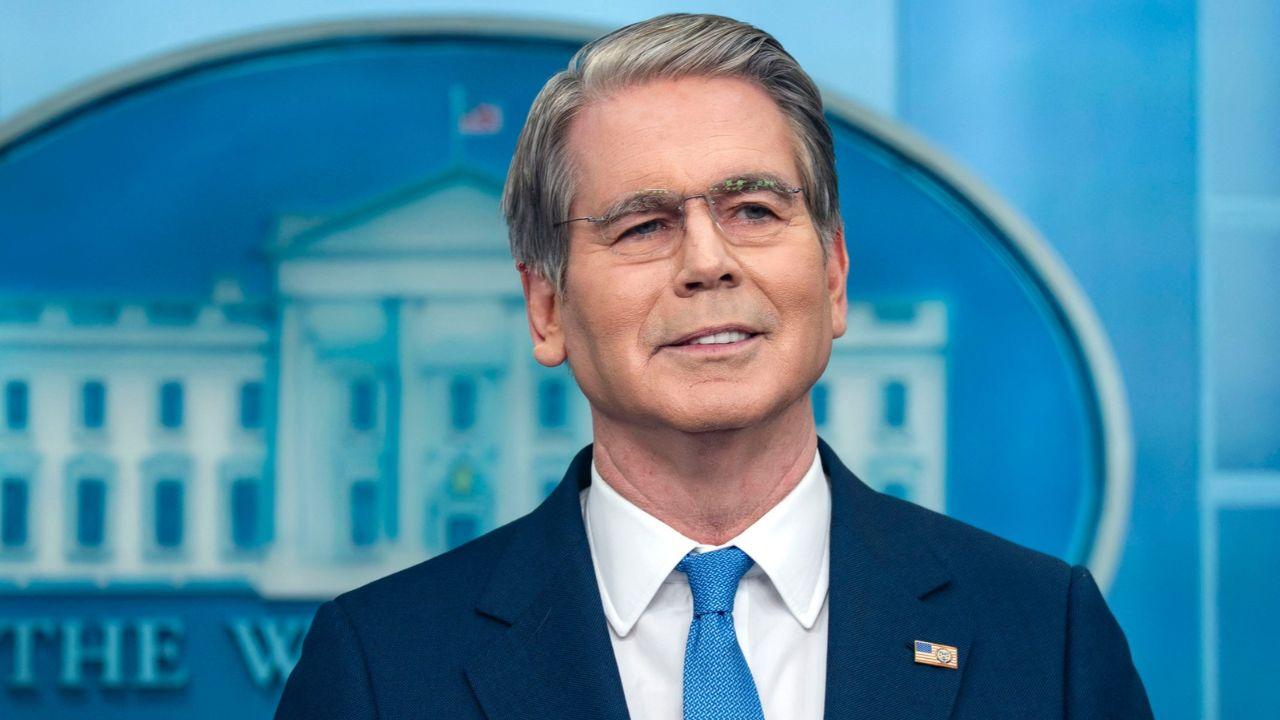
Bessent compared security glitches to vaccine side effects
Speaking with host Margaret Brennan, Bessent praised financial institutions for their long-standing investment in cybersecurity.
"The banks have been at the forefront of cybersecurity for decades," he said. "They experience attacks every day, every week, every month, and they are by far the most resilient companies in the U.S. economy."
He then addressed the recent disruption involving JPMorgan Chase, suggesting that security patches could temporarily affect services while strengthening systems against future threats.
"I think the American people should think of it as a vaccine," Bessent explained. "Your arm may hurt, you may feel a little bad the next day, but it increases your long-term immunity and resiliency."
His remarks followed Brennan's observation that thousands of customers had encountered banking problems, with some reportedly withdrawing cash because of concerns about the disruptions.
JPMorgan Chase Explains Software Bug Behind Banking Disruptions
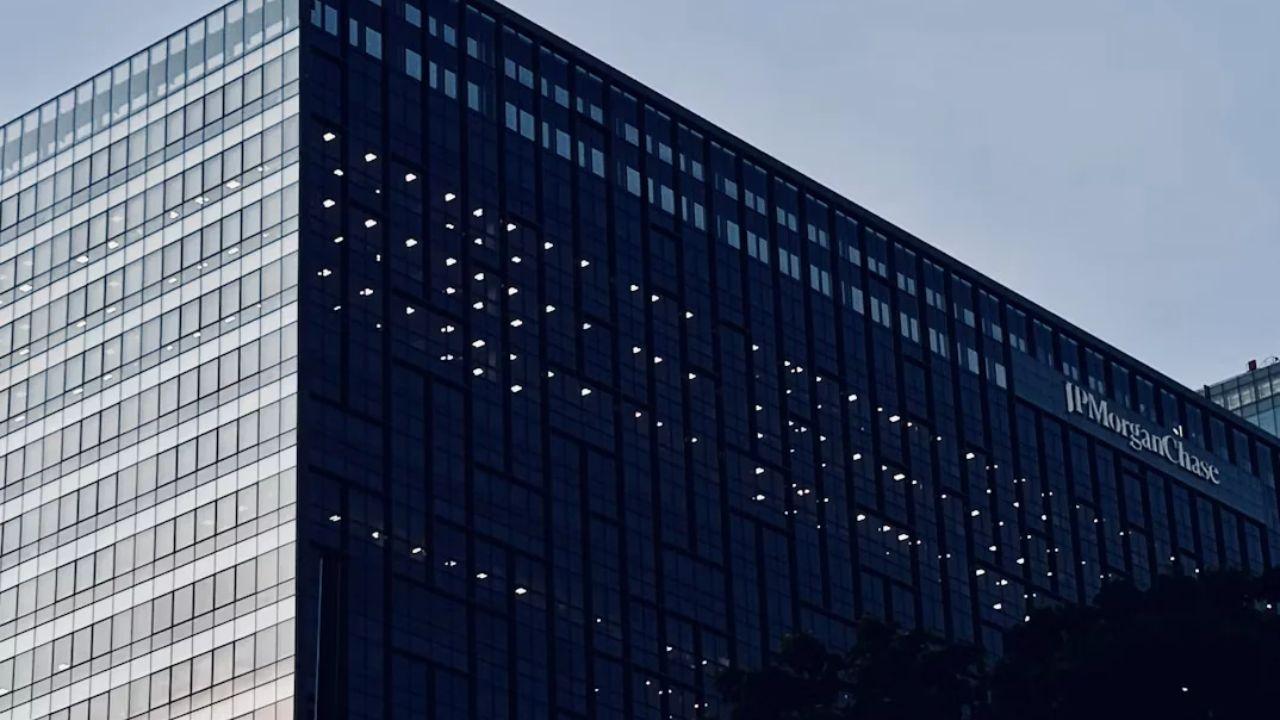
JPMorgan Chase blamed a software bug for its banking disruption
The banking complaints surfaced on November 16, when customers reported difficulties accessing services at JPMorgan Chase, Bank of America, Wells Fargo, U.S. Bank, and other financial institutions.
However, JPMorgan identified a software bug affecting its on-premises hardware systems as the source of its transaction delays.
"There is no evidence it is cyber-related," a bank spokesperson said, adding that some customers were experiencing longer-than-usual processing times.
JPMorgan also stressed that the problem was not systemic and that customers could still access their accounts and funds. U.S. Bank separately confirmed that its systems were not directly affected, although some Zelle transactions involving other institutions could be delayed.
Importantly, the bank's public explanation identified a software bug, not a confirmed cybersecurity attack or independently established security-patch failure.
Microsoft and FAA Outages Add to Technology Concerns
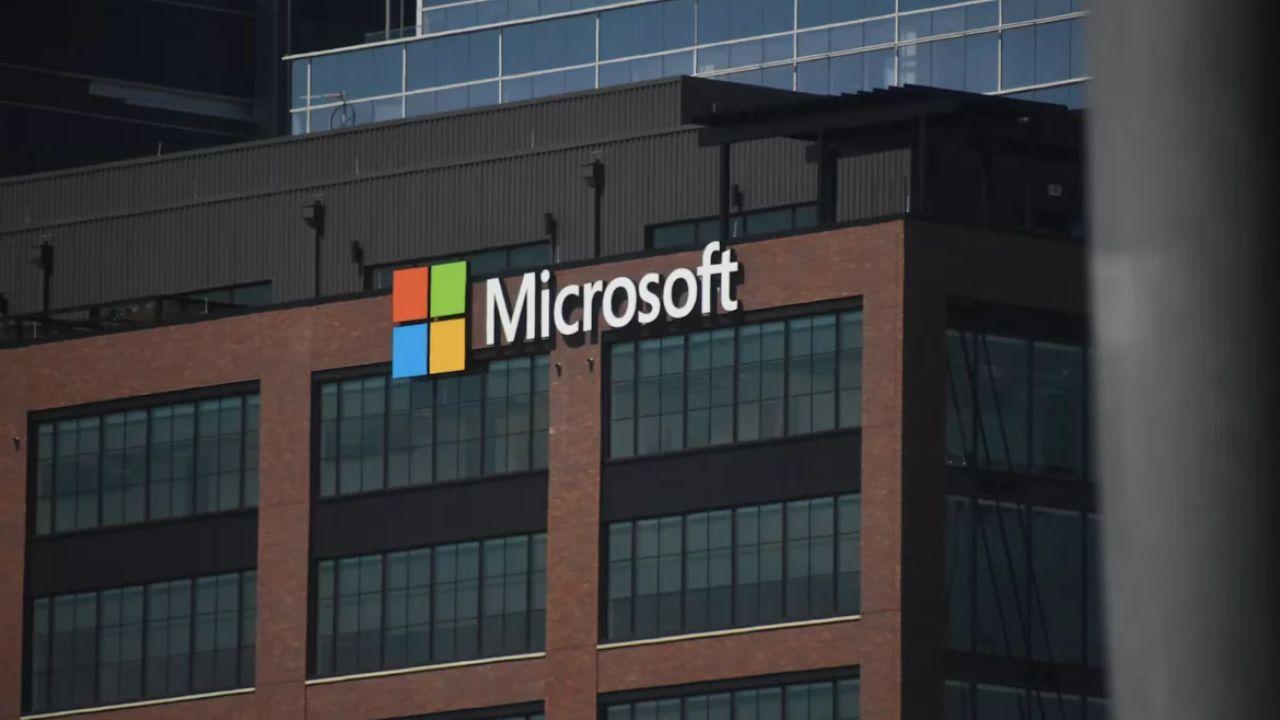
Microsoft and FAA also faced major technical outages in November
The banking disruption followed other technology problems that affected essential services across the country.
Microsoft experienced a global outage around November 12 that disrupted services, including email. Company President Brad Smith addressed the incident during the same CBS broadcast, ruling out both artificial intelligence and a cyberattack as causes.
"It was basically a perfect storm of software that was updated four months earlier, and then it interacted with a new update and a shift in network traffic," Smith explained.
He said Microsoft had already implemented nine corrective measures, with another 13 planned.
The Federal Aviation Administration also issued a nationwide ground stop on November 13 after telecommunications problems destabilized communications and radar systems used by air traffic controllers.
The FAA later said excessive data traffic had affected its legacy network. The disruption resulted in thousands of flight cancellations, although the agency reported that aircraft safety was maintained.
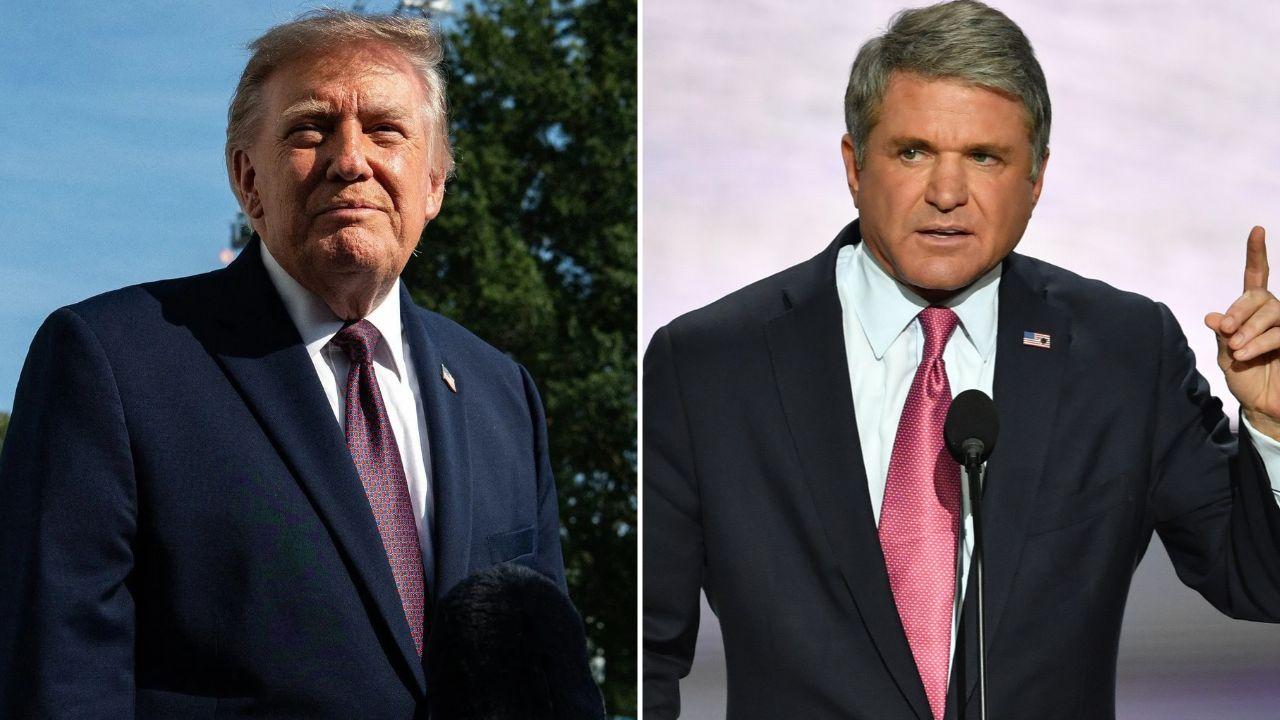
Intelligence Chief Warns More Technology Glitches Could Follow

Never Miss an

Daily updates from the heart of Hollywood, right to your inbox
By entering your email and clicking Sign Up, you’re agreeing to let us send you customized marketing messages about us and our advertising partners. You are also agreeing to our Terms of Service and Privacy Policy.
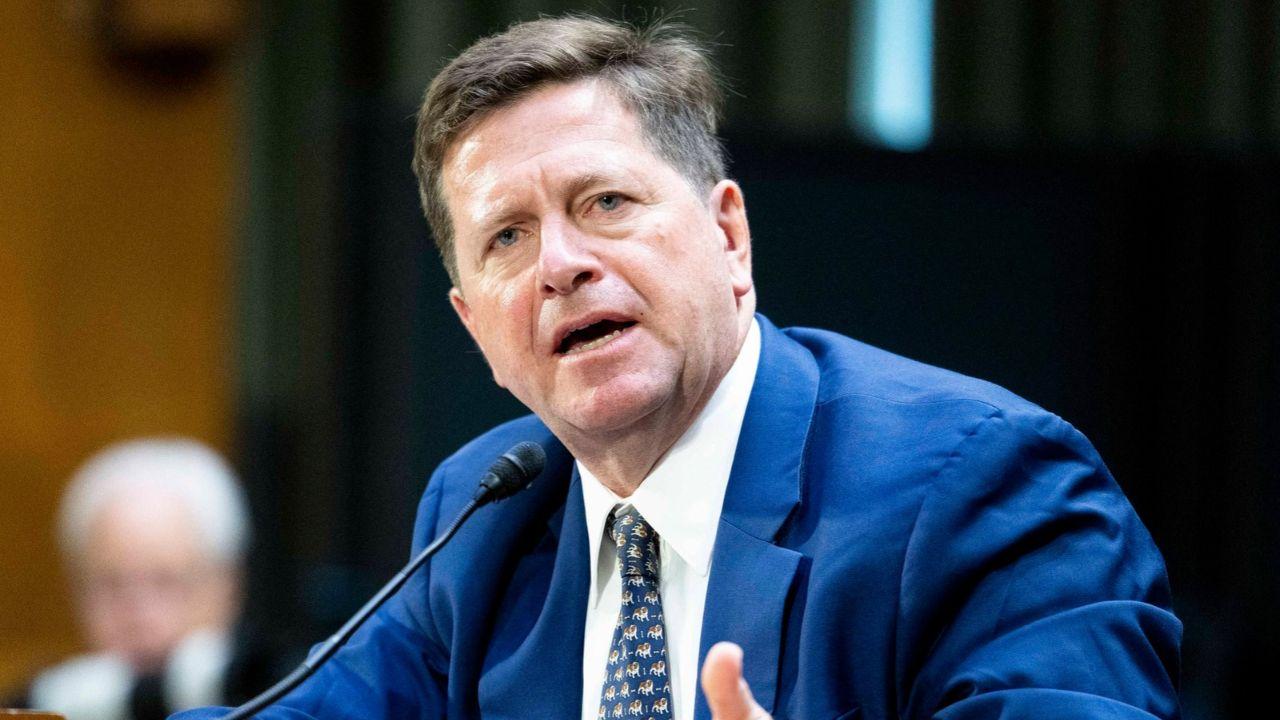
Bessent said US banks remain highly resilient against cyberattacks
Director of National Intelligence Jay Clayton also cautioned that Americans should prepare for additional interruptions as businesses and government agencies replace aging technology.
"And as part of that ongoing upgrade, we are going to have glitches, gaps, interruptions in service," he told CNN's State of the Union on November 22. "That is going to happen."
Clayton said the upgrades were necessary to improve performance and cybersecurity as technological demands increased. He also maintained that the recent incidents were not coordinated or state-sponsored attacks.
His comments offered a broader explanation for the disruptions, although the individual incidents had different reported technical causes.
For Bessent, the priority was reassuring customers that temporary interruptions did not mean America's banking institutions were fundamentally vulnerable. However, his vaccine comparison also acknowledged that further glitches could accompany efforts to strengthen the country's digital infrastructure.
