


EXCLUSIVE: Tiger Woods' New Troubles Exposed After Arrest — Why Golf Legend's DUI Case Expands Beyond Breathalyzer Results as It's Revealed He Had 'Loose Pills On Him'

Tiger Woods' DUI case is growing more complex after his arrest.

April 1 2026, Published 3:45 p.m. ET


Tiger Woods' latest legal troubles may be far more complicated than a simple DUI, RadarOnline.com can reveal.
New details from the golf legend's arrest suggest the case could hinge on more than whether he consumed alcohol or not before driving, especially after cops allegedly found loose pills in his possession.
More Than Alcohol

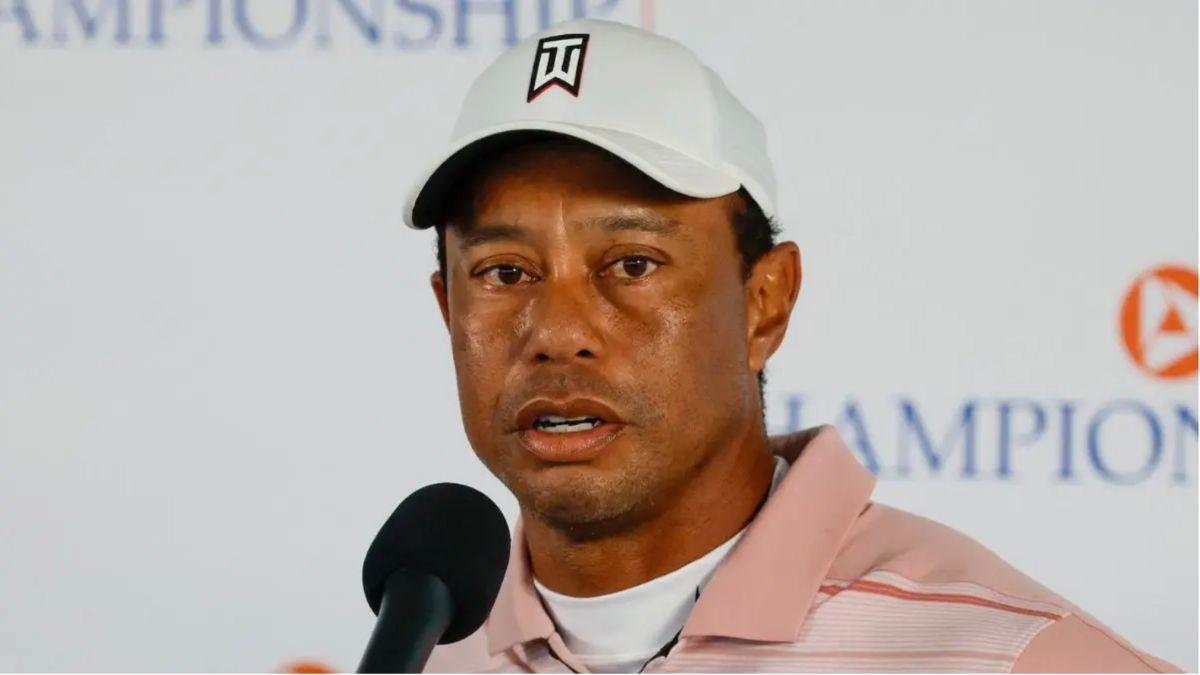
Cops allegedly found loose pills on the golf legend during the incident.
A Florida-based attorney explained that DUI cases in the state aren't limited to drinking, and Woods' situation could quickly escalate.
"Florida law is clear: DUI is about impairment, not just alcohol," attorney Mark Astor exclusively told Radar.
"Prescription medications, controlled substances, or even combinations of legally prescribed drugs can support a DUI charge," he added.
Bombshell Arrest Details
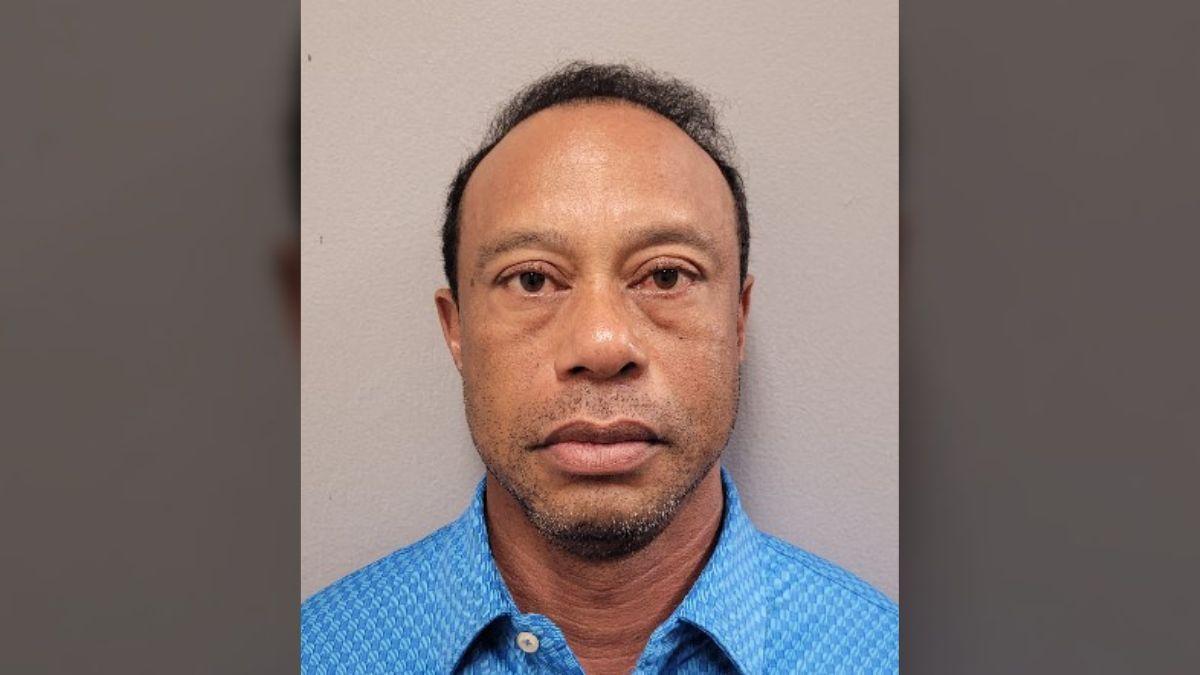
He also reportedly refused to submit to a urine test after the crash.
According to an arrest affidavit obtained by TMZ Sports, Woods allegedly had two loose hydrocodone pills in his pocket at the time of the incident.
When questioned about medications, Woods told officers, "I take a few."
While he admitted to taking prescription medication earlier that morning, he clarified that he had not used any illegal substances. He also said he hadn't consumed any alcohol.
Woods later proved his point when he registered a 0.00% blood alcohol content, but his physical condition raised immediate concerns among responding deputies.
Officers noted troubling behavior following the rollover crash, describing the golfer as "lethargic and slow," with "bloodshot and glassy" eyes and "extremely dilated" pupils. He was also "sweating profusely" despite being in a cooled cop car.
However, in contrast, cops said he appeared "extremely alert."
Refusal Raises Questions
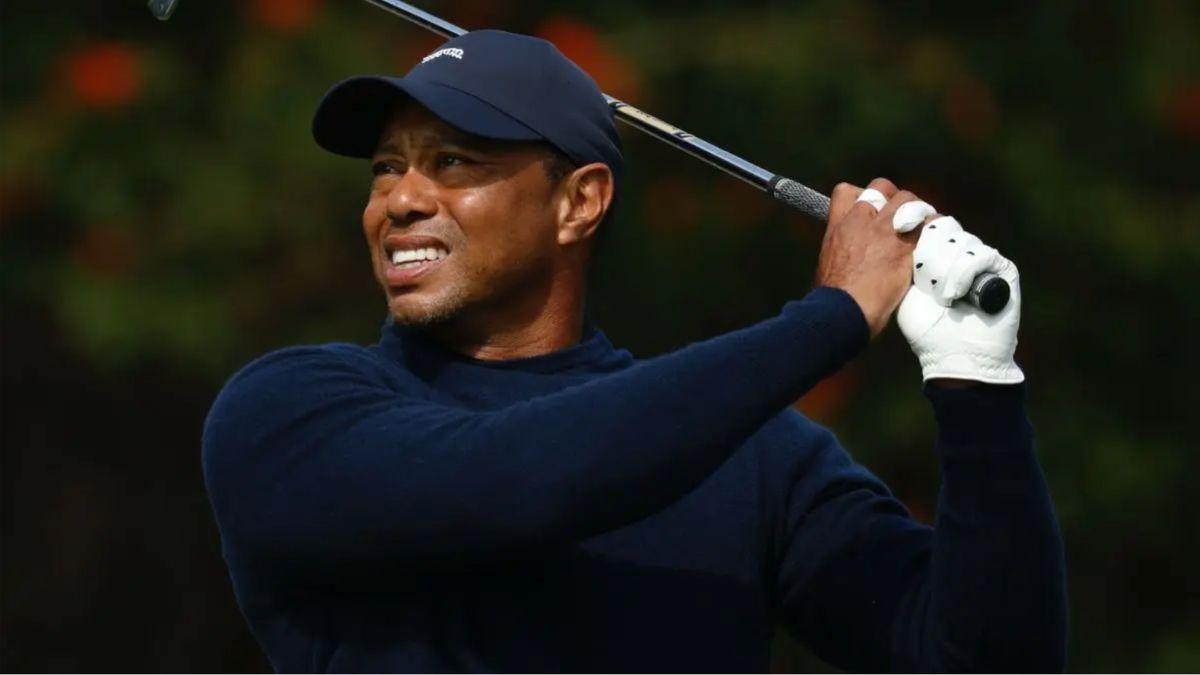
A Florida attorney said DUI cases hinge on impairment, not just alcohol.
Woods reportedly refused to submit to a urine test — a decision that could complicate his defense. Without chemical test results, prosecutors may instead lean heavily on circumstantial evidence to build their case.
"Prosecutors can rely on officer observations, driving behavior, and evidence of drug use — even without a completed urine test," Astor explained.
Woods also entered a written plea of "not guilty" for driving under the influence, according to AP News.

Tiger Woods Breaks His Silence

Never Miss an

Daily updates from the heart of Hollywood, right to your inbox
By entering your email and clicking Sign Up, you’re agreeing to let us send you customized marketing messages about us and our advertising partners. You are also agreeing to our Terms of Service and Privacy Policy.
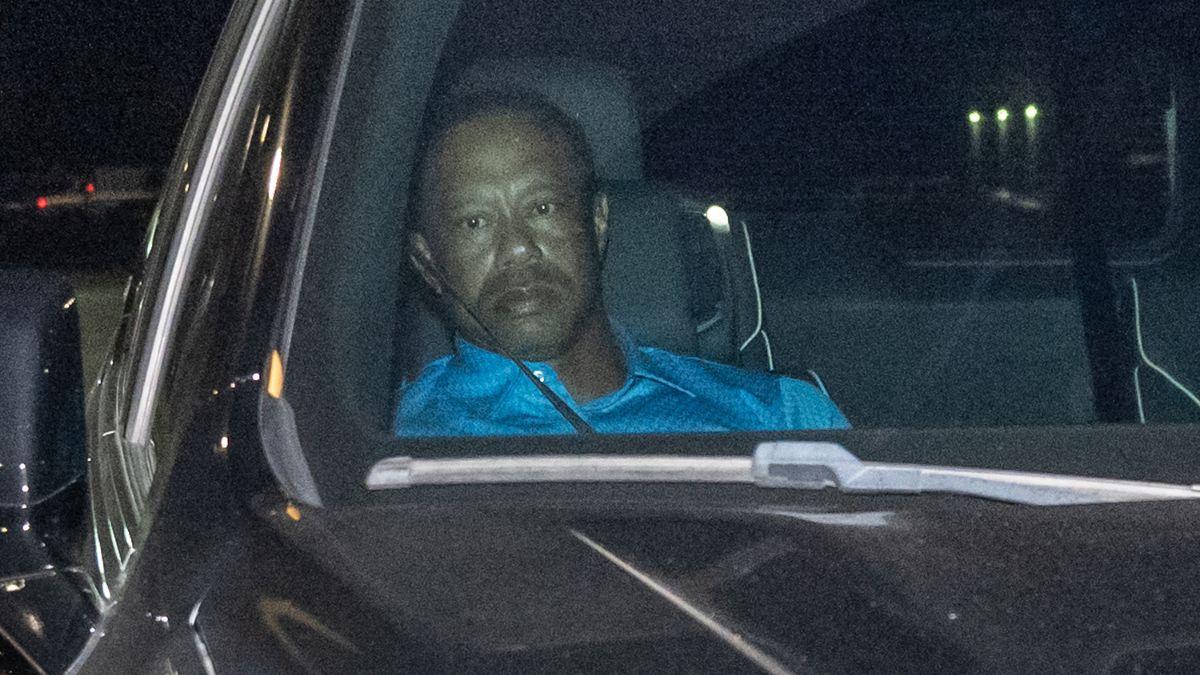
The lawyer added that drug use alone can support charges even without a test.
Woods took to his Instagram Stories on March 31 to share that he will be making changes after his rollover crash.
"I am stepping away for a period of time to seek treatment and focus on my health," he wrote. "This is necessary in order for me to prioritize my well-being and work toward lasting recovery."
"I'm committed to taking the time needed to return in a healthier, stronger and more focused place, both personally and professionally," he continued. "I appreciate your understanding and support, and ask for privacy for my family, loved ones and myself at this time."
The golfer did not specify what he would be seeking treatment for at the time.
