


EXCLUSIVE: Sam Neill's Jurassic Comeback — How Stoic Star Is Roaring Back Onto Big Screen After Beating Raging Cancer

Sam Neill has returned to the big screen after beating cancer in a powerful 'Jurassic' comeback.

June 1 2026, Published 8:00 a.m. ET


Actor Sam Neill escaped extinction in the Jurassic Park flicks and now he's miraculously survived stage 3 blood cancer during a five-year battle with the killer where he seemed doomed, RadarOnline.com can reveal.
"It looked like I was on the way out," said the 78-year-old New Zealander.
Star’s Miracle Cancer Comeback

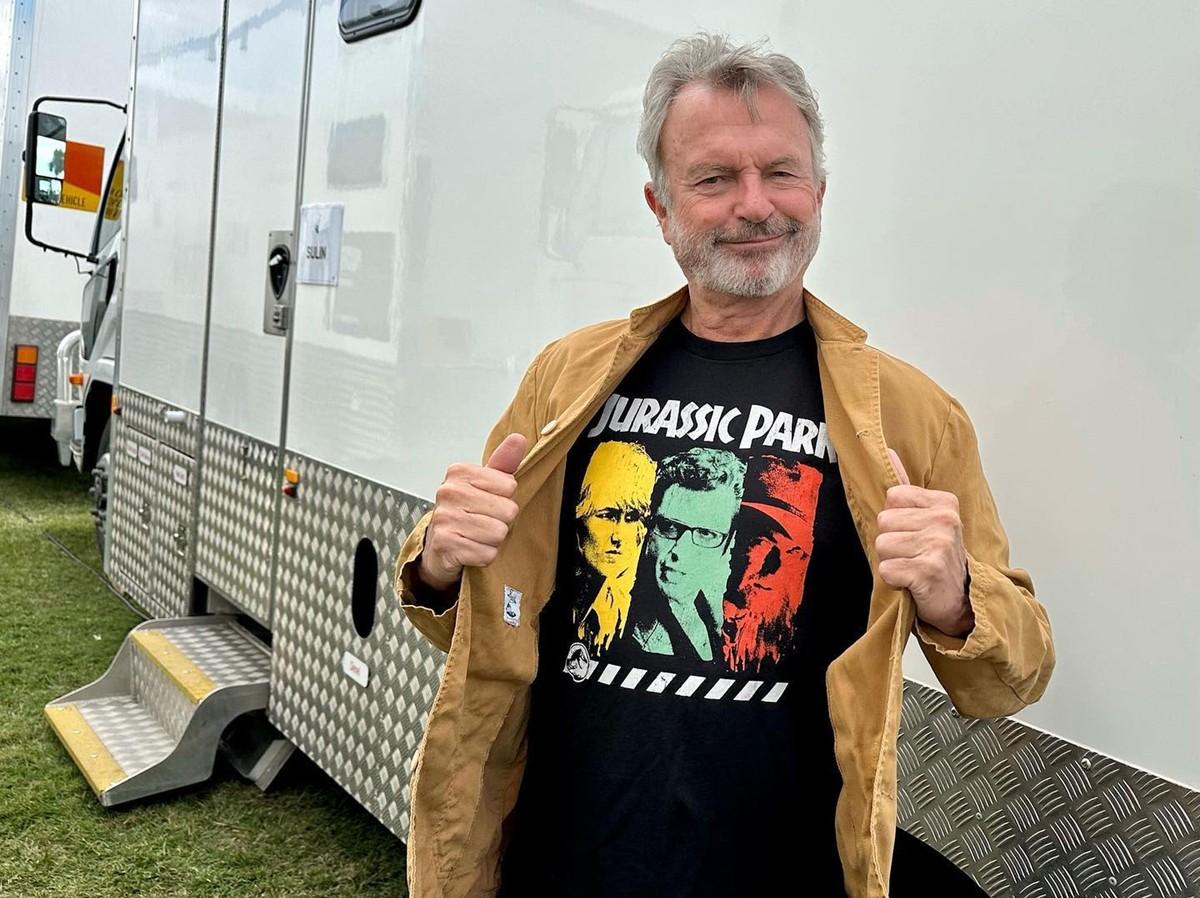
Sam Neill said he thought he was 'on the way out' before joining a CAR T-cell therapy trial after chemotherapy stopped working.
But he's alive and kickin' thanks to a new treatment, noting: "I've just had a scan just now and there is no cancer in my body – that's an extraordinary thing."
Neill began his war with the deadly disease, undergoing chemotherapy, which he describes as making him "miserable," but at least keeping him alive.
Then at one chilling point, the chemo stopped working and "I was at a loss ... it looked like I was on the way out."
In his desperate battle with the Grim Reaper, he turned to something new, a clinical trial for a CAR T-cell therapy.
‘Patient Zero’ Took Huge Risk
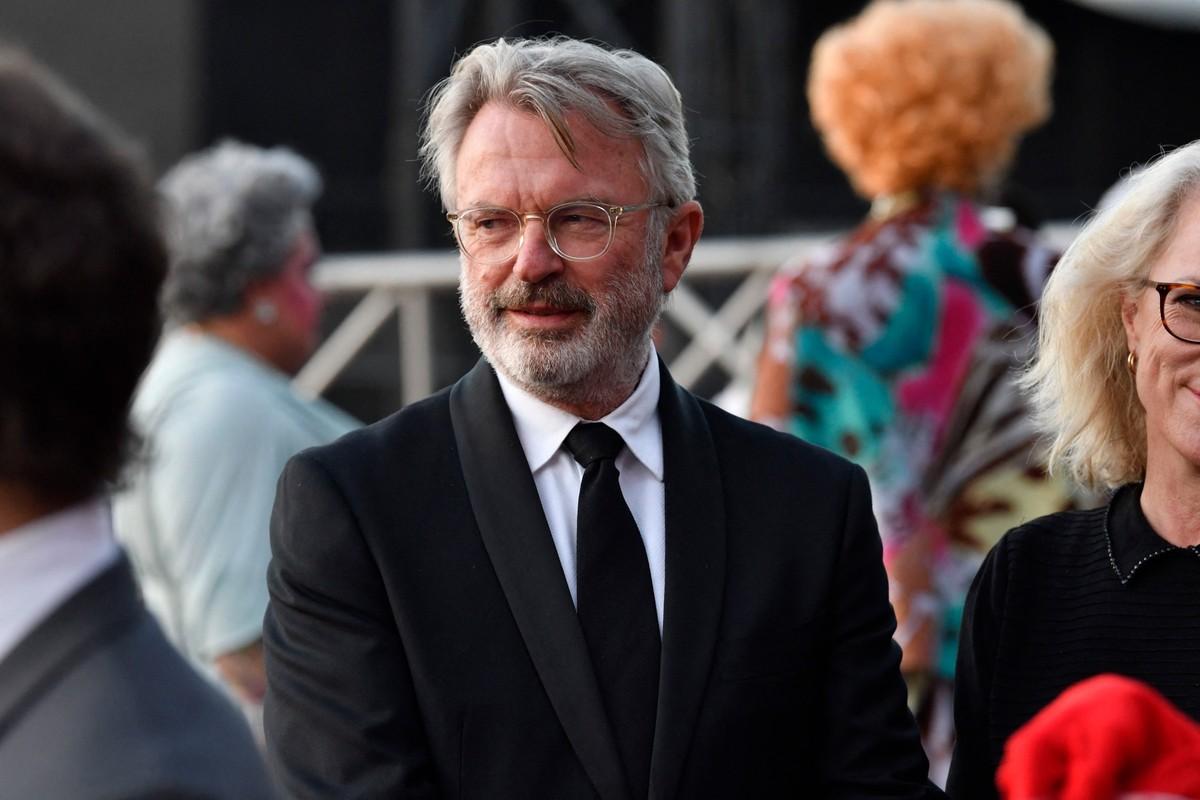
The American Cancer Society said CAR T-cell therapy alters blood cells genetically to target cancer, with Neill calling himself the trial's 'Patient Zero.'
The treatment is a personalized form of immunotherapy where the patient's blood cells are altered on a genetic level to seek and destroy the cancer, according to the American Cancer Society.
But it was a brand-new, untested cure where he says he was literally the No. 1 guinea pig.
"I think I was first out of the block and I think the term for me was 'Patient Zero'," he said.
"We were sailing into uncharted waters. No one knew exactly what we could expect," he said of his trial.
Actor Credits Medical Breakthrough

Never Miss an

Daily updates from the heart of Hollywood, right to your inbox
By entering your email and clicking Sign Up, you’re agreeing to let us send you customized marketing messages about us and our advertising partners. You are also agreeing to our Terms of Service and Privacy Policy.
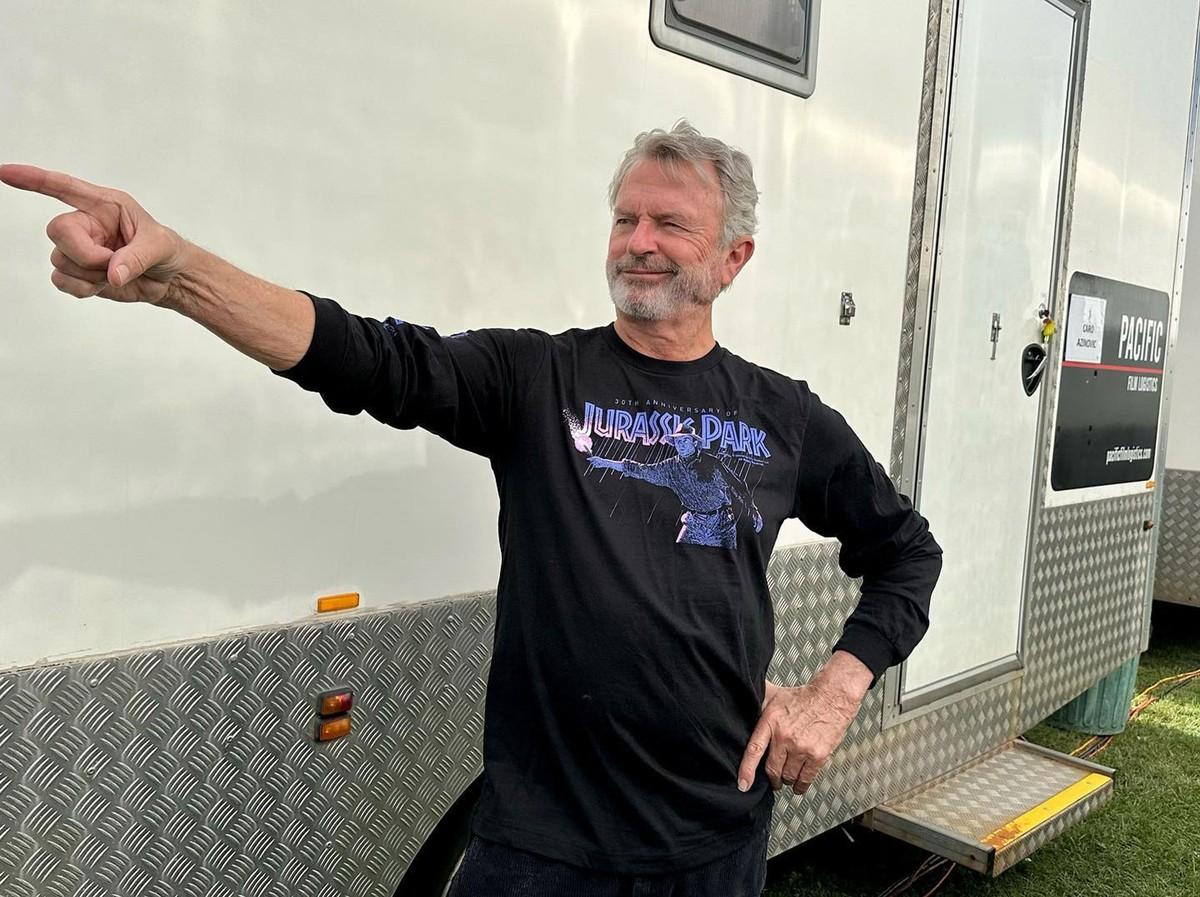
Neill said science and dedicated doctors helped him beat stage 3 blood cancer, as he now supports Australia's Snowdome Foundation.
While he's tempted to describe his survival as miraculous, he said, "Of course, it is not a miracle, it is science at its best.
"And [about] a lot of people who care deeply about their work and their patients. I am immensely grateful."
Now, he's supporting Australia's Snowdome Foundation, a nonprofit working for blood cancer patients.
And he's rarin' to get back to battling dinosaurs, adding: "It's time I did another movie."
