


EXCLUSIVE: RJ Mitte's Greatest Regret Over Disability on TV Revealed After Tragic Death At 34

RJ Mitte urged Hollywood to hire more disabled actors.
Oct. 15 2026, Published 8:00 p.m. ET


RJ Mitte's longstanding frustration over the lack of opportunities for disabled performers has returned to the spotlight after the Breaking Bad actor's death at age 34, with his now-poignant words revealing his determination to transform representation on television, RadarOnline.com can reveal.
The much-loved actor, who had cerebral palsy, became internationally recognized for portraying Walter White Jr. in AMC's acclaimed crime drama Breaking Bad.
'I Wouldn't Be in the Position I Am in Today Without My Disability'

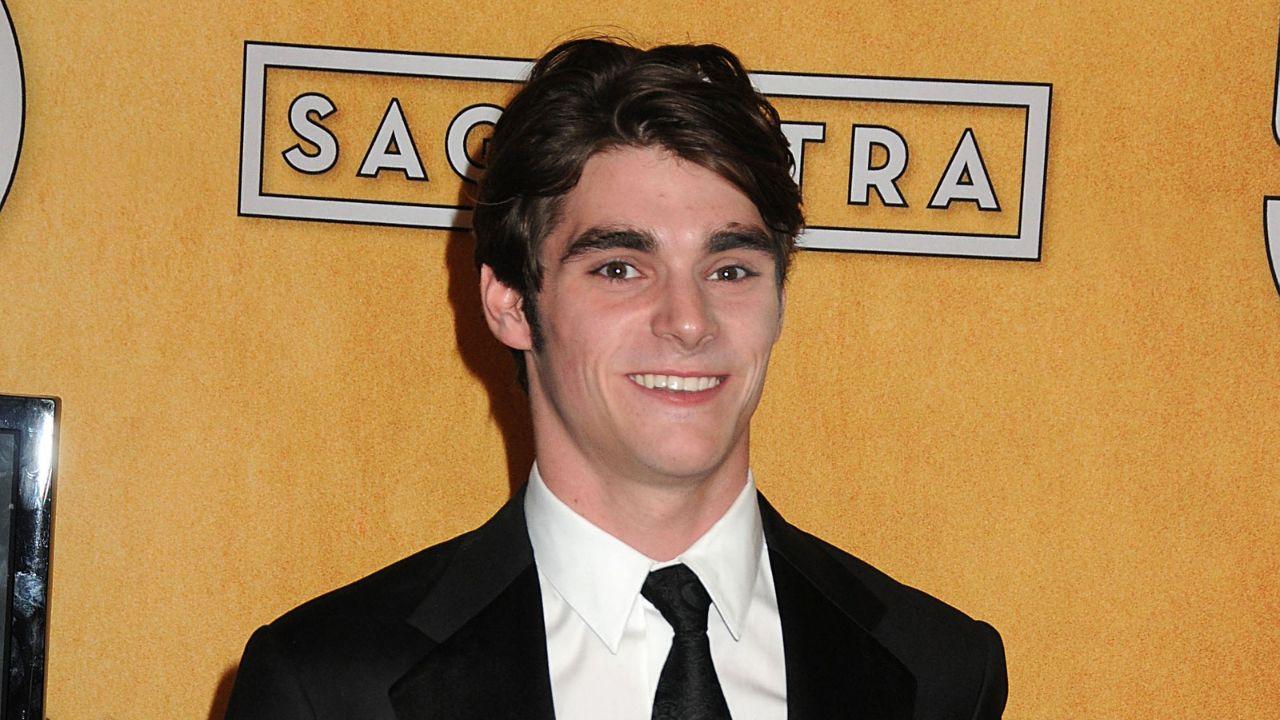
Mitte's biggest regret was the lack of disabled actors in everyday TV roles.
In a 2016 interview, which has resurfaced since his passing by suicide, Mitte criticized the entertainment industry's failure to provide disabled performers with meaningful opportunities beyond roles defined by their medical conditions.
He also previously revealed his greatest regret over disability representation on television was that he never got to see someone disabled on a show not defined by their condition.
Mitte said: "I wouldn't be in the position I am in today without my disability. I utilized everything I know about living with cerebral palsy for my role in Breaking Bad."
The actor's comments reflected his belief that disability should be recognized as an integral part of an individual's identity rather than treated as an obstacle to professional achievement.
RJ Mitte Called for Greater Hollywood Inclusion
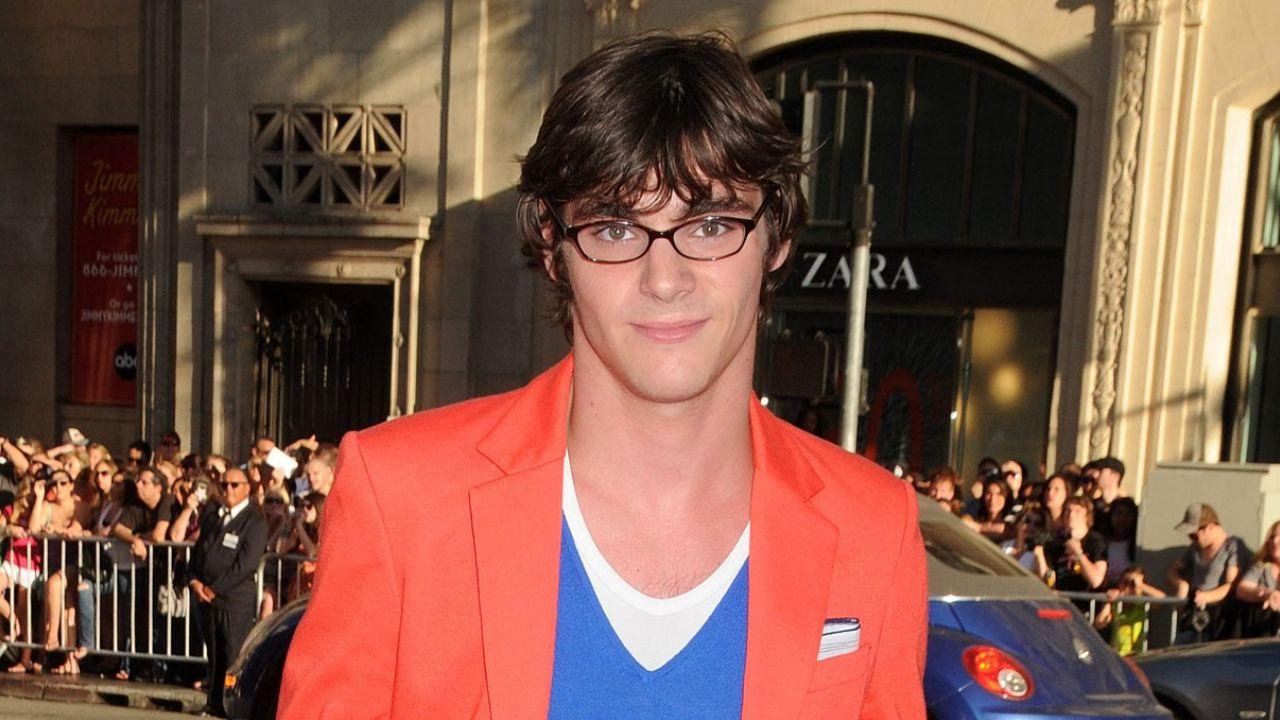
Mitte used his experience with cerebral palsy in his role.
But Mitte also argued Hollywood's progress toward inclusion remained insufficient, particularly in creating opportunities for disabled people behind the camera.
He added: "We know lots of progress is being made, but the industry must do more to help disabled people work both in front of and behind the camera."
Mitte was particularly critical of the tendency for broadcasters to showcase disabled talent during major sporting events while offering comparatively limited visibility throughout the rest of their programming schedules.
"During the Paralympics there will be more disabled people than ever before on TV, but this shouldn't be something that just happens every four years," Mitte said at the time.
His remarks came amid broader debates about whether the entertainment industry was doing enough to normalize disability through casting decisions, storytelling and employment practices.
Mitte believed disabled actors deserved opportunities to portray characters whose personalities, ambitions and experiences extended far beyond their physical conditions.
Mitte noted: "I would love to switch on my TV and see a disabled person talking about something they are genuinely interested in or acting out a part that doesn't just focus on their impairment."
'Breaking Bad' Star's Death Prompts Tributes
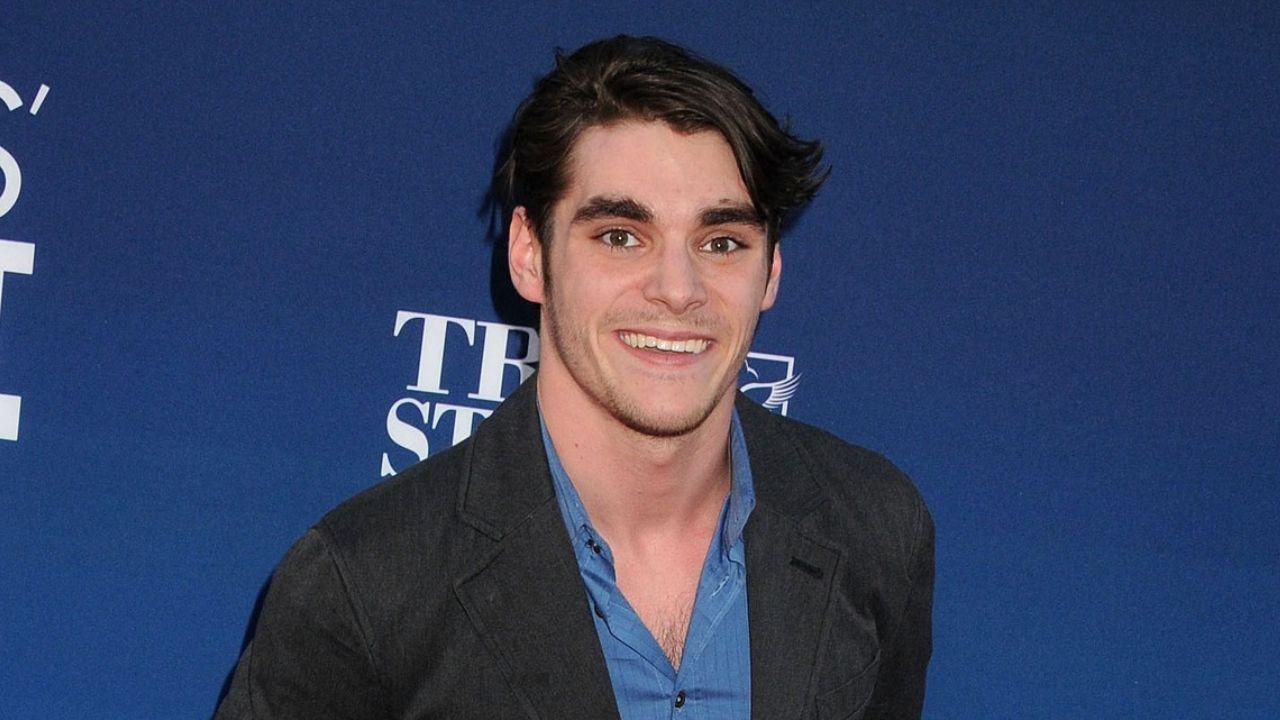
The 'Switched at Birth' actor criticized TV focus during 'Paralympics' games.
Mitte died on Monday, October 12, in Brownsville, Texas, where authorities pronounced him dead at approximately 1.30 pm.
His representatives confirmed the death, subsequently reported as suicide, while officials said an autopsy would investigate the circumstances of his sudden passing.
His death prompted tributes from former colleagues, including Bryan Cranston, 70, who portrayed his father in Breaking Bad, and their former co-star on the smash show Aaron Paul, 47, who played Jesse Pinkman.
Mitte had appeared publicly at the Albuquerque International Balloon Fiesta on October 4, alongside former co-star Luis Moncada, eight days before his death.
He also attended a Beverly Hills screening of his film Talking to Strangers on September 30, continuing a career that included Switched at Birth, Triumph and The Guardians of Justice.
RJ Mitte Championed Disability Rights Beyond Hollywood

Never Miss an

Daily updates from the heart of Hollywood, right to your inbox
By entering your email and clicking Sign Up, you’re agreeing to let us send you customized marketing messages about us and our advertising partners. You are also agreeing to our Terms of Service and Privacy Policy.
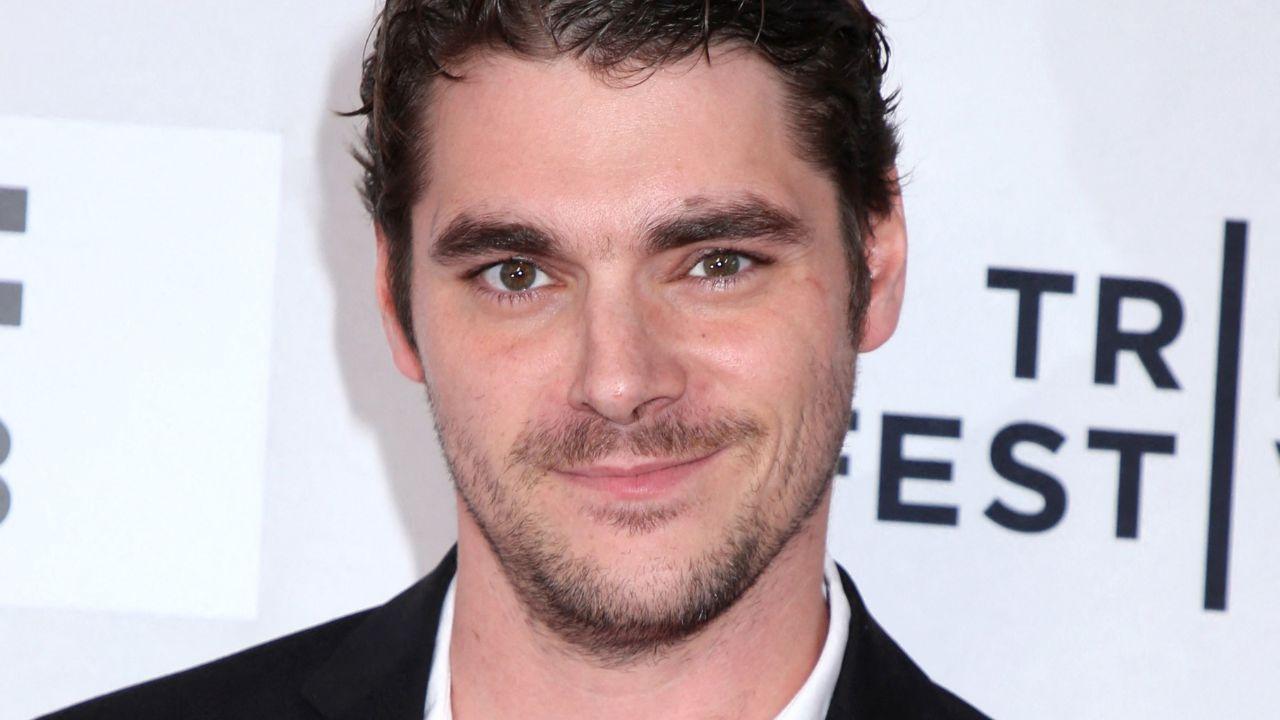
Mitte supported 'United Cerebral Palsy' during his lifetime.
Beyond acting, Mitte worked with United Cerebral Palsy and Shriners Children's, promoting greater access to employment and opportunities for people with disabilities.
He also served as president of the Mitte Foundation, supporting charitable initiatives and community arts programs in Texas.
His representatives described him as a passionate advocate whose experiences with cerebral palsy had informed both his performances and his public campaigning.
