


RJ Mitte Dead at 34: 'Breaking Bad' Star Reportedly Dies by 'Suicide' 13 Years After Hit AMC Show Ended

R.J. Mitte was just 34-years-old when died.

Oct. 12 2026, Published 4:50 p.m. ET


star R.J. Mitte, who shot to fame playing the son of Bryan Cranston's meth-dealing kingpin Walter White on the smash-hit AMC crime drama, has reportedly died by suicide at just 34 years old, RadarOnline.com can reveal.
TMZ reported that Mitte died on Monday, October 12, in Texas, citing a county official. Law enforcement is continuing its investigation.
R.J. Mitte Had Cerebral Palsy

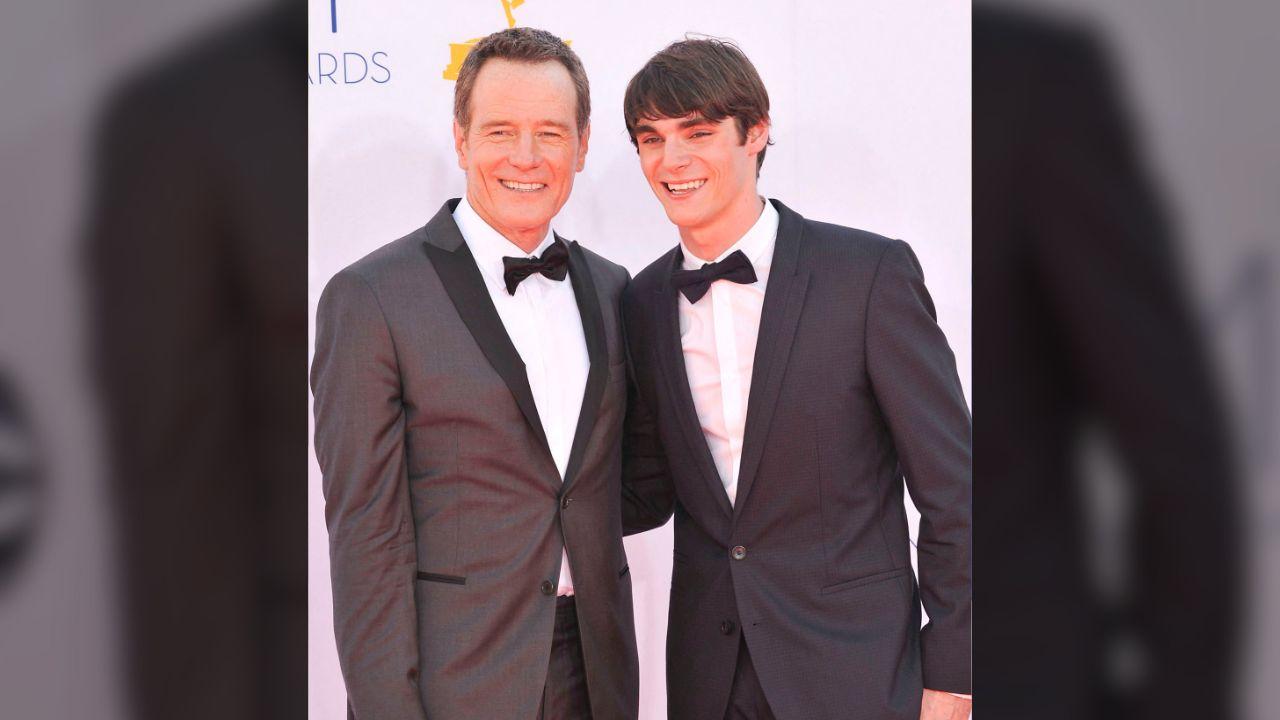
R.J. Mitte appeared in 56 episodes of 'Breaking Bad.'
Mitte battled cerebral palsy, a neurological condition that was incorporated into his breakout role as Walter Hartwell White Jr. on the acclaimed series.
He credited the condition with helping him secure the part.
"I wouldn’t be in the position I am in today without my disability. I utilized everything I know about living with cerebral palsy for my role in Breaking Bad," Mitte shared in a 2016 interview.
He explained, "It was my acting ability that landed me the role, although my disability helped get me the part of Walt Junior – like everyone else, I went through a grueling audition process."
R.J. Mitte Kept Working Steadily After 'Breaking Bad'
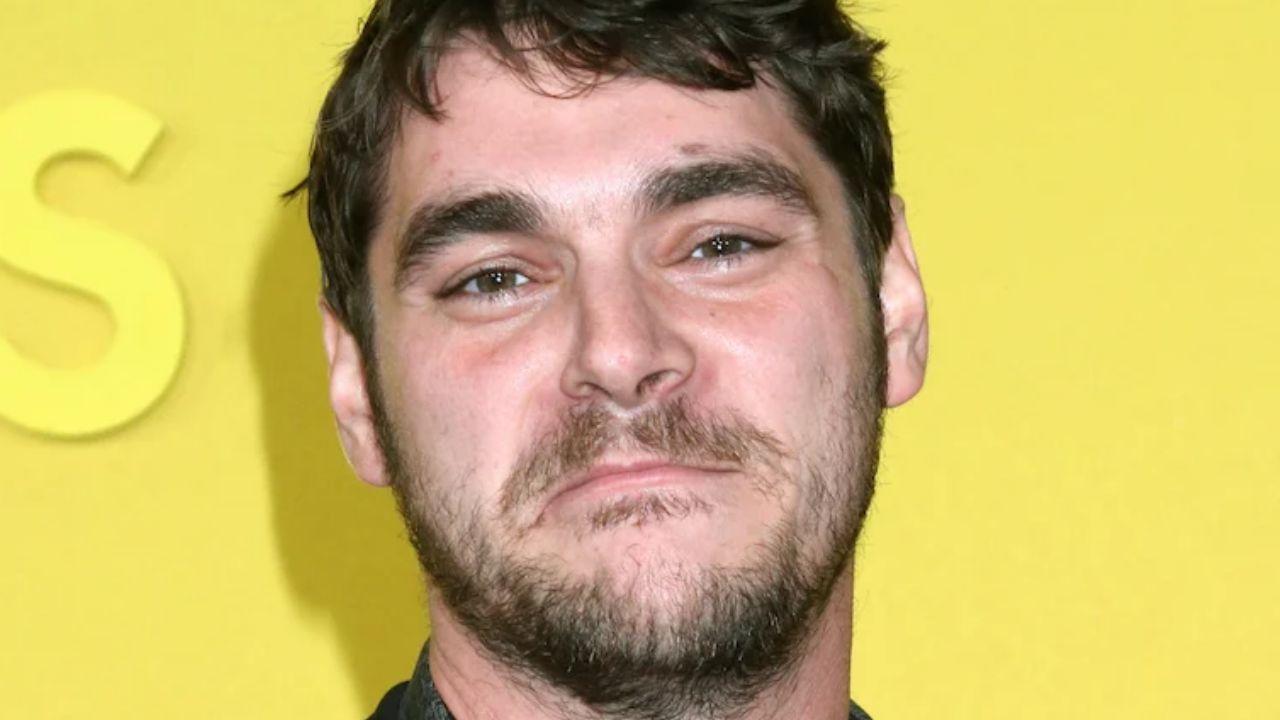
R.J. Mitte championed the cause of disabled actors.
During the same interview, a then-24-year-old Mitte was co-hosting NBC's coverage of the 2016 Rio Paralympic Games, using the high-profile platform to champion greater opportunities for performers with disabilities.
"I'm really looking forward to co-presenting the Paralympics, and I truly hope Rio 2016 will open further opportunities for other disabled actors in TV," he said at the time.
Mitte kept busy with a steady stream of guest parts and voice-over projects, although Breaking Bad remained his biggest claim to fame and most high-profile role.
He lent his recognizable voice to 20 episodes of The HCBS Final Rule: The Animated Series, an educational project that breaks down complex federal Medicaid regulations governing home and community-based services. The series aimed to help people with disabilities better understand their rights and the rules intended to give them greater independence and control over their lives.
R.J. Mitte Called His Experience on Breaking Bad 'Life-Changing'
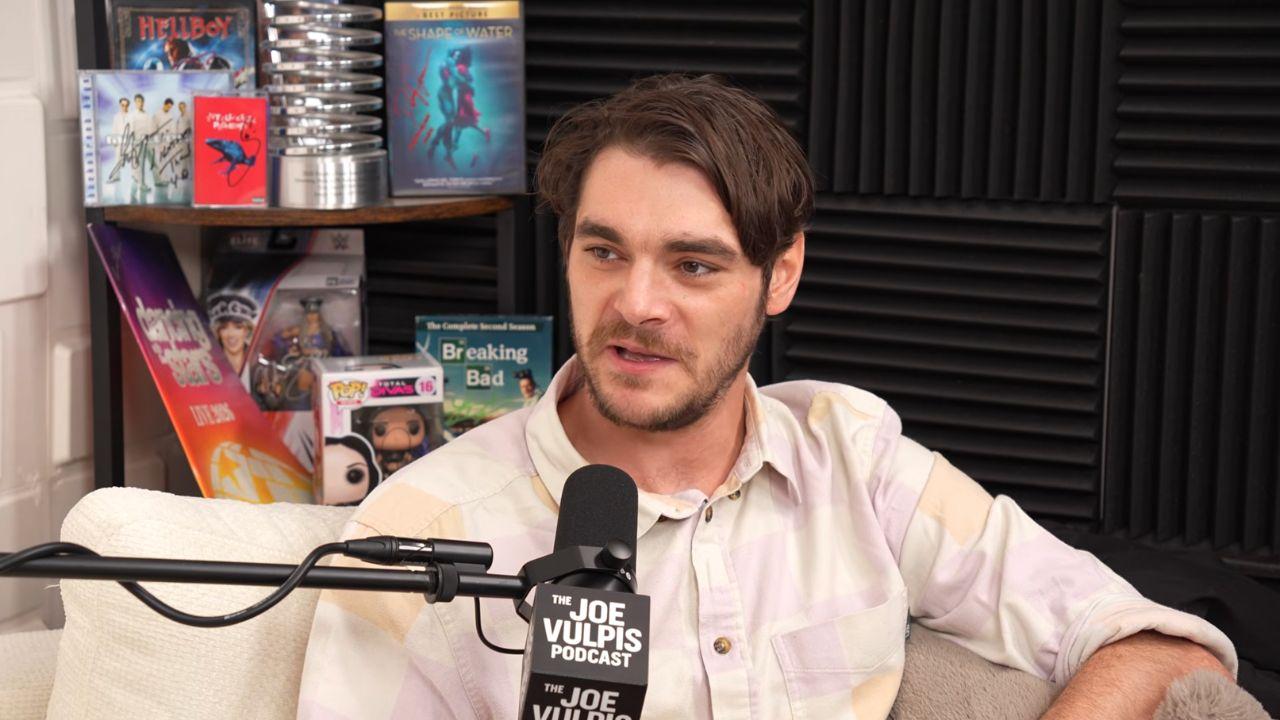
R.J. Mitte went from a young teen to a 21-year-old adult while starring on 'Breaking Bad.'
Mitte just appeared on The Joe Vulpis Podcast on October 5, one week before his death.
He said, "It's unbelievable. It's truly life-changing," about how streaming services are helping audiences discover a character he played in his teens. Audiences watched Mitte's character grow up from a 13-year-old to a 21-year-old, spending his formative years on the show.
During the podcast, Mitte revealed that as a child, he spent years undergoing grueling physical, occupational, and speech therapy, including having his feet bound, to improve his mobility and avoid relying on walking aids, only for his Breaking Bad role to require crutches.
"I worked really, really hard to not rely on the aids of anything that would inhibit my mobility," he shared, noting that creator and director Vince Gilligan wrote the role based on a friend with cerebral palsy who used walking aids.
R.J. Mitte Recently Reflected on Where His 'Breaking Bad' Character Would Be Today

Never Miss an

Daily updates from the heart of Hollywood, right to your inbox
By entering your email and clicking Sign Up, you’re agreeing to let us send you customized marketing messages about us and our advertising partners. You are also agreeing to our Terms of Service and Privacy Policy.
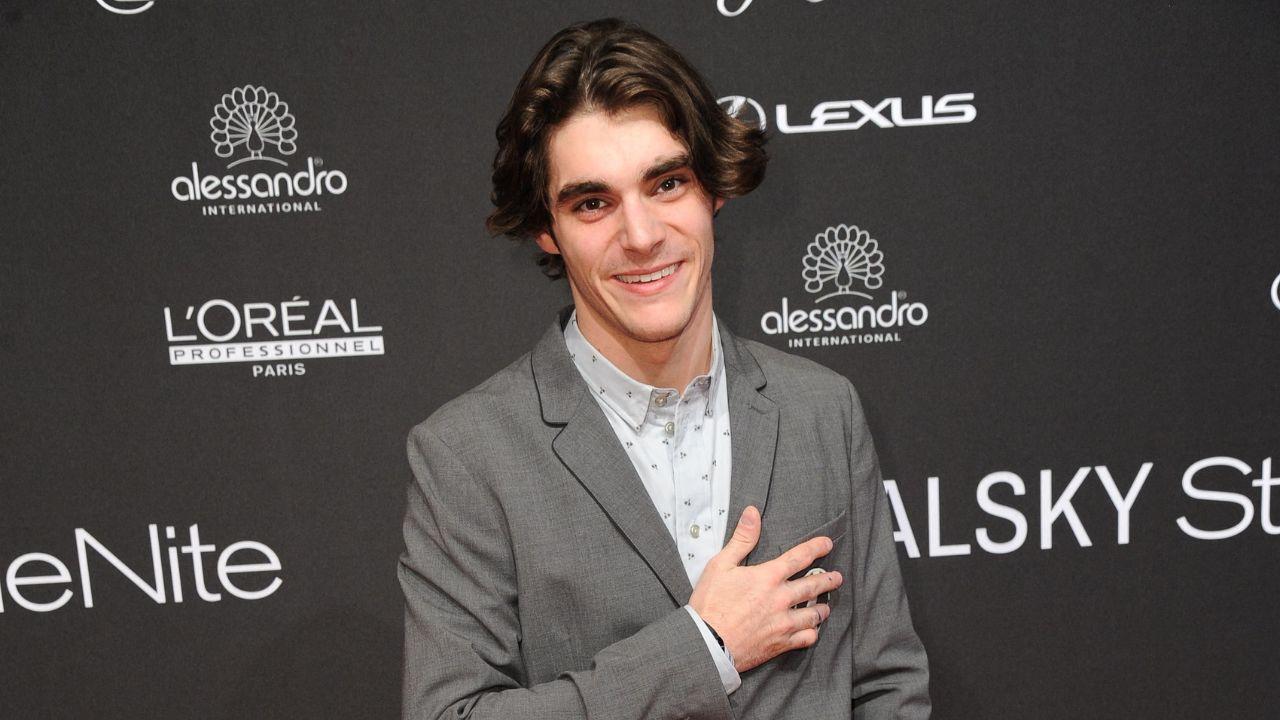
R.J. Mitte said his character of Walt Jr. would be in a 'good place' today.
Mitte was the last role cast on the show, and he went on to share where he believes Walt Jr. would be today, and whether he got the $9.7 million Walt Sr. left him in an irrevocable trust before being killed in a shootout.
"I don't think it's a good place. I really don't. I don't see that Skyler, Walt Jr., and Holly are in the best position now," he told Vulpus, referring to his mother and baby sister on the show.
"I would like to think, you know, what everyone wants is Junior; they got the money, and Walt Junior's following in the footsteps and all these things. And in reality, I see it more as sadness and despair, and that they don't get the money because, you know, when the DEA comes in, especially to a man like Walter White, like Heisenberg, who isn't just some small nobody but a global distributor destroying millions of lives, they don't just let the family go," he added, explaining that the family would have been under "lock and key" by the feds.
