


EXCLUSIVE: Why Prince Harry Is Being Branded a 'Total Hypocrite' Over Selfie Run-In With Reporter on Australia Tour

Prince Harry may have returned from Australia, but he's still feeling the heat.
April 23 2026, Published 6:20 p.m. ET


Prince Harry has been branded a "total hypocrite" after an awkward selfie run-in with a reporter during his Australia tour – with critics telling RadarOnline.com the duke's "laid-back" branding jars with his reaction to a seemingly light-hearted moment.
The 41-year-old Duke of Sussex was visiting Melbourne with his wife, Meghan Markle, 44, on the recent "faux royal" tour of Oz when the incident unfolded during a Scar Tree Walk through Fitzroy Gardens.

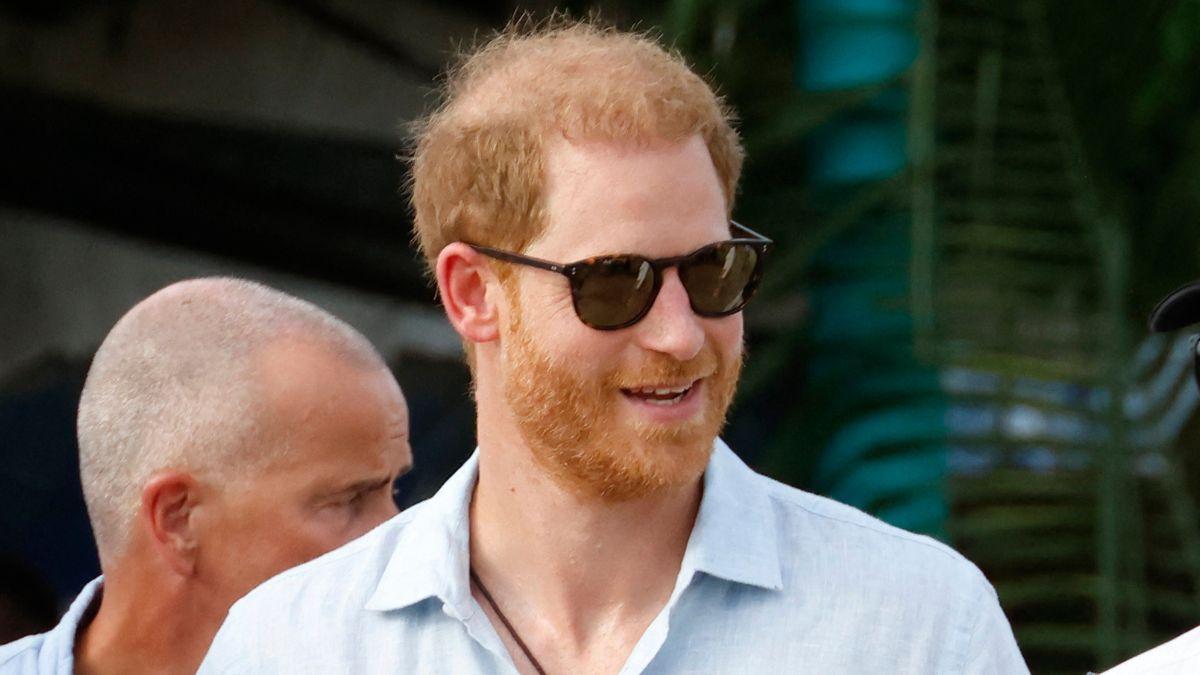
Prince Harry faced backlash over an awkward run-in with a reporter during a walk in Melbourne.
The couple had been undertaking a series of engagements focused on mental health and social issues, drawing significant media attention throughout the trip. The encounter occurred as they concluded a half-hour walk, with Channel 7 reporter Paul Dowsley attempting to capture a selfie amid the tightly managed press environment.
Footage of the moment showed Dowsley moving in and out of camera shots as he tried to get close enough for a photo, prompting visible disruption among staff.
Harry appeared to nudge the reporter aside to clear a path for Markle – an action widely noted for breaking with the restrained public interactions traditionally associated with royal appearances.
Apparently, the exchange was friendly, with Harry said to have complimented the reporter's tie and told him he was "always so well-dressed."
'He's Being Branded a Total Hypocrite Over It'
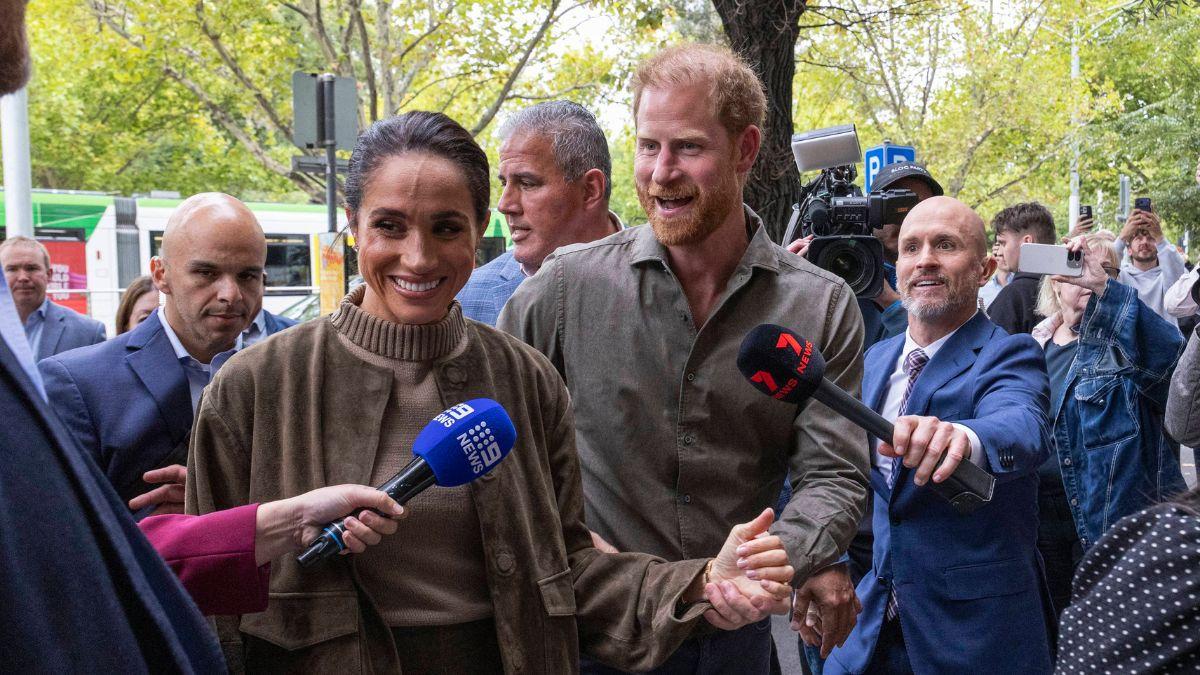
Prince Harry appeared to push the journalist aside to make room for Markle to pass.
But sources said the incident has fueled criticism of Harry's public persona. "Harry is desperate to present himself as laid back and approachable, but moments like this undermine that," one insider told us.
"He's being branded a total hypocrite over it – on one hand he wants to be seen as relaxed and lovable, and on the other he gets worked up by something as trivial as a selfie."
Another insider added, "It's the contrast that people are reacting to. The image doesn't quite match the behavior, whether it was light-hearted or not."
The encounter also highlighted the tension between the Sussexes' controlled tour environment and the persistent Australian media presence.
Dowsley, who had been pursuing exclusives throughout the visit, was eventually escorted away by a security guard identified as "Chris from Texas." Observers noted the incident illustrated the challenges of balancing accessibility with privacy during high-profile tours.
Public Image Debate Continues
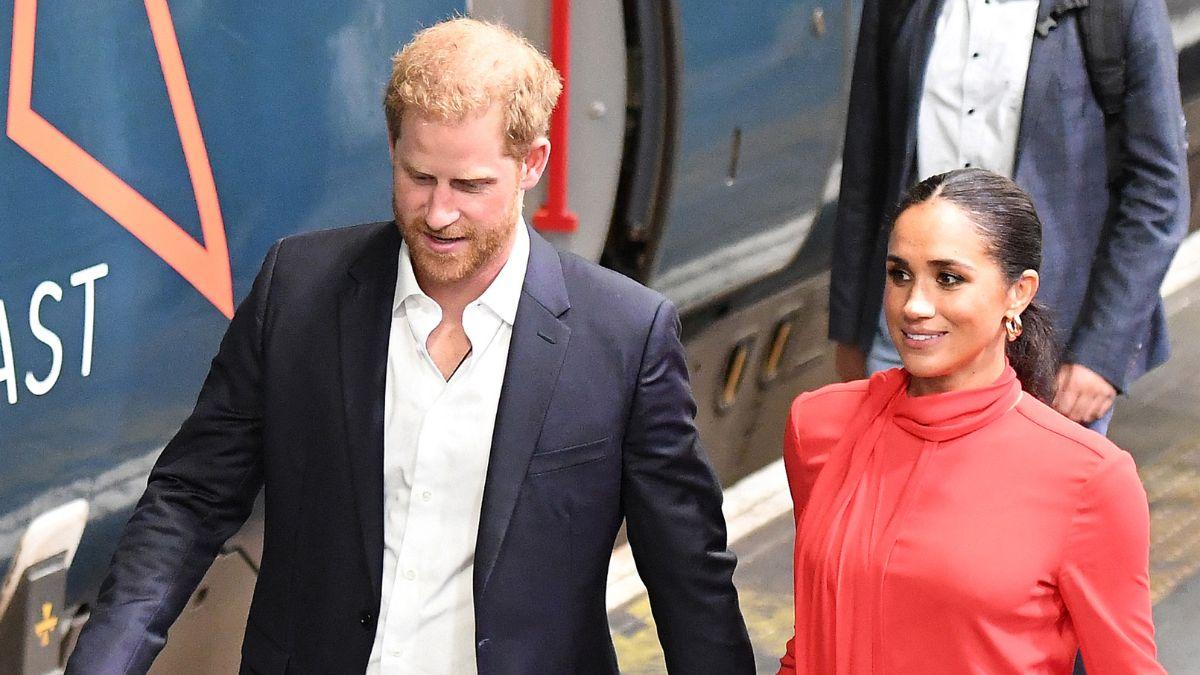
The Sussexes continued their 'faux royal' tour with a series of engagements across the country.
Media analysts said even minor interactions can take on outsized significance when they involve globally recognized figures.
"In the context of a royal tour, every gesture is scrutinized," one commentator said. "Something that might otherwise be brushed off becomes a talking point, especially when it appears to contradict a carefully cultivated image."
The broader Australia tour saw Harry and Markle engage with students, community groups, and industry leaders, often speaking about mental health, online behavior, and personal resilience.
Their appearances have combined formal engagements with more informal moments designed to present a relatable image, though the balance has proven difficult to maintain under intense media coverage.

Never Miss an

Daily updates from the heart of Hollywood, right to your inbox
By entering your email and clicking Sign Up, you’re agreeing to let us send you customized marketing messages about us and our advertising partners. You are also agreeing to our Terms of Service and Privacy Policy.
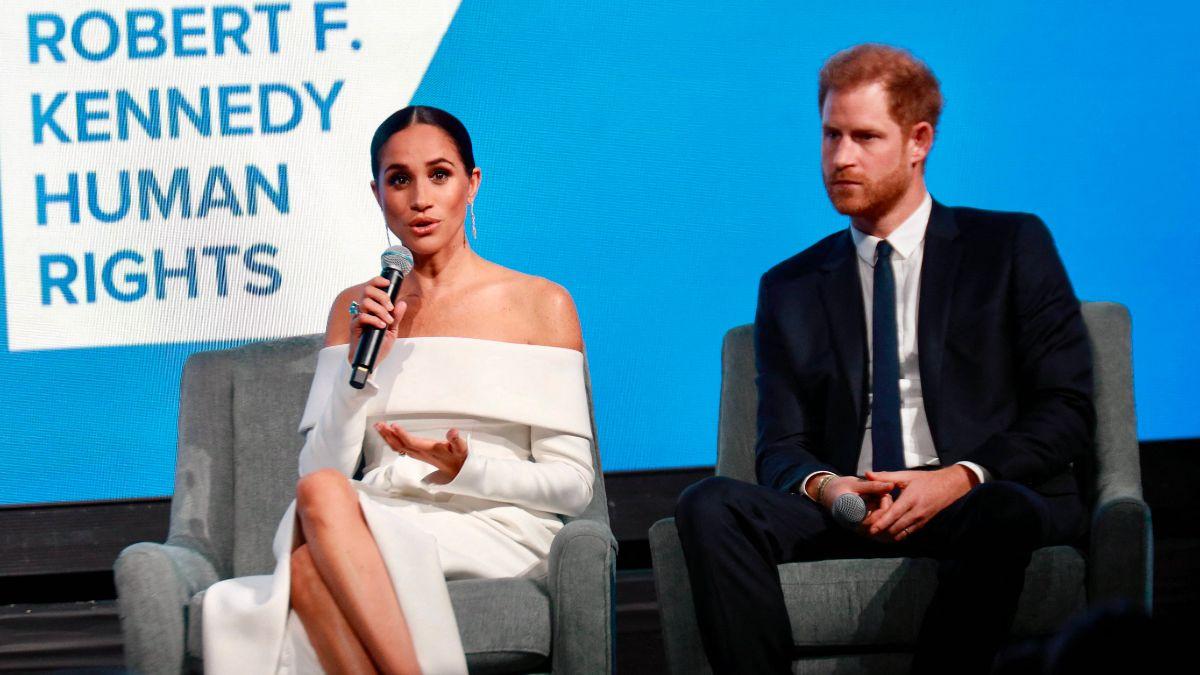
Prince Harry and Markle have lived in the U.S. for six years following their 2020 exit from the UK.
Critics argued the selfie incident feeds into a wider narrative about authenticity.
"There's an expectation that if you position yourself as accessible, you have to accept the realities that come with that," one source said. "Otherwise, it risks looking selective – open when it suits, guarded when it doesn't."
Harry and Markle married in 2018 and stepped back from senior royal duties in 2020 in a move dubbed "Megxit."
The couple relocated to California, citing media pressure and a desire for independence as reasons for the move, while continuing public work focused on mental health, media reform, and philanthropy.
