


EXCLUSIVE: Marilyn Monroe's Secret Diary Revealed — Including Secrets About Bombshell's Killer and How the Kennedys Used Her

Marilyn Monroe's secret diary has revealed alleged Kennedys' role and hidden truths behind her life.

May 5 2026, Published 6:00 a.m. ET


Marilyn monroe's infamous little red diary has long been dismissed as nothing more than a Hollywood legend until now. The long-missing journal has surfaced – and its contents are earth-shattering, RadarOnline.com can reveal.
Retired Los Angeles Police Department detective Mike Rothmiller claims the diary is very real, saying he discovered 70 photocopied pages buried in an LAPD intelligence dossier labeled "Monroe's Diary."
Dangerous Romances

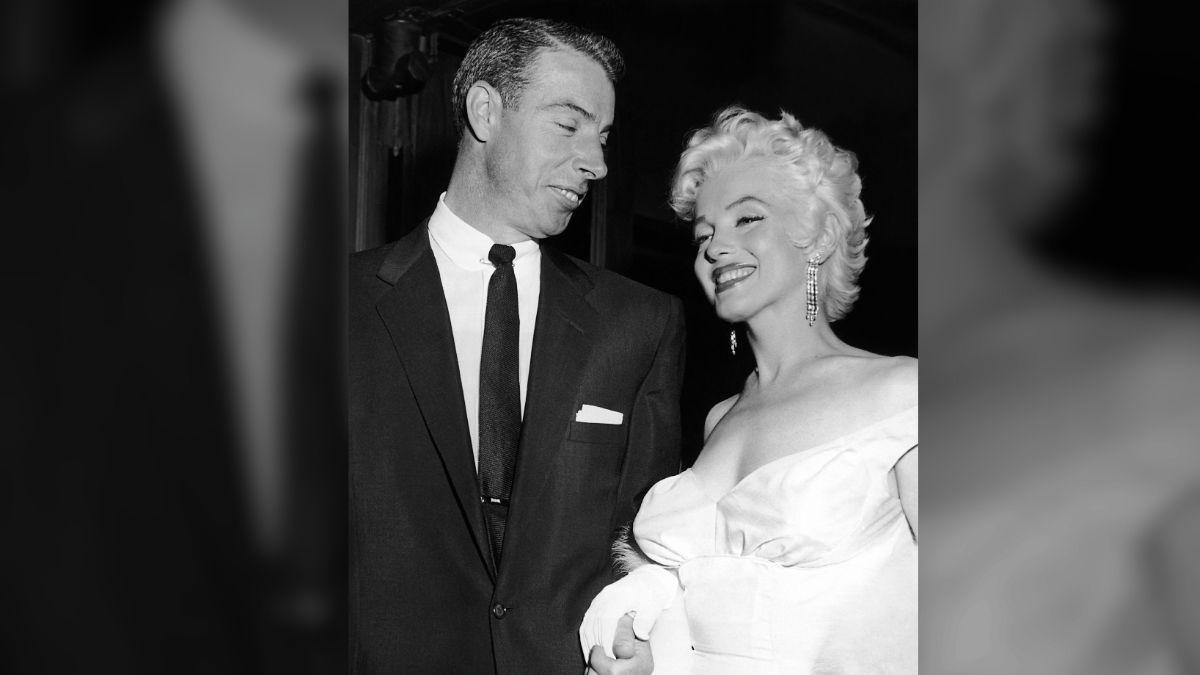
Retired LAPD detective Mike Rothmiller claimed Marilyn Monroe's long-rumored diary was found in an intelligence file labeled 'Monroe's Diary.'
Neatly handwritten in block letters, the entries allegedly reveal Monroe's private thoughts, personal anecdotes and most intimate memories... page after page of steamy sex, betrayal and heartbreak.
The pages were reportedly removed from a binder and include references to powerful men identified only as "John" and "Bobby" – whom Rothmiller believes were President John F. Kennedy and Attorney General Robert F. Kennedy.
He said the diary details Monroe's relationships with both men, along with pillow talk that touched on explosive political matters – including an alleged plot to assassinate Cuban leader Fidel Castro.
Monroe crossed paths with the Kennedys after the worlds of Hollywood and Washington collided through Peter Lawford, the Rat Pack actor who married Patricia Kennedy, sister of JFK and RFK. Glamorous parties at Lawford's Santa Monica beach house drew stars like Frank Sinatra and Robert Wagner – and it was there Monroe first met the powerful brothers.
"Bobby and I made love at Peters," Monroe penned, according to Rothmiller. "He wants to see me again. This is our secret. Bobby is gentle. He listens to me. He's nicer than John. Bobby said he loves me and wants to marry me. I love him."
But her feelings about JFK were far less romantic.
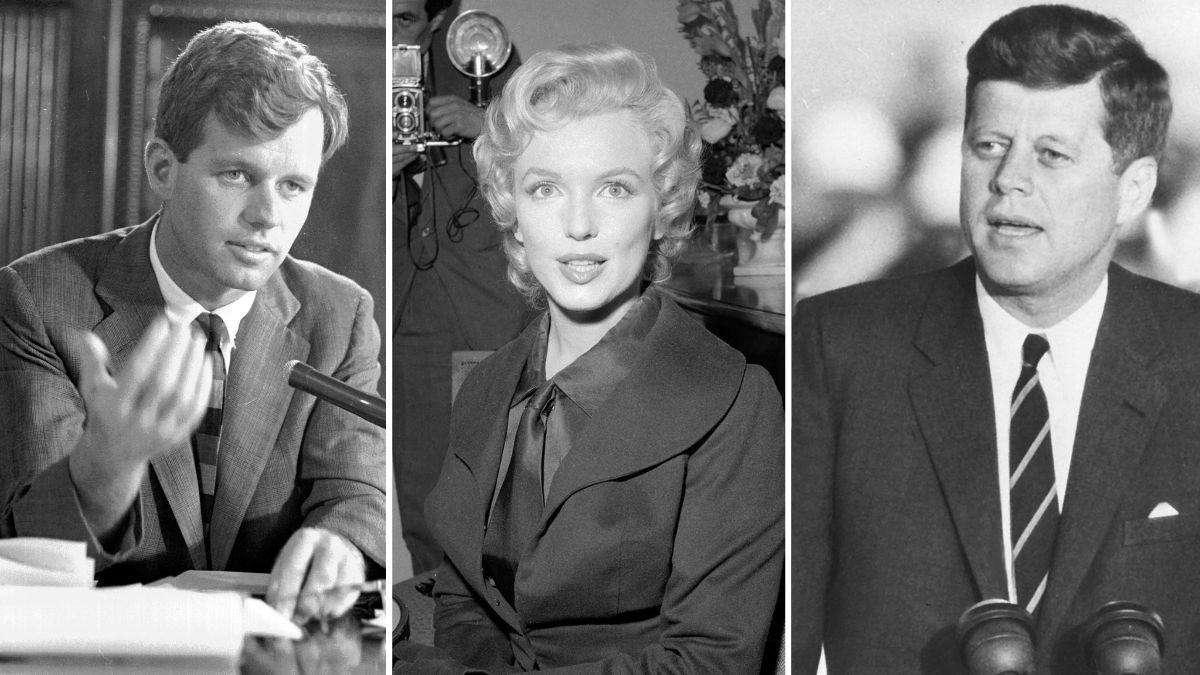
Entries allegedly link Monroe to 'John' and 'Bobby,' believed by Mike Rothmiller to be John F. Kennedy and Robert F. Kennedy.
"JFK always wants me to b--- him," Monroe complained. "We just kiss and have sex. I wish it was more but it's not."
According to Rothmiller, Marilyn's writings portray the brothers as men living dangerously – attending sex parties, mingling with mobsters, and carrying on affairs with the most famous woman in the world.
"They were both living a very reckless life for politicians," noted Rothmiller. "Their affairs could have ended their careers. Her diary also showed how, for want of a better term, one brother just turned Marilyn over to the other brother."
By 1962, that reckless lifestyle was threatening to erupt into scandal. On Aug. 1 – just three days before Monroe's death – investigative journalist Dorothy Kilgallen reportedly called the Department of Justice to ask whether Attorney General RFK would confirm an affair with Monroe.
That, Rothmiller claimed, was the breaking point. The Kennedys allegedly severed ties with the bombshell actress, and Lawford warned Monroe never to contact them again. She was suddenly "cut off" by the White House and the DOJ, allegedly, according to both her diary and files from the LAPD's secretive Organized Crime Intelligence Division (OCID).
Monroe was furious. Her diary entries, Rothmiller says, reveal a woman consumed by betrayal and increasingly obsessed with revenge.
One entry said: "They are not calling back. Bob and John used me. I told Peter they're ignoring me. I'm not going to stand for that. I'm going to tell everyone about us."
They Used Me
Through Peter Lawford, Monroe met the Kennedy brothers at Hollywood gatherings with Frank Sinatra among the attendees.
According to transcripts from Monroe's telephones – allegedly bugged by the OCID – she planned to hold a press conference to expose both affairs and blow the lid off secrets involving Cuba and Castro.
After calling screenwriter friend Jose Bolanos, Monroe wrote: "I told Jose I'm going to tell the world about them. They used me. I'm not a whore. Jose said, don't tell anyone about this. It's dangerous."
Rothmiller says it was clear Monroe had reached a breaking point. "She was livid and really angry when she thought she was being tossed aside."
But she may have succeeded in making herself impossible to ignore.
"John hasn't called," Monroe wrote in one entry. "Bobby called. He's coming to California. He wants to see me."
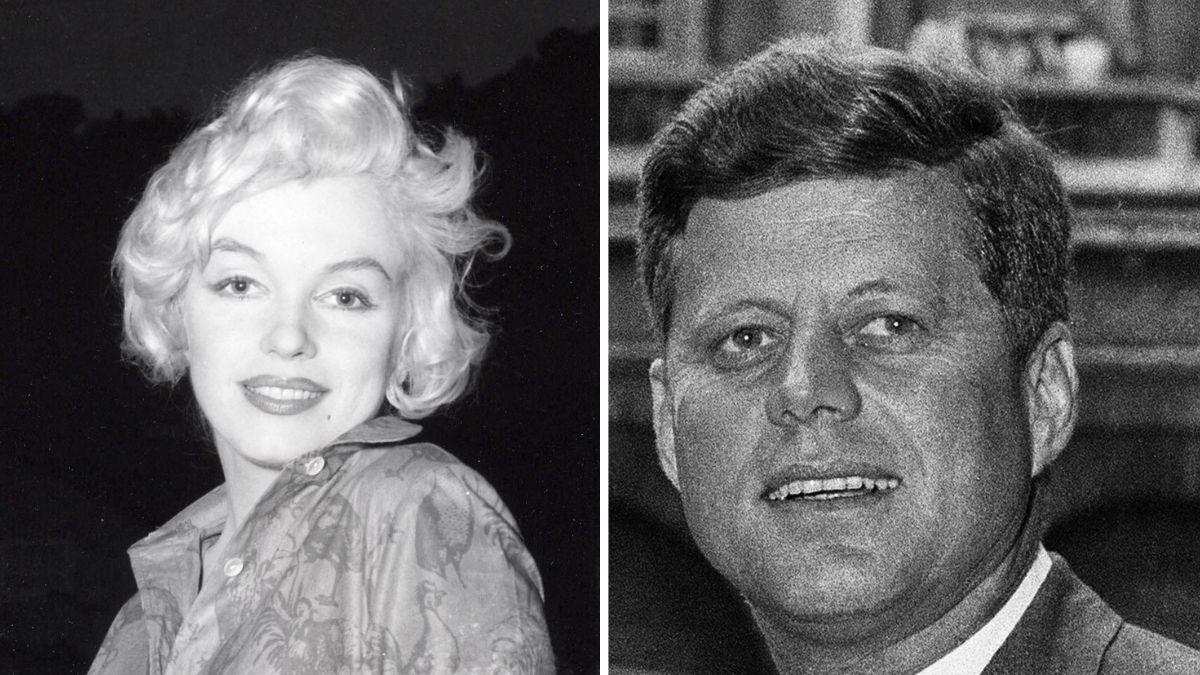
In diary excerpts, Monroe wrote 'JFK always wants me to b--- him,' describing her relationship with John.
Then came what Rothmiller believes was one of the most chilling entries in the diary. On Aug. 3, 1962, Monroe wrote: "Peter said Robert will come tomorrow. I don't know if he will." It was among her final known words.
On Aug. 5, Monroe was found dead at age 36 in her Brentwood home. She was discovered in bed with empty prescription bottles nearby. Her death was later ruled a probable suicide caused by a barbiturate overdose.
The explosive press conference she allegedly planned never happened. Instead, her death ignited decades of conspiracy theories – many centered on whether the Kennedys had played a role.
No member of the Kennedy family was ever charged in connection with Monroe's death.
JFK had already died by the time the conspiracy theories gained traction, and Robert F. Kennedy never publicly addressed the allegations.
Her Killer Finally Exposed
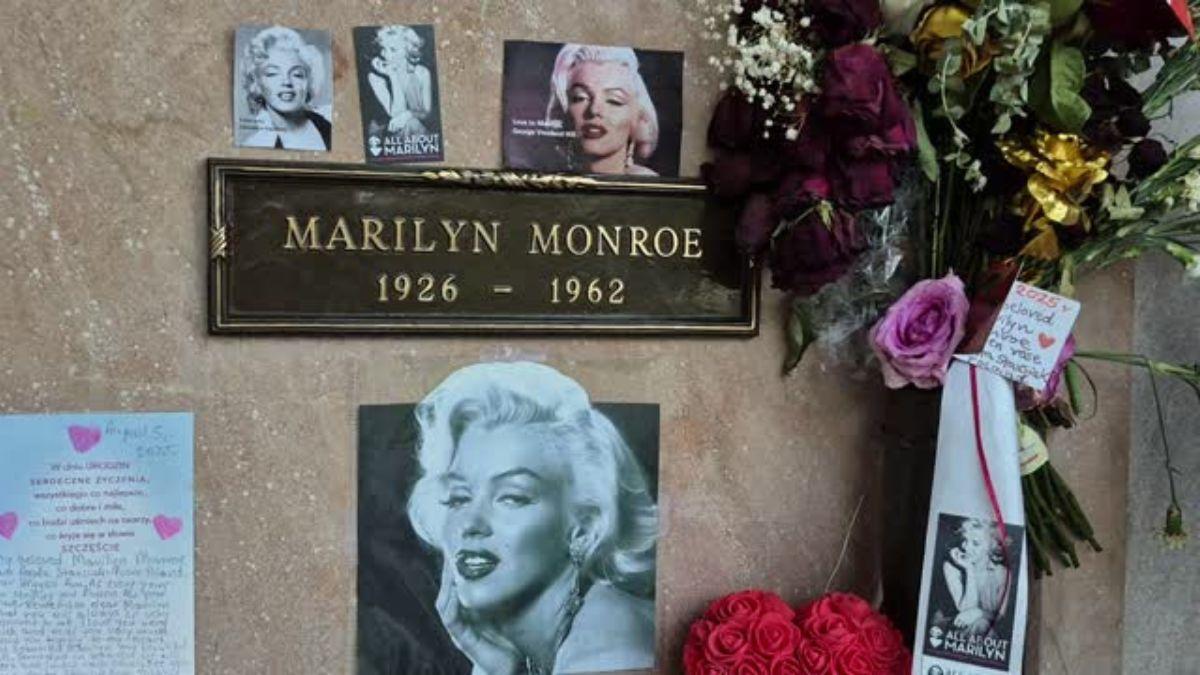
Journalist Dorothy Kilgallen reportedly contacted the Department of Justice about RFK days before Monroe's death.
Now, Rothmiller says he has reached a stunning conclusion: Monroe's killer was none other than U.S. Attorney General Robert F. Kennedy himself.
The official ruling of probable suicide, he argues, is challenged by those six chilling words in Monroe's Aug. 3 diary entry: "Peter said Robert will come tomorrow."
Drawing on the documents he says he reviewed – along with surveillance records, interviews, and other materials – Rothmiller has developed his own theory of what happened to the Some Like It Hot beauty.
One of his key sources, he said, was Lawford himself. Rothmiller claims Lawford finally broke down under the weight of years of guilt and, in 1982, told him that RFK secretly flew to Los Angeles on Aug. 4 to see Monroe – just as her diary indicated.
According to Rothmiller, RFK visited Monroe twice that day – once in the morning and again that evening – in what he describes as a desperate effort to stop her from going public.
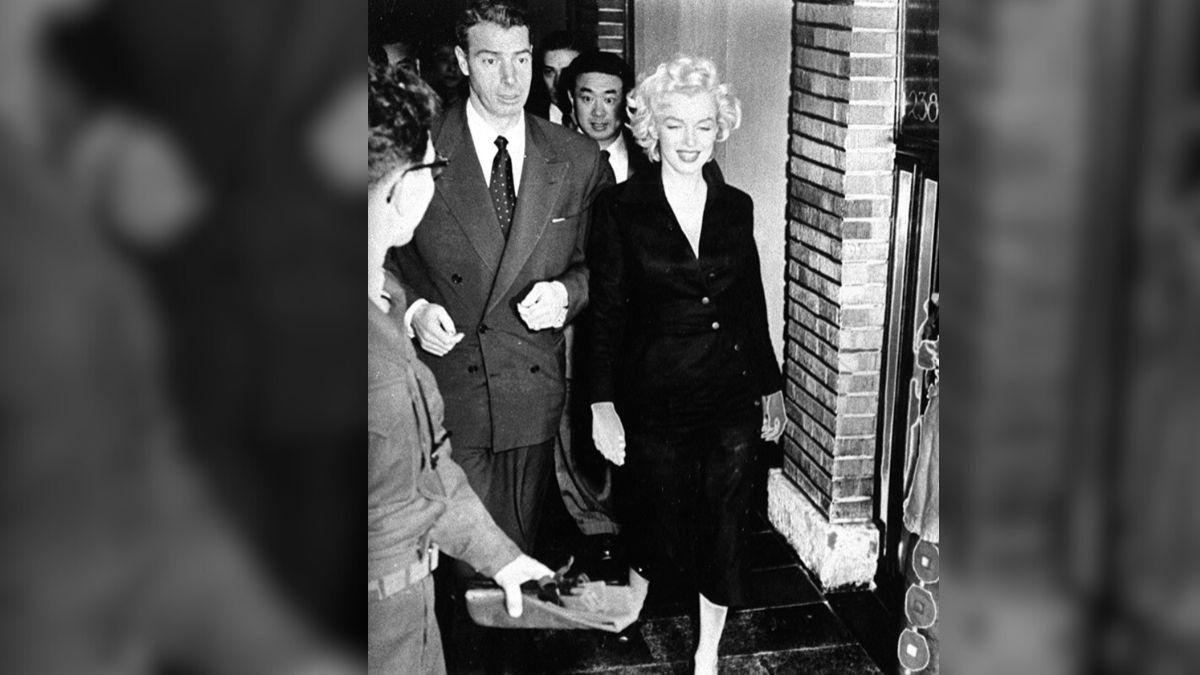
Monroe allegedly planned to expose JFK and RFK in a press conference, according to diary entries cited by Rothmiller.

Never Miss an

Daily updates from the heart of Hollywood, right to your inbox
By entering your email and clicking Sign Up, you’re agreeing to let us send you customized marketing messages about us and our advertising partners. You are also agreeing to our Terms of Service and Privacy Policy.
It was during the second visit, he alleged, that everything spiraled out of control.
Rothmiller said Lawford told him Monroe erupted in anger, screaming she would no longer be treated "like a whore" by the Kennedys. RFK, he claimed, Lawford said, then violently threw her to the floor.
He also said Lawford told him RFK tore through Marilyn's drawers searching for the diary and pinned her down while shouting, "Where is it?"
The retired detective claimed Lawford became emotional as he recounted what happened next: RFK was allegedly stirring a glass of water with a spoon before handing it to Marilyn – who reportedly remarked that it tasted strange.
Lawford allegedly told Rothmiller he and RFK then searched the house and later returned to find Monroe slumped on a sofa where they had left her. RFK reportedly shook her. She stirred groggily, mumbled something, then passed out and stopped breathing.
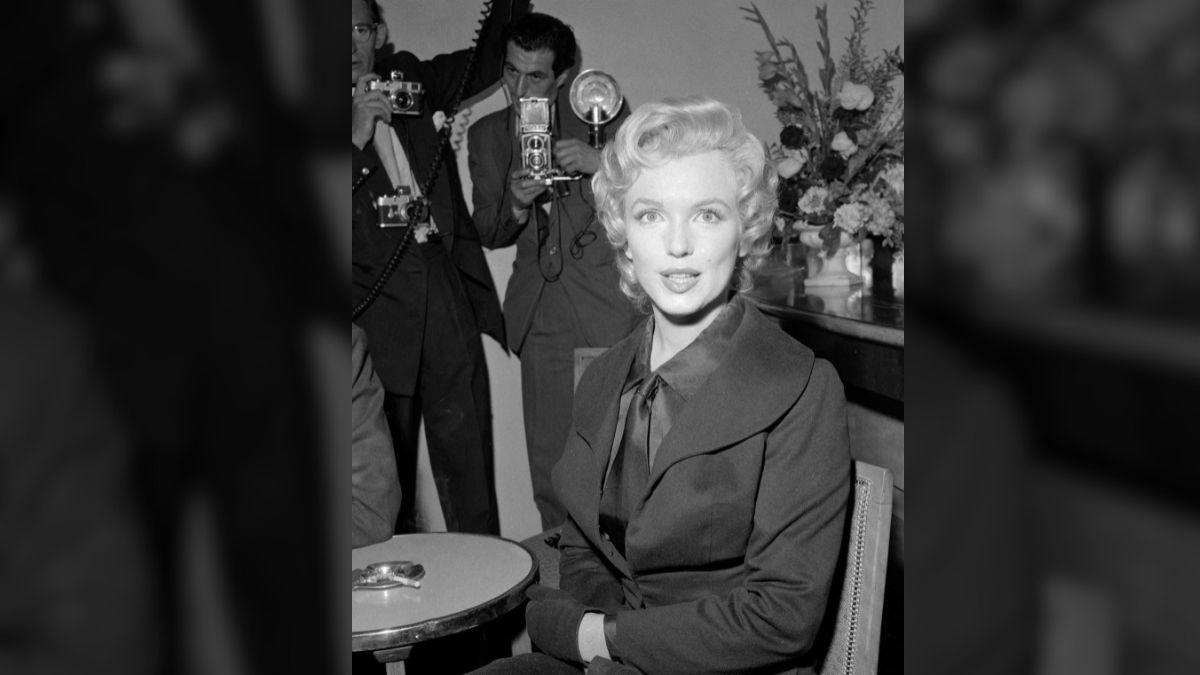
One of Monroe's final entries read 'Peter said Robert will come tomorrow,' referring to RFK before her death.
What happened next, Rothmiller said, was even more shocking.
Lawford allegedly told him that two plainclothes LAPD officers suddenly appeared at the door. No words were exchanged as Lawford and RFK left the home and sped to the airport.
Yet hours passed before a 911 call was finally placed the following morning by Monroe's personal doctor.
By the time news of Monroe's death broke, RFK had a ready-made alibi: He was publicly seen as the devoted family man, attending church near San Francisco with his wife and children.
In those crucial missing hours, Rothmiller theorizes, the scene was staged to resemble suicide – and every trace of Monroe's ties to the Kennedys disappeared, including the diary itself.
To him, that diary is the smoking gun.
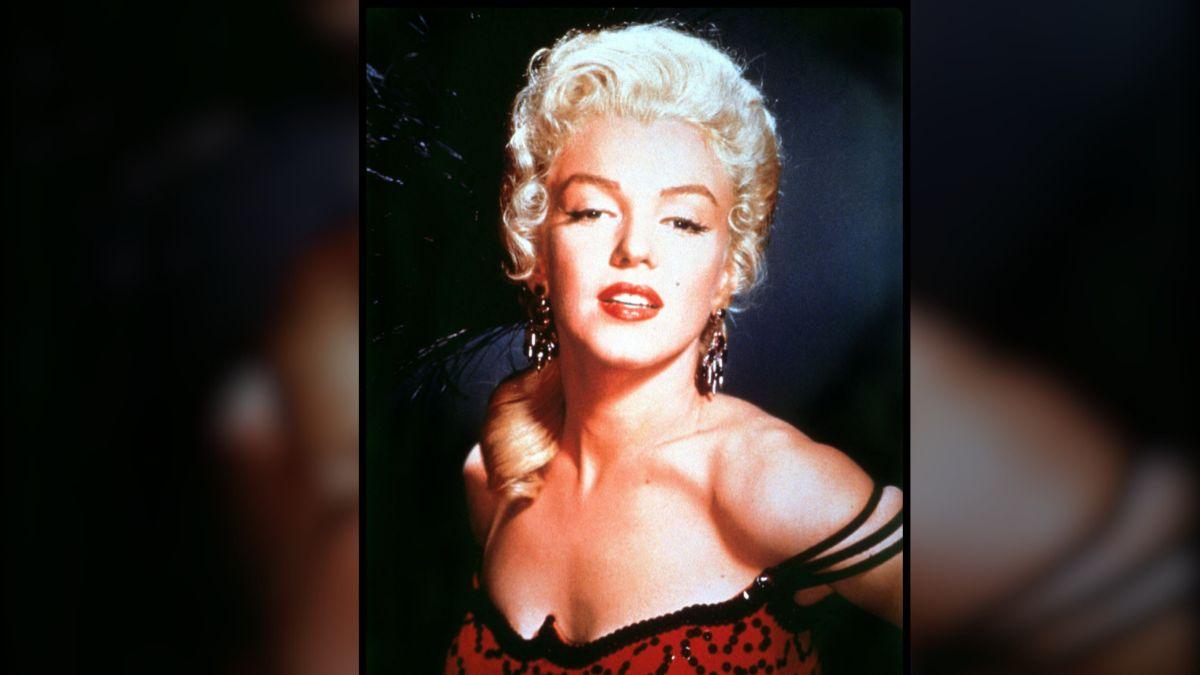
Rothmiller alleged Peter Lawford told him RFK visited Monroe on the day she died.
"What shocked me the most was her writing that Bobby was coming to see her that day," Rothmiller said. "It corroborated all the other stuff" he saw in secret OCID dossiers involving Monroe and the Kennedys.
Since publishing his findings in his book Bombshell: The Night Bobby Kennedy Killed Marilyn Monroe, Rothmiller says additional former OCID officers have quietly backed him up, telling him about other secret files and surveillance photos allegedly showing Lawford and RFK in Los Angeles on the day Monroe died.
"They wouldn't speak on the record or go public," he said, "but they told me: 'You absolutely nailed it.'"
