


EXCLUSIVE: Ex-Prisoner Warns Luigi Mangione 'Obsessive Thoughts' Won't Stop Overnight After Alleged CEO Assassin Quickly Withdrew Psychiatric Defense

Luigi Mangione withdrew his request about his emotional state.

June 22 2026, Published 3:20 p.m. ET


Luigi Mangione's time in jail could be healing him from emotional turmoil after his team attempted to argue that the 28-year-old was "emotionally disturbed" at the time of his arrest.
However, just days later, the team withdrew the request to use that rare argument as a defense in his criminal case, which alleges he shot UnitedHealthcare CEO Brian Thompson dead in the streets of Manhattan, RadarOnline.com can confirm.
Nonetheless, a former prisoner and founder of the self-care movement Human Garage, Garry Lineham, warned Mangione that any emotional struggles he does have may not repair quite as quickly behind bars – though it's not impossible to use that time to grow.
Luigi Mangione Receives Warning From Former Prisoner


Mangione was charged with second-degree murder.
Before his arrest, Mangione suffered from spondylolisthesis, a severe spinal condition exacerbated by a surfing injury, for which he reportedly explored psychedelics. Online, he often discussed his chronic pain, including in Reddit posts.
Mangione further expressed annoyance with corporate greed, including in his alleged manifesto. Before the shooting, Mangione, according to his Goodreads account, was reading texts like Unabomber by Ted Kaczynski.
This obsessive behavior likely led to the defense's request of the Extreme Emotional Disturbance defense.
Being in prison, Lineham told Radar, afforded Mangione "stillness," but "the challenge is that silence doesn't automatically create healing."
Luigi Mangione's Emotional Struggles Lack a Quick Fix
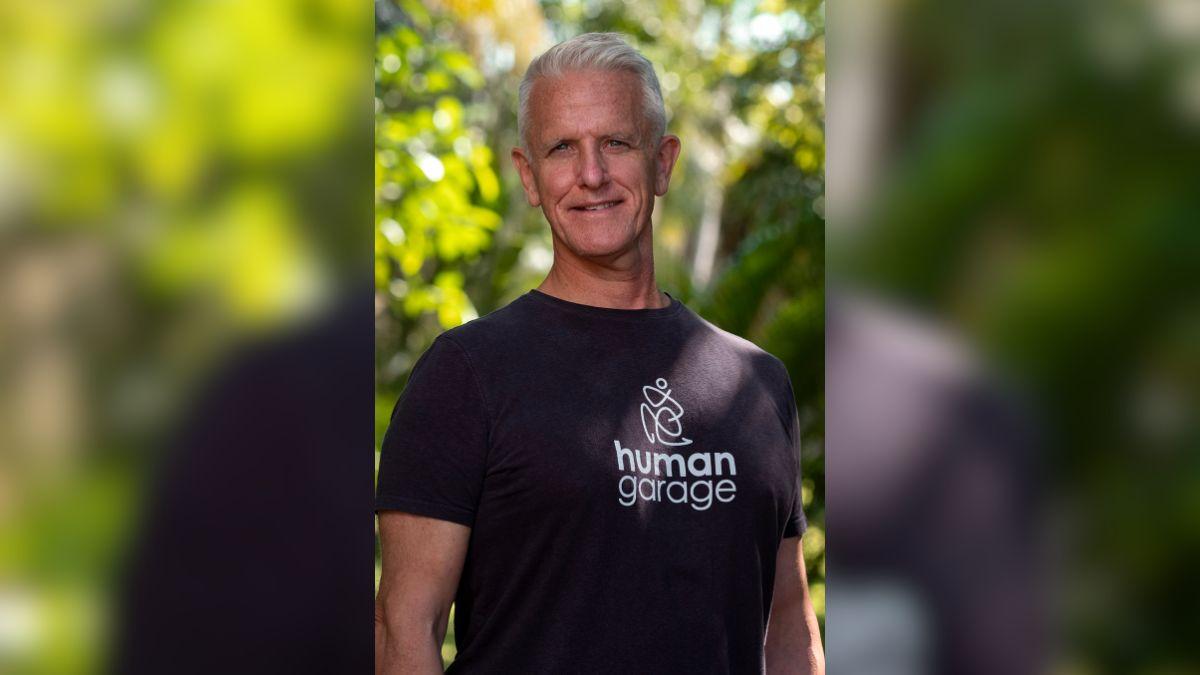
Former prisoner Garry Lineham shared his own experience behind bars and some advice.
Lineham served time in prison on charges he still disputes. He spent 14 months in solitary confinement. Plus, similarly to Mangione, he suffered from chronic pain from decades of injuries. However, his time in prison became a catalyst and a turning point in his life.
He explained, "People are constantly feeding it with information, stimulation, and reinforcement from their environment," but being put in prison "removes many of those inputs overnight."
However, jail isn't a quick solution, according to Lineham. He said, "Without self-awareness, one obsession can simply be replaced by another. Anger becomes the obsession. Resentment becomes the obsession."

Mangione has time to focus on his legal defense in jail.
Lineham worried "the legal process" could become Mangione's next obsession if he doesn't put in the work to ensure his own stability.
He added, "One of the lessons I learned during confinement is that the mind can either become your greatest prison or your greatest teacher.
"The environment doesn’t determine which one it becomes. Your relationship with the experience does."


Chronic Pain Likely Contributor to Luigi Mangione's Obsessive Thoughts

Never Miss an

Daily updates from the heart of Hollywood, right to your inbox
By entering your email and clicking Sign Up, you’re agreeing to let us send you customized marketing messages about us and our advertising partners. You are also agreeing to our Terms of Service and Privacy Policy.

The accused killer suffered from chronic pain.
Chronic pain could be a major source of emotional strife for Mangione, but Lineham said there was hope. He said, "Chronic pain changes people. It affects sleep, relationships, hope, motivation, and emotional well-being. Over time, it can begin shaping how someone experiences life itself.
"One thing I’ve learned through my own recovery journey is that pain is rarely just physical."
He encouraged Mangione to take advantage of "movement, breathing, walking, mobility, stress reduction, connection, and purpose."
Lineham explained that movement was a primary resource in prison, despite many people's belief that jail is stagnant. He noted, "People often assume prison means inactivity, but many incarcerated individuals move more than people living on the outside.
"They walk laps. They exercise. They pace. They move around the yard."
Lineham said those laps were a major part in keeping him "sane" behind bars.
Through his organization, Human Garage, Lineham encourages Fascial Maneuvers as a major bodily healing mechanism. He explained, "One of the core principles we teach today is that when the body releases stress, emotions often begin to settle and thoughts become clearer.
"People tend to think their emotional suffering is entirely mental. Often the body is carrying a significant part of that burden."
