


EXCLUSIVE: We Unravel the Massive and Chilling Mysteries That Still Shroud Jeffrey Epstein's Death Seven Years After Pedophile's 'Jail Suicide'

Jeffrey Epstein's death continues to be questioned years later.
March 1 2026, Published 2:00 p.m. ET


RadarOnline.com can reveal Jeffrey Epstein's death still raises more questions than answers nearly seven years after the serial pedophile, global s-- trafficker and suspected spy was found dead in a Manhattan jail cell – with fresh files on his warped life reigniting long-running doubts about his apparent jail suicide.
Epstein, 66, was discovered unresponsive in his cell at the Metropolitan Correctional Center in Manhattan on the morning of August 10, 2019, while awaiting trial on federal s-- trafficking charges.
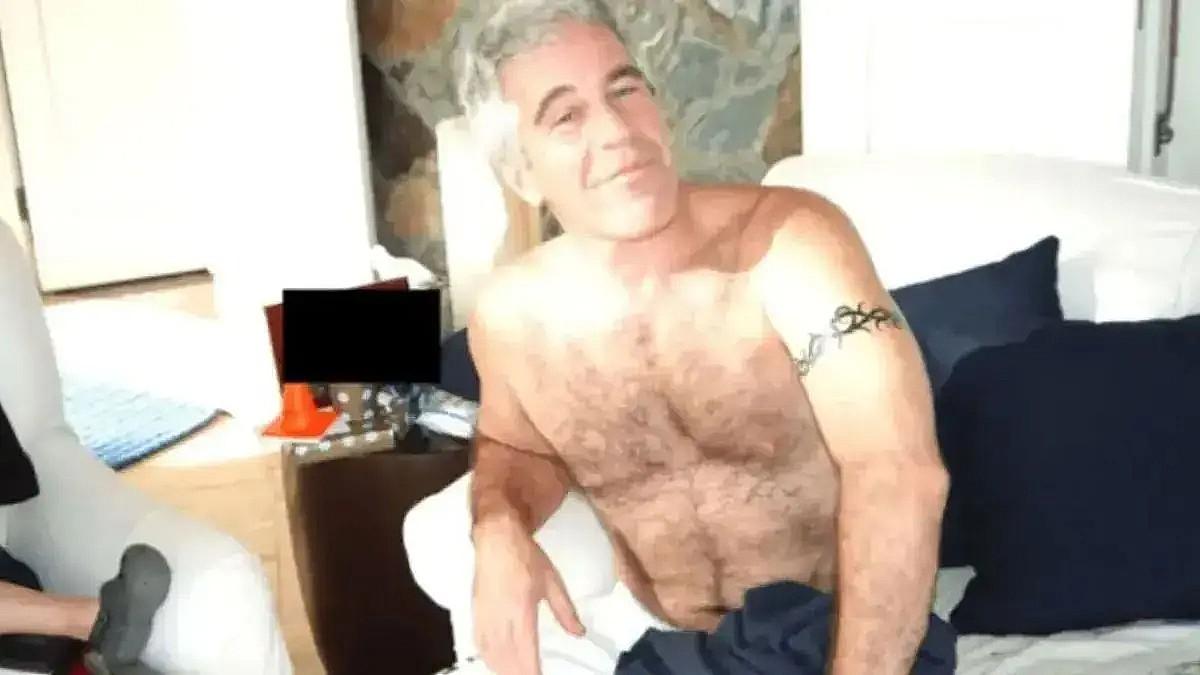
A corrections officer raised the alarm after discovering Epstein's body during breakfast delivery.

The official timeline of events is that a corrections officer delivering breakfast raised the alarm, medics attempted to revive him, and he was pronounced dead shortly after. The New York City medical examiner then ruled the death a suicide by hanging, with Epstein said to have used bedsheets to throttle himself.
Yet almost immediately, a combination of jail failures, broken cameras, and Epstein's ties to powerful figures fueled suspicions about the circumstances of his grim passing. And the release last month of three million pages of files on his case has revived scrutiny of what exactly happened in his final hours.
Decoy Body Claim and Surveillance Questions
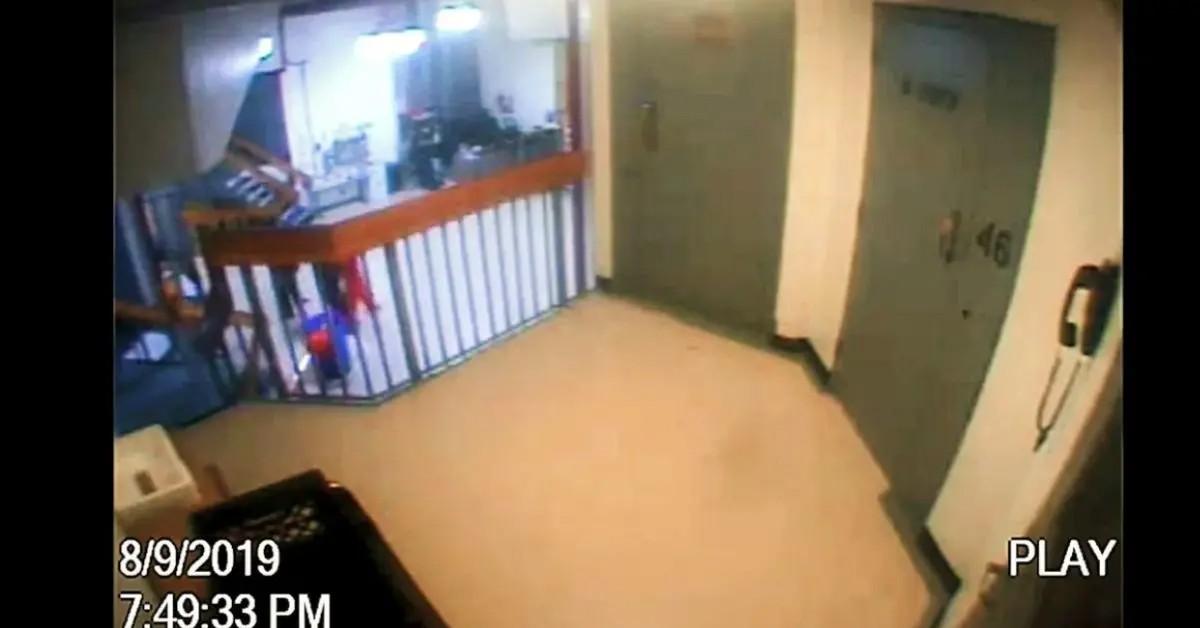
FBI records noted a 'flash of orange' moving up the stairs on the night of Epstein's death.
Among the most explosive mysteries still shrouding Epstein's death is a claim prison staff used a decoy body to mislead reporters. According to internal interview notes, officers at the facility devised a plan because of a "large news media presence" outside the jail.
Records state they "used boxes and sheets to create what appeared to be a human body, which was put into the white OCME logistics vehicle, which the press followed, allowing the black vehicle to depart unnoticed with Epstein's body." Officials have not publicly confirmed the claim.
Other questions focus on whether anyone entered Epstein's prison tier on the night he died. Newly released FBI material noted that at 10:39 pm on August 9, "a flash of orange looks to be going up the L Tier stairs," adding it "could possibly be an inmate escorted up to that Tier."
The Inspector General later wrote: "Inmates are currently on lockdown; it is possible someone is carrying inmate linen or bedding up." A final report added: "At approximately 10.39 pm, an unidentified CO appeared to walk up the L Tier stairway, and then reappeared within view of the camera at 10.41 pm."
That appears to conflict with earlier assurances. Former Attorney General Bill Barr said in 2019 he had reviewed footage and confirmed no one entered the area. And ex-FBI deputy director Dan Bongino said: "There's video clear as day. He's the only person in there and the only person coming out. You can see it. We are working on cleaning it up to make sure you have an enhanced version, and we're going to give the original so you don't think there were any shenanigans."
Forensic experts disagree. Conor McCourt, a retired NYPD sergeant, said: "Based on the limited video, it's more likely a person in an orange uniform."
Video analyst Jim Safford said, "To say that there's no way that someone could get to that, the stairs up to his room, without being seen is false."
Doubts Over Epstein's Cause of Death
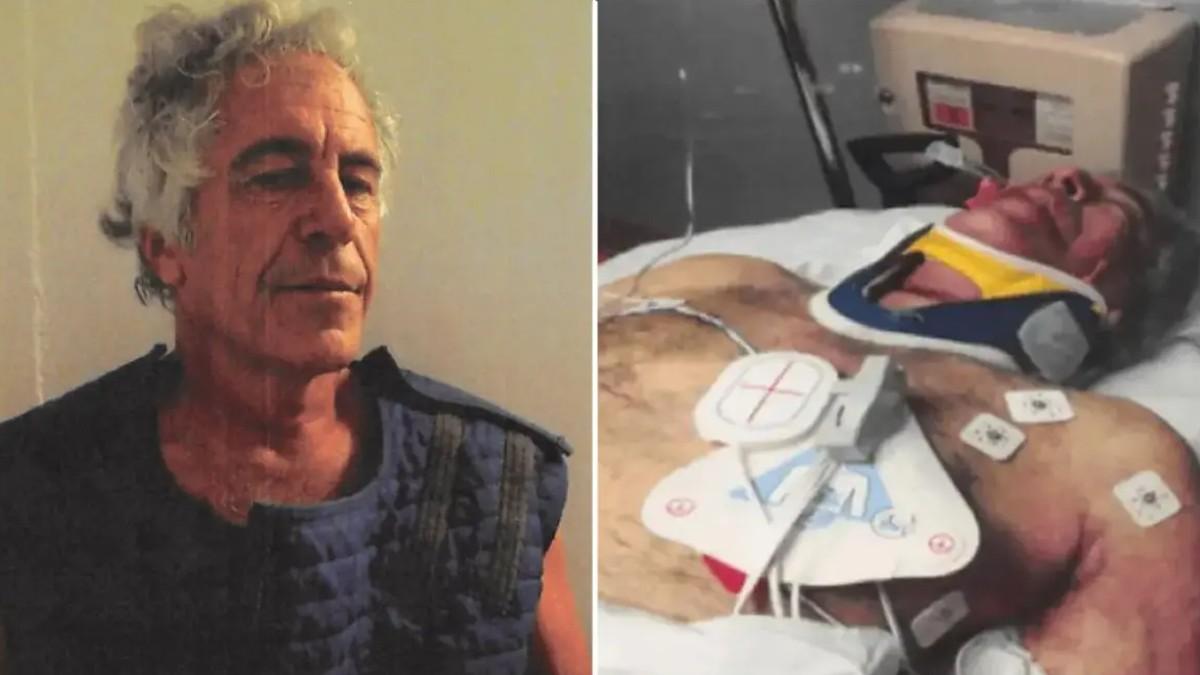
Dr. Michael Baden challenged Epstein's medical findings, citing multiple neck fractures.
Medical findings have also been challenged. Dr. Michael Baden, the former New York City chief medical examiner who observed the autopsy on behalf of Epstein's family, said: "My opinion is that his death was most likely caused by strangulation pressure rather than hanging." He added: "Given all the information now available, further investigation into the cause and manner of death is warranted."
Epstein suffered three neck fractures. Baden has claimed: "Hanging does not cause these broken bones. Homicide does."
Spencer Kuvin, a lawyer who represented three of Epstein's victims, raised doubt about whether Epstein had suicidal tendencies.
He said: "From the times I met him and deposed Epstein, and sat in mediations with him, he never, ever struck me as someone who questioned whether he had done anything wrong. He was always overly self-confident in what he had done and his belief that he had never done anything inappropriate at all, ever."

Never Miss an

Daily updates from the heart of Hollywood, right to your inbox
By entering your email and clicking Sign Up, you’re agreeing to let us send you customized marketing messages about us and our advertising partners. You are also agreeing to our Terms of Service and Privacy Policy.
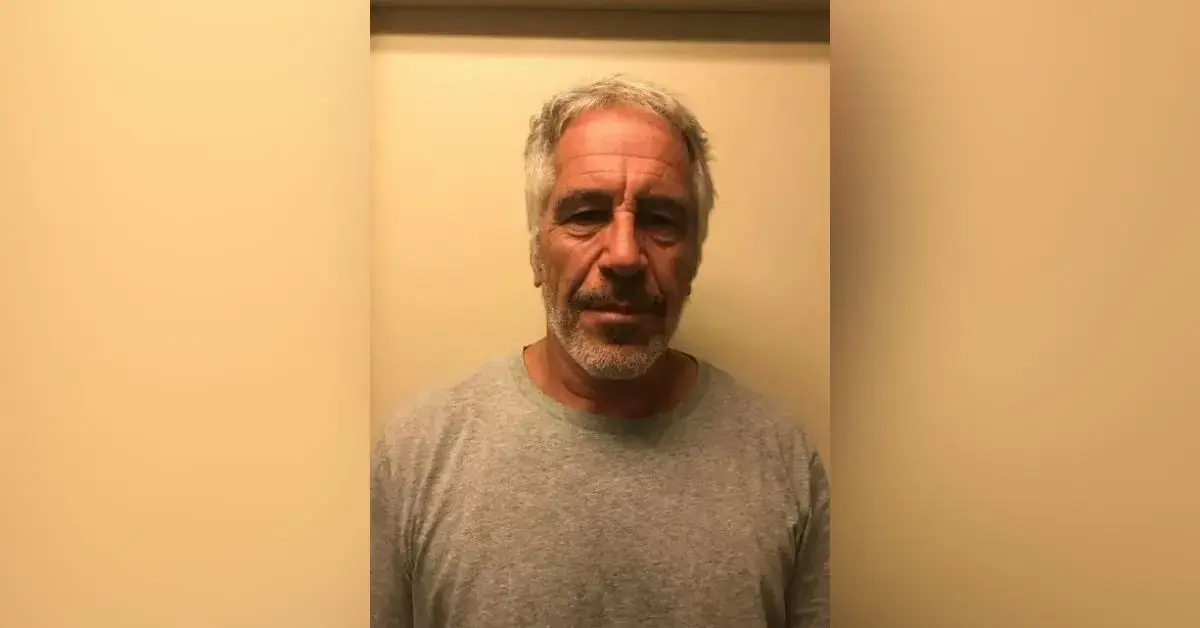
Epstein told a prison psychologist that he had no interest in killing himself.
Kuvin added, "There was never any inclination that he ever felt he wasn't going to get out. He always felt, 'This is something I got to go through, I'll be out of here in a flash, it's not a big deal.' So it was rather surprising to me when he died in jail."
He also said: "I don't know. I'm not one for wild speculation. I deal in reality, proof, and evidence. And what I could tell you is that the evidence is circumstantial but overwhelming that it was not suicide."
There is also the mystery of around 11 hours of apparently "raw" surveillance footage of the time around Epstein's death being released. However, forensic analysis has shown the video was edited numerous times over several hours, with a minute missing.
Two weeks before he was found lifeless in his cell, Epstein is said to have told a Bureau of Prisons psychologist: "I have no interest in killing myself." Jail records show he added: "I would never do that to myself." He also claimed he was too much of "a coward" to withstand pain, and a psychologist said Epstein was "future-oriented" and was convinced he would be released from prison.
