


EXCLUSIVE: James Comey Signals Claims of Selective and Vindictive Prosecution in Trump Threat Case — After Controversial '86 47' Post

James Comey is preparing to launch a constitutional challenge to the criminal case brought against him by the Trump administration.
July 20 2026, Published 7:55 p.m. ET


James Comey is preparing to launch a constitutional challenge to the criminal case brought against him by the Trump administration, according to a newly filed motion obtained by RadarOnline.com.
In the filing, the former FBI director's legal team asked a federal judge for permission to submit a single, combined legal brief in support of two motions seeking dismissal of the indictment on the grounds of selective prosecution and vindictive prosecution.
James Comey Accused of Threatening President Trump

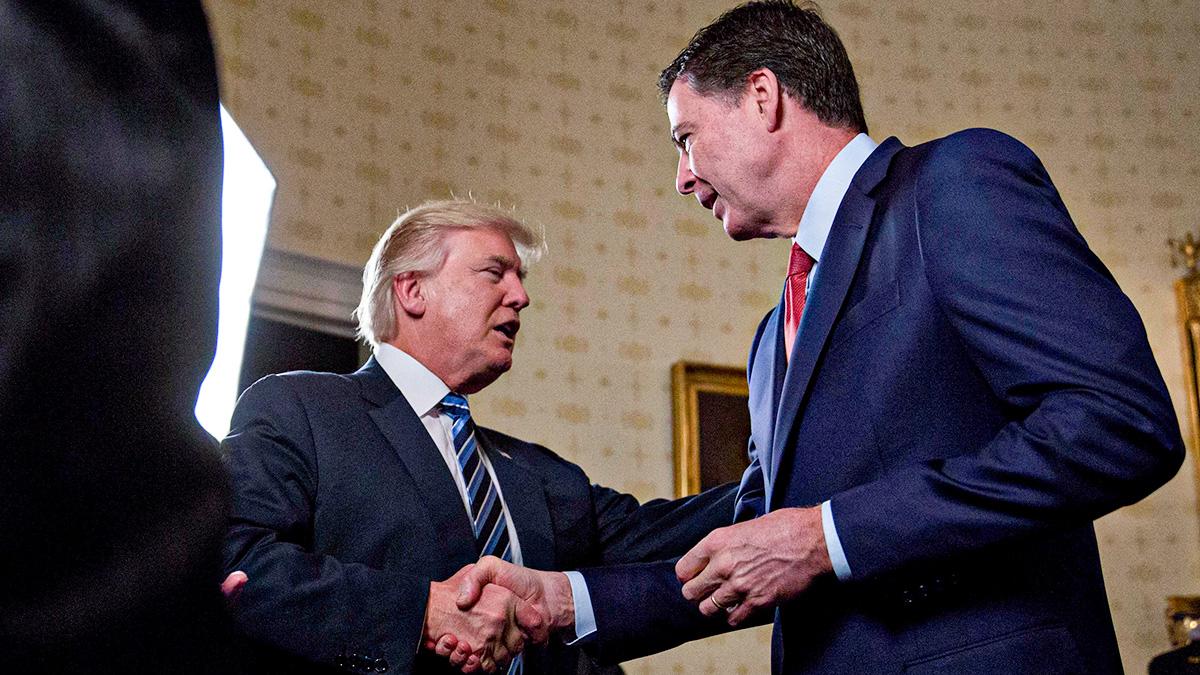
Comey was indicted in April on two felony counts tied to an Instagram post prosecutors allege threatened Trump.
Rather than filing two separate memorandums, Comey's attorneys requested permission to file one memorandum of law, not to exceed 40 pages, arguing the consolidated filing would streamline the issues before the court and avoid repetitive legal arguments.
The motion stems from the federal criminal case pending in the U.S. District Court for the Eastern District of North Carolina, where Comey was indicted in April on two felony counts tied to an Instagram post prosecutors allege threatened President Trump.
The charges include one count of making a threat against the President of the United States and one count of transmitting a threat in interstate commerce.
James Comey Latest Legal Battle
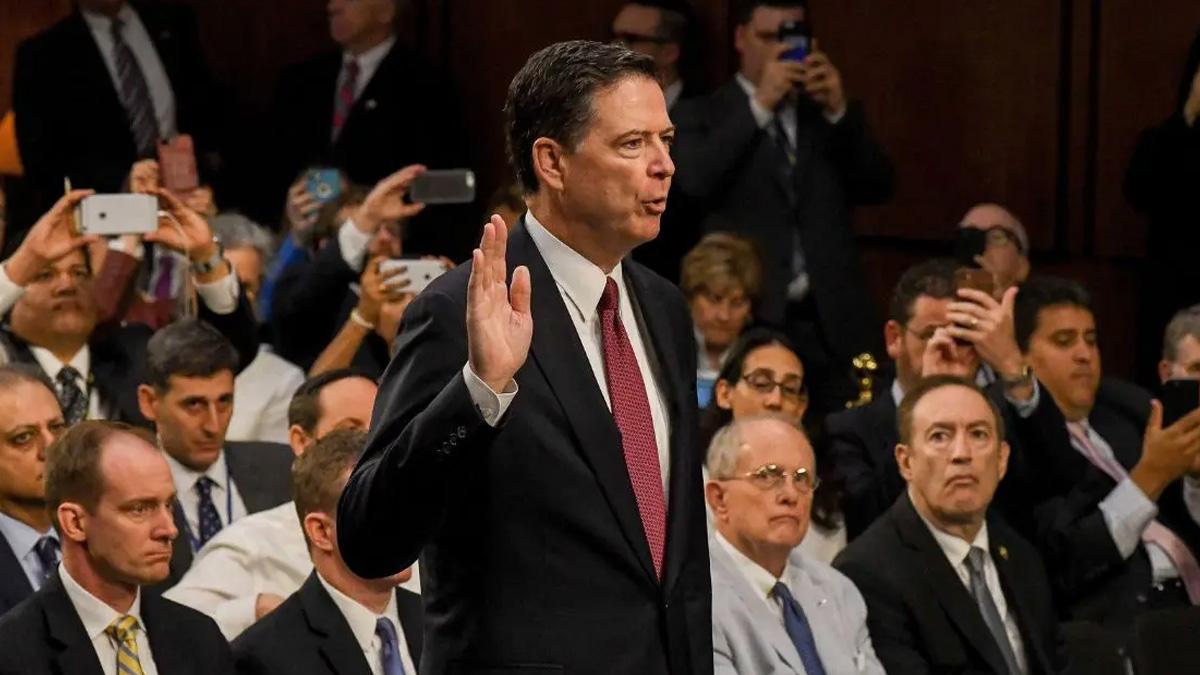
Comey's attorneys intend to separately move to dismiss the indictment for both selective prosecution and vindictive prosecution.
According to the new filing, Comey's attorneys intend to separately move to dismiss the indictment for both selective prosecution and vindictive prosecution, two constitutional claims that challenge not only the government's decision to prosecute but also the motivations behind it.
The defense argued that allowing one combined memorandum would make the proceedings more efficient while presenting all relevant legal authority in a single document.
The filing states that local court rules ordinarily require separate legal memorandums for each motion, each with a 30-page limit.
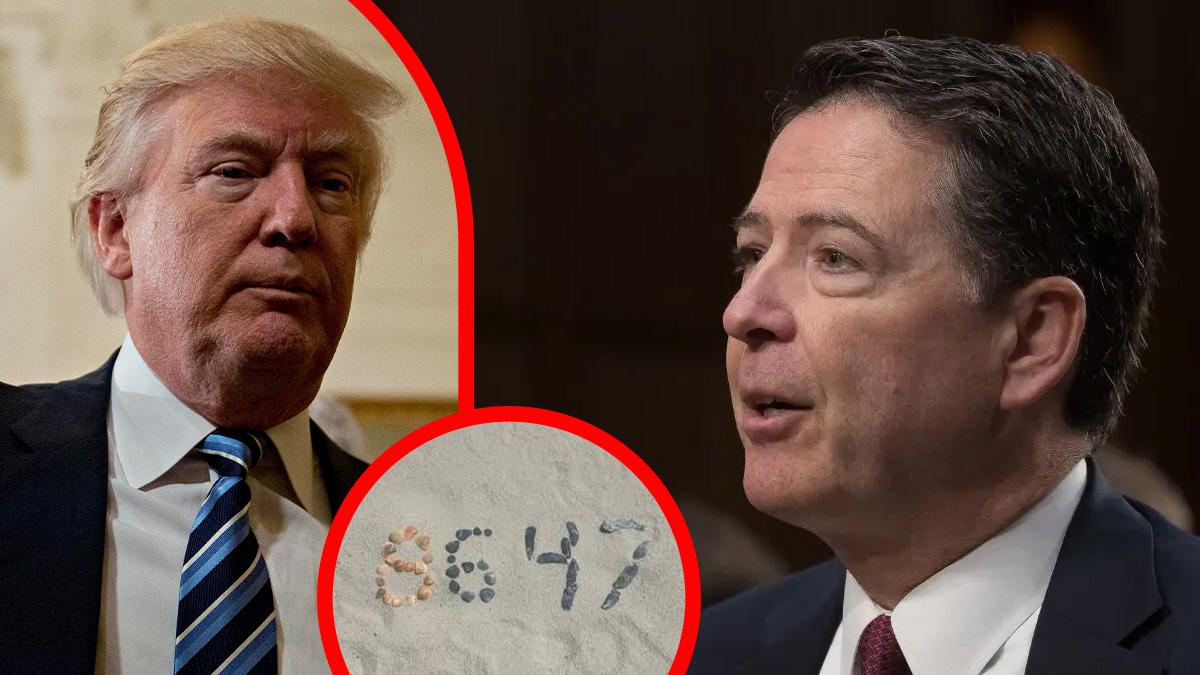
Comey's '86 47' seashell Instagram post is at the center of the federal threat case.
Comey's attorneys instead asked the court to allow one brief of up to 40 pages, arguing that combining the arguments would prevent unnecessary duplication and better assist the court in resolving the issues.
Notably, prosecutors are not standing in the way of the request. The court filing reveals that Assistant U.S. Attorney Tim Severo informed defense counsel that the government does not object to the motion, clearing the way for the court to decide whether to grant the request before the anticipated dismissal motions are filed.
The latest lawsuit does not lay out the factual basis for Comey's claims of selective or vindictive prosecution.
Claims To Resolve The Issue

Never Miss an

Daily updates from the heart of Hollywood, right to your inbox
By entering your email and clicking Sign Up, you’re agreeing to let us send you customized marketing messages about us and our advertising partners. You are also agreeing to our Terms of Service and Privacy Policy.
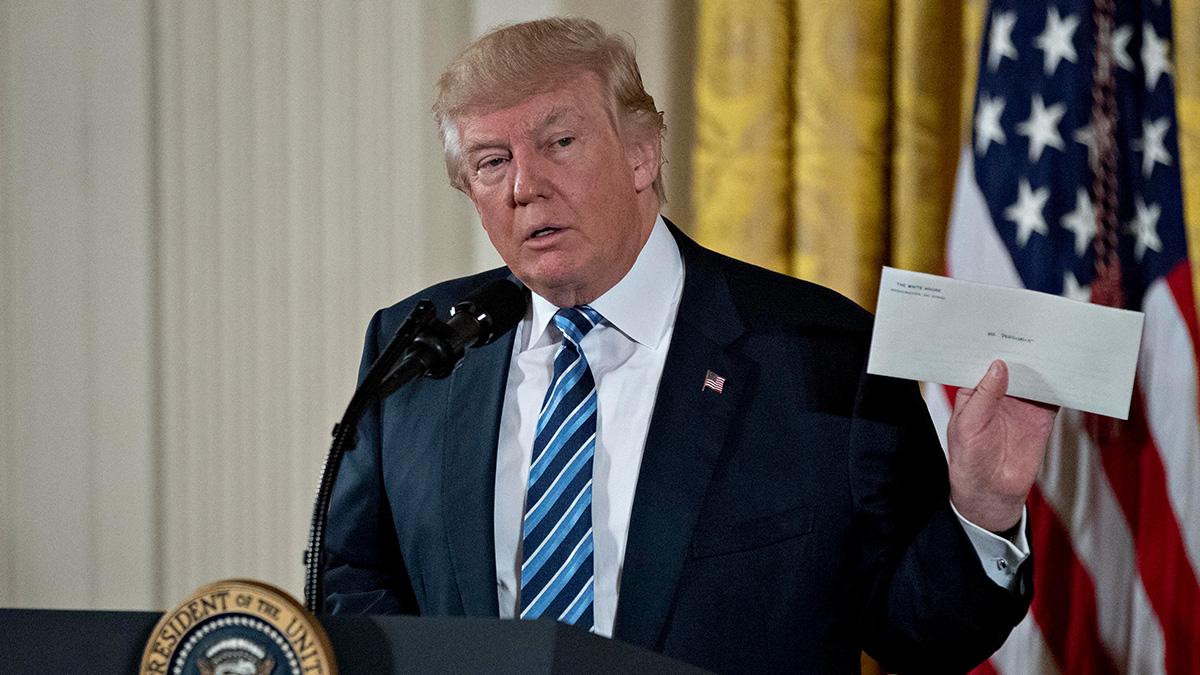
The criminal case remains pending in federal court as Comey prepares to challenge the indictment.
Instead, it serves as a preview of the constitutional arguments his legal team plans to present as the case moves toward the next stage of litigation.
The criminal prosecution stems from an Instagram image posted by Comey showing seashells arranged to display the numbers "86 47," a post prosecutors allege constituted a threat against Trump. Comey has previously denied intending the post as a threat, saying he removed it after learning that some people interpreted it that way.
If the judge grants the request, Comey's attorneys will be permitted to file a single expanded brief outlining why they believe the indictment should be thrown out, setting the stage for what could become one of the most closely watched legal battles in the politically charged case.
