


Federal Agents 'Used Controversial Surveillance Device to Track and Arrest' Don Lemon's Student Producer, 21, Over Anti-ICE Protest Coverage

Federal agents obtained a warrant to track Don Lemon‘s associate.
Oct. 13 2026, Published 5:20 p.m. ET


Don Lemon was caught up in a federal surveillance investigation after he and his 21-year-old producer were charged in connection with an anti-ICE protest in St. Paul, Minnesota.
As Lemon covered a demonstration at Cities Church, whose pastor, David Easterwood, also led ICE's St. Paul field office, federal agents obtained warrants authorizing the use of surveillance technology to locate producer Jerome Richardson, RadarOnline has learned.
Warrants Were Obtained

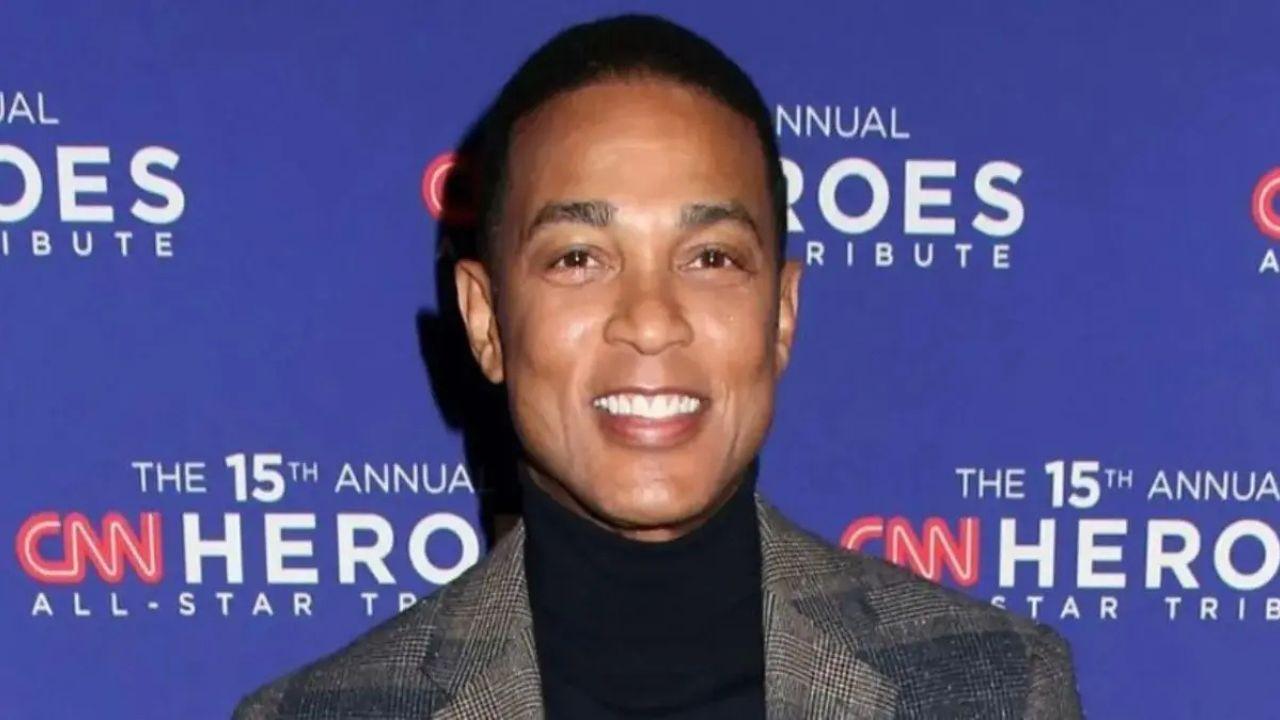
Warrants were issued from two states to go after Lemon‘s associate.
Federal law enforcement sought authorization to use surveillance technology less than two weeks after a January 18 protest at a Minnesota church.
Judges in two states authorized the use of cell-site simulators, devices that impersonate cell towers, to target Richardson’s phone.
Richardson, a former Temple University student, was among 39 people charged with conspiring to violate worshippers' civil rights and interfering with religious worship at Cities Church.
The Surveillance Push
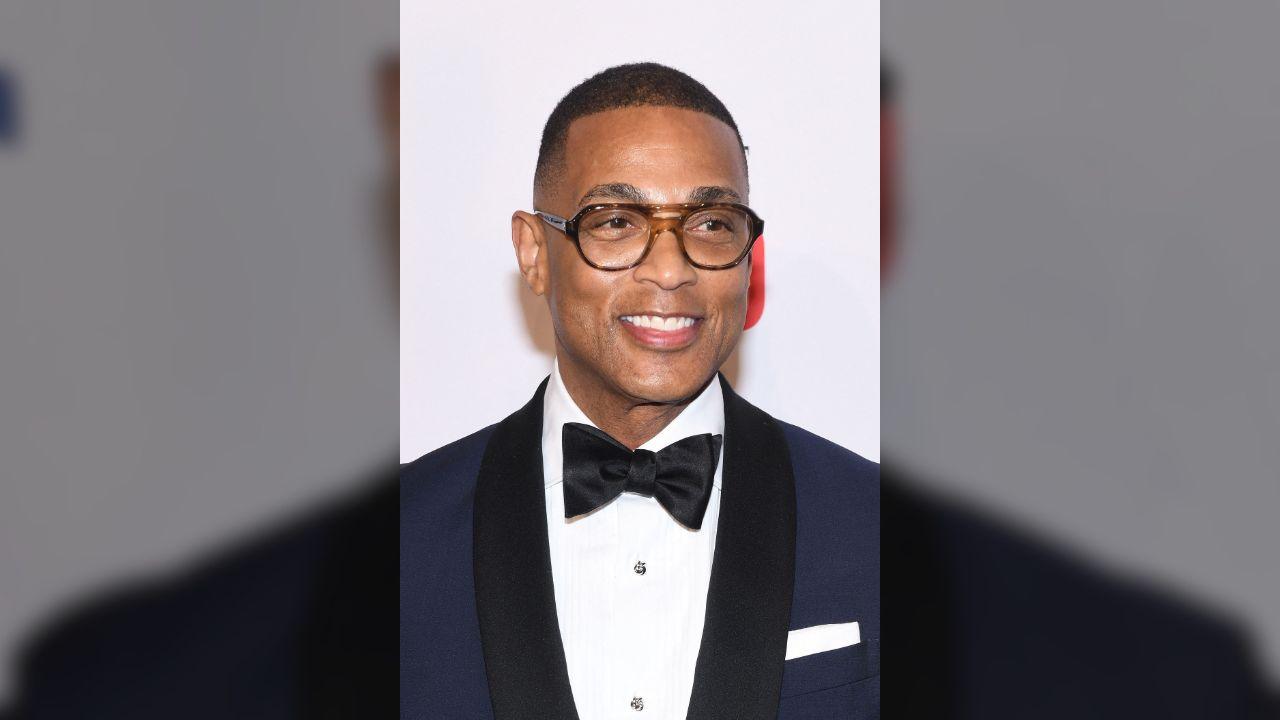
Lemon’s associate, Jerome Richardson, was part of sting operation that swept him.
Twelve days after the protest, a Minnesota judge signed a warrant on January 30 authorizing agents to use a cell-site simulator to target Richardson’s phone. A Pennsylvania judge signed another warrant the following day. Richardson’s lawyers later filed a motion seeking to exclude the tracking evidence, stating the purpose was "locating and arresting him."
Agents also applied for cell-site simulator warrants targeting the phones of Georgia Fort, a journalist charged in the case, and Jamael Lundy, then a Minnesota State Senate candidate. Investigators separately sought pen register orders, which can log the numbers a phone contacts, for Fort and a number reportedly traced to Lemon.
Court records do not establish whether those applications were approved or whether investigators actually deployed a cell-site simulator to locate Richardson.
In a July letter filed in court, Fort’s lawyers said prosecutors "did not know" whether the surveillance applications had been authorized or had produced evidence. Both Fort and Lemon have said they were present to cover the demonstration.
How the Technology Works
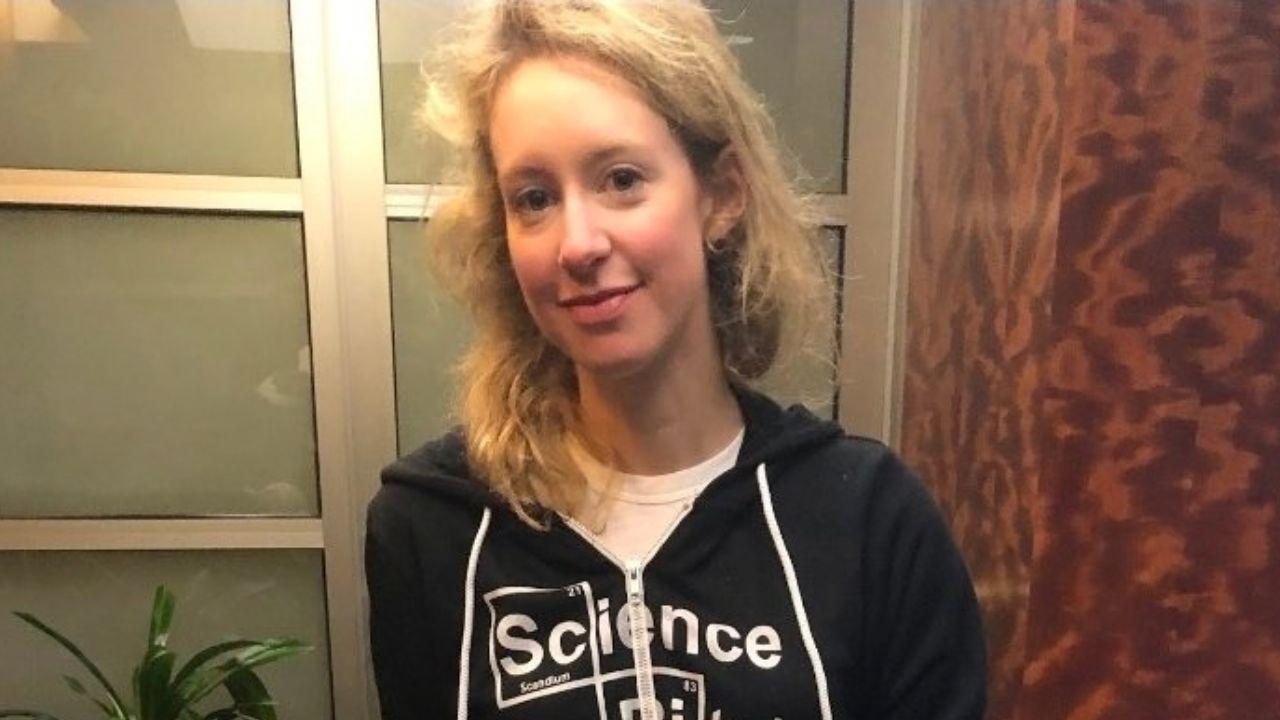
Fake cellular towers are used to track people’s cell phone data.
Cell-site simulators, also known as Stingrays or IMSI catchers, impersonate legitimate cell towers to locate a target’s phone. In the process, they can also collect identifying information from nearby cellular devices, including phones belonging to people who are not suspected of a crime.
Privacy advocates have long criticized the devices as dragnet surveillance tools because they can collect information from people who have no connection to an investigation.
Their use has also been shrouded in secrecy. FBI records released in 2023 showed that local police departments borrowing the technology had to agree to keep details of its use confidential, even in court proceedings.
Don Lemon Pleads Not Guilty, Vows to Keep Reporting

Never Miss an

Daily updates from the heart of Hollywood, right to your inbox
By entering your email and clicking Sign Up, you’re agreeing to let us send you customized marketing messages about us and our advertising partners. You are also agreeing to our Terms of Service and Privacy Policy.
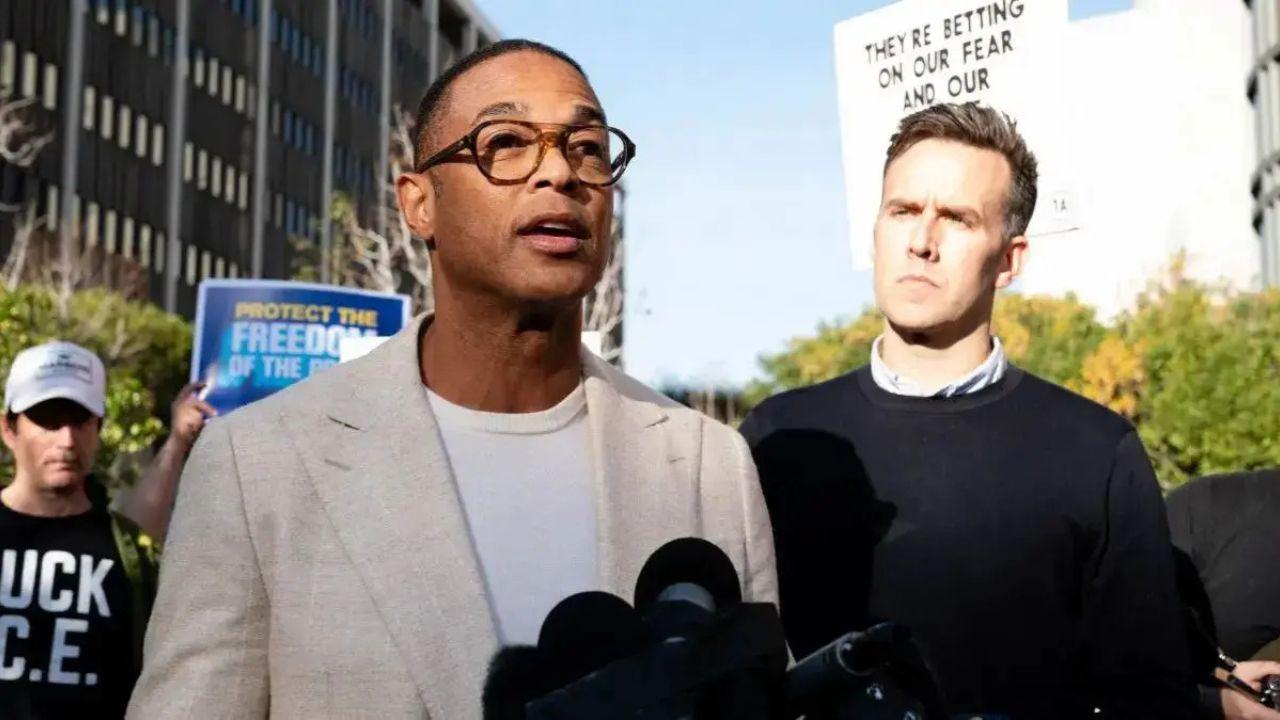
Lemon pleaded not guilty.
Lemon entered a not-guilty plea to the federal charges, insisting he attended the Cities Church service solely in his role as a journalist. The former CNN anchor has pledged to contest the case, framing his presence at the anti-ICE demonstration as standard reporting work.
"I have spent my entire career covering the news; I will not stop now,” Lemon said outside a federal courthouse in Los Angeles after his arrest in January.
The prosecution has drawn sharp criticism from press-freedom advocates, who question whether federal civil-rights statutes are being applied against journalists simply for covering protests. Jane Kirtley, a University of Minnesota professor of media ethics and law, cautioned that the case risks chilling coverage of future contentious demonstrations.
"The Trump administration, with this kind of attack on journalism, has raised the ante," Kirtley said. "It's not just to go after Don Lemon and Georgia Fort; it's to make an example out of them and to remind journalists that they’re all vulnerable to these kinds of attacks."
