


EXCLUSIVE: Ex-Inmate Warns Luigi Mangione's Biggest Challenge Behind Bars Will Be 'Hopelessness' — After Accused CEO Assassin's Dramatic Defense Reversal

An ex-inmate gave insight into life behind bars.

June 23 2026, Published 5:15 p.m. ET


Luigi Mangione's defense team attempted to claim he was under extreme stress when he allegedly shot UnitedHealthcare CEO Brian Thompson – but they backtracked on that strategy.
However, former prisoner and wellness figure Garry Lineham has warned Mangione will likely experience emotional struggles behind bars. In fact, Lineham claimed Mangione will be confronted by a major challenge – hopelessness, RadarOnline.com can reveal.
Luigi Mangione Allegedly Struggles Emotionally


Mangione's attorneys expressed concern about his mental health.
The founder of Human Garage told Radar, "The moment someone believes they are permanently defined by their past, their pain, their mistakes, or their circumstances, healing becomes much harder."
Lineham, who served time in prison on charges he still disputes, advised the 28-year-old to work on self-growth while being locked away.
He spent 14 months in solitary confinement, and, like Mangione, suffered from chronic pain while in the facility.
Lineham's time in custody taught Lineham valuable lessons, including the idea that trauma lives in the body. He became a wellness expert who reflected on his time in prison as a catalyst for his journey.
Ex-Inmate Advises Luigi Mangione to Combat Hopelessness
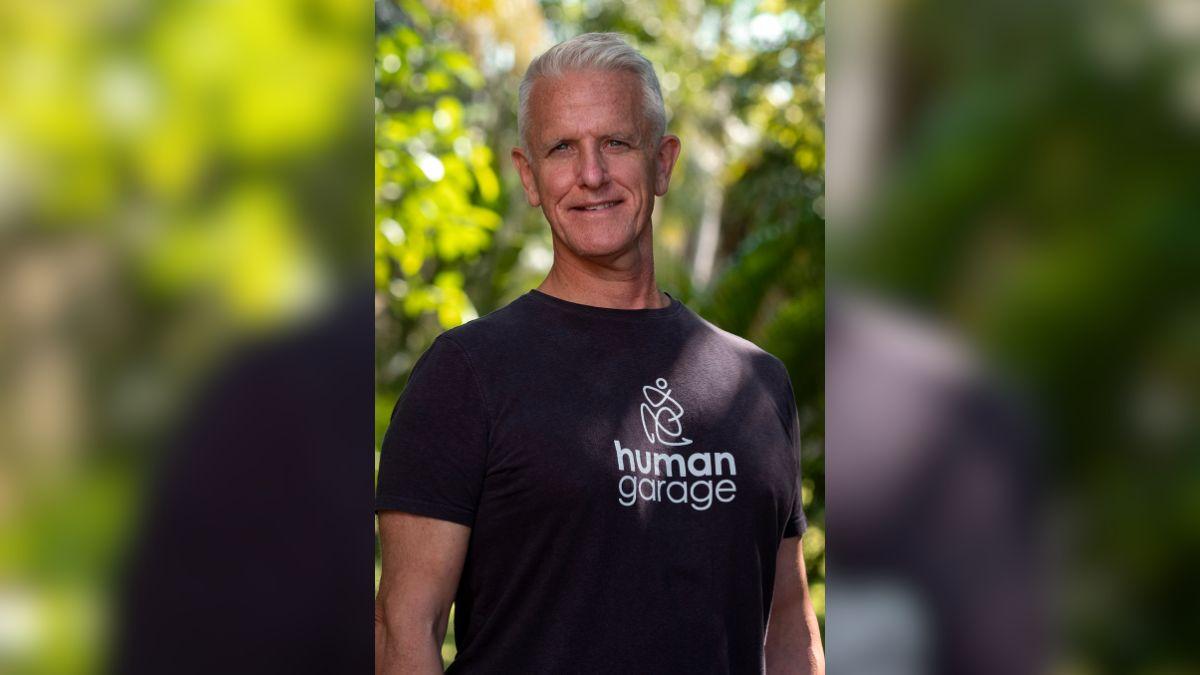
Former prisoner Garry Lineham explained a holistic approach to wellness in prison.
According to Lineham, those who suffer the most in prison are those who give up. He said, "The people who transform are the people who maintain the belief that growth is still possible. As long as someone believes their story is still being written, there is still a path forward."
When it comes to coping with those feelings of hopelessness, Lineham encouraged a holistic approach, being mindful of the connections between brain and body.
While Lineham discouraged falling down a path of hopelessness, he did emphasize a need to accept his circumstance. He noted, "Acceptance was the most important thing I learned during my own incarceration.
"The moment I accepted the possibility of spending decades behind bars was the moment I stopped fighting reality and started focusing on who I needed to become. From there, growth became possible."
Luigi Mangione's Attorneys Hard at Work Before Trial

Mangione is represented by high-profile attorneys.
So far, hope is not lost for Magnione, who is backed by a powerhouse attorneys Karen Friedman Agnifilo and Marc Agnifilo. The legal team submitted a request to the court to be allowed to use a rare legal defense – Extreme Emotional Disturbance, which would help reduce the charges against him.
However, just days after submitting the request, Magnione's legal team retracted the request.
Mangione's exact mental state remains uncertain. After all, before the shooting in Manhattan, he was known to suffer from chronic pain and engage in conversations about it online.
Plus, he expressed annoyance with corporate greed, including in what police allege was his manifesto. Before the shooting, Mangione was reading texts like Unabomber by Ted Kaczynski, according to his Goodreads account.


Luigi Mangione Struggles With Chronic Pain

Never Miss an

Daily updates from the heart of Hollywood, right to your inbox
By entering your email and clicking Sign Up, you’re agreeing to let us send you customized marketing messages about us and our advertising partners. You are also agreeing to our Terms of Service and Privacy Policy.

Lineham advised Mangione to utilize movement in jail.
Lineham also gave Mangione some words of wisdom on managing pain while in prison.
He sympathized, "Chronic pain changes people. It affects sleep, relationships, hope, motivation, and emotional well-being. Over time, it can begin shaping how someone experiences life itself. One thing I’ve learned through my own recovery journey is that pain is rarely just physical. Stress influences pain. Fear influences pain. Isolation influences pain. Emotional suffering influences pain."
The wellness guru encouraged Mangione to take advantage of the movement that's available to him, including in his cell and in the jail yard.
He explained, "My advice would be to focus on the things that remain within your control: movement, breathing, walking, mobility, stress reduction, connection, and purpose. Pain often becomes worse when a person feels trapped.
"Movement creates possibility. Movement creates circulation. Movement creates adaptability. Movement reminds the body that it is still alive."
