


EXCLUSIVE: How Elon Musk's Huge Election Gamble Ended in Crushing Defeat

Elon Musk's efforts to help the GOP failed.
Nov. 10 2026, Published 2:00 p.m. ET


Elon Musk's extraordinary attempt to reshape American politics has ended in a crushing electoral defeat, after the billionaire poured nearly half a billion dollars into Republican campaigns only to watch Democrats seize control of Congress and deliver devastating losses in his adopted home state of Texas.
RadarOnline.com can reveal the 55-year-old Tesla and SpaceX chief executive invested the unprecedented sum in the 2026 midterm elections, hoping to preserve Republican majorities and rescue Texas Senate candidate Ken Paxton, 63.
Elon Musk's Costly Texas Election Gamble Backfires

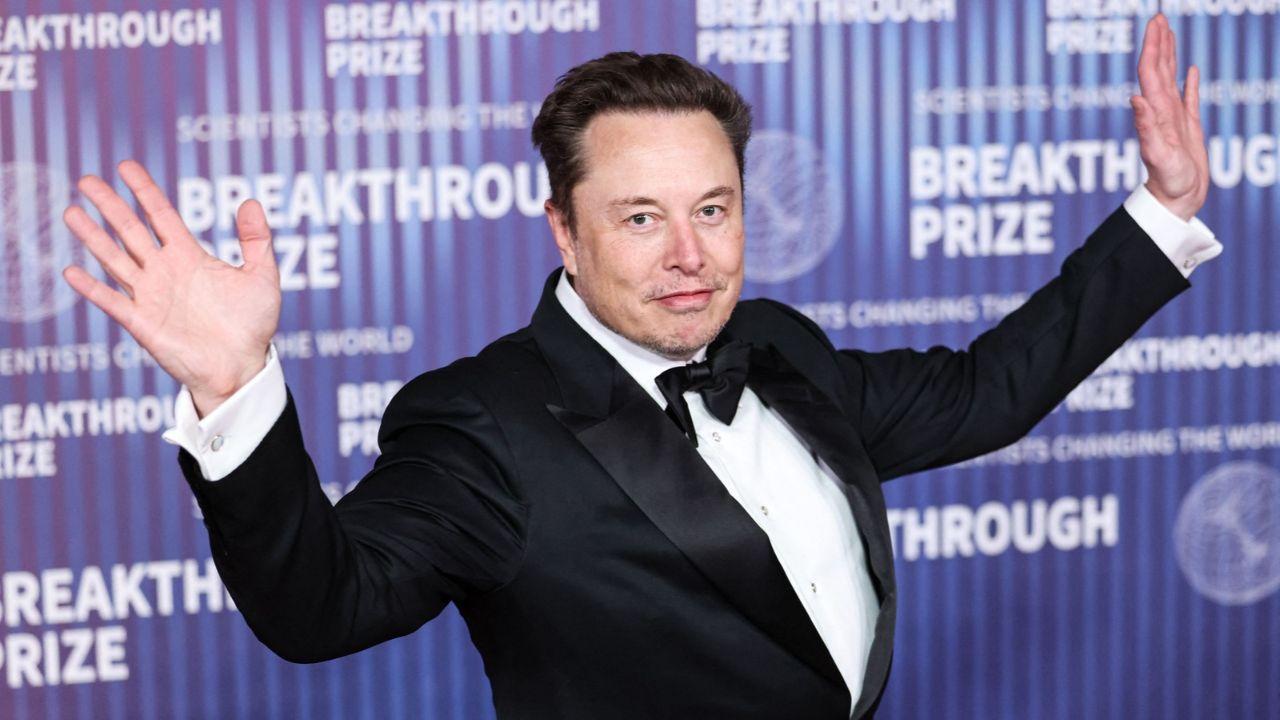
Musk reportedly spent nearly $500million backing Republicans in the 2026 midterms.
Instead, Democrat James Talarico, 37, defeated Paxton by 12 points, while Republicans lost key statewide races. The result has raised serious questions about Musk's political influence and the effectiveness of his vast campaign operation.
A Republican strategist familiar with the campaign said: "Musk believed his money and political machinery could change the direction of the election. He committed an extraordinary amount of resources, particularly in Texas, but the results went completely against him. It was a hugely expensive gamble that failed to deliver.
"There was enormous confidence in what Elon thought he could achieve. He believed his approach to campaigning was more effective than traditional political operations. But there was a growing disconnect between that confidence and what was actually happening among voters.
"Texas became the defining mistake. More and more money was committed because the situation was deteriorating, but there was little evidence that the spending could fundamentally change the outcome. They were trying to rescue an election that was slipping away from them."
They continued, "There were also disagreements about where the money should go and whether the operation was reaching the right voters. Some believed the focus on turnout was too narrow. By the time the scale of the problem became clear, there was very little opportunity to change course.
"The damage goes beyond the money. Elon has built a reputation as someone who can deploy enormous resources and get results. This election challenges that perception. Republicans will inevitably be asking whether his involvement helped their candidates or simply failed to make the difference they expected.
"What makes this particularly painful is that Elon invested so heavily in his own backyard. Texas was supposed to demonstrate the strength of his political influence. Instead, it produced some of the most damaging results of the entire election. That is going to be difficult for him to ignore."
Inside Elon Musk's Divided Political Operation
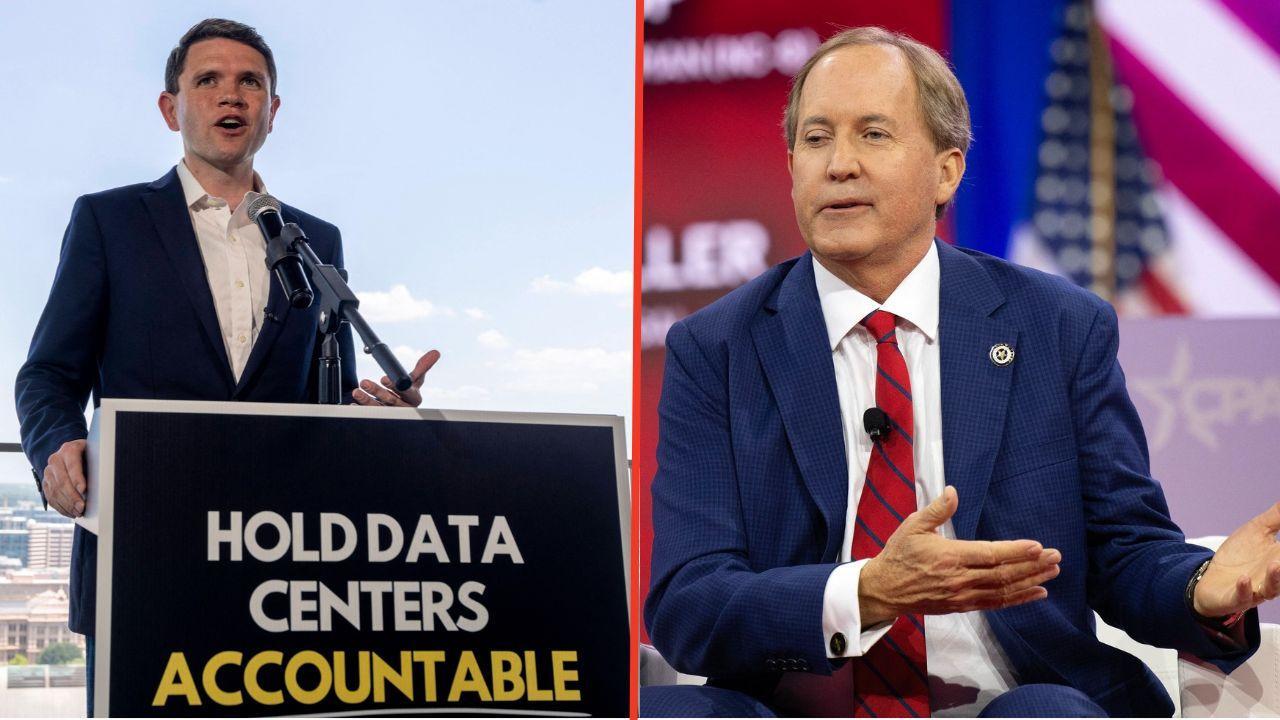
Democrat James Talarico defeated Ken Paxton by 12 points in Texas.
According to reporting by The New York Times, interviews with nearly 30 people familiar with Musk's political activities revealed internal disagreements over his huge spending, campaign strategy and relations with President Donald Trump's advisers.
Several people familiar with the operation described growing concerns Musk's emphasis on mobilizing existing Republican supporters had come at the expense of persuading undecided voters. Others questioned whether his intervention in Texas came too late to reverse the party's declining fortunes.
Musk is said to have previously argued privately conventional political advertising offered poor returns compared with large-scale voter mobilization. His America PAC consequently recruited thousands of canvassers to contact millions of potential Republican voters.
However, the billionaire's political ambitions were complicated by an unpredictable relationship with Trump, 80, following their public falling-out over domestic policy in 2025.
Although relations subsequently improved, tensions reportedly emerged between their political teams over polling, spending priorities and the timing of campaign activity.
Millions Spent as Republican Prospects Deteriorated
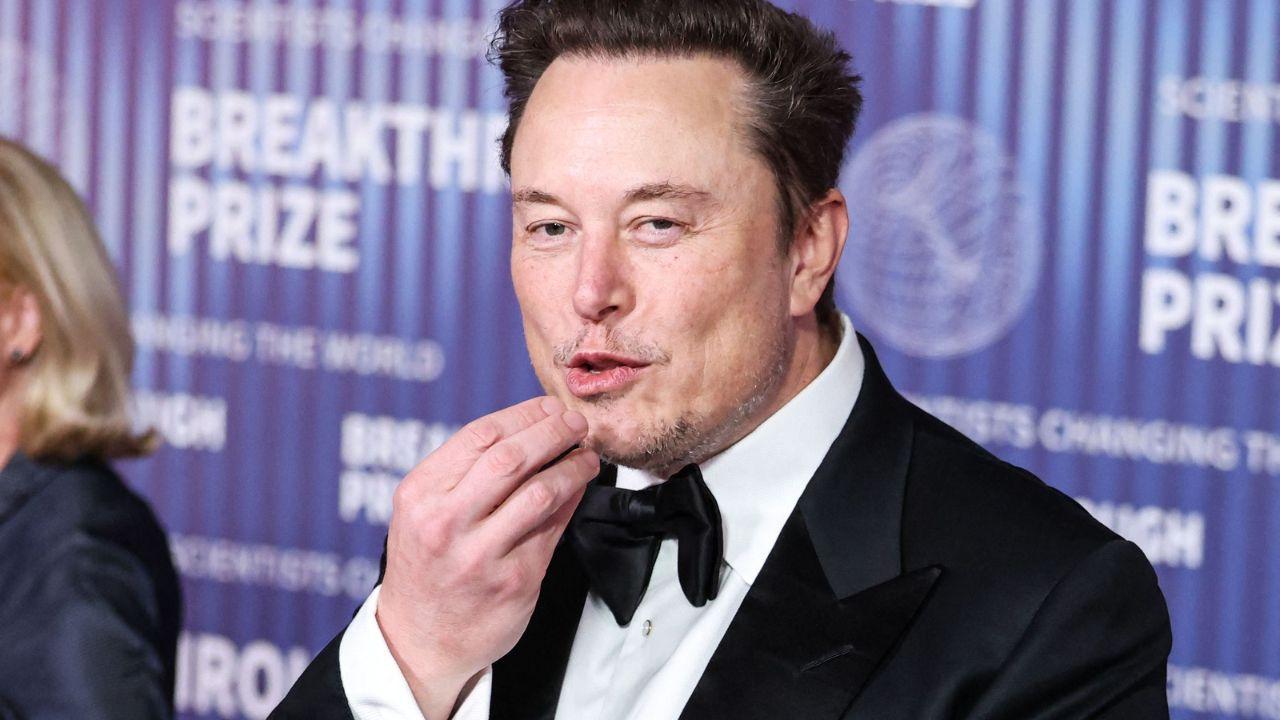
Musk deleted an earlier election message after Republican losses.
The scale of Musk's financial commitment expanded dramatically during the summer as Republican prospects deteriorated in Texas.
His advisers initially concentrated on several competitive Senate contests before directing enormous resources toward Paxton's increasingly troubled campaign.
Working with Republican political organizations, Musk is said to have authorized substantial advertising expenditure, including $158million transferred to a Senate Republican-aligned group.
The money funded advertisements targeting Talarico on crime and transgender-related issues, despite Musk's earlier skepticism about persuasion campaigns.
His political operation also spent millions supporting Republican state candidates, reflecting concerns among some allies about the potential consequences of Democratic control for Musk's businesses.
Yet the strategy failed spectacularly.
Reid Hoffman, a Democratic donor and business rival of Musk, said: "Elon tried to spend a whole bunch of money in his home state and not only lost the Senate, but the governorship and all the rest."
He added: "Clearly, his ability to spend money to win an election has been multiply disproven."

Elon Musk's Election Operation Faces Fresh Questions

Never Miss an

Daily updates from the heart of Hollywood, right to your inbox
By entering your email and clicking Sign Up, you’re agreeing to let us send you customized marketing messages about us and our advertising partners. You are also agreeing to our Terms of Service and Privacy Policy.
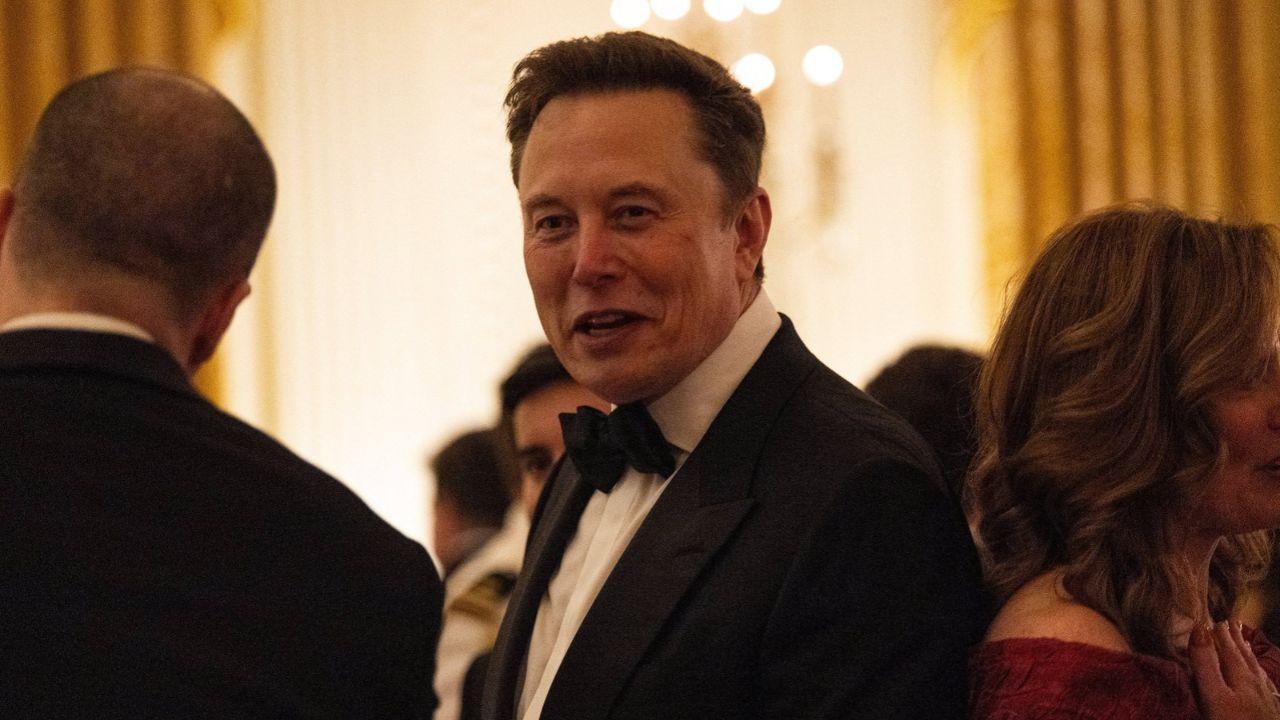
The billionaire joked that his 'election-interfering space lasers' had failed.
Campaign difficulties extended beyond advertising. America PAC's ambitious door-knocking operation reportedly struggled to recruit sufficient workers in important Texas districts.
Some Republican strategists also questioned its late start, while others believed its focus on energizing conservative voters was poorly suited to an election increasingly dominated by dissatisfaction with Trump's presidency.
The organization additionally deployed artificial intelligence-generated videos featuring personalized messages from Trump to encourage Republican turnout.
Internal polling nevertheless indicated that Talarico maintained a lead shortly before election day.
When the results emerged, Musk deleted an earlier message urging Republicans to vote.
He subsequently wrote on X: "Guess my election-interfering space lasers didn't work this time."
A source added: "The Democratic victories could also expose Musk's extensive business interests to greater congressional scrutiny and regulatory pressure."
