


EXCLUSIVE: Eight GOP Senators Challenge Trump's DEA Over Potent Opioid Loophole — as Explosive Letter Demands Answers

President Donald Trump's DEA is facing pressure from eight Republican senators over a controversial policy involving potent kratom-related substances.
Nov. 17 2026, Published 4:27 p.m. ET


Eight Republican senators are challenging President Donald Trump's Drug Enforcement Administration over a controversial drug policy they warn could leave dangerously potent opioid products on store shelves, RadarOnline.com can reveal.
According to a November 16 letter obtained by Radar, the lawmakers are demanding answers from DEA Administrator Terrance Cole and acting Food and Drug Administration Commissioner Kyle Diamantas over a revised federal threshold for 7-hydroxymitragynine, commonly known as 7-OH, a powerful kratom-related substance.
The senators argue the administration's latest action could undermine efforts to protect Americans from addictive synthetic and enhanced kratom products.
Republican Senators Sound the Alarm

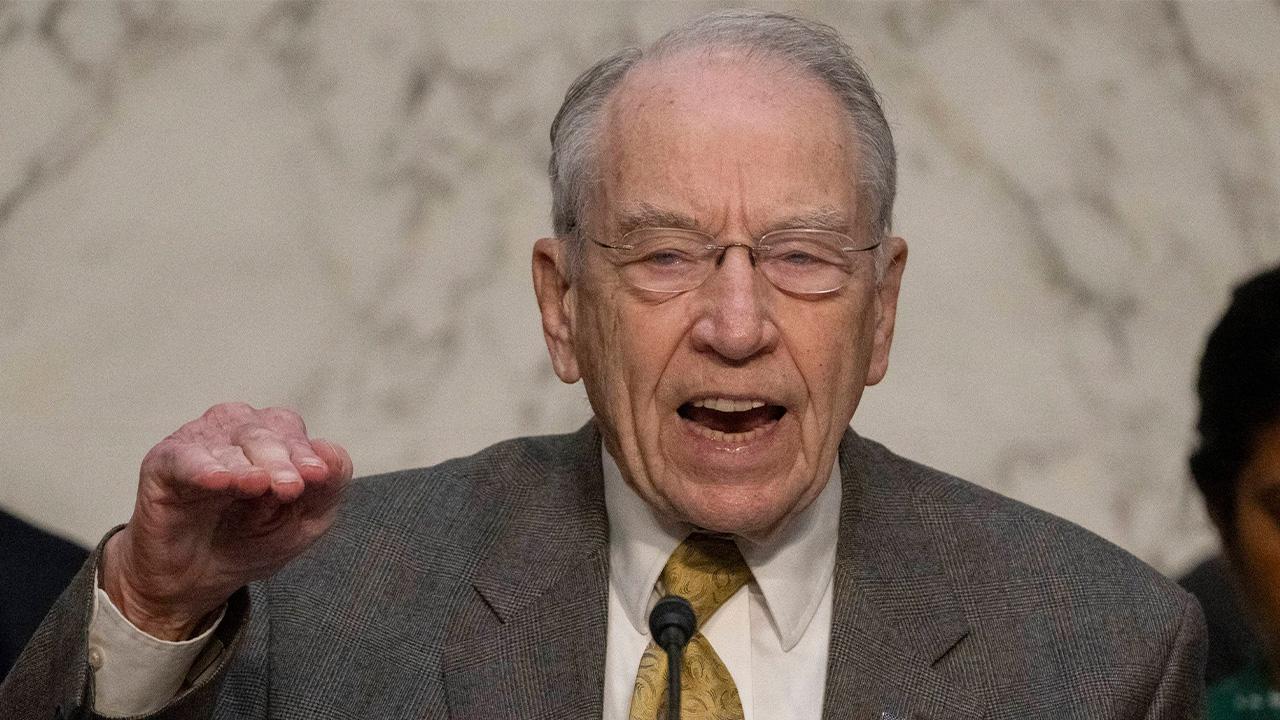
Sen. Chuck Grassley joined seven Republican colleagues in demanding answers over the DEA's revised drug restrictions.
The letter was signed by Republican Senators Chuck Grassley, Susan Collins, Rick Scott, Mike Crapo, Bill Cassidy, Jerry Moran, Shelley Moore Capito and James Risch. The senators are questioning the DEA's decision to revise restrictions involving two powerful substances found in or derived from kratom, a plant sometimes marketed for pain relief.
In July, federal health officials recommended placing one of those substances, known as 7-OH, in the same highly restricted drug category as heroin.
However, the lawmakers are now challenging changes made by the DEA in October, warning the revised policy could leave potentially dangerous products on store shelves.
The senators contend the newer policy effectively doubles the previously allowable threshold for 7-OH, increasing it from 0.05 percent to 0.1 percent.
Explosive Warning Over Potent Kratom Products
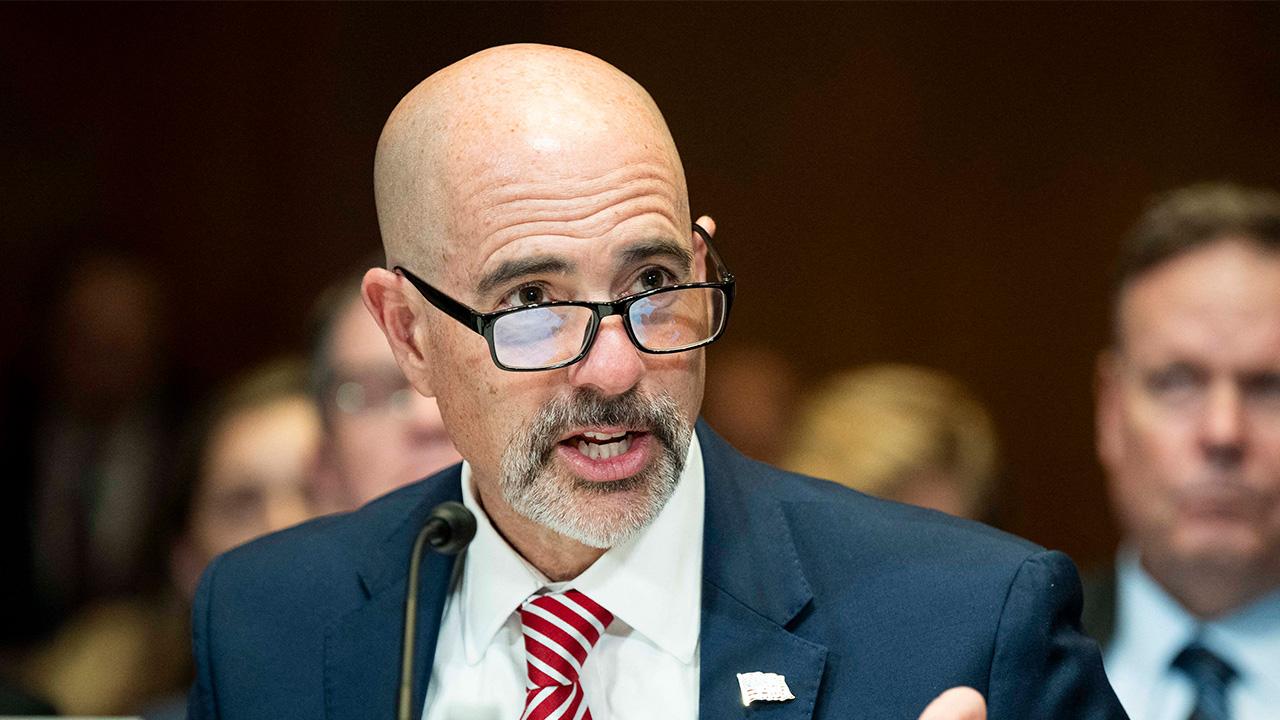
DEA Administrator Terrance Cole faces questions about the potential dangers of synthetic and enhanced kratom products.
The lawmakers questioned why federal regulators would permit concentrations of 7-OH and mitragynine pseudoindoxyl that they say exceed levels naturally occurring in kratom plants.
They wrote: "Kratom is an opioid."
The senators also warned that marketing products as "natural" does not necessarily make them safe.
Their letter cites FDA concerns involving addiction, seizures and substance use disorder, while emphasizing the potential dangers of synthetic or artificially enhanced products.
The lawmakers argue that federal policy should distinguish between natural kratom products and potentially dangerous laboratory-enhanced substances.
Fears for Americans Battling Addiction
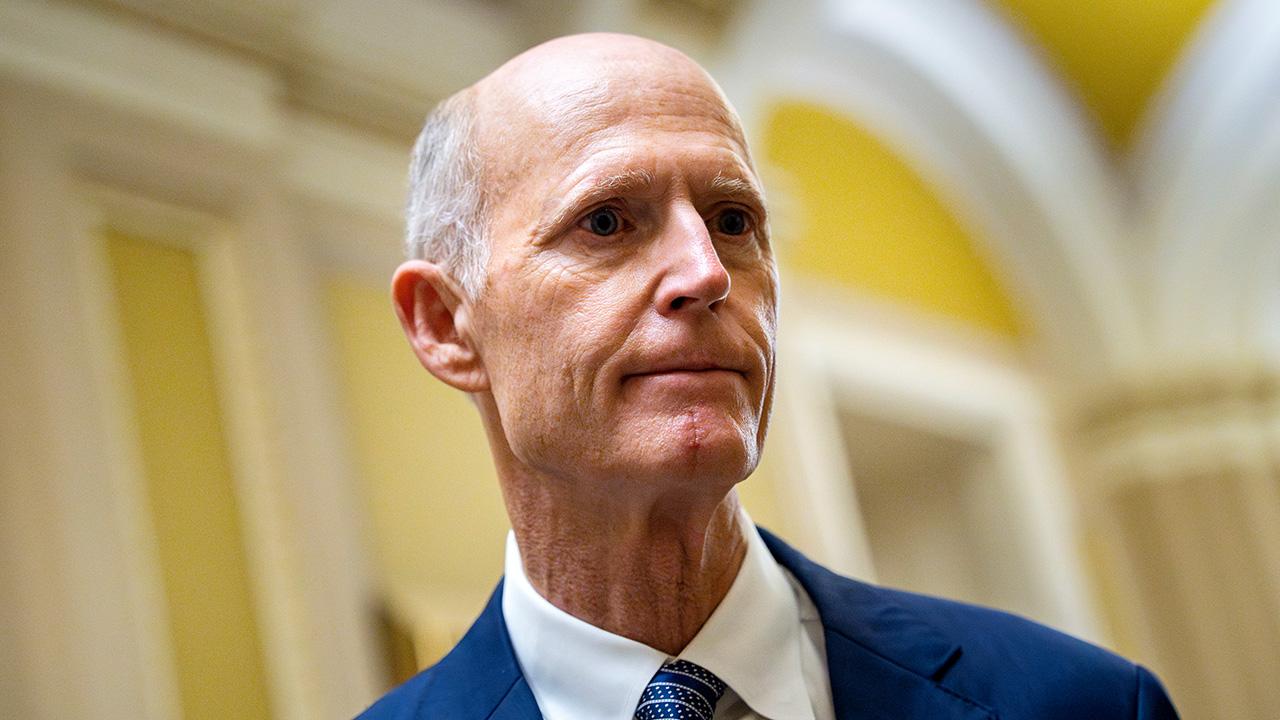
Sen. Rick Scott is among the lawmakers warning that vulnerable Americans could face additional risks.
The senators also raised concerns about people recovering from drug dependence who may turn to kratom products as alternatives to prescription painkillers or other opioids.
They argued that leaving potent synthetic products accessible could create additional risks for vulnerable consumers. The lawmakers wrote that Americans deserve confidence that products available on store shelves are subject to sound regulatory decisions.
They also questioned whether the revised threshold could allow substances with effects approaching those of morphine to remain available without sufficient oversight.
Their criticism places additional pressure on federal regulators to explain how the updated policy protects public health.

Trump's DEA Faces November 30 Deadline

Never Miss an

Daily updates from the heart of Hollywood, right to your inbox
By entering your email and clicking Sign Up, you’re agreeing to let us send you customized marketing messages about us and our advertising partners. You are also agreeing to our Terms of Service and Privacy Policy.
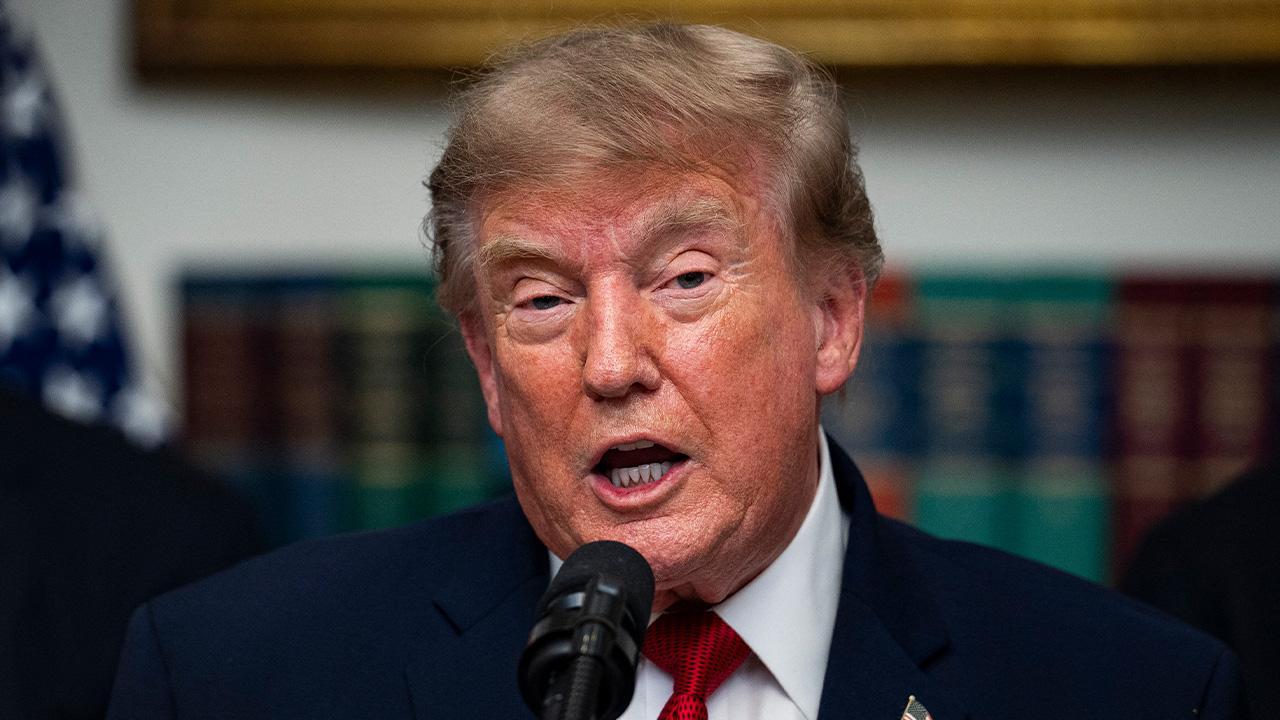
Federal drug regulators have been asked to justify the disputed policy changes by November 30.
The senators are demanding that the FDA provide the scientific and medical evaluations used to justify the revised 7-OH threshold. They also want the DEA, in consultation with the FDA, to reconsider its decision and return to the previous, more restrictive standard.
If the agency refuses, the lawmakers are requesting a detailed explanation. The letter concludes with a firm deadline, directing federal officials to respond no later than November 30, 2026.
The dispute now places Trump's drug enforcement leadership under scrutiny from members of his own party as questions mount over the administration's handling of potent kratom-related substances.
RadarOnline.com reached out to the DEA for comment but did not receive a response by the time of publication.
