


Delphi Killer Richard Allen Appeals 130-Year Sentence and Claims 'Psychosis' in Prison Led to False Confession

Richard Allen is now appealing his sentence.
Sept. 24 2026, Published 6:20 p.m. ET


Delphi killer Richard Allen, who was sentenced to 130 years in prison for murdering two teenage girls, is appealing the sentence, RadarOnline.com can reveal.
In a hearing on Monday, September 21, Allen's lawyer, Mark Leeman, argued that his client was not given a fair trial.
An Unfair Trial?

Allen's lawyer argued his client received an unfair trial.
Leeman told the Indiana Court of Appeals that there were other men present at the time of the killings, but the jury didn't hear evidence proving this.
To the contrary, prosecutor Eileen Meilaender told the judges that Allen confessed to the murders.
"It was Richard Allen himself who identified himself as 'bridge guy' in his statements to police. He identified himself as the man who passed the group of girls on the trail," Meilaender argued.
"Bridge guy" was the nickname given to the Delphi killer before his identification.
The lawyer did not dispute this point, but said that Allen was not in the right mental state when he confessed to the crime.
Potential Psychosis?
Allen's lawyer, Mark Leeman argued psychosis allegedly led to his confession.
Allen confessed to the killings during a phone call made to his family while he was incarcerated at Westville Correctional Facility.
Leeman argued that during Allen's stay, he was put into solitary confinement, which eventually led him to go into psychosis and be given medication, which prompted the confession.
"If the jury hears those videos. If the jury sees the calls, there's no way that they reach the same conclusion," Leeman told the court.
The defense lawyer further contended that while detectives were investigating the murders, there were composite sketches drawn up that weren’t used as evidence in the 2024 trial.
Additionally, Leeman questioned the validity of the search warrant that led to officials searching Allen's home and arresting him for the murders.
Prosecutor Responds
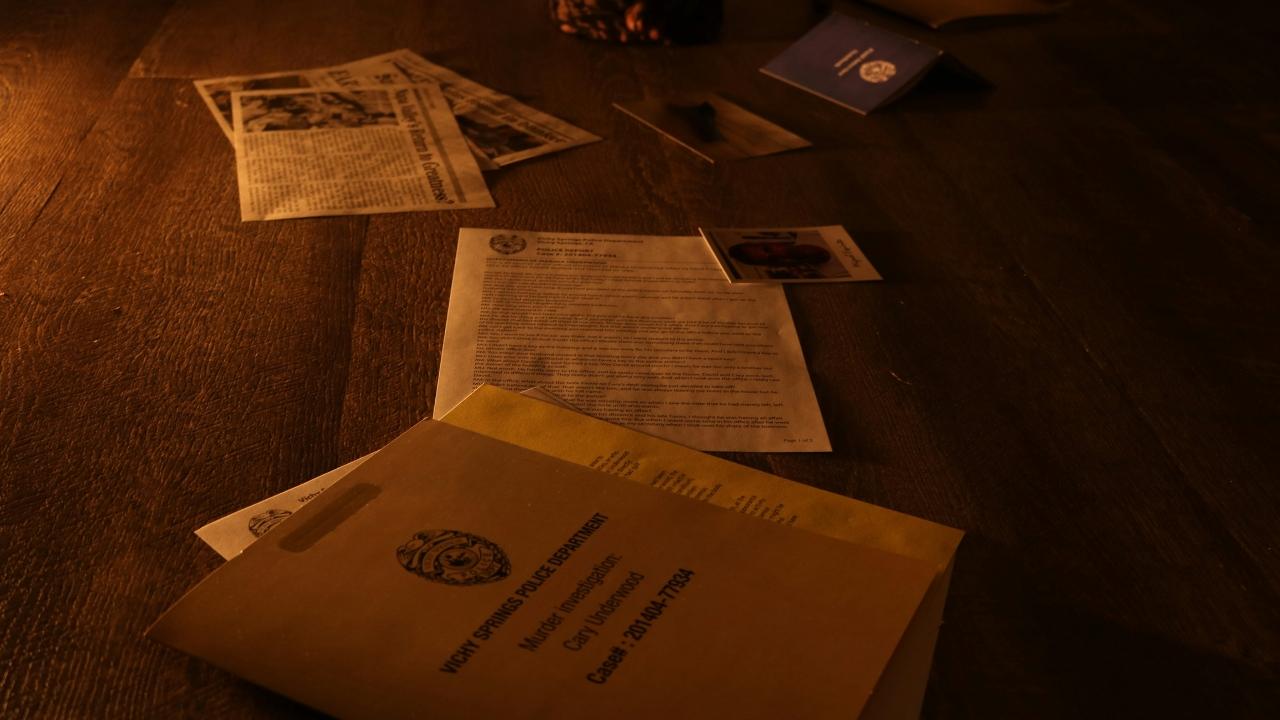
Investigators cleared other suspects before Allen.
Meilaender contended that the suspect willingly confessed to the murders. She said the confession did not come after prolonged interrogations or questioning.
Additionally, she said that Allen was in solitary confinement for the safety of himself and others, and that he was not in isolation. She noted that in his cell, he had a television and a tablet that was replaced after it broke. During this time, Allen also saw therapists and chaplains and had the freedom to leave his cell.
The prosecutor further alleged that other suspects, particularly Brad Holder, were looked into before Allen emerged as a suspect in October 2022, more than five and a half years after the murders.
As of September 24, there has not yet been a ruling in the appeal case. The rest of the arguments made can be watched here.
Context of the Hearing

Never Miss an

Daily updates from the heart of Hollywood, right to your inbox
By entering your email and clicking Sign Up, you’re agreeing to let us send you customized marketing messages about us and our advertising partners. You are also agreeing to our Terms of Service and Privacy Policy.
In February 2017, 13-year-old Abigail Williams and 14-year-old Liberty German were murdered near Monon High Bridge, where they were dropped off for hiking.
They were reported missing after they didn't show up at the pickup spot agreed on with their families.
The two girls were later found deceased near a nearby creek with their throats slit. A bullet lay between them.
