


California Influencers Could Face Criminal Penalties Under New Law Cracking Down on Undisclosed Paid Political Posts

California is tightening its disclosure policies for social media users posting paid political endorsements.
Sept. 24 2026, Published 6:18 p.m. ET


California is tightening its disclosure policies for social media users posting paid political endorsements, RadarOnline.com can reveal.
Since 2023, state law has required influencers to disclose when a political post was paid for by a politician. However, the law was largely unenforceable, as violators could not face fines or criminal charges.
New Law Brings Criminal Penalties
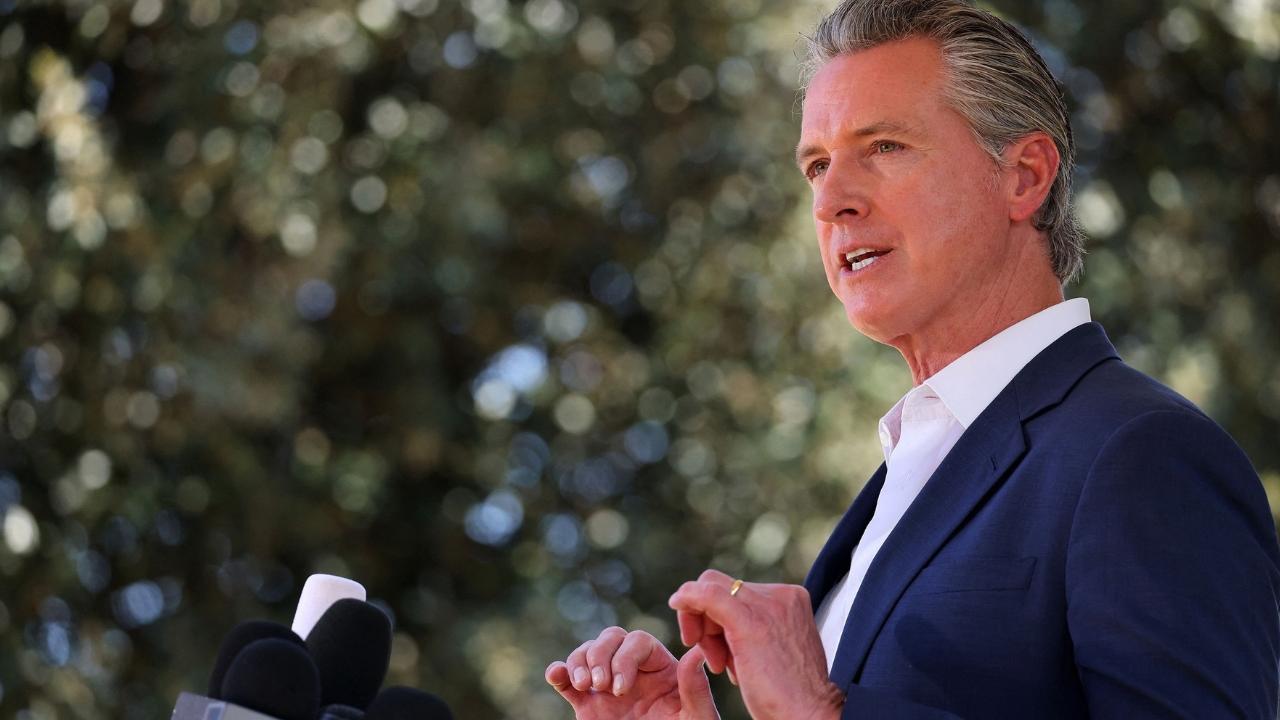
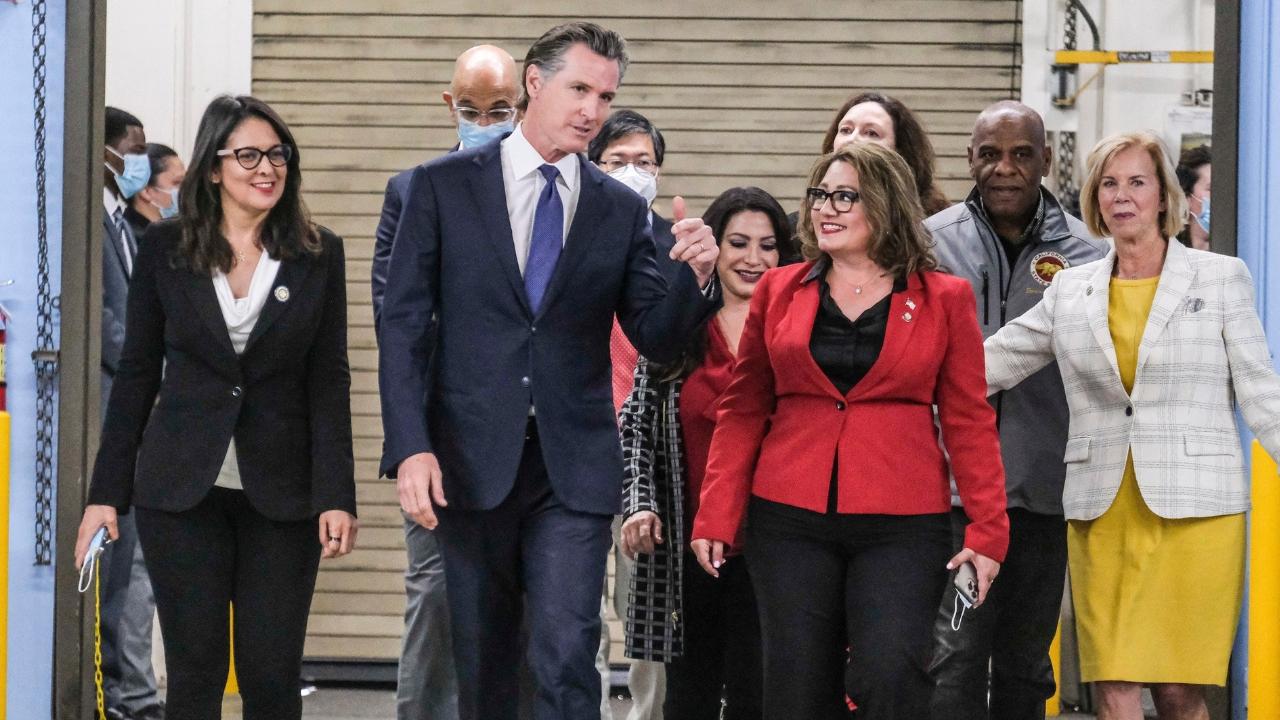
Newsom and Berman are cracking down on undisclosed political ads.
But on September 21, Governor Gavin Newsom signed AB 1130 into law.
AB 1130 allows influencers who fail to disclose paid political content to be penalized under the 1974 Political Reform Act.
As a result, influencers who violate the law could face a misdemeanor charge, up to one year in jail and a fine of up to $5,000.
AB 1130 was proposed by Assemblymember Marc Berman on August 30.
"As more candidates pay influencers to post content supporting their campaigns, it is imperative that voters have the right to know whether or not that content is organic and authentic or paid political messaging," Berman wrote in a press release.
Berman pointed out the aforementioned lack of consequences for those breaking the law.
AB 1130 further requires politicians to disclose how much money they spent on online campaigns and specific social media posts.
"Californians deserve to know when political content appearing in their feeds has been paid for by a campaign," Chair of the California Fair Political Practices Commission (CFPPC) Adam E. Silver added.
AB 1130 received support from all members of the CFPPC.
Politicians Turn to Social Media Influencers
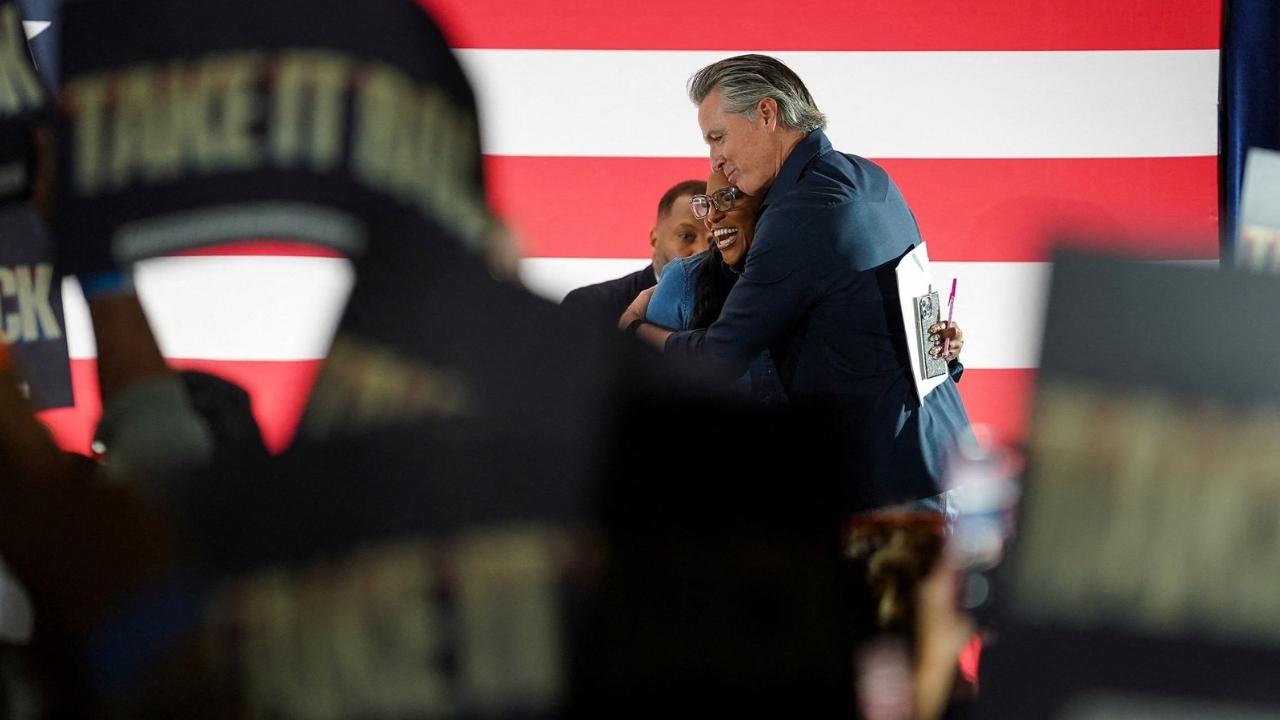
More politicans have been paying influencers to endorse them in recent years.
In recent years, many more politicians have used influencers and the algorithm to spread their message to try and secure votes.
Some of these politicians can pay influencers from $200 up to a whopping $100,000 to endorse them to their followers.
These campaigns haven't exactly been unsuccessful. More Americans than ever before use social media as a primary source for learning news.
Social Media Reshapes Political Messaging
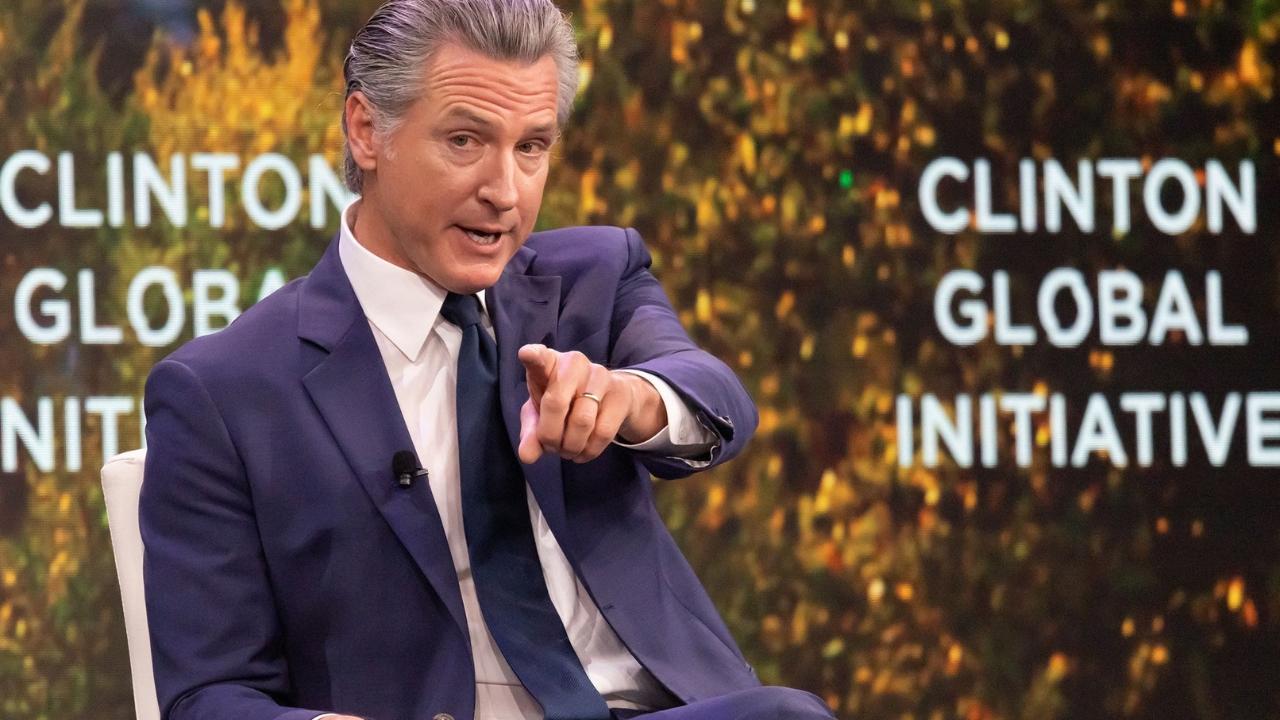
Many social media users see political content on their feeds.
According to a study by the Pew Research Center, 59% of X users use the platform to keep up with politics, while 36% use TikTok.
Additionally, around 26% of users watch political content on Facebook or Instagram.
As AB 1130 is meant to address, this has not come without its problems in California.
Steyer Campaign Paid Social Media Influencers
Never Miss an

Daily updates from the heart of Hollywood, right to your inbox
By entering your email and clicking Sign Up, you’re agreeing to let us send you customized marketing messages about us and our advertising partners. You are also agreeing to our Terms of Service and Privacy Policy.
The new law promotes transparency in political advertisements.
In one case, per CalMatters, Tom Steyer was discovered paying influencers to endorse his campaign for California governor.
However, not all of them allegedly disclosed that they were paid for their support.
Court documents from January to April claimed the aspiring governor paid more than $123,400 to over eight influencers.
Additionally, Steyer's team reportedly paid around $870,000 to Group Project Digital (GPD), a platform that recruits social media users to share endorsements of politicians.
GPD originally offered people $10 per video, but updated it to $1,000 per month, with a notice that users had to disclose the payments.
