


EXCLUSIVE: Christa Pike Execution Twist — Prison Official Denied Calling 911 as Emergency Crews Responded to Failed Lethal Injection Procedure

Christa Pike's failed execution sparked an emergency response and questions over prison procedures.
Nov. 5 2026, Published 7:32 p.m. ET


A Tennessee prison official denied anyone at the facility had called 911 as emergency responders scrambled to investigate reports that death row inmate Christa Pike was still alive following a failed execution, RadarOnline.com can reveal.
According to emergency dispatch recordings obtained by Radar from Nashville's Department of Emergency Communications, a representative at Riverbend Maximum Security Institution told dispatchers that nobody from the prison had requested assistance, despite emergency crews already being dispatched to the facility on September 30, 2026.
The exchange unfolded as authorities attempted to verify reports that Pike remained alive and required urgent medical attention after undergoing the state's execution procedure.
Prison Official Denies Emergency Call


Christa Pike remained alive following the state's execution attempt.
In one recording, a Metro Nashville emergency communications representative contacted Riverbend to confirm reports of a failed execution.
"Hey, this is Metro. We got a call about a failed execution at the facility, and we're just calling to verify," the dispatcher explained.
After requesting to speak with a supervisor, the dispatcher was told that prison personnel had not contacted emergency services.
"I'm being told that nobody from our facility called you," the prison representative responded.
The official continued: "We didn't call anybody. I would have been the one to call you guys."
The dispatcher questioned whether emergency responders were needed, explaining that fire personnel had already been sent to the prison.
The exchange highlights uncertainty surrounding the response, although the official's statements did not establish that the reported medical emergency was false.
Attorney Reports Pike Still Alive

Pike's attorney called 911 requesting urgent medical assistance.
The emergency originated with reports Pike was still alive after the execution procedure.
In a separate 911 recording, an attorney identifying herself as Kelly Gleason, with Tennessee's Office of the Post-Conviction Defender, urgently requested medical assistance.
"She's still alive and breathing and needs immediate life-saving care," Gleason told the dispatcher.
The attorney reported Pike was unconscious and had been observed snoring following the administration of pentobarbital.
The dispatcher sought information about Pike's condition while emergency personnel worked to coordinate a response.
The attorney's statements were reports of Pike's condition and were not an independent medical assessment by emergency dispatch personnel.
Emergency Crews Ordered to Stage
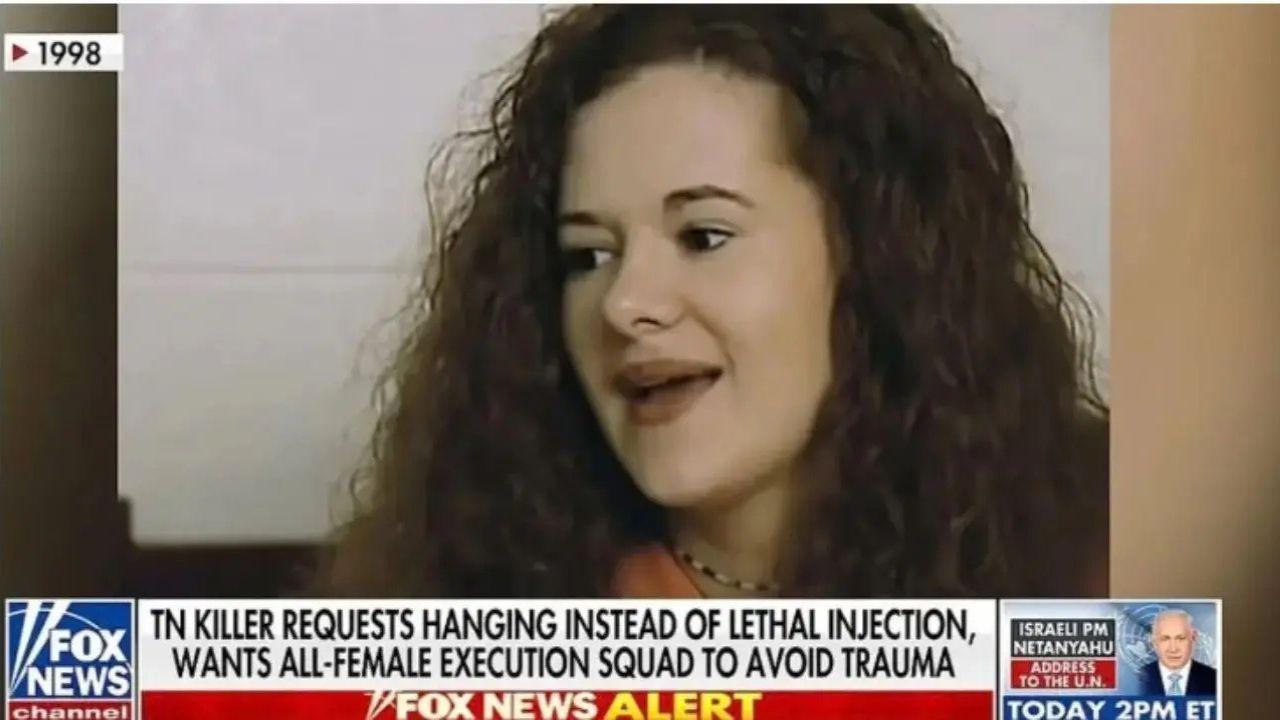
A prison official denied that anyone at Riverbend had called 911.
Additional dispatch audio reveals firefighters and medical personnel were instructed to stage near Riverbend while authorities attempted to establish the appropriate response.
One dispatch transmission described an unconscious woman who was reportedly not breathing normally inside the execution chamber.
Emergency crews were instructed to stage for police assistance.
Other conversations captured confusion over jurisdiction, with officials discussing whether Metropolitan Nashville Police or Tennessee Highway Patrol personnel were responsible for accompanying emergency responders into the state prison.
In one exchange, dispatchers questioned why prison personnel apparently could not provide an emergency response code.

Never Miss an

Daily updates from the heart of Hollywood, right to your inbox
By entering your email and clicking Sign Up, you’re agreeing to let us send you customized marketing messages about us and our advertising partners. You are also agreeing to our Terms of Service and Privacy Policy.


Questions Surround Prison's Emergency Response

Newly obtained dispatch audio reveals confusion during Pike's execution emergency.
The Department of Emergency Communications confirmed that its first notification concerning the Riverbend incident came at approximately 8:40 p.m.
Its records document subsequent communications involving Nashville Fire, Metro Police, Tennessee Highway Patrol and the Tennessee Department of Correction.
The recordings raise questions about how prison personnel communicated with emergency dispatchers and whether confusion over procedures complicated the response.
However, the available exchanges do not establish whether the prison representative knew about the attorney's emergency call or whether the denial delayed medical treatment.
The recordings offer a detailed account of the communications surrounding the failed execution, including the striking moment when a prison representative insisted that nobody at the facility had called for emergency assistance.
