


Charlie Kirk's Accused Killer Tyler Robinson Seeks Turning Point USA Emails — as Prosecutors Fight Back Against Sweeping Records Request

Robinson’s defense filed a discovery motion on Oct. 6, 2026, seeking records in 60 categories.
Nov. 20 2026, Published 10:23 a.m. ET


Tyler Robinson, the 23-year-old accused of killing conservative activist Charlie Kirk, is seeking access to records gathered during an independent investigation into security failures surrounding the fatal Utah Valley University event.
The defense has requested 60 categories of materials connected to the investigation, including interviews and communications involving university officials and Turning Point USA (TPUSA).
Prosecutors are challenging the request, arguing that much of the information has little direct connection to the murder case, according to court documents reported by KSL.
The dispute centers on how much information Robinson's attorneys should be allowed to examine as they prepare for his capital murder trial. Robinson has pleaded not guilty, and prosecutors are seeking the death penalty.

Defense Seeks Security and Event Communications
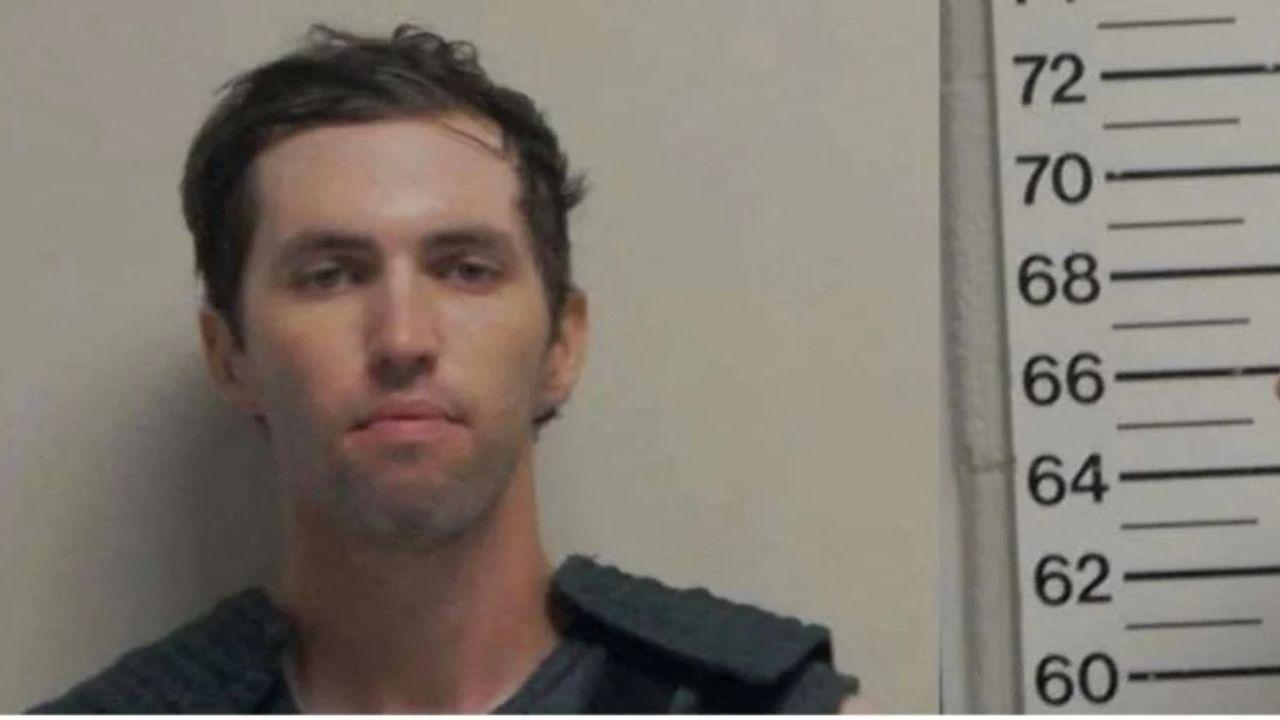
The defense wants names, headcounts and communications of TPUSA security staff near campus.
Robinson's attorneys submitted their discovery request on October 6, 2026, seeking materials referenced in Utah Valley University's independent after-action investigation.
According to KSL, the 60 requests include interviews conducted by the investigation team, attempts to contact TPUSA representatives, and communications between the university's police chief and senior TPUSA officials.
The defense is also seeking records concerning UVU police staffing, including officer rosters and time sheets for September 10 and 11, 2025.
The requests relate to the planning and security arrangements for Kirk's appearance at the Orem, Utah, campus, where he was fatally shot on September 10, 2025. Robinson was arrested two days later.
Prosecutors Call Defense Request a 'Fishing Expedition'
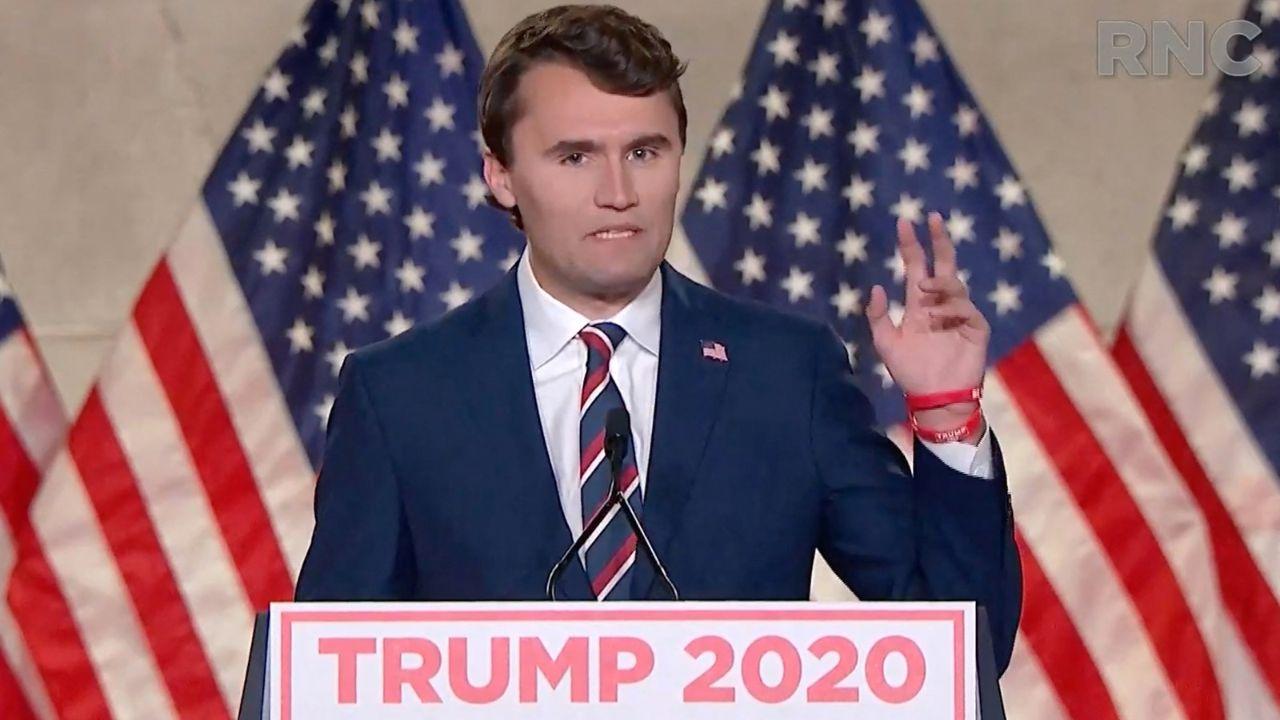
Attorneys seek UVU-TPUSA correspondence from July 1, 2025, through the present.
Prosecutors argue that the materials Robinson wants are not directly relevant to the criminal charges against him.
They say the investigation team collected the information to evaluate the university's handling of the event and recommend improvements to campus safety, rather than to investigate Kirk's killing.
The 158-page report, released September 25, 2026, identified shortcomings in UVU's event planning and security procedures. It found inconsistencies in how existing safety policies were implemented but concluded that university employees had not acted in bad faith.
The disagreement now puts the scope of the defense's access to the investigation materials before the court.
Ballistics Testing Remains Disputed

Never Miss an

Daily updates from the heart of Hollywood, right to your inbox
By entering your email and clicking Sign Up, you’re agreeing to let us send you customized marketing messages about us and our advertising partners. You are also agreeing to our Terms of Service and Privacy Policy.

Robinson has pleaded not guilty to seven counts; prosecutors are seeking the death penalty.
The records dispute is unfolding alongside a separate disagreement over forensic evidence.
Robinson's attorneys want Judge Tony Graf to stop additional FBI testing on bullet fragments recovered during Kirk's autopsy.
They argue that earlier examinations by the Bureau of Alcohol, Tobacco, Firearms and Explosives (ATF) altered the evidence and that further handling could compromise their ability to conduct independent examinations.
Prosecutors oppose the request, arguing that virtual comparison microscopy uses 3D scans that preserve information for the defense. They also want metallurgical testing conducted on the recovered fragments.
One bullet jacket fragment and four lead fragments were recovered during the autopsy. Earlier ATF testing could neither confirm nor rule out whether the jacket fragment came from the rifle investigators believe was used in the shooting.
The judge has also established a timeline for the capital murder proceedings. On November 9, Graf scheduled jury selection to begin June 21, 2028, with 105 court days reserved for the trial.
Robinson's defense had proposed waiting until 2029, citing the extensive evidence that attorneys still need to examine. Prosecutors argued they could be ready earlier, while Kirk's widow, Erika Kirk, had asked for a trial no later than October 2027.
Graf ultimately selected a date between the competing proposals, citing the need to balance Robinson's constitutional right to prepare his defense with the family's interest in a timely resolution. Monthly pretrial conferences are also scheduled to monitor progress.
