


Charlie Kirk's Accused Assassin Tyler Robinson Set to Face Major Court Showdown as Prosecutors Prepare to Present Evidence

Tyler Robinson will be in court for the start of a crucial hearing into accusations he killed Charlie Kirk.

July 6 2026, Published 12:07 p.m. ET


Charlie Kirk's accused killer is set to begin a crucial preliminary hearing on Monday, July 6, for the murder of the conservative commentator, RadarOnline.com can report, and Kirk's still grieving widow, Erika, plans to be front and center in the courtroom.
Prosecutors plan to prove over the course of the week that they have enough evidence against Tyler Robinson to proceed to a trial.
The Key Hearing is Expected to Last a Week

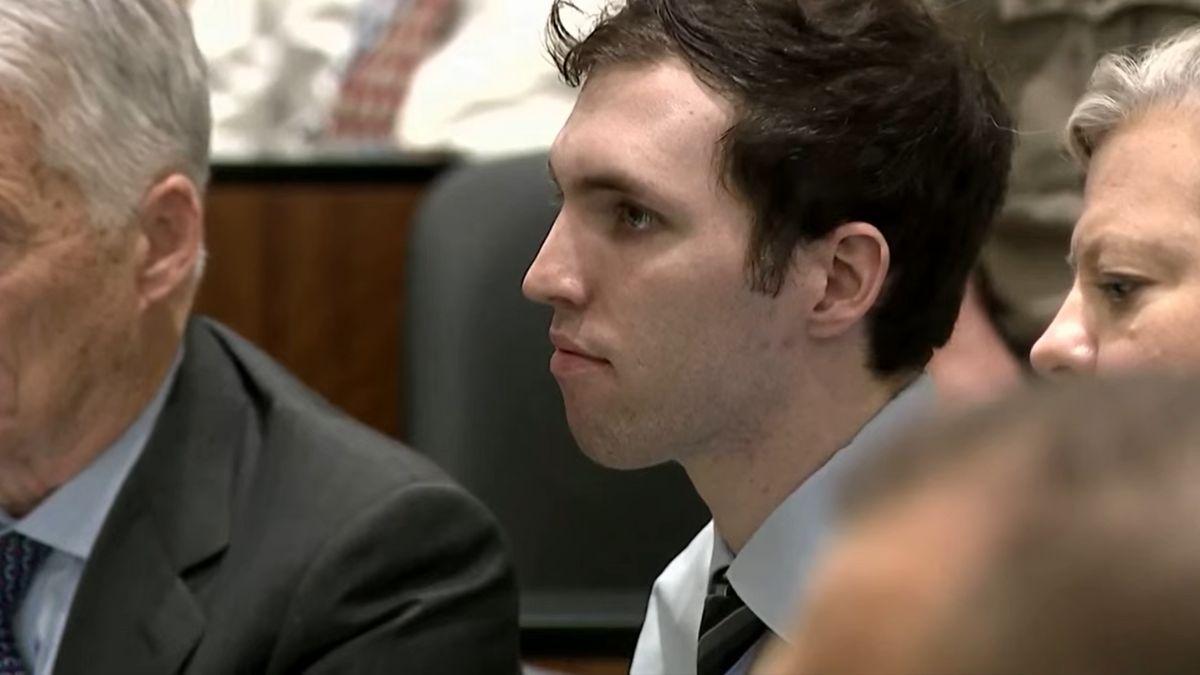
Tyler Robinson's defense has topped $10million so far.
Robinson, 23, has had a plethora of charges levied against him, including aggravated murder, felony discharge of a firearm causing serious bodily injury, two counts of obstruction of justice, two counts of tampering with a witness, and committing a violent offense in the presence of a child.
Prosecutors have said they intend to seek the death penalty if Robinson is convicted. He has yet to enter a plea.
This week's hearing will give both sides a chance to make their case before a judge, who will then decide whether there is enough evidence to move to a full trial.
Erika Kirk Breaks Her Silence
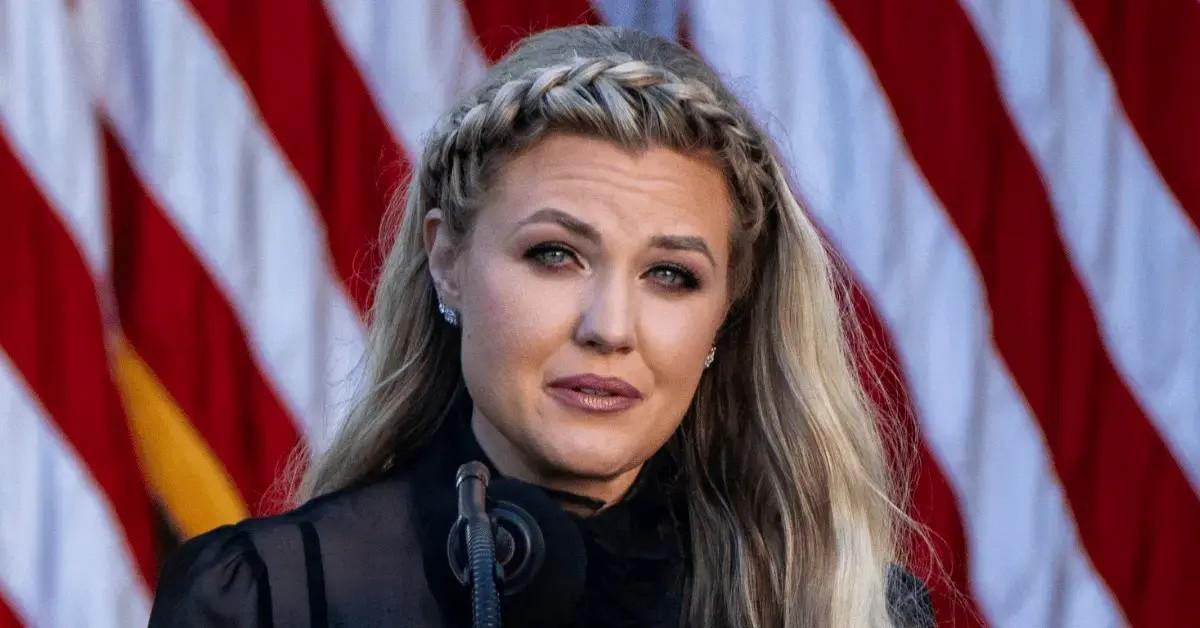
Erika issued an emotional statement before court began.
Erika is expected to be joined in the gallery by Charlie's parents. It will be the first time that any of the Kirk family will be in the courtroom with Robinson.
Moments before court began, Erika's widow issued a statement detailing her high emotions.
"Charlie was a beloved husband, son, brother, friend, and father. Every court proceeding serves as a painful reminder of his death and the loss that has irrevocably impacted our lives and the lives of his children. "We remain deeply grateful for the support, prayers, and kindness we have received. This outpouring has sustained us during the darkest days of our lives. "Out of respect for the judicial process, we will not be commenting further at this time. We ask for continued privacy as we navigate this process and immense grief."
Prosecutors and Defense Have Traded Accusations
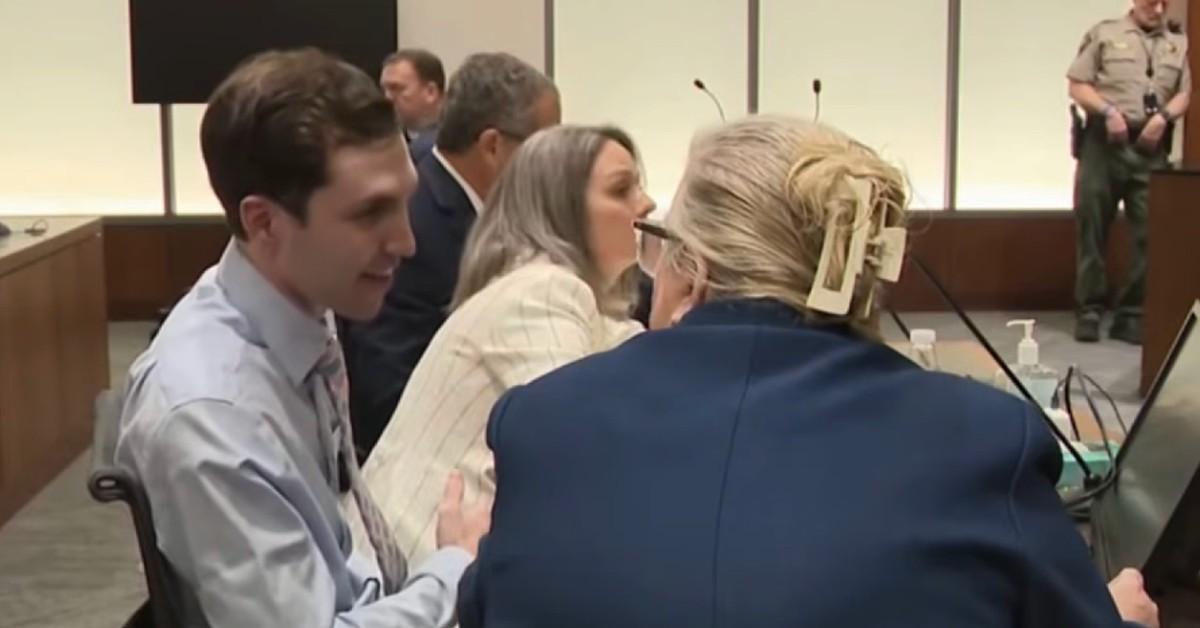
Robinson's attorneys have sparred with state prosecutors throughout the pre-trial proceedings.
The start of the hearing is the culmination of months of bitter bickering between prosecutors and the defense. The two sides went to war after Robinson's team tried to disqualify the Utah County lawyers for breaking a gag order and embarking on what they deemed a "media blitz" that they claim could have tainted the jury pool.
While Judge Tony Graf declined the request to banish the prosecutorial team, he did hold Deputy Utah County Attorney Christopher Ballard in contempt for openly discussing claims the bullet used to kill the conservative commentator did not match Robinson's rifle.
As Radar previously reported, Robinson's attorneys have stated authorities were "unable to (connect) the bullet recovered at autopsy to the rifle allegedly tied to Mr. Robinson."
But Ballard fired back, arguing the defense team wasn't being entirely forthcoming about the findings, and clarified the report actually states that the bullet jacket fragment "could not be identified or excluded" as having been fired from that rifle.
Ballard's Bullet Theory
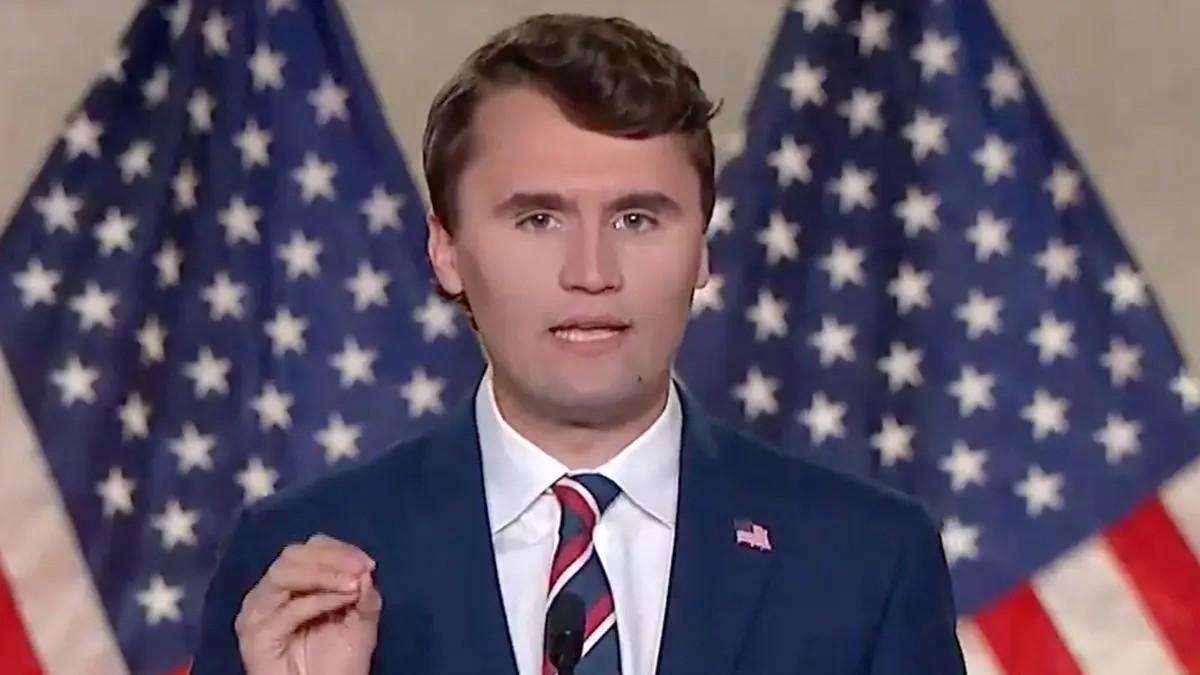
The two sides argued over claims about the alleged bullet used to kill Kirk.

During a court hearing last month, Ballard insisted he only spoke to the media to correct the defense's "mischaracterization of bullet evidence," which he argued fueled questions and speculation that their case was flawed.
"My concern is that it would feed the idea the state did not have sufficient evidence in the case," Ballard said. "This was a significant issue, and we needed to figure out how to respond to that."
Ballard stated, "In a murder case where a victim was killed by a single bullet, it is difficult to imagine publicity that would be more unduly prejudicial than false reports that the bullet recovered from the victim was proven to have not been fired from the defendant’s rifle."

Never Miss an

Daily updates from the heart of Hollywood, right to your inbox
By entering your email and clicking Sign Up, you’re agreeing to let us send you customized marketing messages about us and our advertising partners. You are also agreeing to our Terms of Service and Privacy Policy.
While Judge Graf agreed that prosecutors were allowed to correct the public record regarding the ATF findings, he did rule that Ballard crossed the line when he publicly stated there was "ample evidence" proving Robinson's guilt.
Graf found that while Ballard "did not engage with the media out of a malicious desire to flout this court’s authority or to intentionally taint the jury pool," statements sharing his opinion on Robinson's guilt and the strength of the state's case went beyond what the instructions allowed.
"Those additional public statements possessed a substantial likelihood of materially prejudicing the proceedings," Graf said.
