


EXCLUSIVE: 'Bridget Jones' Turns 25 — Inside the Making of Beloved Rom-Com as Star Renée Zellweger 'Gets Set for Marriage'

'Bridget Jones' was an instant hit in the box office.
April 24 2026, Published 7:00 a.m. ET


Before the 2001 romantic comedy Bridget Jones's Diary ever rolled cameras, some very weighty matters had to be settled, RadarOnline.com can reveal.
The biggest question? Who would play Bridget? The role called for a slightly plump, 32-year-old single British woman who chronicles her romantic disasters and self-improvement vows in a diary – only to find herself caught between two very different suitors.
Bridget Jones Casting Sparks British Backlash

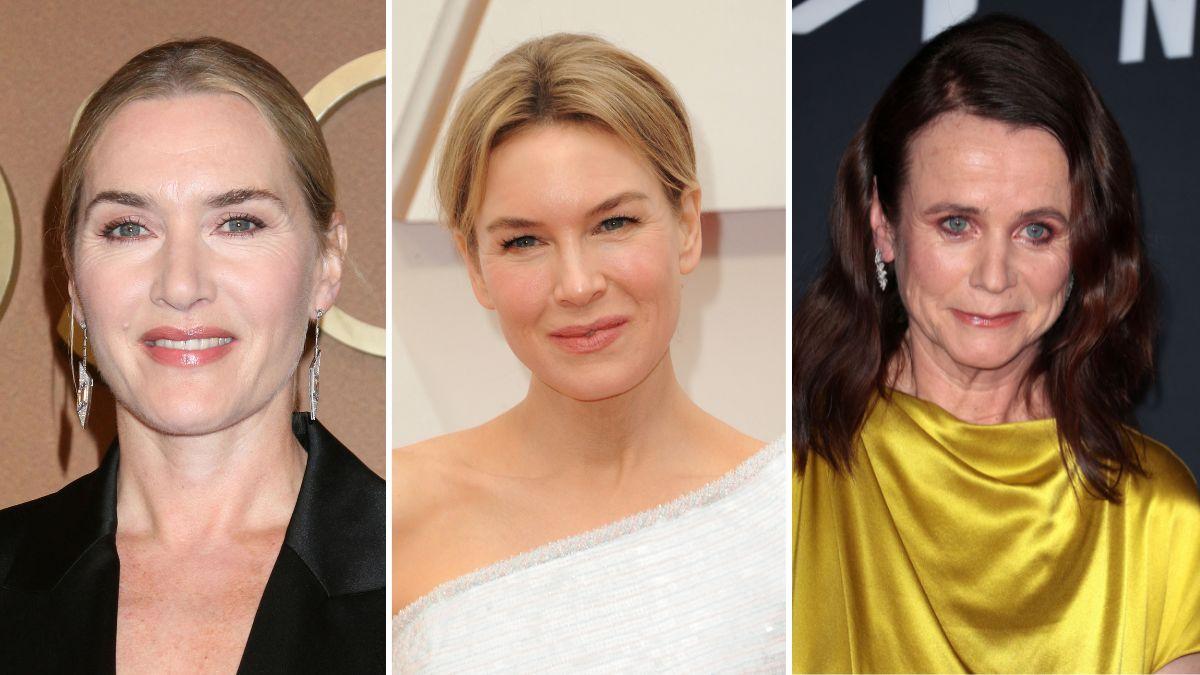
Producers reportedly considered Kate Winslet and Emily Watson, among others, before casting Renee Zellweger in 'Bridget Jones's Diary.'
The film was based on Helen Fielding's bestselling novel, which itself grew out of her anonymous newspaper column about life as a single woman in London. Fielding once admitted she assumed the exaggerated, comic character would be dropped after a few weeks for being "too silly."
Instead, Bridget became a cultural phenomenon and a beloved British icon.
Naturally, producers looked first to Britain's finest actresses. Kate Winslet, Emily Watson, Rachel Weisz, Cate Blanchett and Helena Bonham Carter were all reportedly considered. Toni Collette was said to have been interested but unavailable due to Broadway commitments.
In the end, however, the role went to a Texan: Renee Zellweger. And the backlash was swift.
Many Brits bristled at the idea of an American portraying their endearingly flawed heroine. Fielding later said she was secretly touched by the outrage, seeing it as proof of how protective the nation felt about Bridget.
Director Sharon Maguire admitted to some initial anxiety as well – but after meeting Zellweger, she was convinced.
The actress possessed the vulnerability and irreverent spirit the character demanded.
Zellweger’s Intense Prep Paid Off
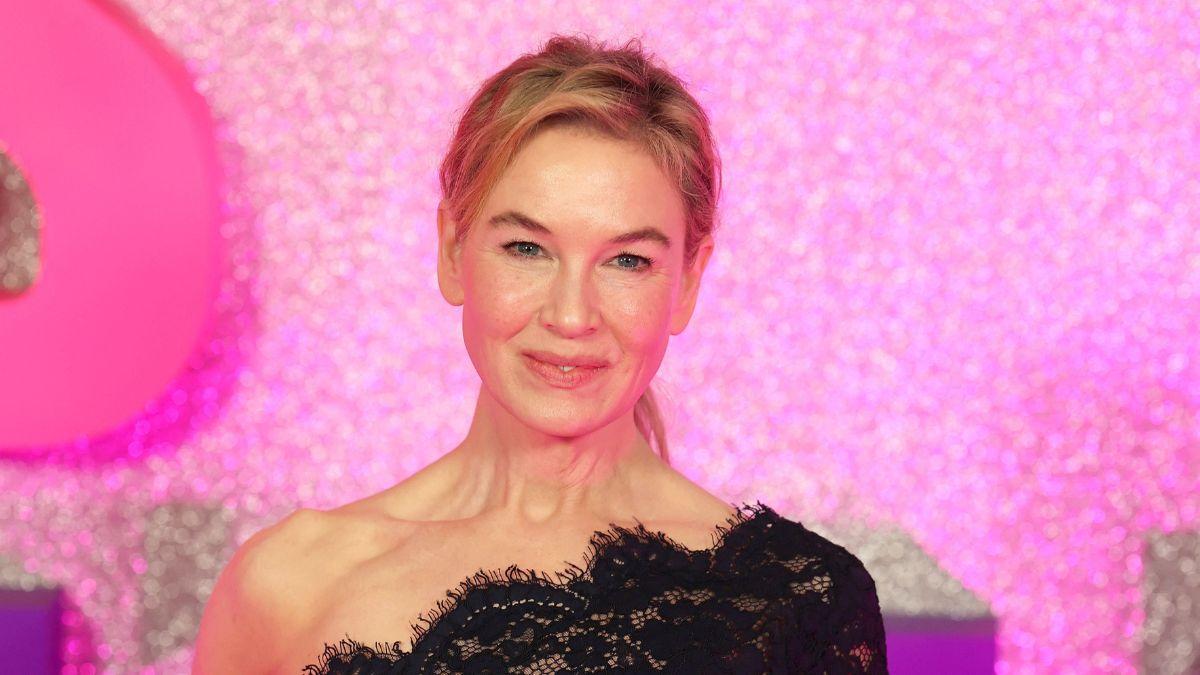
Director Sharon Maguire said she was convinced Zellweger had the vulnerability and humor needed to play Bridget in 'Bridget Jones's Diary.'
With her casting under intense scrutiny, Zellweger threw herself into preparation. Five years after her breakout in Jerry Maguire, she moved to London and worked for three months with a dialect coach to perfect Bridget's accent.
She stayed in character even when the cameras weren't rolling.
Costar Hugh Grant later joked that he didn't hear her natural Texas voice until the wrap party.
Zellweger went further still. Under the alias "Bridget Cavendish," she took an undercover internship at the London publishing house Picador.
Posing as a friend's sister seeking work experience, she answered phones, made copies, delivered mail and fetched coffee.
Zellweger Fooled Everyone During Undercover Stint
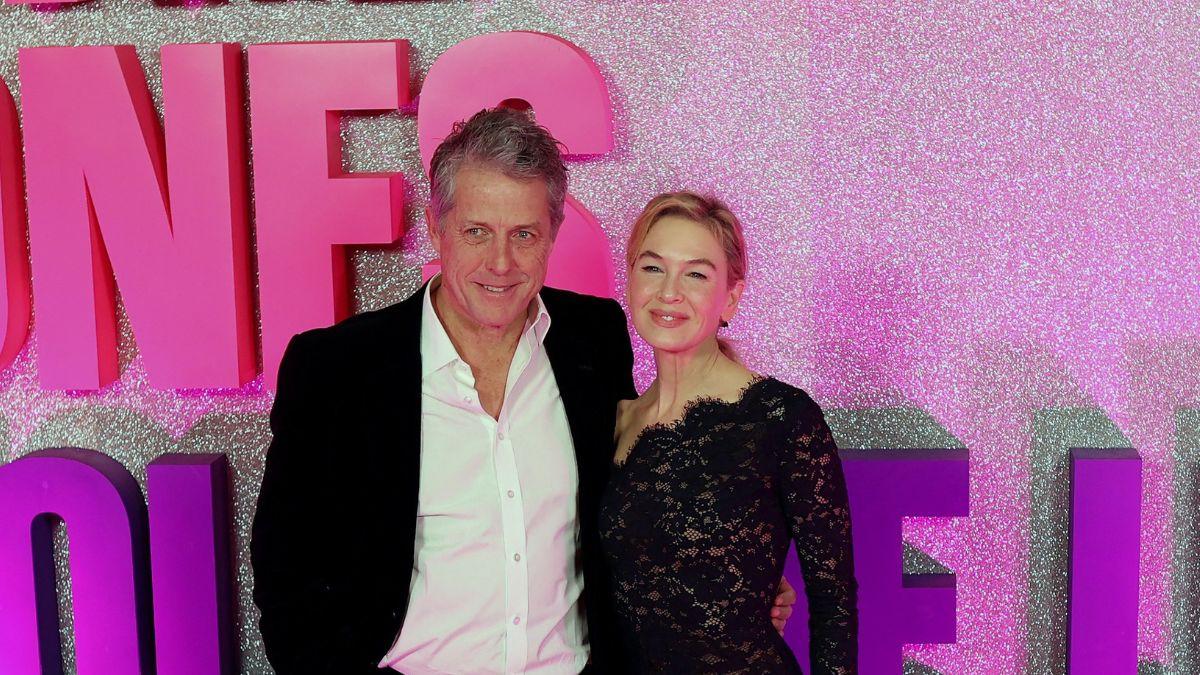
Hugh Grant joked he did not hear Zellweger's natural Texas voice until the wrap party while filming 'Bridget Jones's Diary.'
She blended in so convincingly that one executive reportedly suggested she be offered a permanent job.
The irony was delicious: During her stint, she came across a newspaper article criticizing the casting of an American as Bridget.
She scribbled "rubbish" in the margin and quietly filed it away.
Then there was the literal weight of the role. In the novel, Bridget obsessively tracks her pounds and calorie intake, weighing in at just over 130 pounds and determined to lose 20. To reflect that, the naturally slim Zellweger gained about 20 pounds.
Her regimen included three hearty meals a day, calorie-dense snacks and weight-gain shakes – and no exercise.
British Cast Brings Charm and Humor
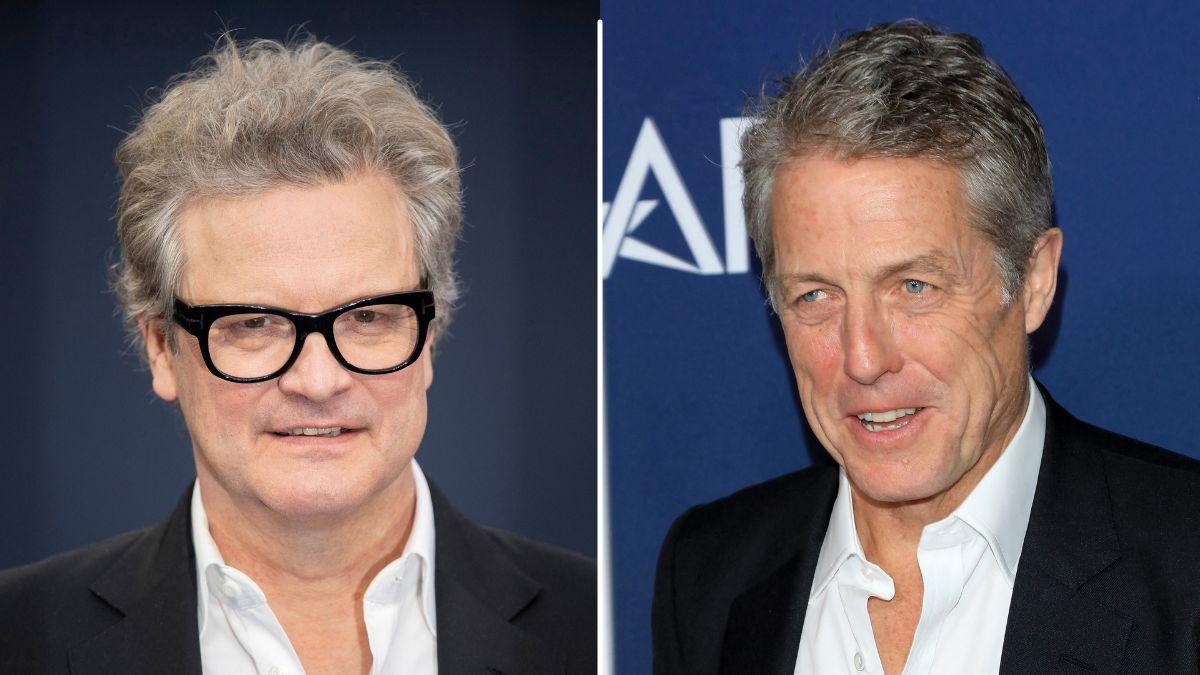
Colin Firth and Grant reportedly improvised the awkward fight scene between Mark Darcy and Daniel Cleaver in 'Bridget Jones's Diary.'
The rest of the cast remained thoroughly British. Colin Firth brought quiet charm to Mark Darcy, while Grant reveled in the roguish role of Daniel Cleaver. Jim Broadbent and Gemma Jones played Bridget's slightly embarrassing but loving parents.
One of the film's most memorable moments – the awkward, flailing "fight" between Darcy and Cleaver – was largely improvised.
Rejecting stunt doubles, Firth and Grant simply grappled as they imagined two polite, middle-class Englishmen actually would: with more squealing than skill.
When the film premiered, much of the early controversy faded. Zellweger earned an Academy Award nomination for Best Actress, though she lost to Halle Berry. Broadbent won an Oscar that year – albeit for a different film.
Never Miss an

Daily updates from the heart of Hollywood, right to your inbox
By entering your email and clicking Sign Up, you’re agreeing to let us send you customized marketing messages about us and our advertising partners. You are also agreeing to our Terms of Service and Privacy Policy.
Box Office Smash Spurs Hit Franchise
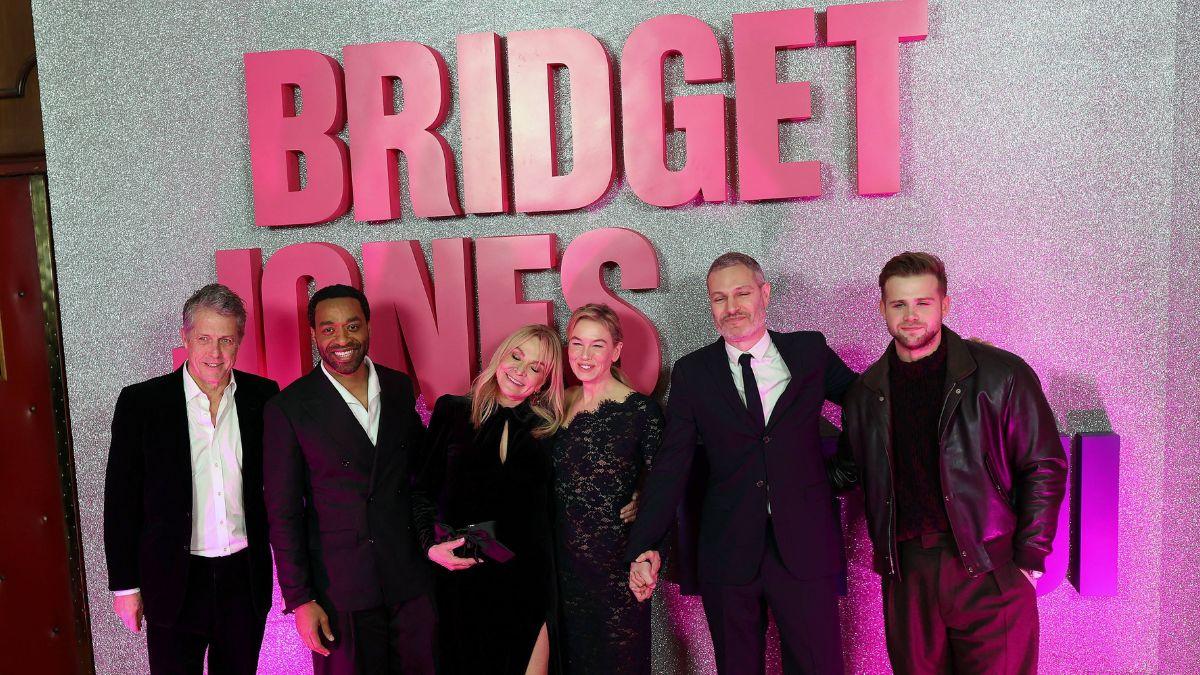
Based on Helen Fielding's novel, 'Bridget Jones's Diary' became a global hit that launched multiple sequels.
At the box office, however, Bridget Jones's Diary was a smash. Produced for about $25million, it grossed roughly $282million worldwide – nearly 11 times its budget.
The film's success led to three sequels – Bridget Jones: The Edge of Reason (2004), Bridget Jones's Baby (2016) and Bridget Jones: Mad About the Boy (2025) – cementing Bridget's place as one of romantic comedy's most enduring heroines.
What began as a "silly" column had become a global franchise – and a role that, against all odds, an American made her own.
