


EXCLUSIVE: How the Cast of '60s Classic 'Around the World in 80 Days' Really Did Circle the World During Making of Film — In Just 75 Days!

'Around the World in 80 Days' cast circled the globe in 75 days during the film's making.

May 9 2026, Published 9:30 a.m. ET


The cast and crew of the 1956 classic Around the World in 80 Days really did circle the globe while making the film – and RadarOnline.com can reveal that they did it in just 75 days.
At the time, the lavish adventure epic was the biggest movie undertaking Hollywood had ever seen. It also helped popularize something now common in movies: the celebrity cameo. Producers packed the film with more than 50 famous faces, including Ronald Colman, who even came out of retirement to appear.
Based on Jules Verne's novel Around the World in Eighty Days, the movie stars David Niven as Phileas Fogg, the Victorian Englishman who wagers he can travel around the world in 80 days – no small feat, even with the steamships and railways of the era.
Movie Was Massive Global Spectacle

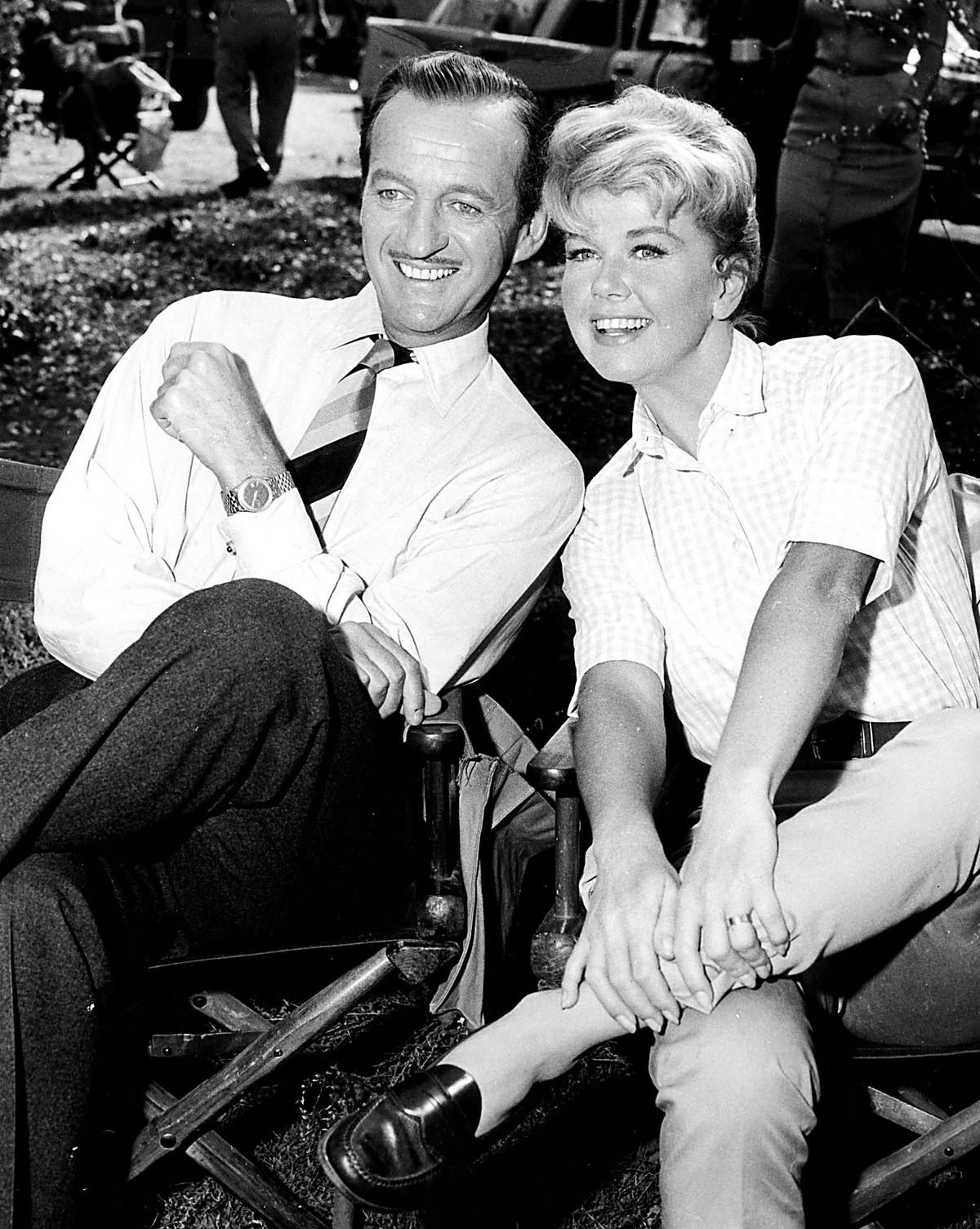
David Niven starred in 'Around the World in 80 Days' as Phileas Fogg in the Jules Verne adaptation.
But in many parts of the world, Niven wasn't the biggest star.
Honor belonged to Mexican comic legend Cantinflas, who played Fogg's clever valet Passepartout. At the time, Cantinflas was one of the richest and most popular actors on the planet and even received top billing in Latin countries. A former bullfighter, he insisted on doing his own bullfighting scenes, and his character's mustache was shaped like a bull's horns.
Production was massive. Filming began on 146 sets in Hollywood before moving to England, Hong Kong, Japan and beyond. In all, the movie shot in 13 countries. Cast and crew logged more than 4million air miles, created 74,685 costumes and used 68,894 extras.
They also wrangled 8,552 animals, including sheep, buffalo, donkeys, horses, monkeys, bulls, elephants, skunks and ostriches.
Todd Hustled Epic Movie Together
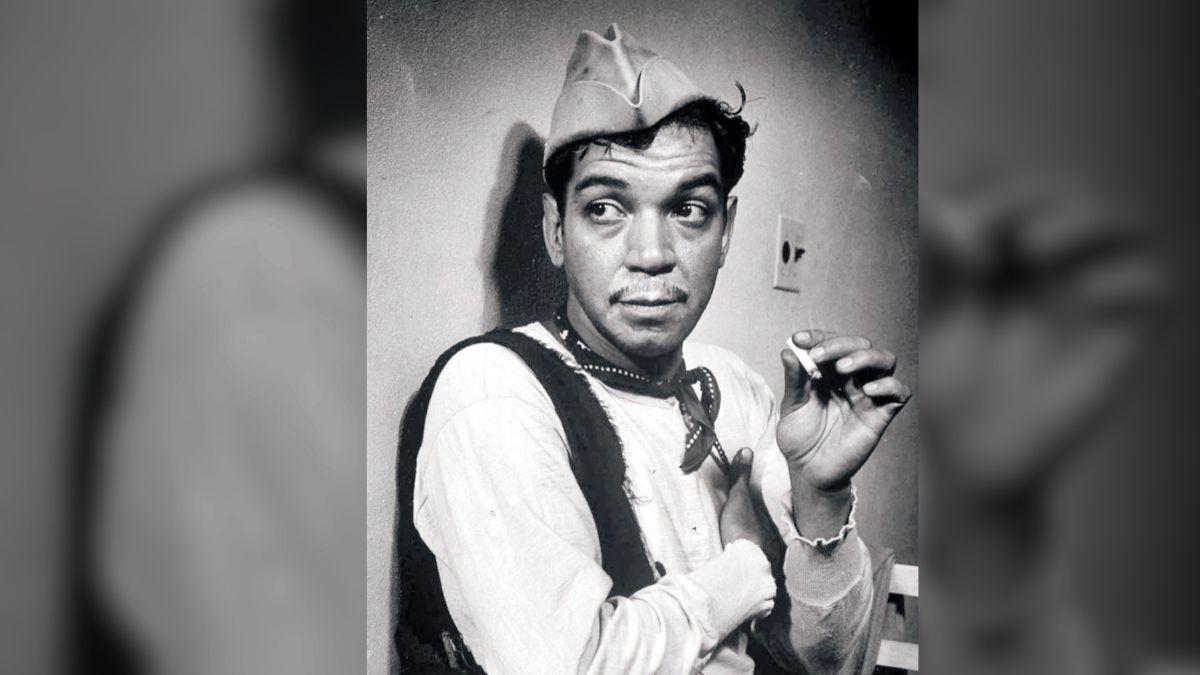
Mexican star Cantinflas received top billing in Latin markets for his role alongside Niven in 'Around the World in 80 Days.'
Ironically, although a hot-air balloon became one of the film's most famous images, no balloon appears in Verne's original novel.
Producer Mike Todd pulled off the mammoth production through sheer nerve and hustle. Considered a Hollywood outsider, he often scrambled to keep the picture afloat financially. At one point, the king of Thailand even lent Todd a barge for filming in Bangkok.
Still, Todd persuaded a staggering number of stars to make cameo appearances, including Frank Sinatra, Buster Keaton, Marlene Dietrich, Noel Coward, John Gielgud, Red Skelton and Peter Lorre. One Screen Actors Guild representative reportedly quipped, "Good heavens, Todd, you've made extras out of all the stars in Hollywood."
Not every cameo survived. Gregory Peck reportedly filmed a role as a U.S. cavalry officer, but Todd thought he wasn't taking it seriously enough and fired him. Col. Tim McCoy took over the part.
Hollywood Legends Passed on Classic
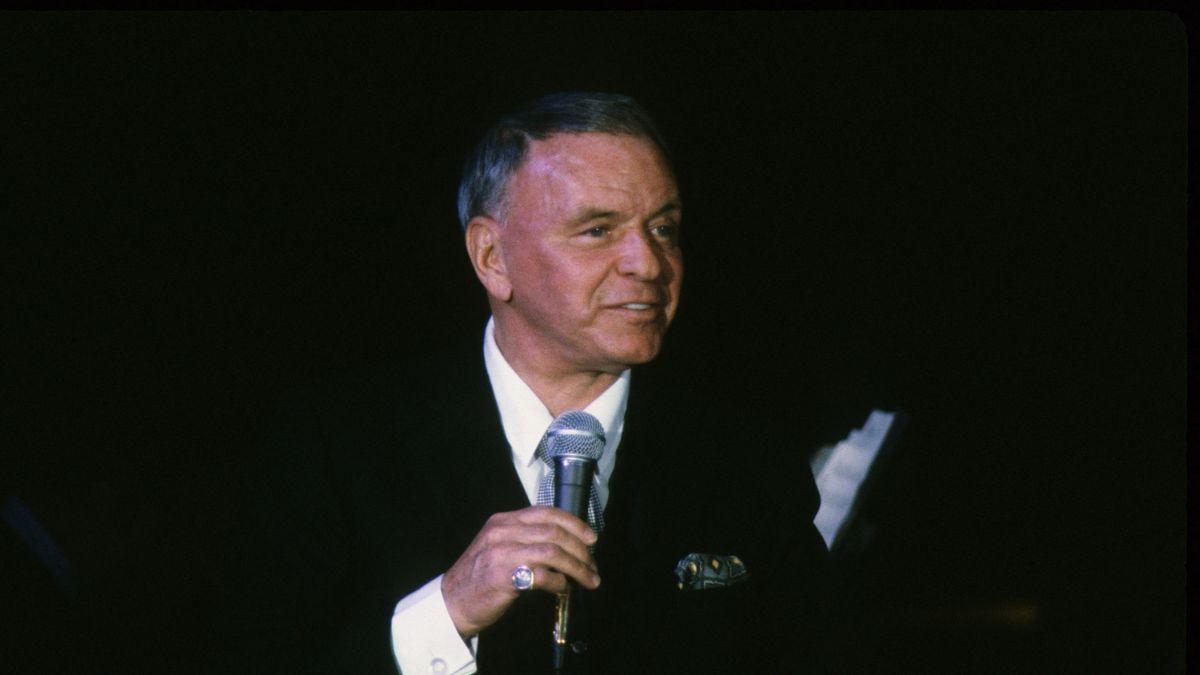
Producer Mike Todd recruited cameo appearances from celebrities, including Frank Sinatra, among others for 'Around the World in 80 Days.'
Other stars, including John Wayne, Laurence Olivier and Donna Reed, turned Todd down altogether. Cary Grant was Todd's dream choice for Fogg, but after six months of trying, he gave up.
Shirley MacLaine, who played Princess Aouda, was pregnant during filming and reportedly suffered morning sickness so severe that even the color green made her ill. Today, at 91, she is the last billed cast member still alive.
The movie also made history with its unusual credits. It was the first film to begin with no opening credits and then end with a record-breaking animated closing sequence lasting more than six minutes.
Tragedy Struck After Movie Triumph

Never Miss an

Daily updates from the heart of Hollywood, right to your inbox
By entering your email and clicking Sign Up, you’re agreeing to let us send you customized marketing messages about us and our advertising partners. You are also agreeing to our Terms of Service and Privacy Policy.
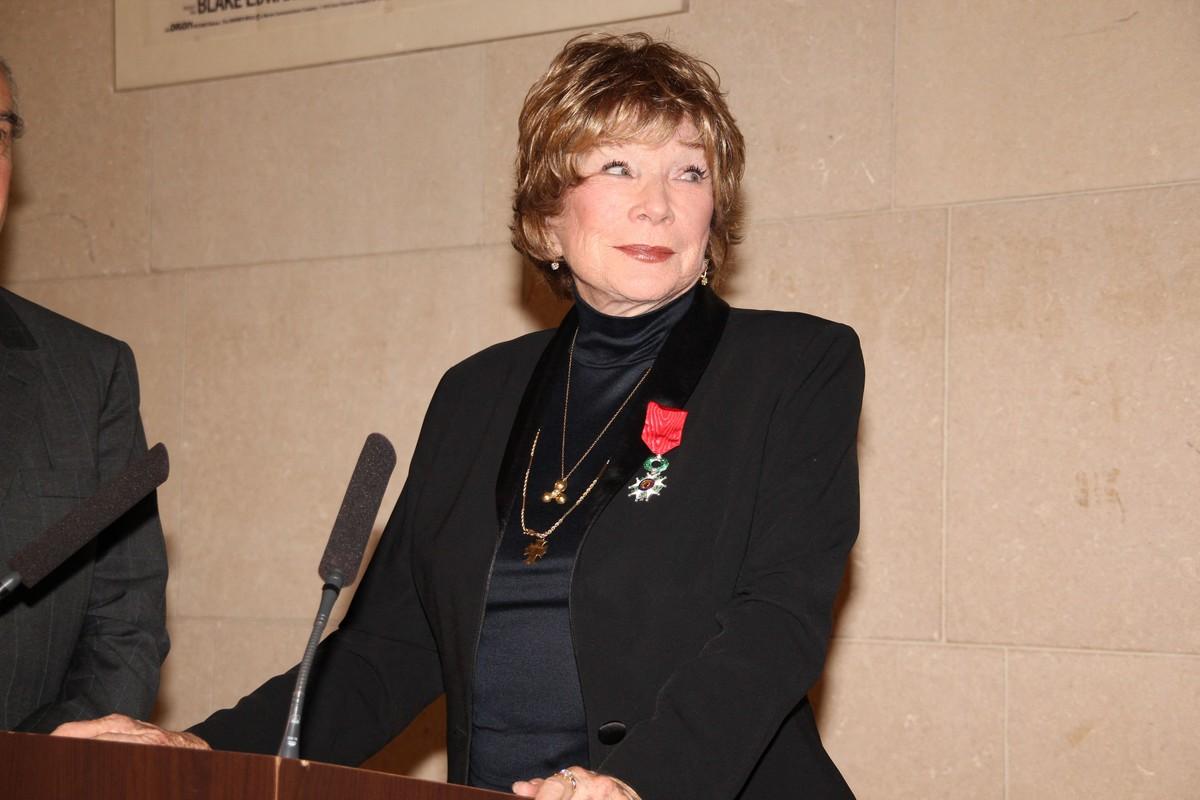
Shirley MacLaine filmed 'Around the World in 80 Days' while pregnant and suffering severe morning sickness.
Sadly, Todd was killed in a 1958 plane crash at age 48 while the movie was still in release. By then, Around the World in 80 Days had become a worldwide smash, grossing $42million against a $6million budget.
It also conquered the Oscars, winning five Academy Awards, including Best Picture. Seventy years later, this globe-trotting spectacle remains one of Hollywood's grandest adventures.
