


EXCLUSIVE: The Cary Grant You Never Knew — Screen Idol's Diaries Reveal His Inner Demons and How He Survived Them

Cary Grant's diaries have revealed his inner demons and how the screen idol survived his hidden struggles.

April 22 2026, Published 7:15 a.m. ET


For many years, Cary Grant suffered a recurring nightmare. "In the dream, I stand on the stage of a vast theater, facing a silent, waiting audience," he confessed. "I'm the star, and I'm surrounded by actors, each of whom knows exactly what to do and what to say. I can't remember my lines, and I'm ashamed."
RadarOnline.com can reveal that might sound like anybody's average anxiety dream, but it's shocking to hear it from Grant – the picture of confidence in so many classic films.
A Showtime documentary, Becoming Cary Grant, drew on the iconic actor's long-lost memoirs to paint a portrait of a man tortured by self-doubt for decades.
Cary Grant’s Troubled Childhood Revealed


Cary Grant revealed in 'Becoming Cary Grant' fame masked decades of self-doubt behind a carefully crafted persona.
"For many years, I have cautiously peered from behind the face of a man known as Cary Grant," he wrote. "The protection of that facade was both an advantage and a disadvantage. If I couldn't see out, how could anybody see in?"
The roots of Grant's insecurity ran deep into his childhood. Born Archibald Leach in Britain, he was raised by an alcoholic dad and a mentally ill mom whose depression worsened after she accidentally slammed Grant's older brother John's finger in a door and he died of gangrene.
When Cary was 11, his mom was committed to an insane asylum, but he believed she'd left him and died and didn't realize she was still alive until decades later.
During that time, "there was a void in my life, a sadness of spirit that affected everything I did," Cary wrote in a series of autobiographical articles published by Ladies' Home Journal in 1963. "I always felt my mother rejected me."
Cary Grant’s Fear Ruined Relationships
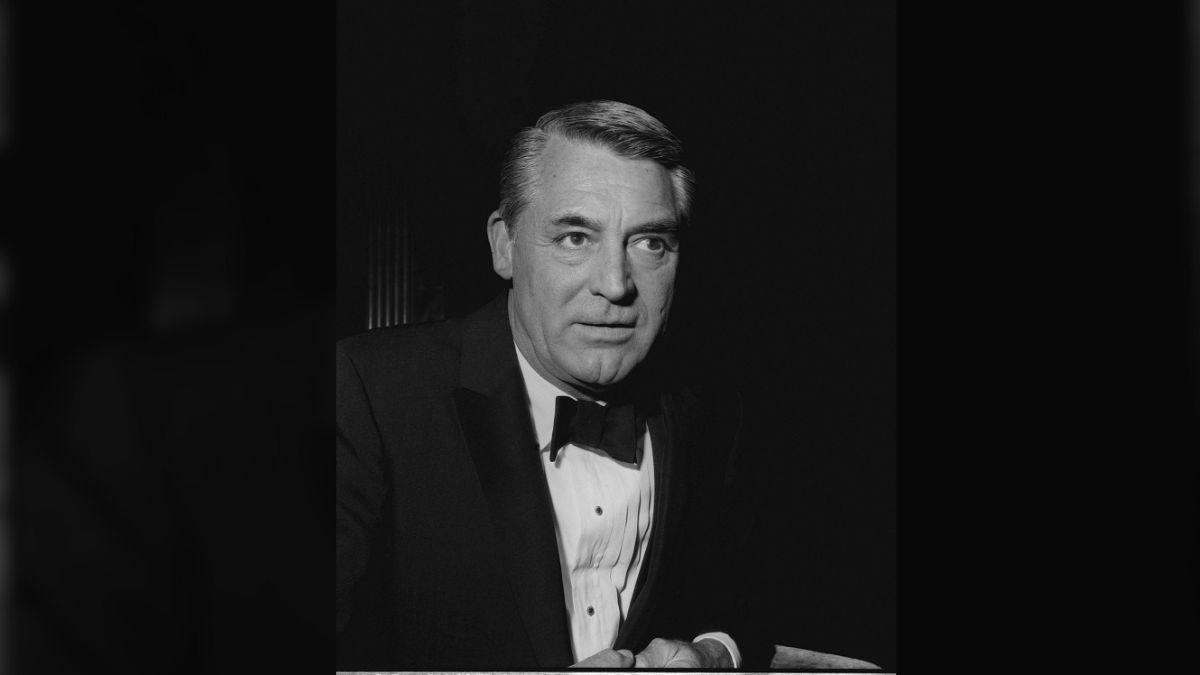
Grant said his mother's institutionalization left him believing she had died, shaping his lifelong insecurity.
Even after he moved to Hollywood and became a movie star, Grant couldn't overcome his fear that the women in his life would suddenly disappear. "Surrounded by all sorts of attractive girls, I was never able to fully communicate with them," he wrote.
Having been married and divorced three times by 1963, "I was making the mistake of thinking that each of my wives was my mother."
Only after intense therapy – and the controversial use of LSD – was Cary able to overcome the psychological scars of his past. "The first breakthrough came when I realized I was the one who was responsible for making the same mistakes and repeating the same patterns," he wrote.
"It was as if a light went off in my brain. I had to take command."
Cary Grant Found Peace in Retirement



Never Miss an

Daily updates from the heart of Hollywood, right to your inbox
By entering your email and clicking Sign Up, you’re agreeing to let us send you customized marketing messages about us and our advertising partners. You are also agreeing to our Terms of Service and Privacy Policy.

Dyan Cannon and Barbara Harris helped Grant find peace after therapy led him to confront patterns in his failed marriages.
That he did, retiring after the birth of his only child, Jennifer (with fourth wife Dyan Cannon), in 1966 and finding happiness with fifth wife Barbara Harris from 1981 until his 1986 death at age 82.
"Jennifer brought him great love, and our relationship brought him peace," Harris, 75, said. "Once he realized how much I loved him, I couldn't have wished for a more loving husband."
