


Zelensky Accuses Elon Musk of Not Acting Alone in Starlink Slowdown — and Fires Back at His Russia Remarks: 'These Are Not Jokes I Can Understand'

Starshield is SpaceX’s military-focused service, contracted by the U.S. government.
Nov. 5 2026, Updated 2:57 p.m. ET


Ukrainian President Volodymyr Zelensky questioned whether Elon Musk could have restricted Ukraine's military satellite communications without involvement from U.S. government officials, raising fresh questions about the relationship between SpaceX and the Trump administration.
During a November 2 interview with PBS NewsHour, Zelensky said he was unsure whether Musk could have independently restricted Starshield, SpaceX's military-focused satellite communications service, which operates under a U.S. government contract.
"I'm not sure that he could do it personally alone, without any representatives from American government," Zelensky said.
The Ukrainian leader added that he did not know which American officials might have been involved but suspected the decision followed discussions between several people.
He also questioned Musk's attitude toward Ukraine's fight against Russia, saying he had hoped to speak with the billionaire after the incident.
Restrictions Affected Fast-Moving Ukrainian Military Drones

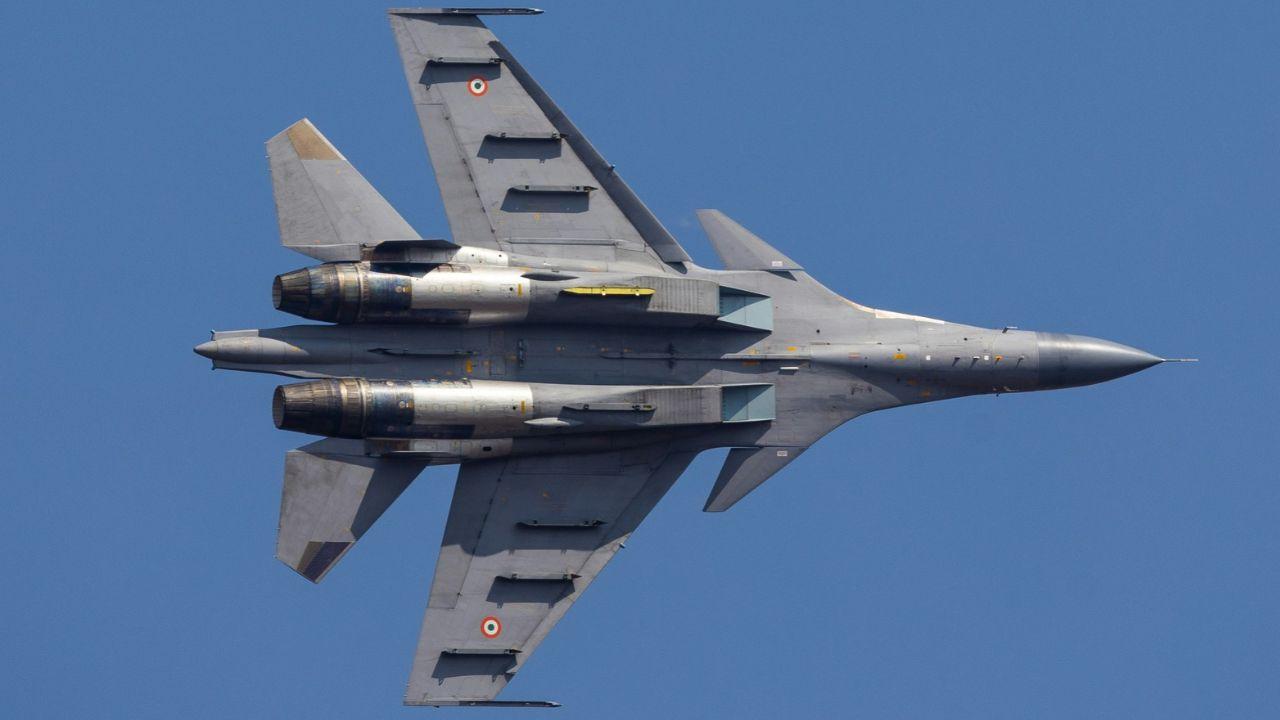
The October slowdown affected Starlink-supported Ukrainian aircraft traveling faster than 100 mph.
The dispute began in October 2026, when Ukrainian forces experienced satellite connectivity restrictions affecting military operations.
The limitations reportedly prevented terminals traveling faster than approximately 100 mph from maintaining connections, creating problems for Ukrainian drones, particularly those used to intercept Russian attacks.
The restrictions were especially concerning because Russia has increasingly used faster, jet-powered Shahed drones, making speed an important factor in Ukraine's ability to defend itself.
The situation also highlighted the distinction between SpaceX's two satellite services. Starlink is a commercial communications network, while Starshield is designed for military and government use.
Musk addressed the distinction in an October 14 social media post, saying Starshield was controlled by the U.S. government and that restrictions on its speed or usage were ultimately determined by the U.S. military and president.
He separately maintained that commercial Starlink was intended for civilian and defensive purposes, not offensive military operations.
Musk later said Ukraine had exploited a loophole by using Starlink for offensive drone strikes and that the loophole had been closed.
U.S. Officials Deny White House Ordered the Restrictions

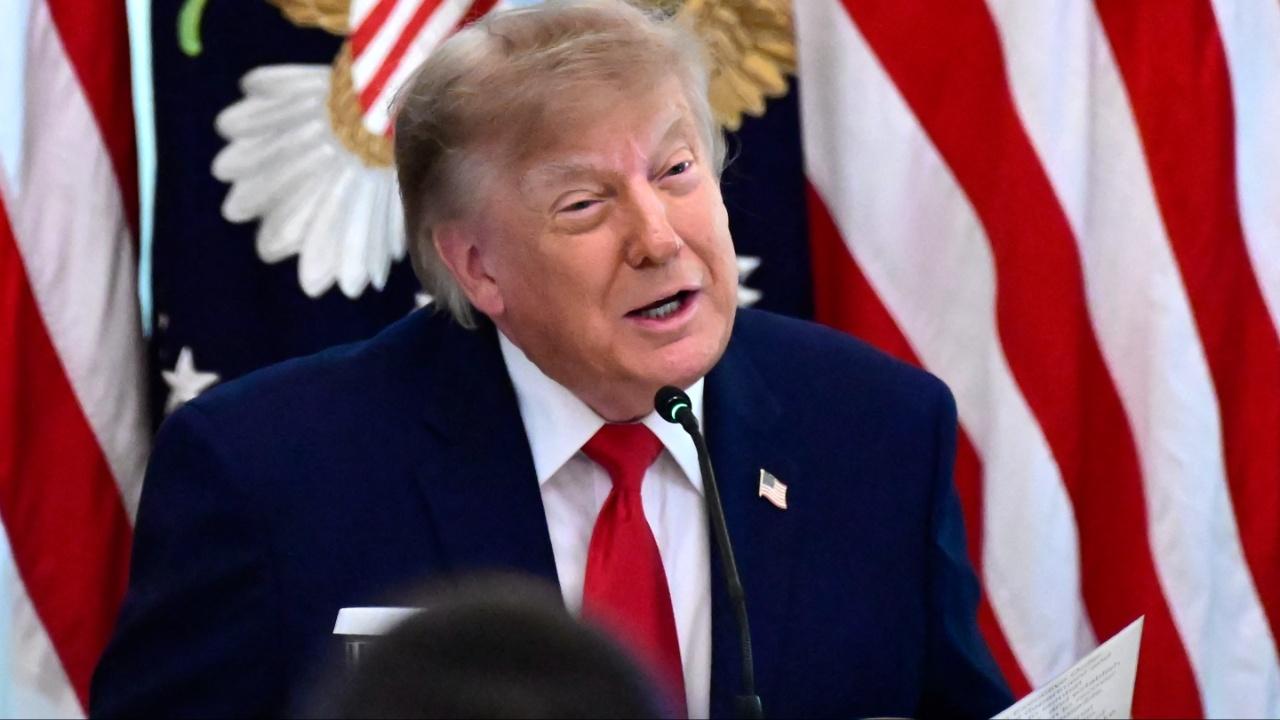
Rubio and Hegseth denied that the White House ordered the restrictions.
The Trump administration offered a different explanation for the satellite restrictions, disputing suggestions that the White House had directed the move.
Secretary of State Marco Rubio told reporters that Starlink's operating conditions were governed by a private commercial agreement. Defense Secretary Pete Hegseth also pointed to the company's terms of service when discussing its ability to restrict access.
President Donald Trump separately denied ordering the slowdown.
However, reporting by Reuters cited U.S. and Western officials who said the decision ultimately came from the White House, leaving conflicting accounts of who was responsible.
Zelensky said he wanted to speak directly with Musk following the incident but had not managed to establish contact.
Ukraine announced on October 24 that Starlink and Starshield had returned to their previous operating speeds.
Zelensky thanked American officials and other partners who helped restore the services, emphasizing their importance to frontline logistics and air defense.
Zelensky Criticizes Musk's Comments on Russian Losses
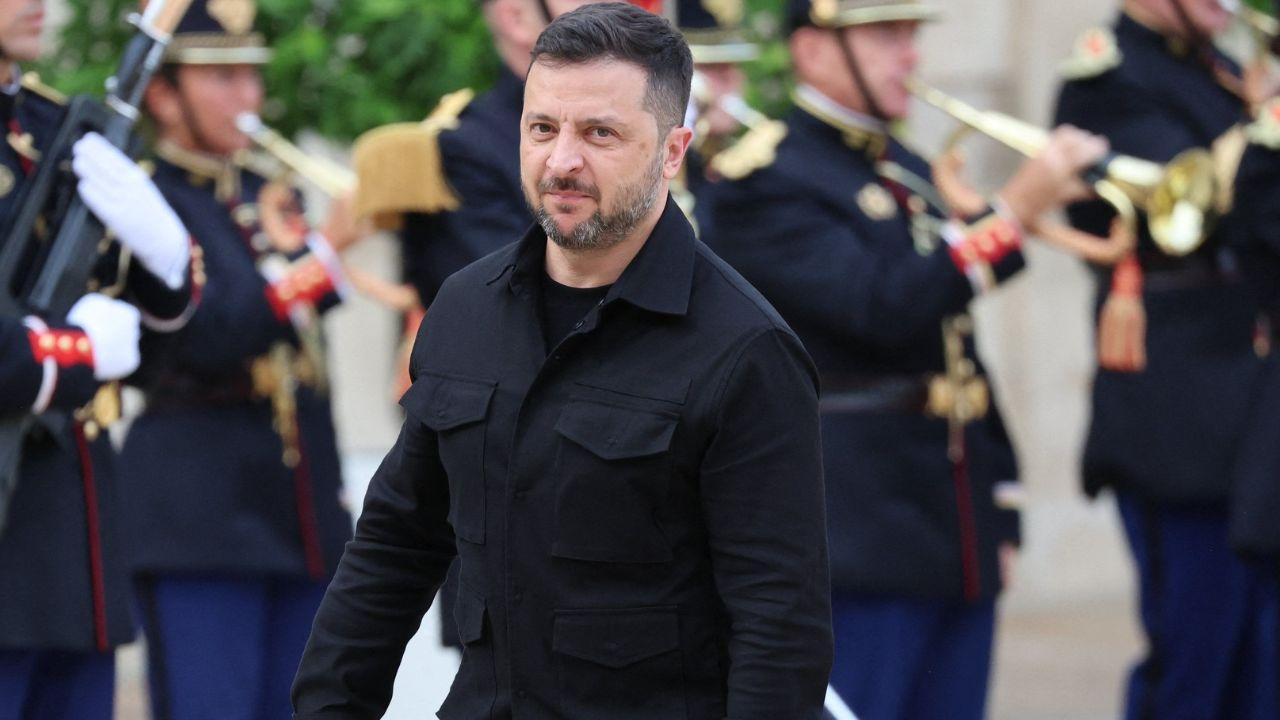
Zelensky said he did not know which U.S. officials were involved in the decision.
In a separate interview with German broadcaster ZDF, Zelensky also addressed Musk's comments about Russian military casualties, making clear that he disagreed with the billionaire's approach to discussing the war.
The Ukrainian president criticized Musk's apparent sympathy toward Russian conscripts and his remarks about soldiers dying during the conflict.
"We don't like his attitude toward this war, when he reflects on how Russia is losing soldiers," Zelensky said.
He also questioned whether Musk was being serious when making jokes about Russian casualties.
"I don't know whether he is serious when he jokes. These are not jokes I can understand, although I understand jokes very well," the president added.
Zelensky argued that Russia's military losses must be viewed in the context of its invasion of Ukraine, rather than treated as an occasion for sympathy toward the invading forces.
The comments appeared in a ZDF interview with journalist Jan Böhmermann, released online on November 4. The full conversation is scheduled to air on "ZDF Magazin Royale" on November 6.
Dispute Adds Strain to Musk-Zelensky Relationship

Never Miss an

Daily updates from the heart of Hollywood, right to your inbox
By entering your email and clicking Sign Up, you’re agreeing to let us send you customized marketing messages about us and our advertising partners. You are also agreeing to our Terms of Service and Privacy Policy.
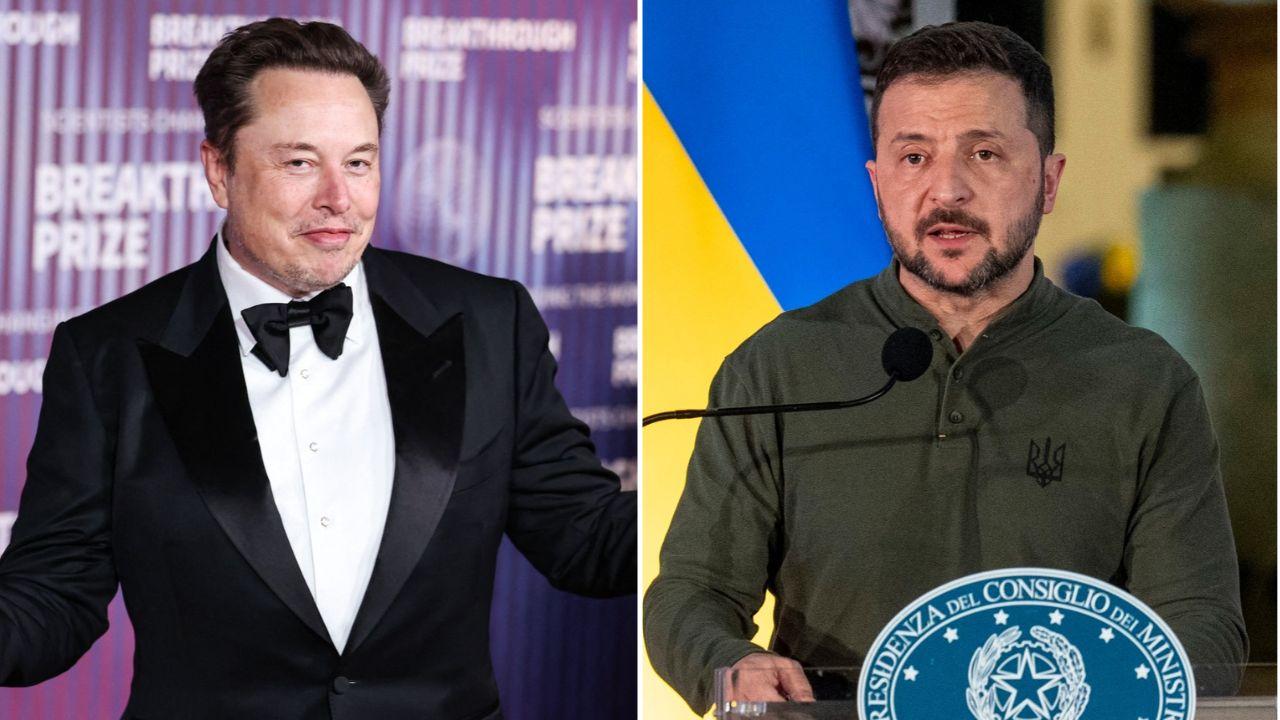
Musk said Ukraine violated Starlink’s terms by using it for offensive drone strikes.
Musk's satellite network has played an important role in Ukraine's communications since Russia launched its full-scale invasion in February 2022.
Starlink connectivity has supported military communications and drone operations, making SpaceX an influential private-sector partner in the country's defense.
However, the October restrictions exposed the difficulties of relying on a privately operated technology network for critical military operations.
The dispute also raises longer-term questions about Ukraine's access to the technology. According to Reuters, Ukraine's contract with the U.S. government for Starshield access is due to expire around mid-2027, meaning Kyiv will need to negotiate an extension.
Despite his criticism of Musk's position on the war, Zelensky has continued to express gratitude for the communications services provided by SpaceX.
