


White House Crisis Forces JD Vance to Scrap New York Times Summit Appearance With Just Minutes to Spare

JD Vance canceled his DealBook Summit appearance on Wednesday, Nov. 18.
Nov. 18 2026, Published 1:59 p.m. ET


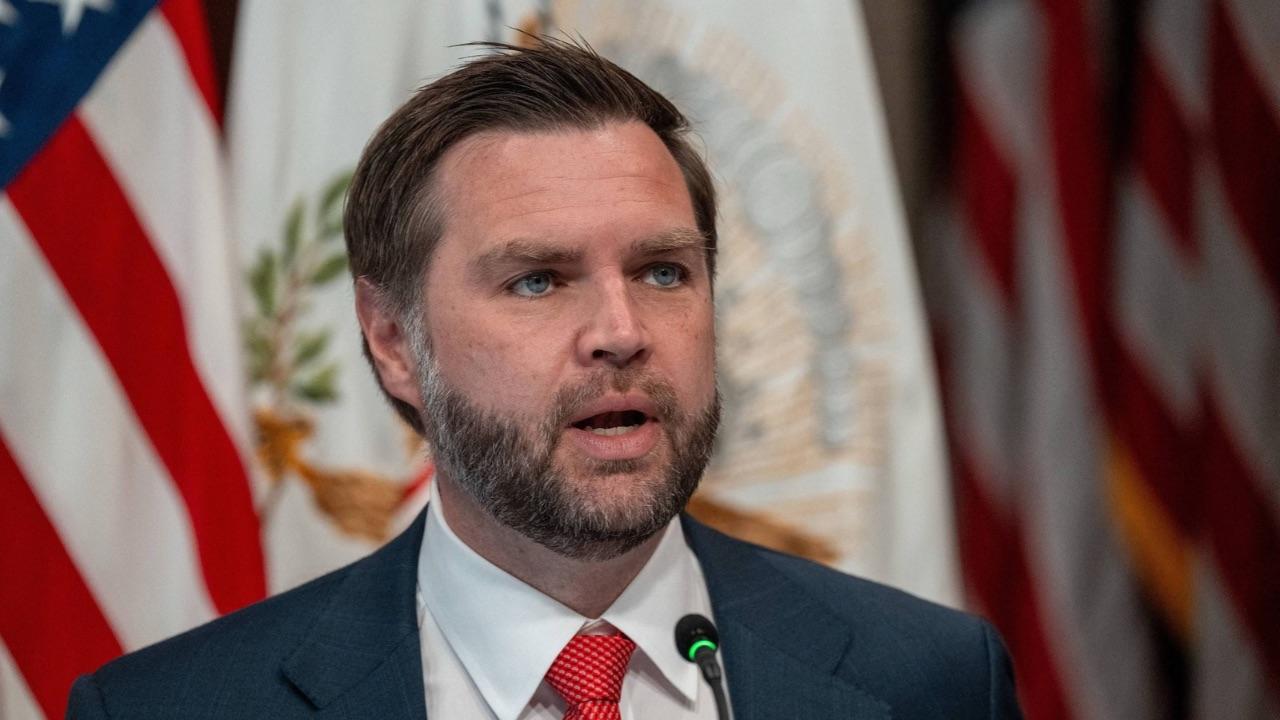
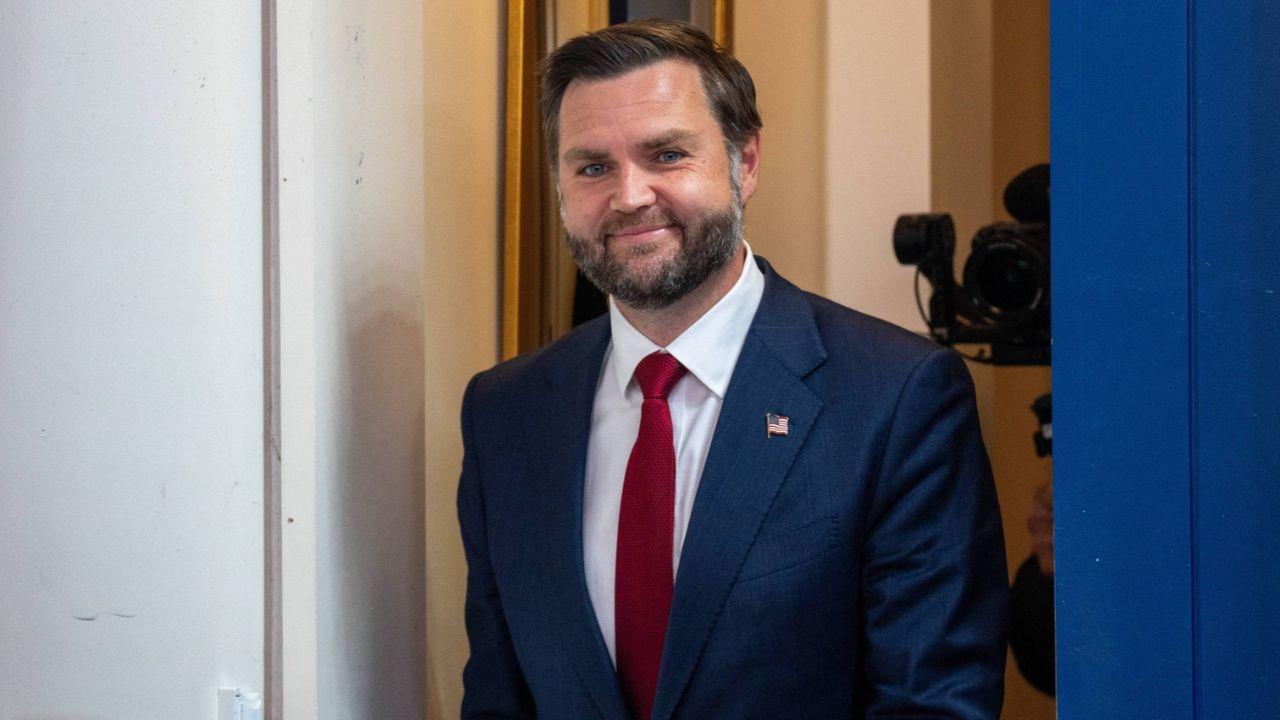
Vice President JD Vance abruptly canceled his scheduled appearance at The New York Times' DealBook Summit in Manhattan on Wednesday, November 18, after being asked to remain in Washington for meetings about a series of technology disruptions affecting U.S. systems.
Summit founder Andrew Ross Sorkin told attendees the summit was canceled, saying organizers received notice just 20 to 30 minutes before the event began. He added that Secret Service personnel had already spent the night preparing for Vance's arrival.
Vance's last-minute withdrawal came amid a growing number of disruptions involving government networks, airlines, financial institutions and major technology companies.
However, the Trump administration has maintained that there is no evidence the incidents are connected or part of a coordinated cyberattack.

Technology Outages Affect Government and Private Systems

Secret Service personnel had prepared the Manhattan venue overnight.
The recent disruptions have affected Microsoft services, JPMorgan Chase, Zelle, and the National Security Agency's classified communications network.
The most significant transportation incident occurred November 13, when a technical failure prompted the Federal Aviation Administration to issue a nationwide ground stop lasting approximately four and a half hours.
According to the FAA, instability in its telecommunications network affected communications and radar feeds at multiple air traffic control facilities.
The agency's preliminary investigation pointed to excessive data traffic involving equipment at two locations, including a site where a contractor had been performing maintenance.
The FAA has continued investigating the underlying cause and taken precautionary measures involving the affected network equipment.
Financial disruptions also raised concerns after JPMorgan Chase experienced a software-related problem that delayed transactions and affected access to some online services.
The bank said the incident was not a cyberattack. Problems involving Chase transactions also caused ripple effects for some Zelle users.
Administration Rejects Claims of Coordinated Attack
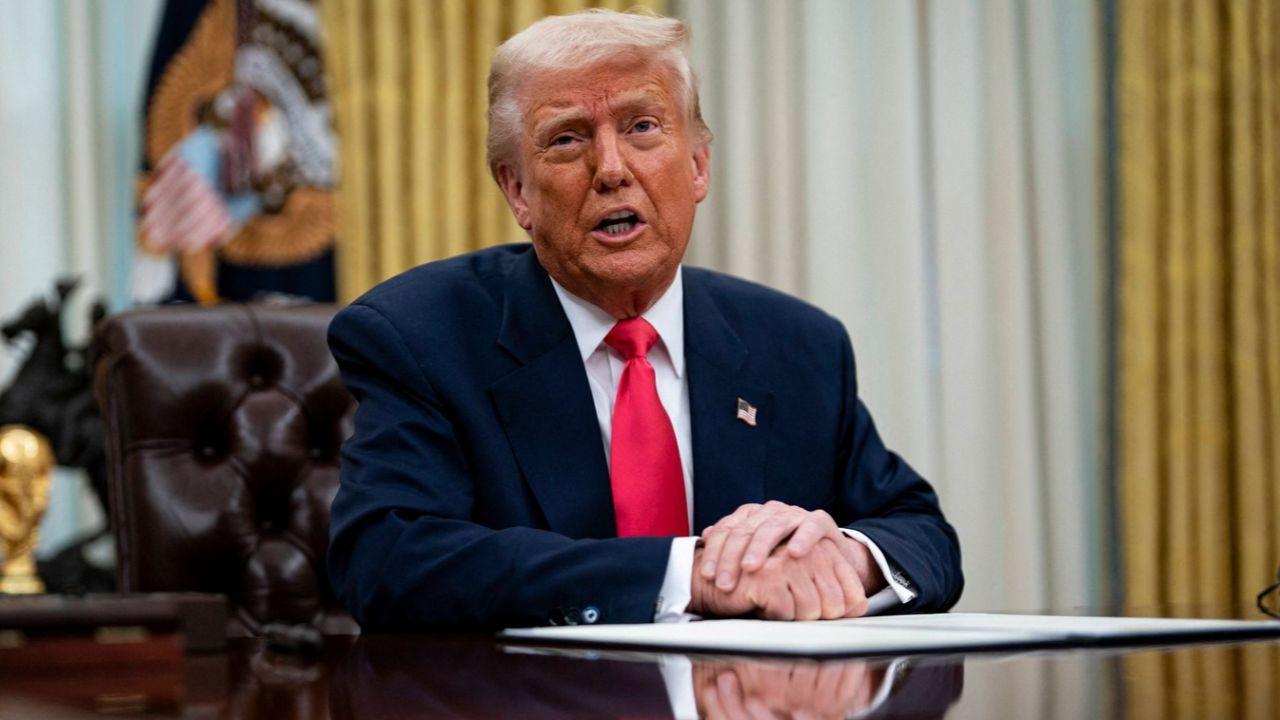
The Trump administration said there was no evidence of a coordinated cyberattack.
Despite the number of incidents, federal officials have rejected suggestions that the disruptions point to a single coordinated attack.
On Wednesday, the White House said Director of National Intelligence Jay Clayton and Secretary of State Marco Rubio had found no evidence of a coordinated cyberattack or state-sponsored activity.
Clayton attributed the problems to separate technical incidents involving organizations upgrading vulnerable systems and encountering unexpected complications.
Former White House press secretary Karoline Leavitt, however, has urged the administration to communicate more openly with Americans about the disruptions.
During an appearance on Fox & Friends, she emphasized the importance of transparency, saying the White House needed to explain what officials knew about the situation.
Vance Sought to Reassure Americans

Never Miss an

Daily updates from the heart of Hollywood, right to your inbox
By entering your email and clicking Sign Up, you’re agreeing to let us send you customized marketing messages about us and our advertising partners. You are also agreeing to our Terms of Service and Privacy Policy.
A nationwide FAA ground stop last week lasted more than four hours and disrupted flights.
Vance's decision to remain in Washington followed a Fox News interview with Laura Ingraham on Monday, November 16, during which he addressed growing concerns about the outages.
The vice president said friends had contacted him about whether they should prepare for a potential emergency by building bunkers or stocking up on essential supplies.
"A lot of my friends have reached out asking if they should prepare to build a bunker or stock up on food and water," Vance said. "My answer to that is no. We do not see a crisis coming down."
He added that the government still needed to "be prepared for everything," explaining that emergency planning did not necessarily mean a crisis was imminent.
Vance's cancellation drew additional attention to the administration's response as investigations into several disruptions continued.
Although officials have stressed that the incidents appear unrelated, the problems have raised questions about the reliability of the technology supporting essential government, financial, and transportation services.
