


US Army Practices Digging Mass Graves for Fallen Troops for First Time in Decades — as Fears of Looming War With Iran Grow

The US Army has practiced digging mass graves as the war in Iran intensifies.

Oct. 30 2026, Published 12:35 p.m. ET


The US Army has started practicing digging mass graves to bury fallen troops as the war in Iran threatens to grow larger and more deadly, RadarOnline.com has learned.
It's the first time the Army has conducted such a training exercise in decades, as Donald Trump considers ratcheting up his attacks on the foreign nation after the midterm elections.
The Army Prepares for the Worst

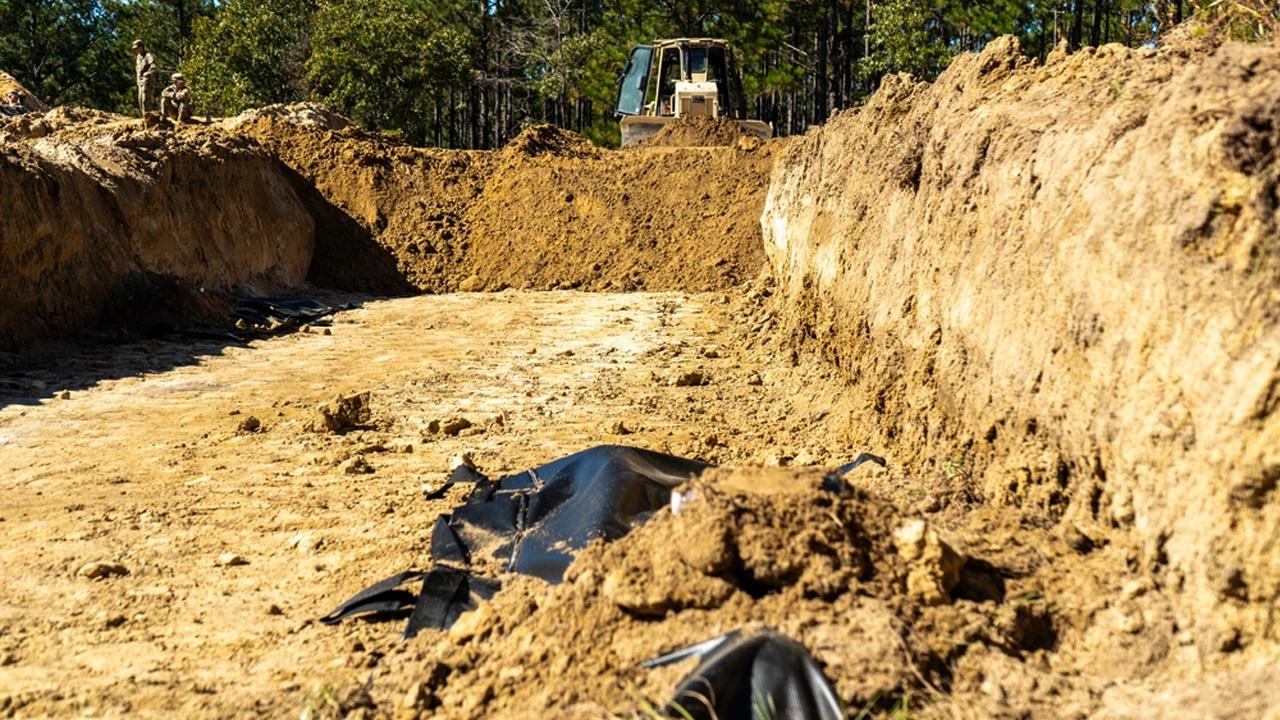
Army officials have not had to use such techniques since the Korean War.
While in past conflicts, U.S. air support has been able to quickly evacuate fallen soldiers for transfer back home, Army officials warn future conflicts, especially those with large-scale combat operations, may not have the same capabilities.
During the recent training exercise in North Carolina, engineers, preventative medicine teams, chaplains, and fatality management specialists prepared for mass temporary graves, using bulldozers to quickly dig what would become mass graves.
The U.S. Army hasn't needed to do this on a large scale since the Korean War, but in a statement, officials said new war tactics have forced them to prepare for the worst.
"This exercise allowed us to take a critical look at how we respect, honor, and systematically manage our fallen in a high-intensity conflict," said Sgt. 1st Class Delbert Ruede. "If we went to war tomorrow, we would be making this up as we went along. What we are doing here is taking a scientific, field-tested approach so that we can maintain positive control and respectfully care for our fallen."
New War Weapons Could Lead to Catastrophic Deaths
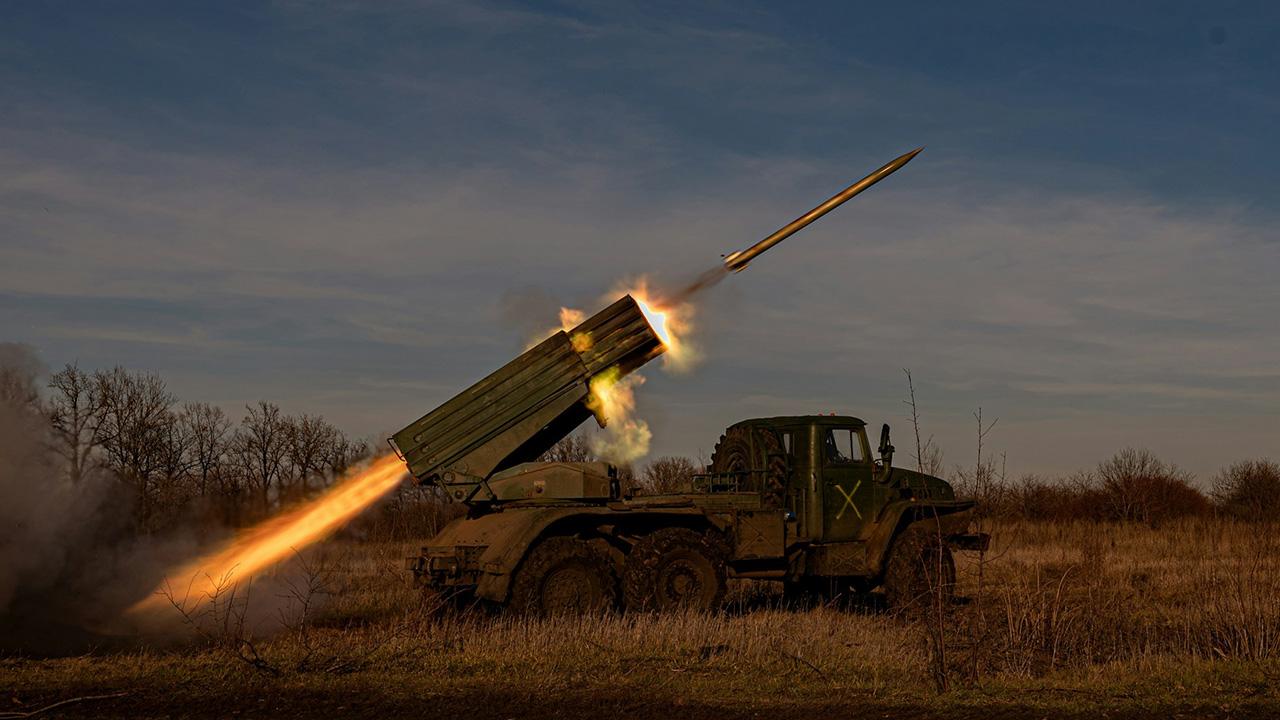
New war technologies and tactics have made preparation for the worst necessary.
According to Army procedures, commanders are responsible for caring for the remains of deceased soldiers and military personnel and making sure they can be identified further down the line.
However, officials admit that when lots of casualties are being sustained in a conflict, military teams specializing in looking after soldiers' remains cannot individually bury or observe specific religious rituals for each person.
On top of this, operations to attack or defend against an enemy force will likely still be continuing.
Army Chaplains Practice Honoring the Fallen
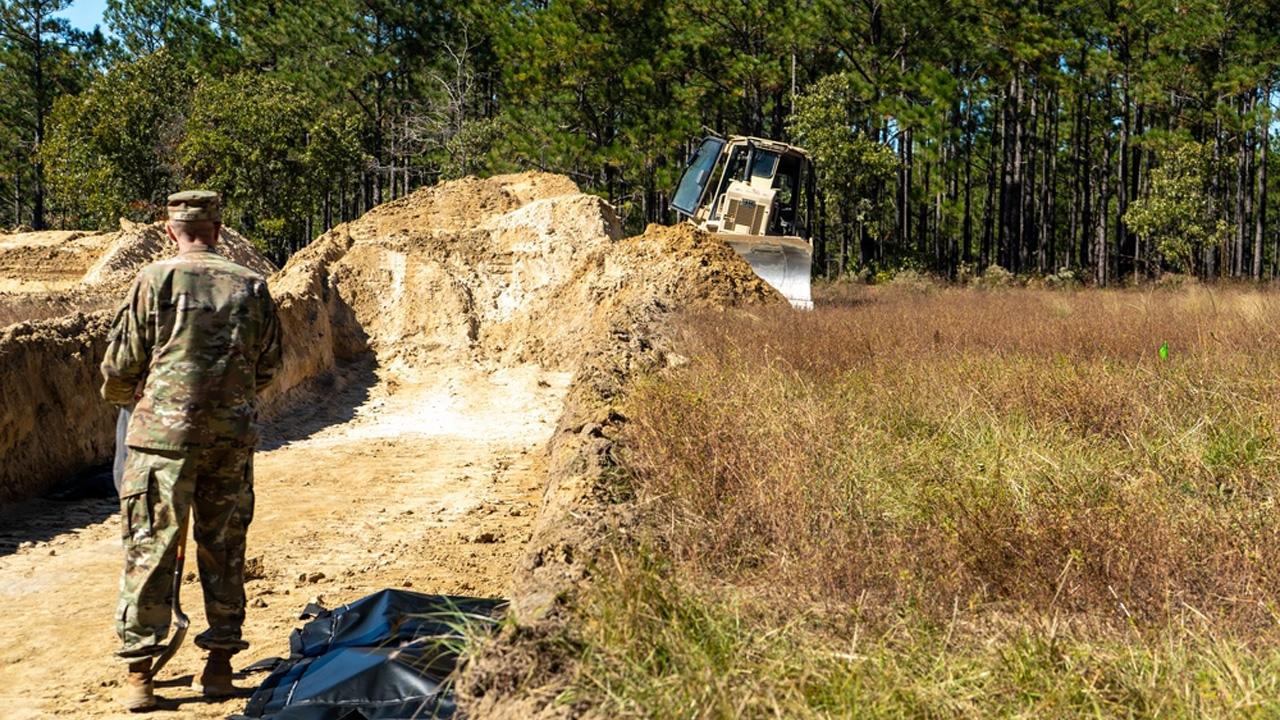
The temporary plots are designed to house fallen soldiers until they can be transported home.
A typical temporary internment plot has five trenches, able to hold 100 casualties in total. During the North Carolina drills, U.S. Army soldiers used bulldozers and other vehicles to fill the space of each plot in an average of one hour and 15 minutes, the military said.
That included time devoted to allow Army chaplains to conduct brief last rites.
"Dragon Covenant was an opportunity to exercise religious support for fatality management operations from initial remains recovery to temporary interment," said Lt. Col. Hans Ruska, chaplain for the 3rd Corps Sustainment Command.
"In a high-intensity, contested combat environment, fatality management teams cannot stop a 24-hour interment operation for individualized religious gravesite services. UMTs [Unit Ministry Teams] must advise commands on the most effective practice to integrate religious support for fatality management seamlessly without interrupting the flow of operations while honoring the fallen."


Donald Trump Teases More Attacks After the Election

Never Miss an

Daily updates from the heart of Hollywood, right to your inbox
By entering your email and clicking Sign Up, you’re agreeing to let us send you customized marketing messages about us and our advertising partners. You are also agreeing to our Terms of Service and Privacy Policy.

Donald Trump has hinted the war in Iran could soon escalate.
Last week, President Trump told reporters that the United States is not negotiating with Iran and that "something one way or another will happen, fairly soon."
Trump made the comments as reports emerged that the U.S. and Israel have developed plans for renewed strikes against Iran after the midterm elections.
According to The New York Times, the two militaries have increased exercises ahead of a possible "short but intensive" operation. Reported potential targets include Iranian energy infrastructure, nuclear facilities, and missile and drone stockpiles.
The exercises have included flights over Iraq to rehearse strike maneuvers.
