


EXCLUSIVE: Trump Under Fire as 12 Senators Demand He Stop Giving Putin a Financial Lifeline Amid Bloody Ukraine War

Donald Trump faces bipartisan pressure from 12 senators over a Russian fuel deal they warn could help finance Vladimir Putin's war in Ukraine.
Oct. 14 2026, Published 3:30 p.m. ET


President Trump is facing mounting pressure from a group of 12 U.S. senators demanding his administration stop allowing American financial dealings that they fear could help bankroll Russian President Vladimir Putin's war against Ukraine, RadarOnline.com can reveal.
The lawmakers are raising concerns about whether U.S. policy is providing Moscow with opportunities to generate revenue while Russian forces continue their deadly assault on Ukraine. The dispute puts renewed scrutiny on Trump's approach to Russia, particularly as Washington faces questions about how aggressively it should use economic sanctions to pressure Putin into ending the conflict.
Senators Turn Up the Heat

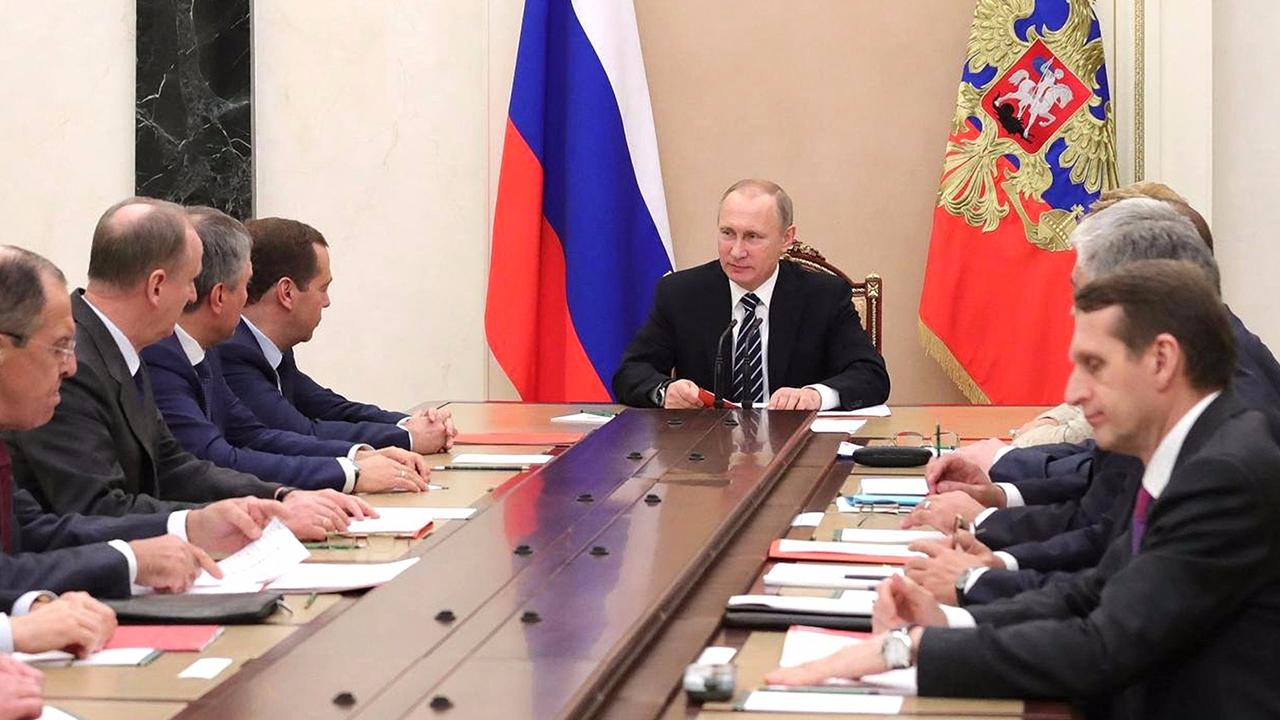
Putin faces renewed scrutiny over Russia's ability to fund its military operations.
At the center of the controversy is a demand for tougher financial restrictions designed to prevent Russia from benefiting from transactions connected to the United States.
The senators argue that economic pressure remains one of Washington's most powerful tools for weakening Moscow's ability to sustain its military operations.
Their concerns highlight a broader fear among critics of the administration: that allowing certain financial transactions to continue could undermine the effectiveness of sanctions already imposed on Russia. The lawmakers want the White House to demonstrate that its economic policies are not inadvertently helping Putin maintain the resources needed to continue the war.
Russian Fuel Deal Sparks Outrage
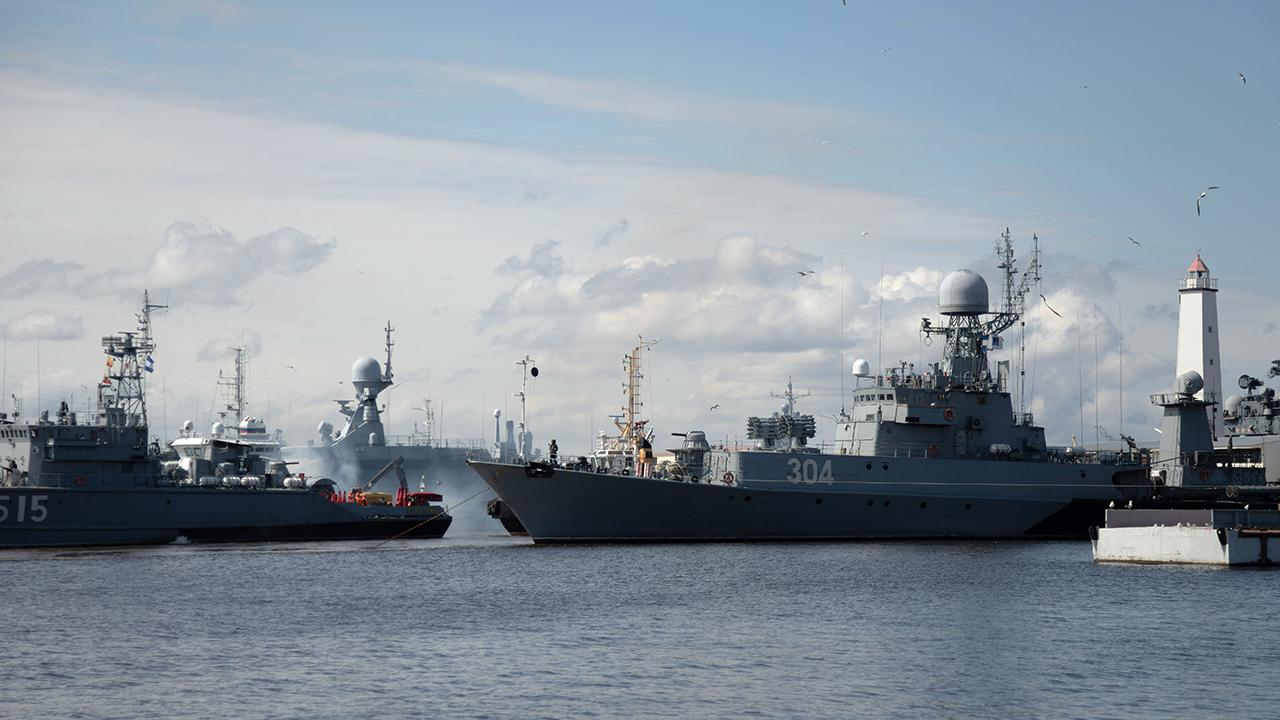
Lawmakers warn that Russian energy revenue could help sustain Moscow's war effort.
The latest confrontation follows Trump's October 9 agreement with Putin to permit Russian-origin diesel fuel onto global markets.
According to a letter released by the Senate Foreign Relations Committee on October 13 and reviewed by Radar, the bipartisan group accused Trump of undermining American security interests by easing restrictions on Russian energy exports.
The lawmakers called the agreement a "gift to our adversary" and demanded that Trump reverse course.
The controversial arrangement involves an initial release of approximately 300,000 metric tons of Russian diesel, with additional supplies expected in the coming months.
Bipartisan Backlash Hits Trump
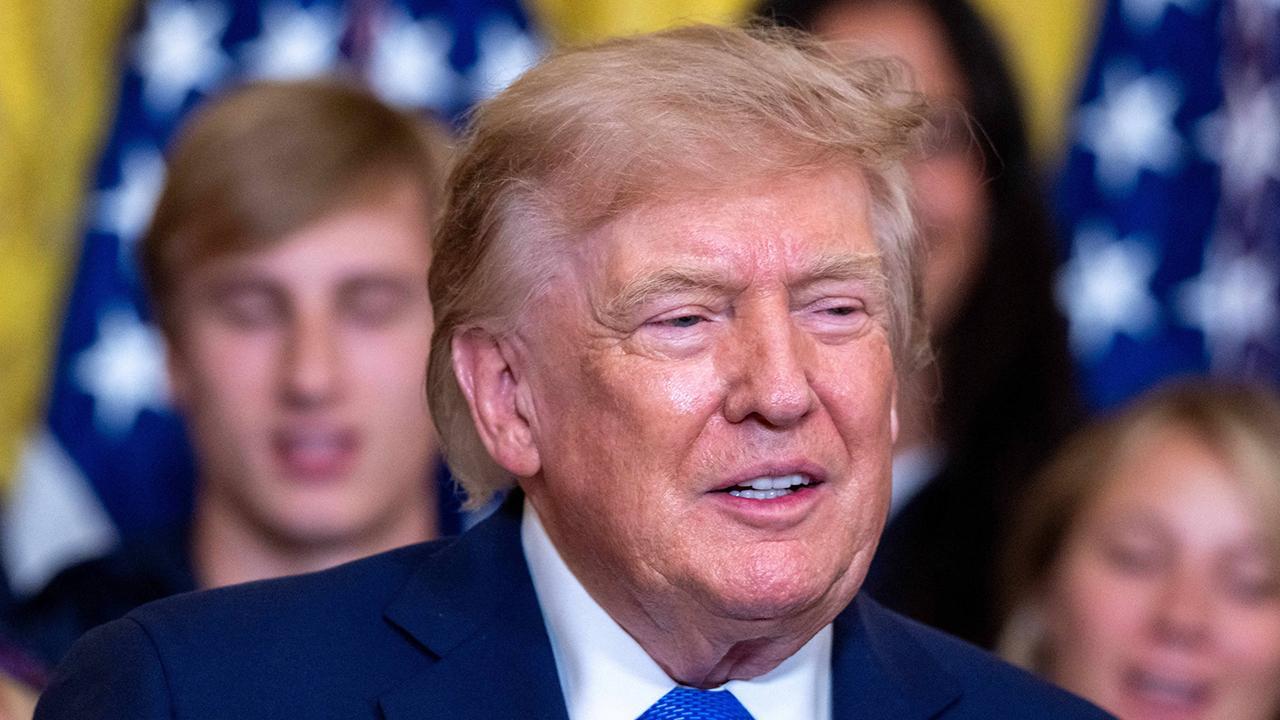
Six Republicans and six Democrats have joined forces to challenge Trump's Russia policy.
Trump has defended the agreement as a way to ease fuel costs amid disruptions linked to the conflict with Iran.
However, the senators warned that the financial benefits to Moscow could outweigh any meaningful savings for American consumers. They argued that additional Russian energy revenue could strengthen the Kremlin's military campaign and its relationships with China, Iran and North Korea.
The letter was signed by six Republicans and six Democrats, including Jeanne Shaheen, Thom Tillis, Susan Collins, Mitch McConnell, Richard Blumenthal and Dick Durbin.
Their unusual bipartisan opposition adds to the political pressure facing Trump ahead of November's midterm elections.


Sanctions Deadline Looms

Never Miss an

Daily updates from the heart of Hollywood, right to your inbox
By entering your email and clicking Sign Up, you’re agreeing to let us send you customized marketing messages about us and our advertising partners. You are also agreeing to our Terms of Service and Privacy Policy.

Ukrainian rescue workers confront the devastation left by Russia's ongoing attacks.
The senators also urged Trump to enforce the Lindsey O. Graham Sanctioning Russia and Iran Act of 2026, which he signed into law in September.
The legislation provides additional tools to target Russia and countries helping sustain its military operations. Major provisions are scheduled to take effect October 18, creating a looming deadline for the administration.
The lawmakers specifically demanded that Trump withdraw from the diesel agreement and rescind Treasury Department General License No. 135, which eased restrictions on Russian diesel exports.
Meanwhile, Russia's attacks on Ukraine have continued, including strikes against civilian and energy infrastructure.
