


EXCLUSIVE: Trump Scores Major Supreme Court Victory as Justices Greenlight Border Wall Construction Despite Legal Battle

Bill Maher compared Trump's remarks to having Tourette Syndrome.
Nov. 9 2026, Published 8:26 p.m. ET


President Donald Trump has secured a significant Supreme Court victory in his administration's push to expand construction along the U.S.-Mexico border, after the nation's highest court intervened in a legal battle over a controversial Texas border wall project, RadarOnline.com can exclusively reveal.
According to Supreme Court documents reviewed by Radar the justices issued an emergency order on November 9 allowing the Trump administration to resume border barrier construction in Texas's Big Bend Sector, temporarily suspending a lower court ruling that had blocked the project.
The decision marks a significant development in the administration's ongoing efforts to accelerate border security construction despite legal challenges involving environmental protections and federal authority.
Supreme Court Intervenes in Border Wall Battle

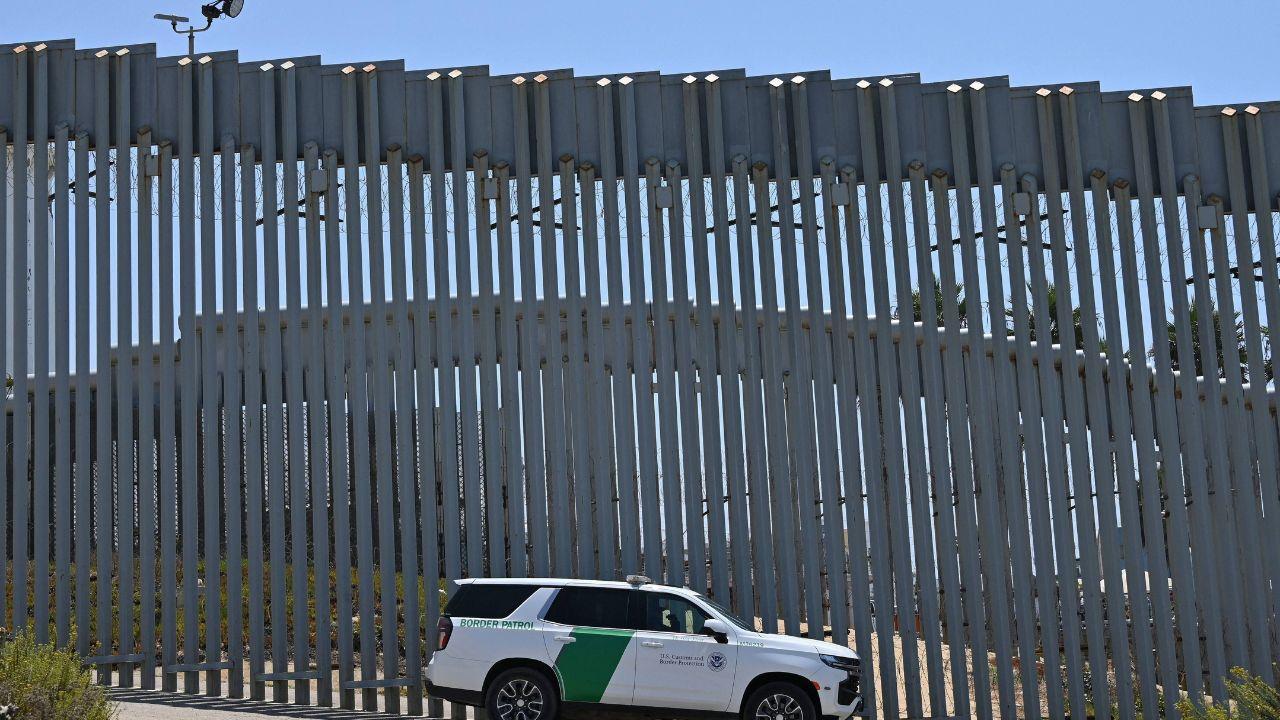
The Supreme Court cleared the way for the Trump administration to resume border barrier construction
The dispute, Mullin v. Friends of the Ruidosa Church, centers on the Department of Homeland Security's authority to bypass certain federal legal requirements when constructing barriers along the southern border.
Under Section 102 of the Illegal Immigration Reform and Immigrant Responsibility Act of 1996, the Homeland Security secretary possesses broad authority to construct barriers and roads intended to deter unlawful border crossings.
The statute also allows the secretary to waive certain legal requirements deemed necessary to expedite construction.
Earlier this year, federal officials invoked that authority to advance construction in the Big Bend Sector, a region along the U.S.-Mexico border.
However, opponents challenged the project, raising concerns about the administration's use of waiver powers and the potential impact on protected environmental areas.
Trump Administration Secures Emergency Relief
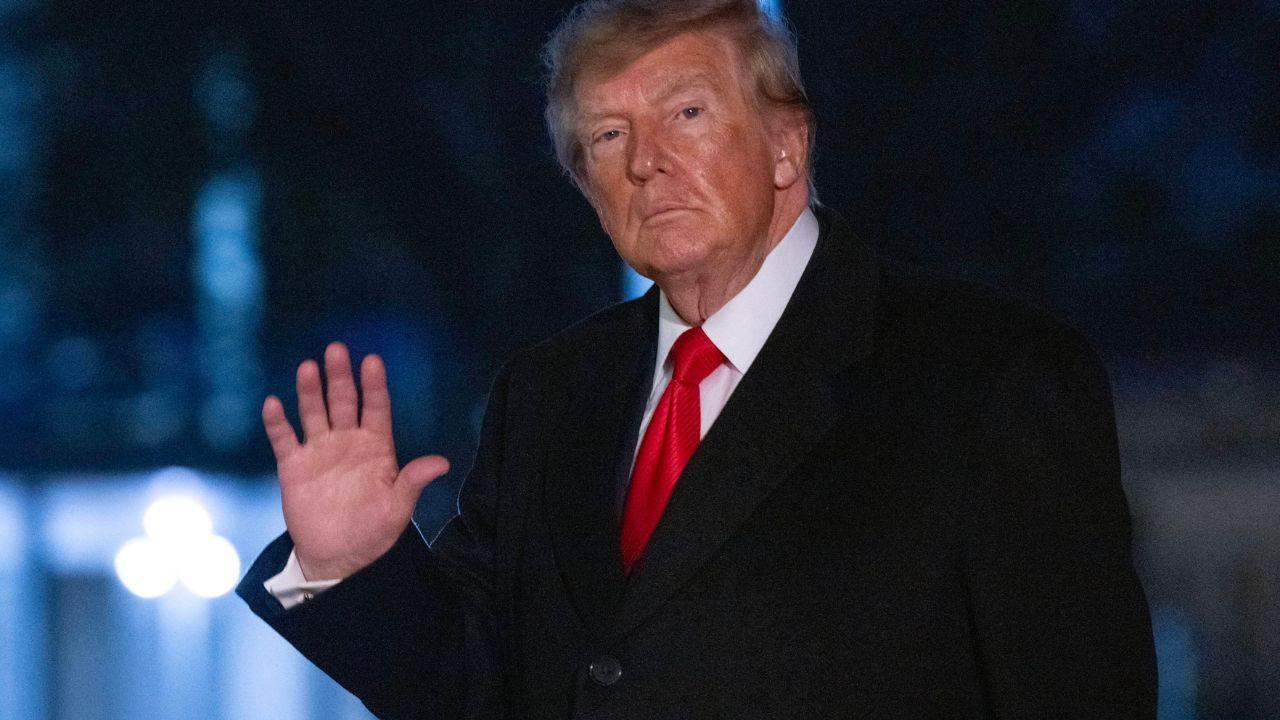
President Donald Trump's administration secured emergency relief from the Supreme Court.
The administration subsequently sought emergency intervention from the Supreme Court after a lower court blocked construction.
In its November 9 order, the Supreme Court granted relief allowing the administration to proceed while the underlying litigation continues.
The ruling effectively pauses the lower court's restriction, giving federal officials an opportunity to move forward with the disputed construction project.
However, the order does not represent a final determination that every aspect of the administration's border wall initiative complies with federal law.
Instead, the legal battle remains ongoing as the courts continue examining the scope of the federal government's authority.
Justice Jackson Breaks With Court
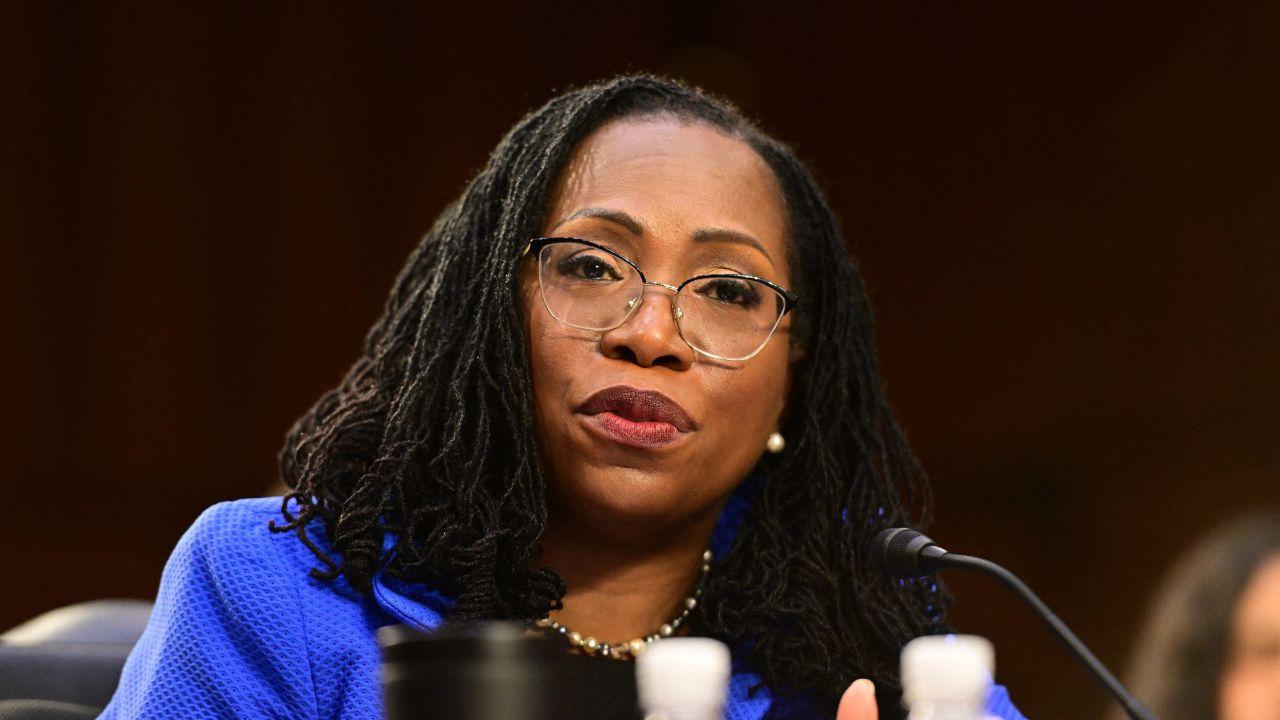
Supreme Court Justice Ketanji Brown Jackson opposed granting the administration's emergency request as the justices intervened in the Texas border wall dispute.
Justice Ketanji Brown Jackson dissented from the Supreme Court's decision, highlighting disagreement over the emergency intervention.
Her dissent comes as the administration continues to defend its interpretation of federal immigration laws and the extraordinary powers granted to Homeland Security officials.
The case raises broader questions about the extent to which federal agencies can bypass environmental safeguards when pursuing national border security objectives.


Border Construction Fight Far From Over

Never Miss an

Daily updates from the heart of Hollywood, right to your inbox
By entering your email and clicking Sign Up, you’re agreeing to let us send you customized marketing messages about us and our advertising partners. You are also agreeing to our Terms of Service and Privacy Policy.
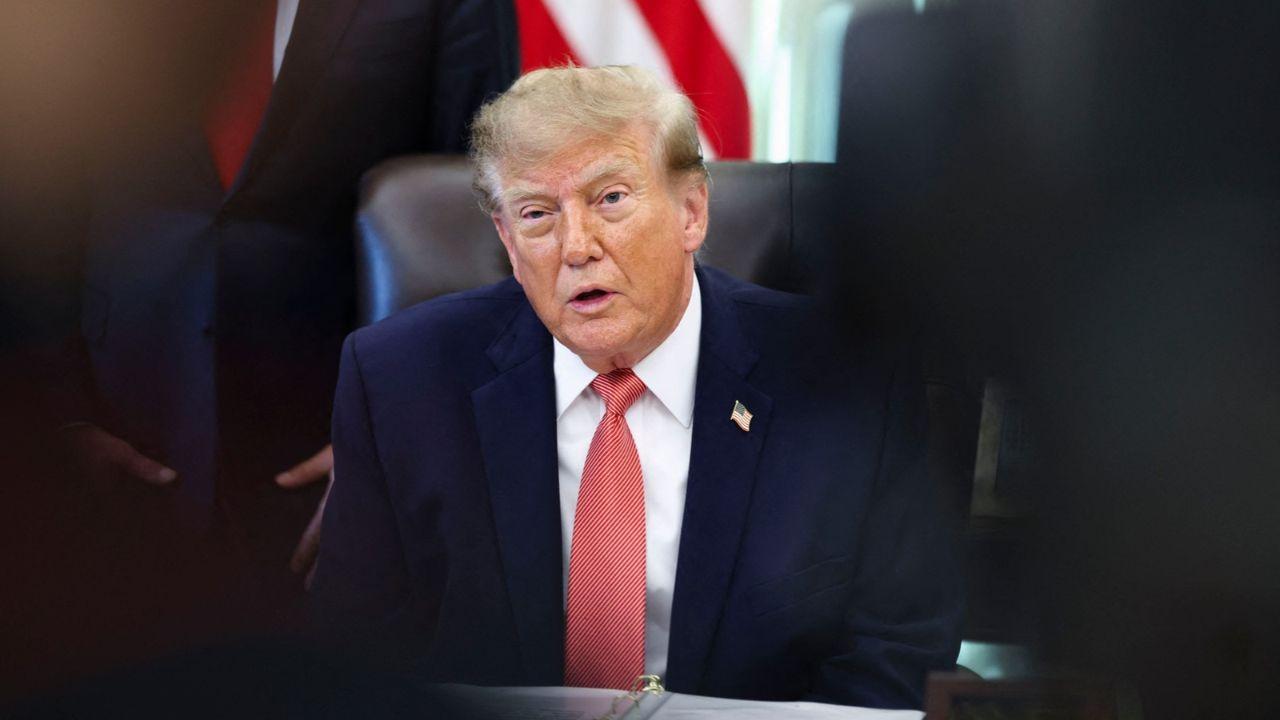
Trump's border wall victory comes as legal challenges to his administration's immigration policies continue.
For Trump, the order removes an immediate legal obstacle to construction in the disputed Texas region.
For opponents, the underlying litigation remains an avenue to challenge the administration's actions.
The Supreme Court's intervention underscores the continuing legal conflict surrounding border enforcement, executive authority and environmental protections.
Although construction can resume under the emergency order, the ultimate resolution of the lawsuit remains unsettled.
