


Trump Redirects JD Vance to Domestic Issues After VP's Blunt Iran War Criticism Raises Questions About GOP's Future

Trump named Minnesota, California and Illinois as examples of states he called “poorly run, corrupt disasters.”
Nov. 12 2026, Published 11:04 a.m. ET


President Donald Trump has assigned Vice President JD Vance a new domestic policy focus after Vance publicly blamed the administration's war with Iran for Republicans' sweeping losses in the 2026 midterm elections.
In a Truth Social post Thursday, November 12, Trump said he wanted Vance to concentrate on alleged corruption and crime in Democratic-led states, including Minnesota, California and Illinois.
The president described the states as "poorly run, corrupt disasters" and said the vice president should give the issues his "complete and total attention."
The announcement comes days after Vance delivered a pointed assessment of the Republican Party's election defeat, arguing that the Iran conflict had alienated voters and cost the GOP control of Congress.
Trump Outlines Vance's New Assignment

Trump said the United States no longer needs a deal with Iran, but did not clarify whether Vance would keep any Iran-related duties.
Trump said he had asked Vance to investigate what he characterized as widespread corruption and criminal activity in Democratic-controlled cities and states. He alleged that billions of dollars were being stolen each month but did not provide evidence supporting the figure.
The president also suggested that addressing the alleged financial misconduct could help balance the federal budget.
Trump did not clarify whether Vance would retain any involvement in diplomatic matters concerning Iran or whether another administration official would take over his previous responsibilities.
The president also dismissed the prospect of reaching another agreement with Tehran.
"We don't need a deal with Iran," Trump wrote, adding that "those days have long since passed." He pointed to American leverage over Iranian financial resources and the Strait of Hormuz as reasons for his position.
Vance had previously been involved in efforts to negotiate an agreement between Washington and Tehran.
In June, he was scheduled to travel to Switzerland for discussions on implementing a 14-point agreement, although he subsequently withdrew from the planned trip. The agreement was followed by a fragile ceasefire.
Vance Blames Iran War for Republican Midterm Losses
Vance previously helped lead negotiations with Tehran, which resulted in a short-lived agreement in June.
Trump's announcement follows Vance's unusually direct criticism of the administration's Iran policy after the November 3 elections.
On November 4, the vice president published a lengthy statement on X arguing that the military conflict was the central reason Republicans lost control of both the House and Senate.
"The reason we lost is the war. The president himself said so last night," Vance wrote.
He challenged Republicans who believed the military campaign was worth the political consequences, specifically questioning whether it was worth sacrificing the party's Senate majority for the next six years.
Vance also said some Americans who supported Trump and Vance in 2024 had voted for Democrats in 2026 because of their frustration with the war and its economic consequences.
The vice president urged Republicans to reassess their priorities, address inflation and return to an "America First" approach. He also called for a discussion about America's relationship with Israel.
Trump Defends Decision To Attack Iran
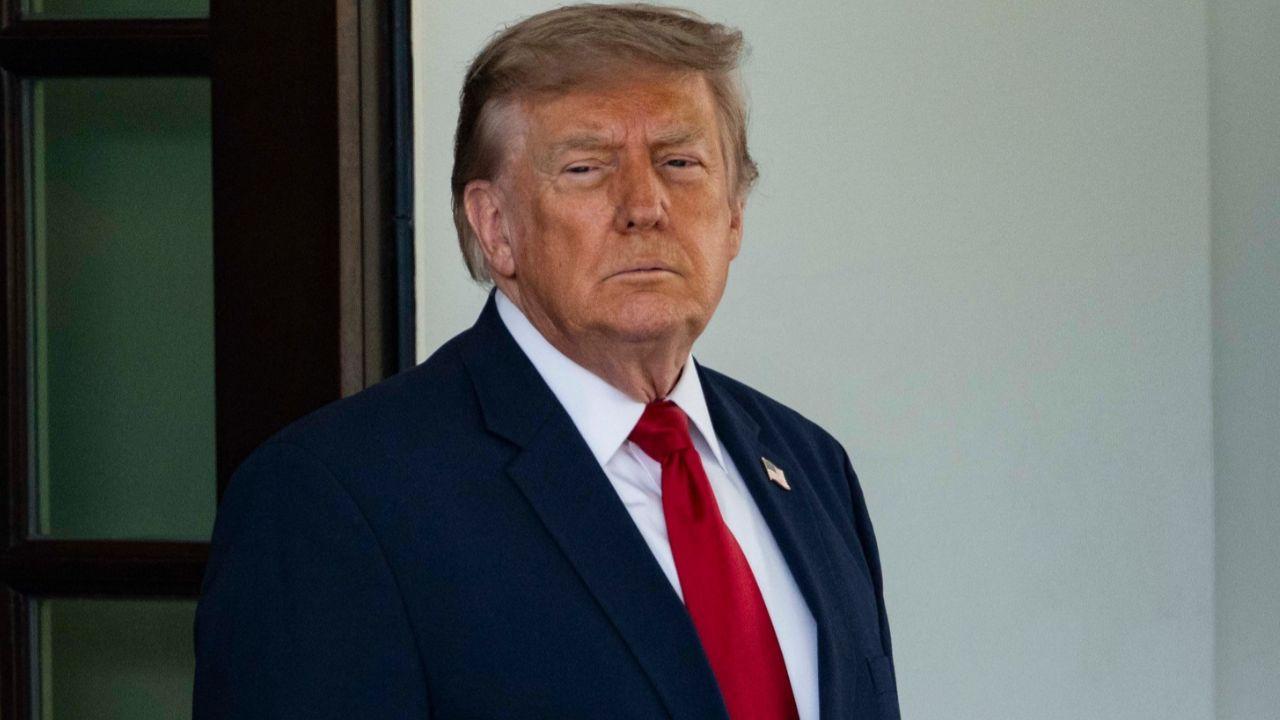
After the 2026 midterm elections, Vance blamed the Iran war for Republicans losing control of the House and Senate.
During an interview with CBS' "60 Minutes" that aired November 8, the president agreed with Vance's assessment that the conflict contributed to Republican losses.
However, he defended the decision to attack Iran, arguing that preventing the country from obtaining nuclear weapons was more important than short-term political consequences.
Trump also said he would make the same decision again.
In the interview, the president acknowledged that the military action might not be viewed favorably in the immediate future but maintained that it would ultimately prove beneficial for the country.
Secretary of State Marco Rubio has similarly defended the administration's approach, arguing that confronting Iran was necessary despite the political difficulties surrounding the conflict.
Defense Secretary Pete Hegseth has also supported the military campaign.
The disagreement has placed Vance's comments in sharper contrast with the administration's continued defense of its decision to pursue military action.
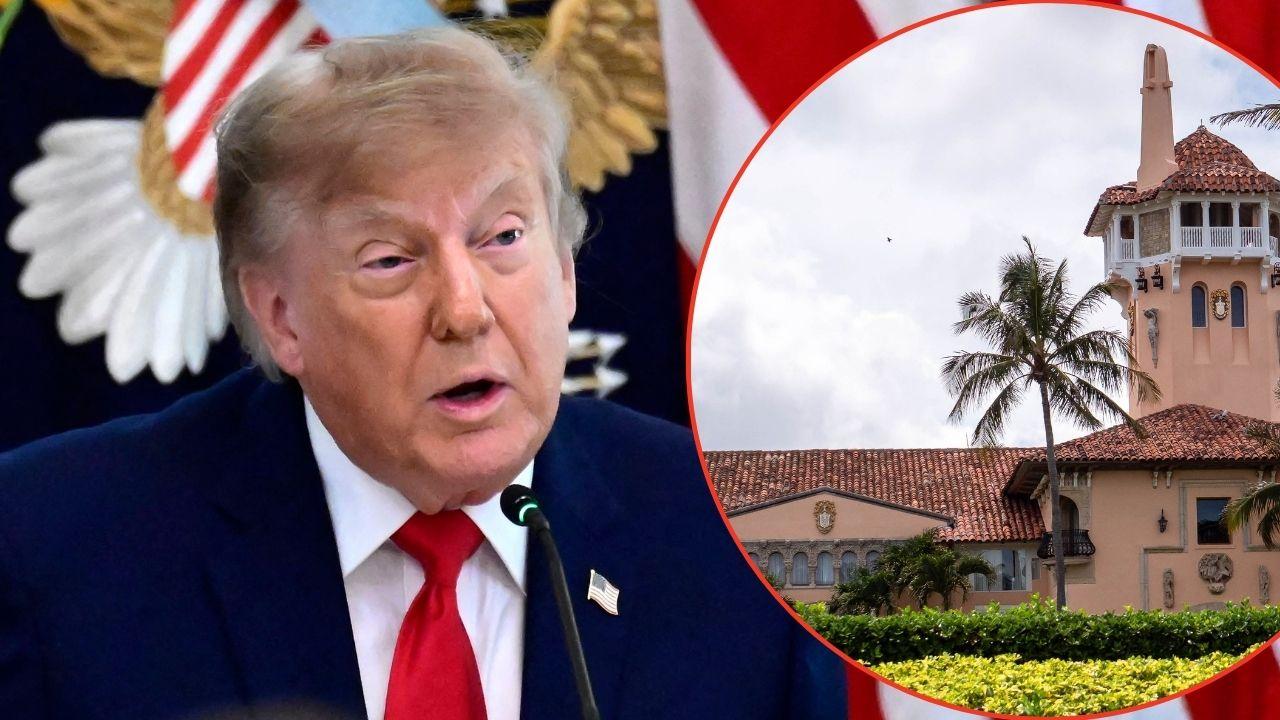
Election Results Highlight GOP's Wider Political Problems

Never Miss an

Daily updates from the heart of Hollywood, right to your inbox
By entering your email and clicking Sign Up, you’re agreeing to let us send you customized marketing messages about us and our advertising partners. You are also agreeing to our Terms of Service and Privacy Policy.
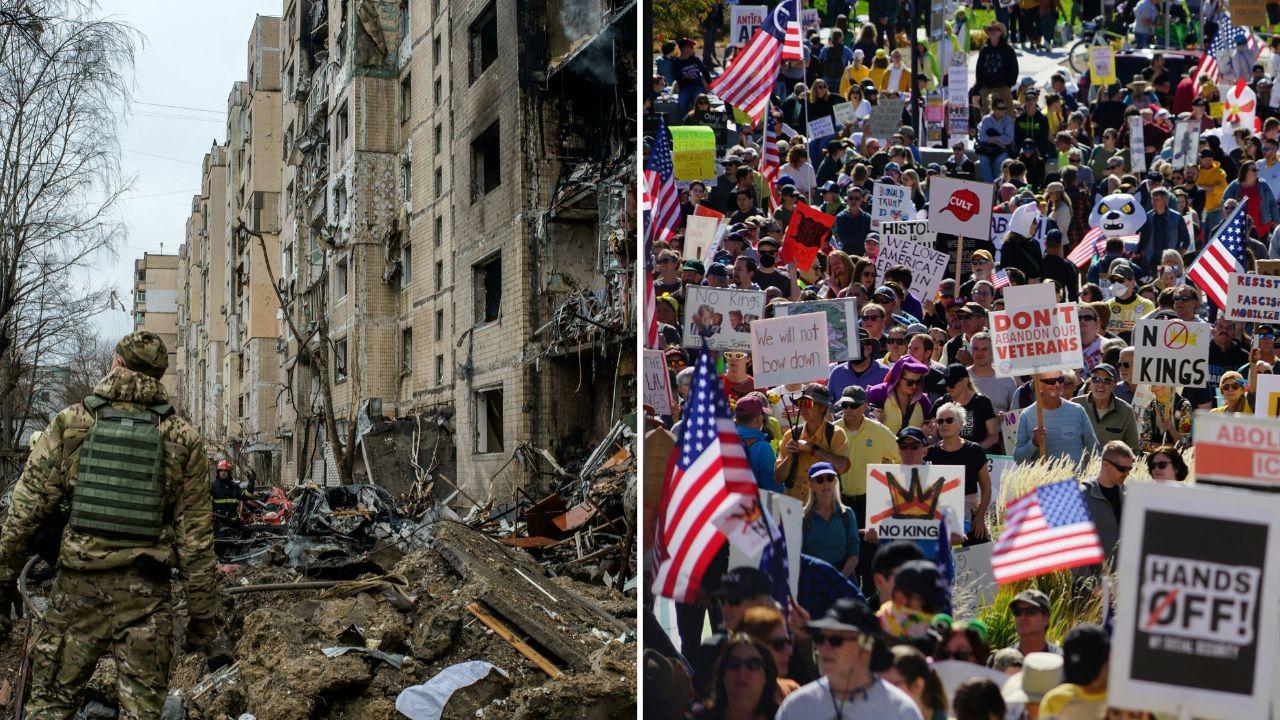
Vance urged Republicans to end the war, tackle inflation, prioritize an “America First” agenda and reconsider the U.S. relationship with Israel.
An ABC News voter poll found that 55% of House voters considered government corruption crucial to their vote, while 49% identified the cost of living as crucial. The Iran war ranked lower, with 34% describing it as crucial to their voting decision.
The findings suggest that economic concerns and government accountability were also major factors in the election, making the party's difficulties broader than its foreign policy decisions.
The results also provide context for Vance's emphasis on domestic issues. His criticism of the war was accompanied by calls for Republicans to improve their economic messaging and reconnect with voters concerned about everyday expenses.
Meanwhile, his public disagreement with Trump has prompted questions about the vice president's political ambitions, particularly as Republicans begin looking toward the 2028 presidential election.
Both Vance and Rubio are viewed as potential contenders for the party's next presidential nomination.
