


EXCLUSIVE: Trump's Nationwide Voter Purge Plan Struck Down in Court — as Judge Rips 'Unlawful' Attempt to Decide Who Gets to Vote

President Donald Trump's Justice Department suffered a major legal setback after a federal judge struck down its nationwide voter-roll policy.
Oct. 9 2026, Published 7:50 p.m. ET


President Trump's Justice Department has suffered a federal court setback in its effort to obtain and scrutinize voter registration records across the country, RadarOnline.com can reveal
A federal judge struck down the DOJ's controversial voter-list maintenance policy on Friday, October 9, ruling that the department exceeded its legal authority in a sweeping effort to identify potentially ineligible voters.
Judge Delivers Warning to Trump Administration

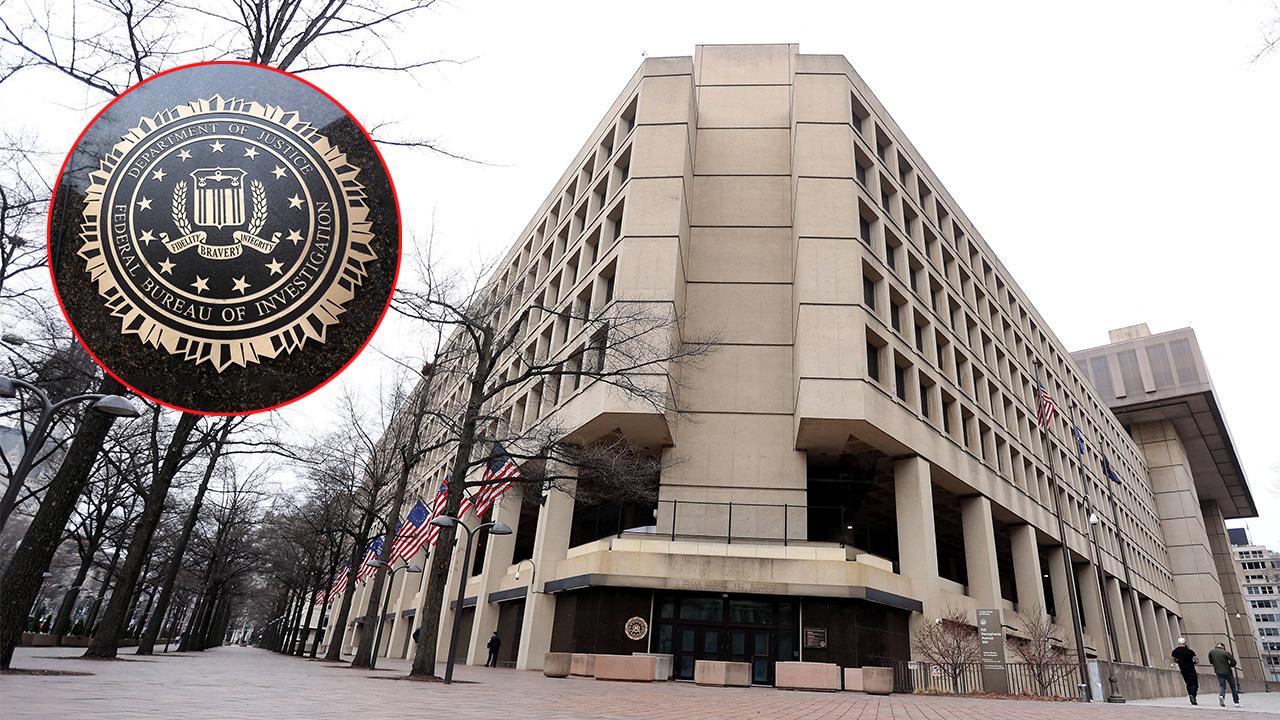
The Justice Department's nationwide voter-data collection policy was struck down by a federal judge.
According to court documents obtained by Radar, U.S. District Judge Sparkle L. Sooknanan vacated the policy after finding that the department's actions violated multiple federal laws governing voter information, privacy, and administrative procedures.
The ruling came in a lawsuit brought by Common Cause and other plaintiffs challenging the government's collection and use of sensitive voter data. In her opinion, Sooknanan declared that the "DOJ cannot run roughshod over longstanding laws" while pursuing its voter-registration initiative.
The judge also raised concerns about "the federal government's attempt to decide who gets to vote," highlighting the limits of Washington's authority over elections traditionally administered by states.
Millions of Voters' Personal Information Collected
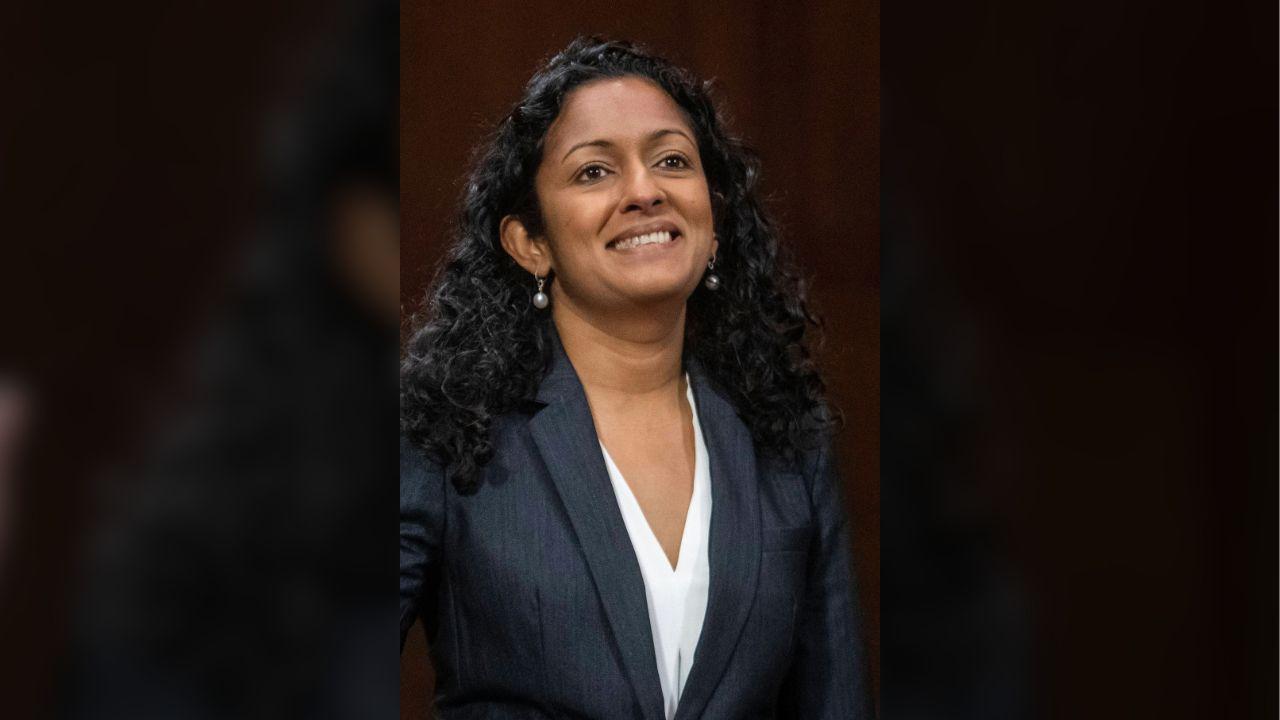
U.S. District Judge Sparkle L. Sooknanan ruled that the DOJ exceeded its legal authority.
The decision does not prevent authorities from investigating potentially unlawful voting or removing ineligible registrants through legally authorized procedures.
Instead, it invalidates the specific DOJ policy challenged in the lawsuit. Court records reveal that the Justice Department sought detailed voter registration information from 49 states and Washington, D.C., with at least 18 states providing records.
The information included sensitive identifying details that the government intended to compare against federal citizenship databases. The DOJ also shared voter information with the Department of Homeland Security, where records could be checked through the Systematic Alien Verification for Entitlements, or SAVE, program.
American Citizens Caught in the Crossfire
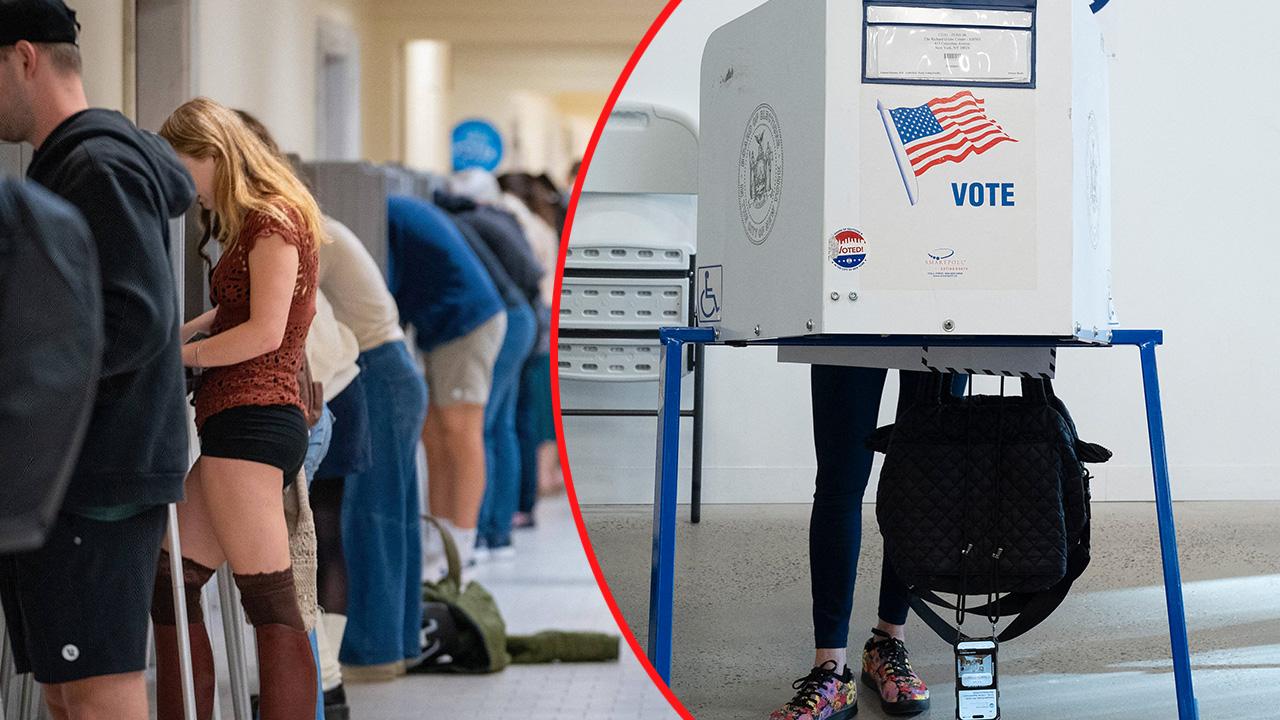
The court raised concerns about eligible American citizens being removed from voter registration rolls.
The administration has defended its broader election-integrity efforts as necessary to identify ineligible registrations and enforce federal voting laws. But Sooknanan found serious problems with the policy's legal foundation and the accuracy of the information used to flag voters.
The judge cited a historical Social Security Administration audit showing that approximately 3.3 million people identified in records as noncitizens were actually U.S. citizens.
The finding illustrated the potential consequences of relying on inaccurate government data to determine voting eligibility. The opinion also described a policy that had resulted in U.S. citizens being removed from voter rolls. The court found that the DOJ exceeded its statutory authority, acted arbitrarily and capriciously, and violated requirements under the Privacy Act and Paperwork Reduction Act.


Voting Rights Group Celebrates Court Victory

Never Miss an

Daily updates from the heart of Hollywood, right to your inbox
By entering your email and clicking Sign Up, you’re agreeing to let us send you customized marketing messages about us and our advertising partners. You are also agreeing to our Terms of Service and Privacy Policy.
Common Cause challenged the DOJ's voter-data policy and welcomed the federal court's ruling.
The ruling arrives less than a month before the November 3 midterm elections, amid continuing disputes over federal access to state voter records.
Following an inquiry from Radar, Common Cause directed the outlet to a statement from its president and CEO, Virginia Kase Solomón, who called the ruling "a victory for voters and yet another loss for the Department of Justice."
It remains unclear whether the Justice Department will appeal. As of Friday's initial reporting, the department had not publicly commented on the ruling.
