


EXCLUSIVE: Trump Suffers Setback as Judge Refuses to Recuse Himself in DOJ Fight Over Fired U.S. Attorney

U.S. District Judge Stanley A. Bastian denied the Trump administration's request that he recuse himself from the Roger Rogoff lawsuit.
July 31 2026, Published 7:40 p.m. ET


A federal judge has refused to step aside from the explosive legal battle over President Trump's removal of a court-appointed U.S. attorney, handing the Department of Justice an early procedural setback in the closely watched case, RadarOnline.com can reveal.
In a new court order obtained by Radar, on Thursday, July 30, U.S. District Judge Stanley A. Bastian denied the Trump administration's request to reassign the case or require his recusal, rejecting arguments that the lawsuit had been improperly assigned after another judge stepped aside.
Roger Rogoff Lawsuit Details

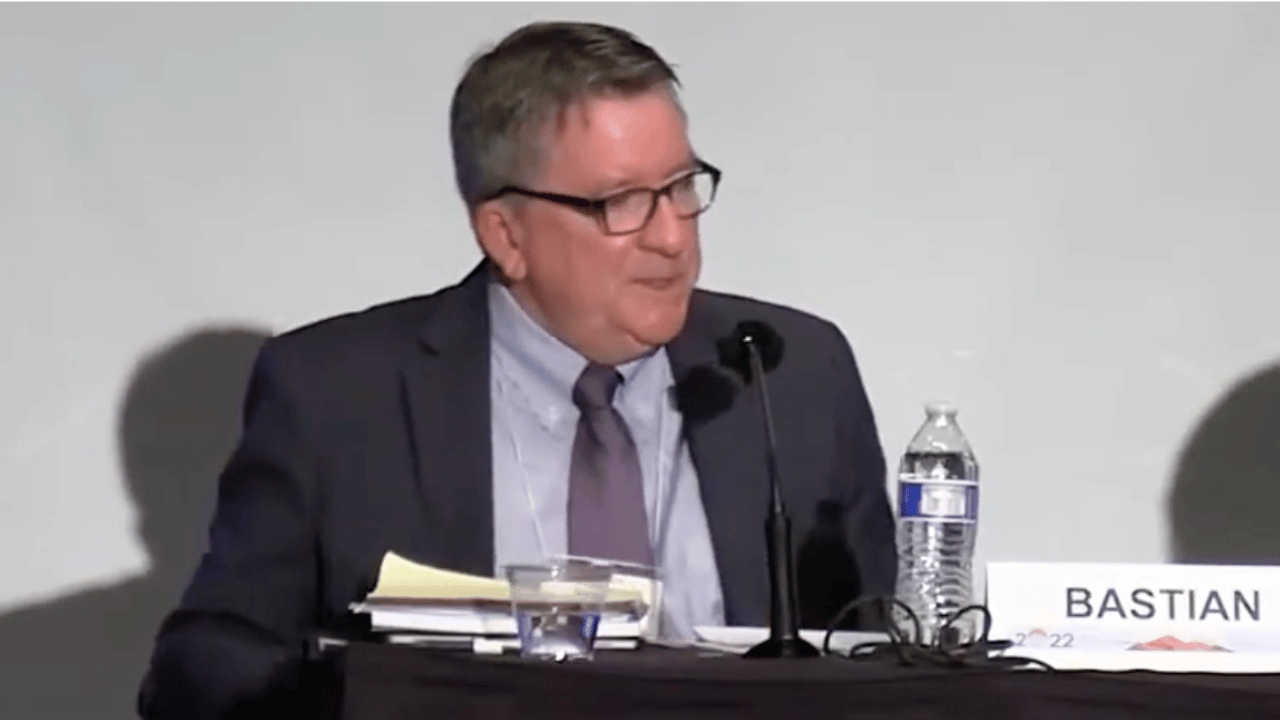
U.S. District Judge Stanley A. Bastian denied the Trump administration's request to reassign the case
The latest development comes after Roger Rogoff sued Trump, claiming he was fired less than an hour after being sworn in as the court-appointed U.S. attorney for the Western District of Washington.
Rogoff's lawsuit names Trump, the Executive Office of the President, Acting Attorney General Todd Blanche and the U.S. Department of Justice as defendants, arguing the president lacked authority to terminate his court appointment.
The dispute centers on one of Trump's first-term priorities after returning to office: replacing U.S. attorneys across the country. The position of U.S. attorney is traditionally filled through presidential nomination and Senate confirmation, although federal courts may appoint an interim U.S. attorney when vacancies remain unfilled.
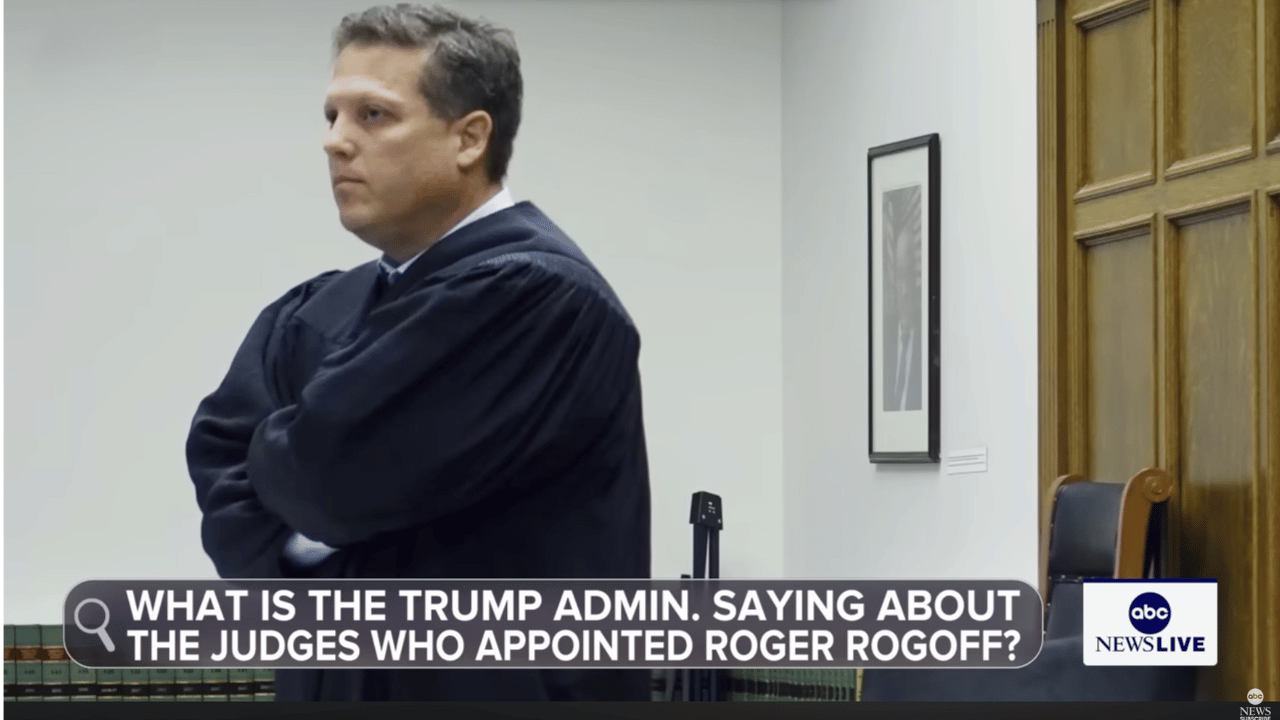
Roger Rogoff sued Trump, claiming he was fired less than an hour after being sworn in as the court-appointed U.S. attorney.
During both the Obama and Biden administrations, interim appointments occasionally occurred under the same statute, though disputes over a president's authority to remove a court-appointed U.S. attorney have rarely reached this stage of litigation.
After Rogoff filed suit, the case was initially assigned to U.S. District Judge Ricardo S. Martinez, who recused himself.
The matter was then reassigned to Bastian, prompting DOJ attorneys to argue Martinez improperly participated in selecting his replacement after stepping aside. They also contended Bastian should recuse himself because he serves as a regular visiting judge in the Western District of Washington.
'No Binding Authority'
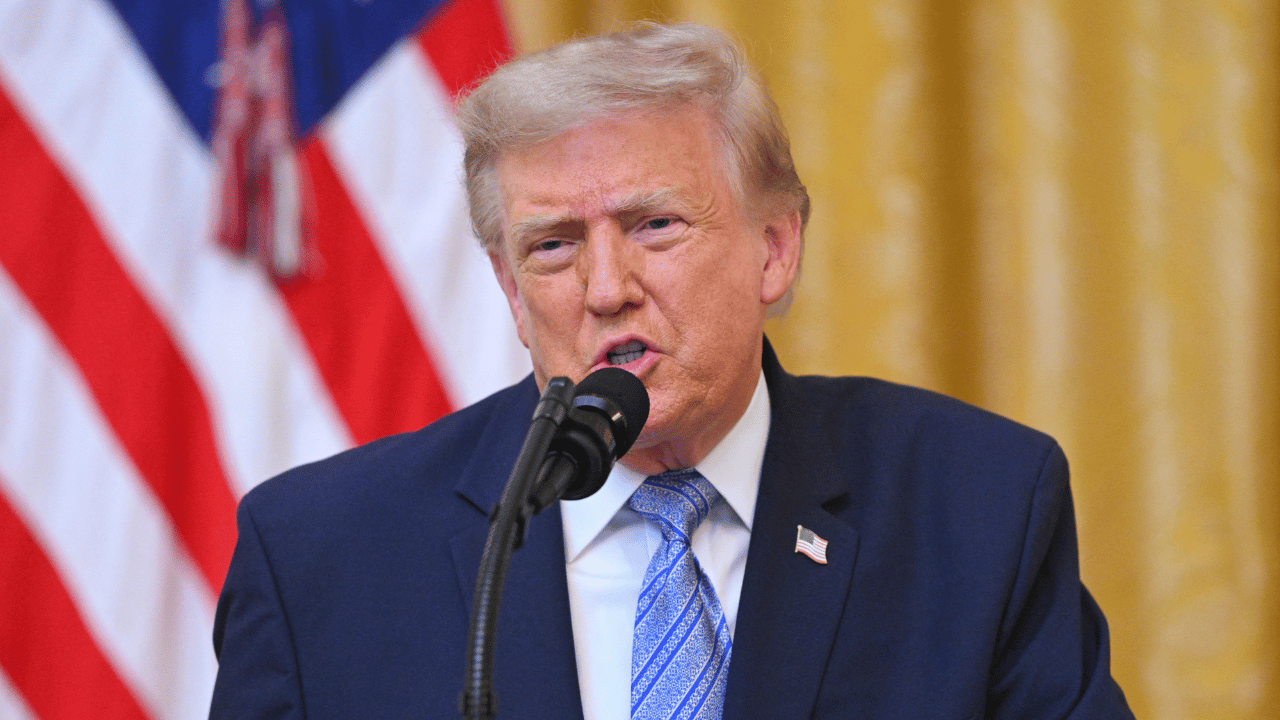
Rogoff's lawsuit argued the president lacked authority to immediately terminate his court appointment.
Bastian rejected both arguments.
The judge wrote that while other federal districts may use different procedures when reassigning cases after a recusal, "there is no binding precedent or rule" requiring a different process than the one used in Washington's Western District.
Addressing the government's request that he remove himself from the case, Bastian concluded DOJ had cited "no binding authority" requiring his recusal.

Lawsuit Moves Forward

Never Miss an

Daily updates from the heart of Hollywood, right to your inbox
By entering your email and clicking Sign Up, you’re agreeing to let us send you customized marketing messages about us and our advertising partners. You are also agreeing to our Terms of Service and Privacy Policy.
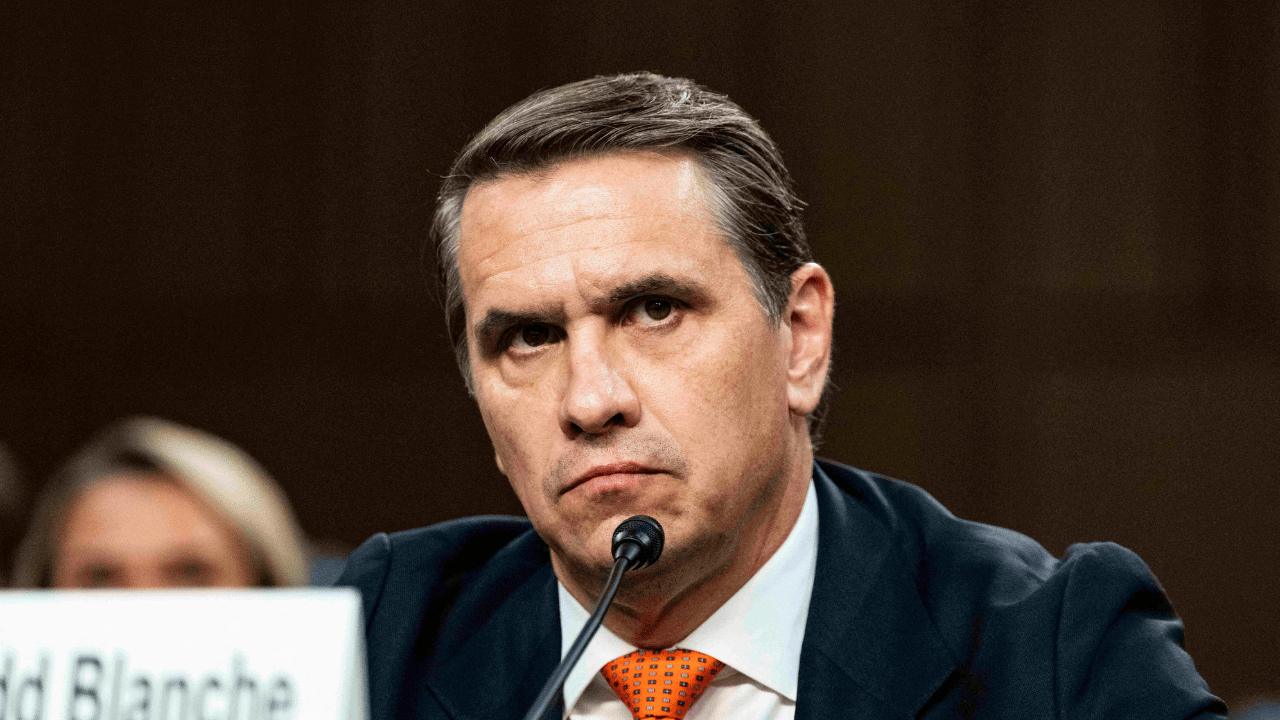
Then-Deputy Attorney General Todd Blanche warned that whoever the court appointed would face 'the same fate' as other court-appointed U.S. attorneys.
He further emphasized that he "was not involved in the decision to hire Plaintiff" and plays no role in the day-to-day operations of the Western District of Washington, undermining the government's claim that his impartiality could reasonably be questioned.
Bastian also cited the federal judicial oath, stating he intends to "faithfully and impartially" perform his duties and will continue to decide the case fairly based on the law and the facts before him.
The ruling leaves Bastian in charge of a lawsuit that could ultimately test the scope of Trump's authority under Article II of the Constitution to remove a court-appointed U.S. attorney, while setting up what is expected to be a closely watched legal battle between the Trump administration and the federal judiciary
