


EXCLUSIVE: Trump Smacked Down in $1.7Billion IRS 'Weaponization' Fight — as Judge Refuses to Halt Sanctions Over 'Bad Faith' Court Case

Donald Trump has been dealt another setback in his legal battle involving the IRS.
Sept. 15 2026, Published 4:30 p.m. ET


President Trump has suffered another setback in his legal battle with the IRS after a federal judge refused to freeze sanctions imposed over what the court previously branded "bad faith conduct" and misuse of the judicial system, RadarOnline.com can reveal.
U.S. District Judge Kathleen Williams rejected an emergency request from the president, his sons Donald Jr. and Eric, the Trump Organization, and two of their attorneys as they pursue an appeal.
Trump Family Takes on the IRS

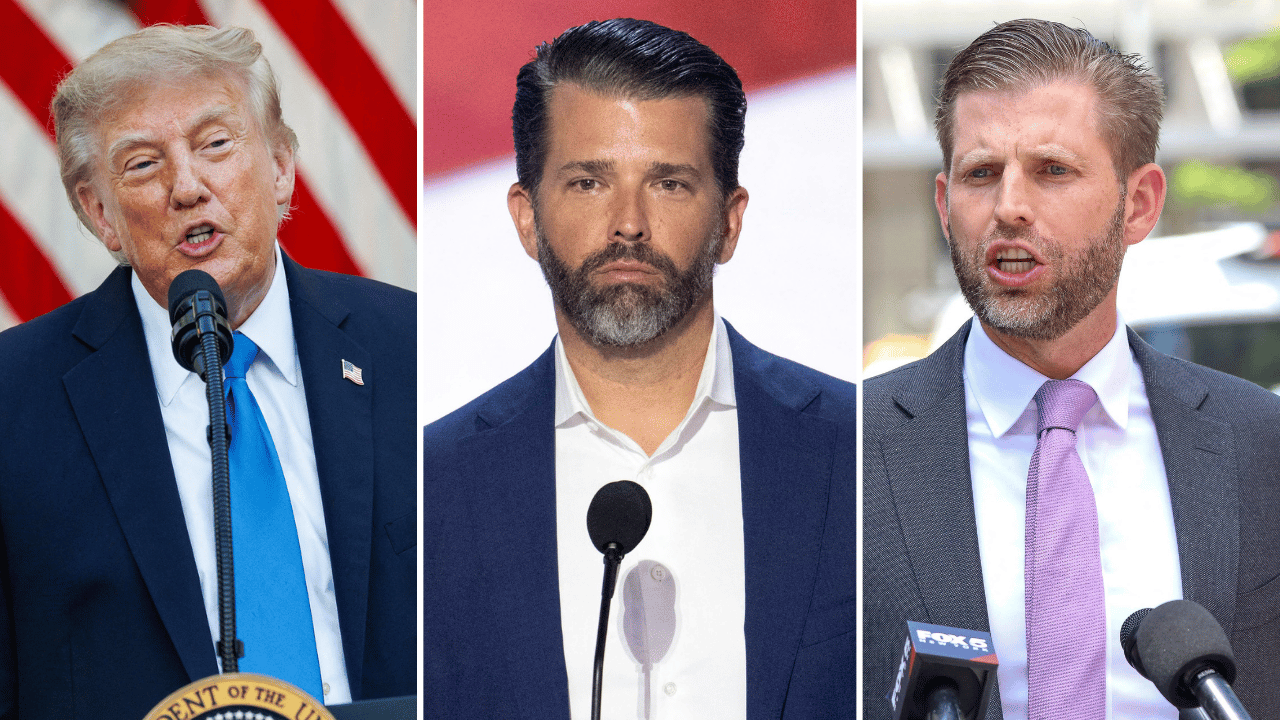
President Trump and his two eldest sons were among the plaintiffs in the lawsuit against the IRS and Treasury Department.
According to court documents obtained by Radar, the controversy stems from a lawsuit the president and his family filed against the Internal Revenue Service and Treasury Department in January 2026. The case took a dramatic turn months later when the plaintiffs voluntarily dismissed it with prejudice.
That same day, the Justice Department announced what it described as a "settlement" and published an agreement containing a staggering provision: the creation of a $1.776billion Anti-Weaponization Fund intended to compensate people who claimed they had suffered from government "weaponization and lawfare."
Judge Williams later scrutinized whether Trump and the government agencies he sued had ever actually been opposing parties in the traditional legal sense.
$1.776B 'Weaponization' Fund Under Scrutiny
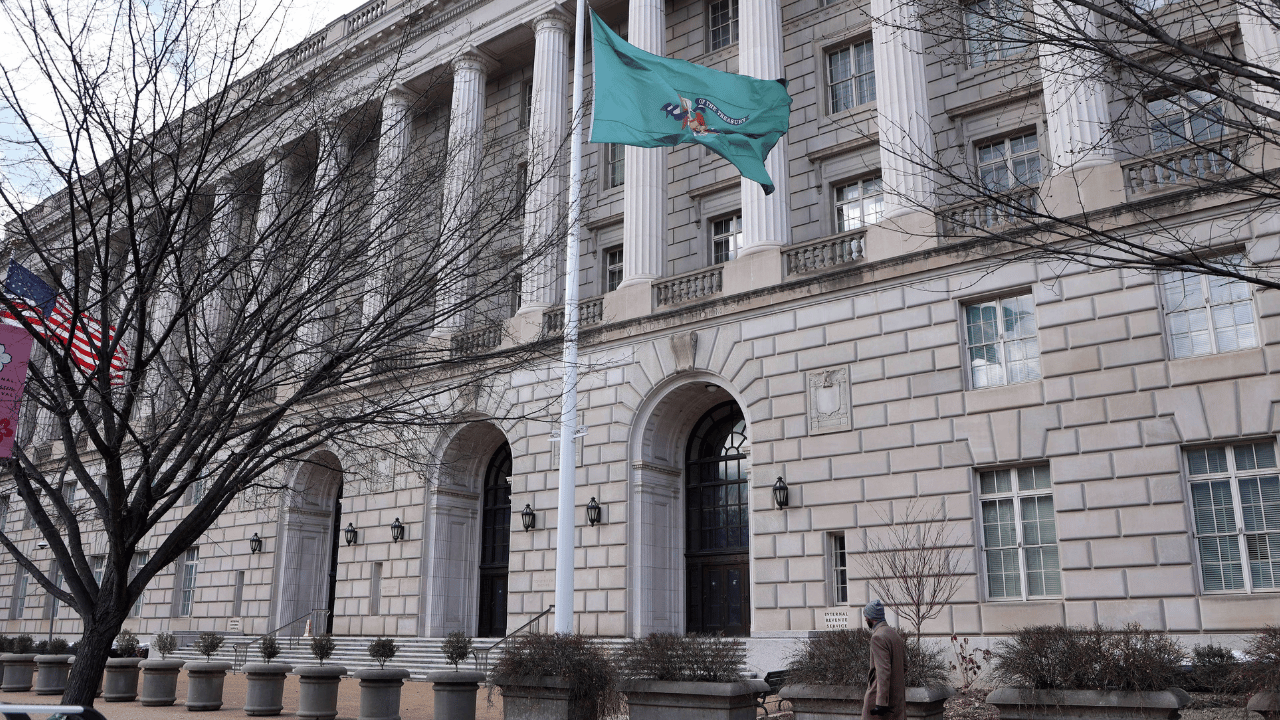
The case centered on a purported settlement involving the IRS and Treasury Department.
The judge noted that during the 109 days the lawsuit was pending, no attorney representing the United States filed a notice of appearance or any document explaining the government's position.
The court also pointed to Trump's executive authority over Treasury Secretary Scott Bessent, IRS chief Frank Bisignano, and the broader Executive Branch while evaluating whether a genuine dispute existed.
35 former federal judges eventually urged Williams to examine whether there had been a legitimate case or controversy. In July, she imposed sanctions after finding the plaintiffs had engaged in "bad faith conduct and misuse of the judicial system."
Trump's side then asked her to put those sanctions on hold during their appeal.
Judge Refuses to Freeze Sanctions
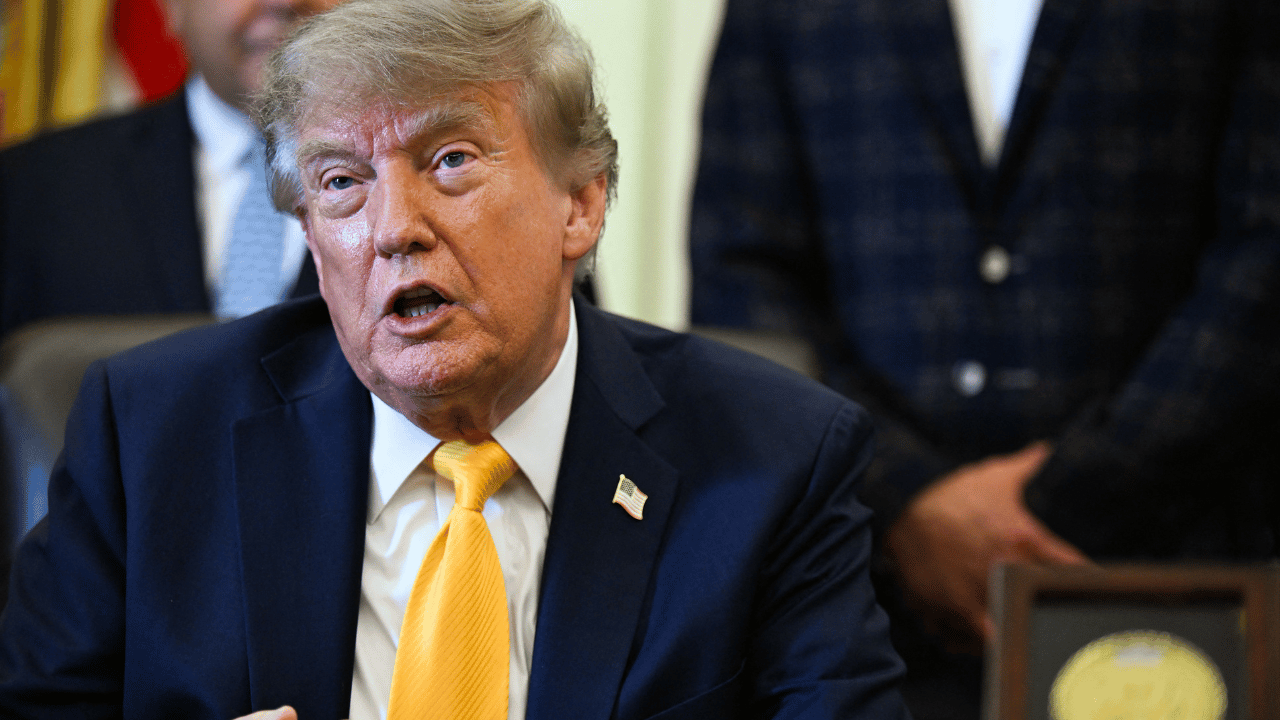
Trump and his legal team asked the court to put the sanctions on hold while they pursued an appeal, but the judge refused.
In her September 14 order, Williams concluded the challengers had failed to show either a sufficient likelihood of success on appeal or irreparable harm.
The judge also defended restrictions preventing the parties from using the agreement in future official proceedings as proof that an actual adversarial "settlement" occurred.
Williams wrote that allowing the document to be used that way could perpetuate a "false narrative" that the agreement resolved a legitimate dispute between opposing litigants. She said such a narrative could "deceive the public," interfere with official proceedings, and undermine confidence in the courts.
'The Fund Is Dead'

Never Miss an

Daily updates from the heart of Hollywood, right to your inbox
By entering your email and clicking Sign Up, you’re agreeing to let us send you customized marketing messages about us and our advertising partners. You are also agreeing to our Terms of Service and Privacy Policy.
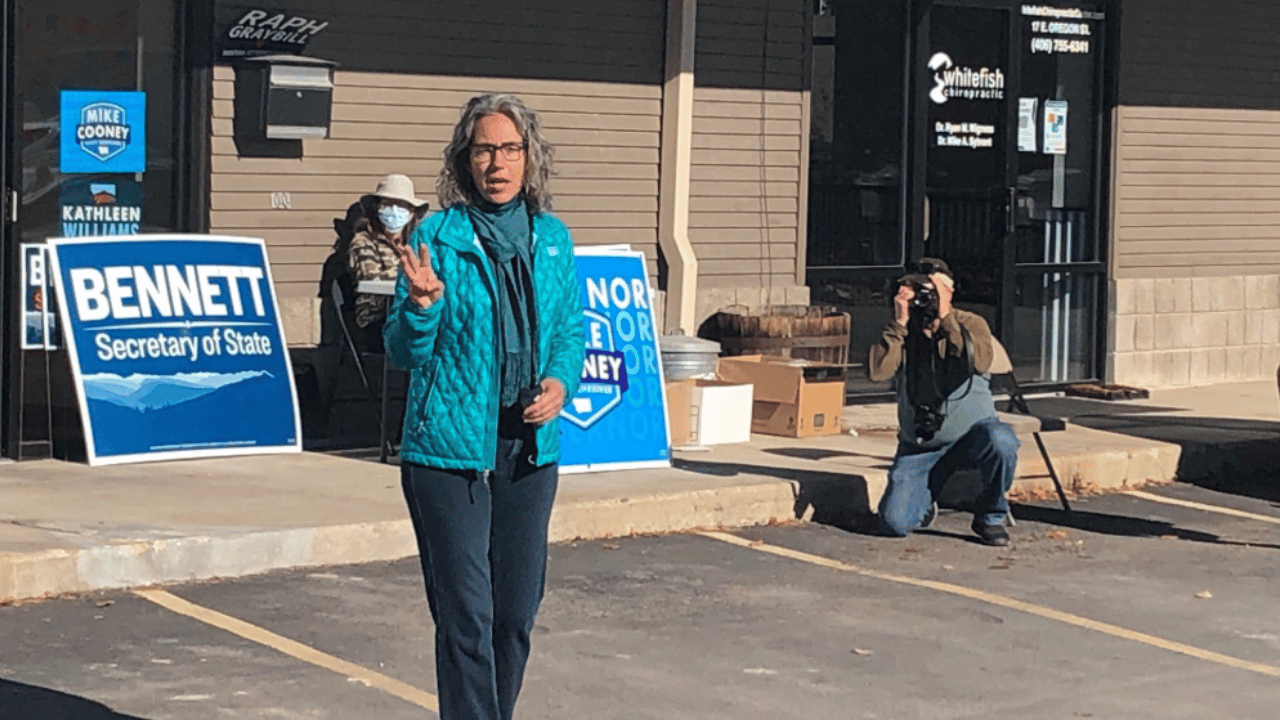
U.S. District Judge Kathleen Williams said allowing the agreement to be presented as an adversarial settlement could 'deceive the public.'
The sanctions include the referral of Trump's attorney Alejandro Brito to the Florida Bar and a one-year restriction on fellow attorney Daniel Epstein seeking pro hac vice admission in the Southern District of Florida.
Williams said neither attorney demonstrated the kind of immediate, irreparable harm necessary to justify a stay. The $1.776billion fund itself has also fallen into doubt.
Williams noted Attorney General Todd Blanche later testified that the proposed program was no longer moving forward, stating simply: "the Fund is dead."
For now, the sanctions remain in place while Trump and his legal team continue their appeal.
